Seven-foot-four basketball player trained as a Shaolin monk

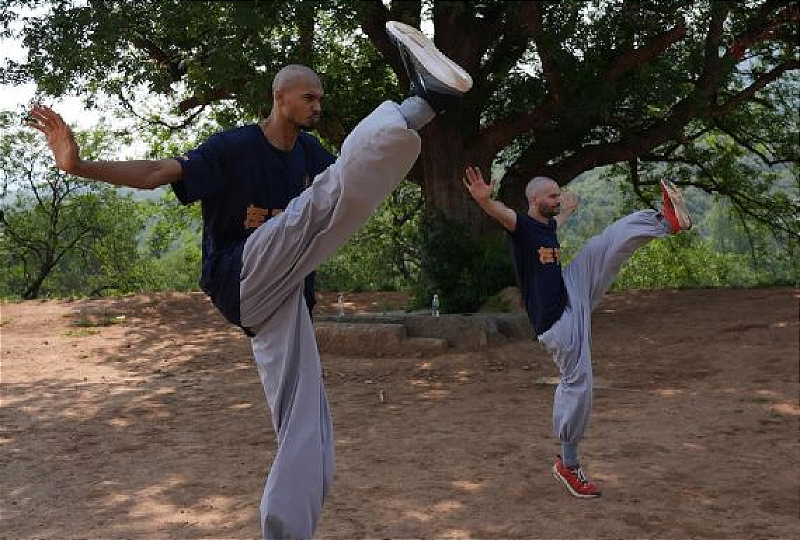
Master Yan'an has trained at the Shaolin Temple in China since he was 6 years old. He has climbed the roughly 1,500 stone steps up Wuru Peak to the Bodhidharma Cave thousands of times. None of the steps is the same size or height. Some are narrow; some are tall. During the day, tourists who visit the temple usually take one to two hours to reach the peak. It is not advised to climb at night. There are no lights along the trail, and one wrong step could send a hiker tumbling down the steep staircase. But Master Yan'an had an unusual student last summer. San Antonio Spurs All-NBA center Victor Wembanyama was looking for a challenge that would test him in ways he'd never been tested before. He wanted to build his inner strength alongside his already prodigious physical strength. His goals, he said, transcended mere athletic glory. (via ESPN)
A French aristocrat built a business on famous works of literature but it was a Ponzi scheme
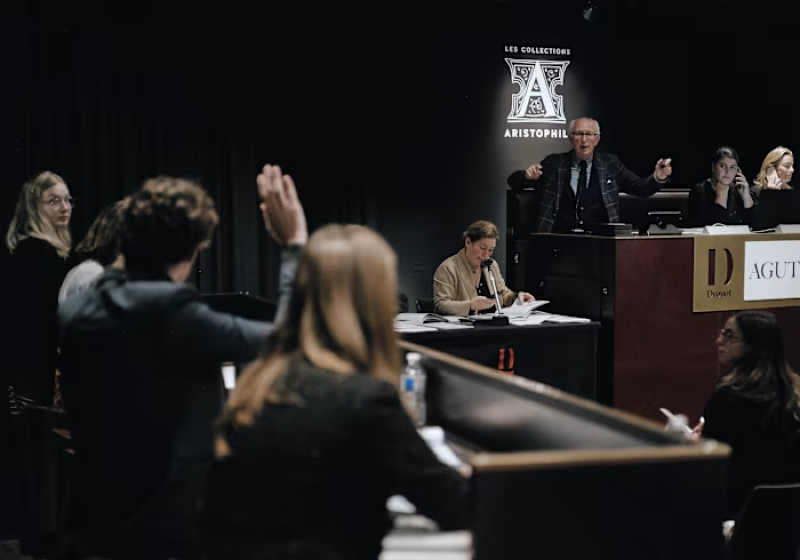
It was Gérard Lhéritier’s most amazing coup. The manuscript of Les 120 Journées de Sodome, the Marquis de Sade’s novel of sexual depravity and violence, had long been considered lost to French cultural heritage. Sade wrote it in 1785 while imprisoned in the Bastille for debauchery, by order of the king and at the request of his mother-in-law. He used his prison time fruitfully, to become a writer of plays, short stories and novels, and he composed The 120 Days of Sodom in tiny, meticulous characters on a strip made from 33 pieces of paper glued together. The scroll, which reached 12 metres in length, was rolled up and left hidden in his cell when he was evacuated just before the storming of the prison on July 14 1789. Lhéritier exhibited the scroll at the Museum of Letters and Manuscripts, which he had founded in Saint-Germain-des-Prés. He later sold the scroll for €12.5mn, divided into 2,500 shares at €5,000 each. (via the FT)
The rumblings from the earth in this Connecticut town inspired H.P. Lovecraft
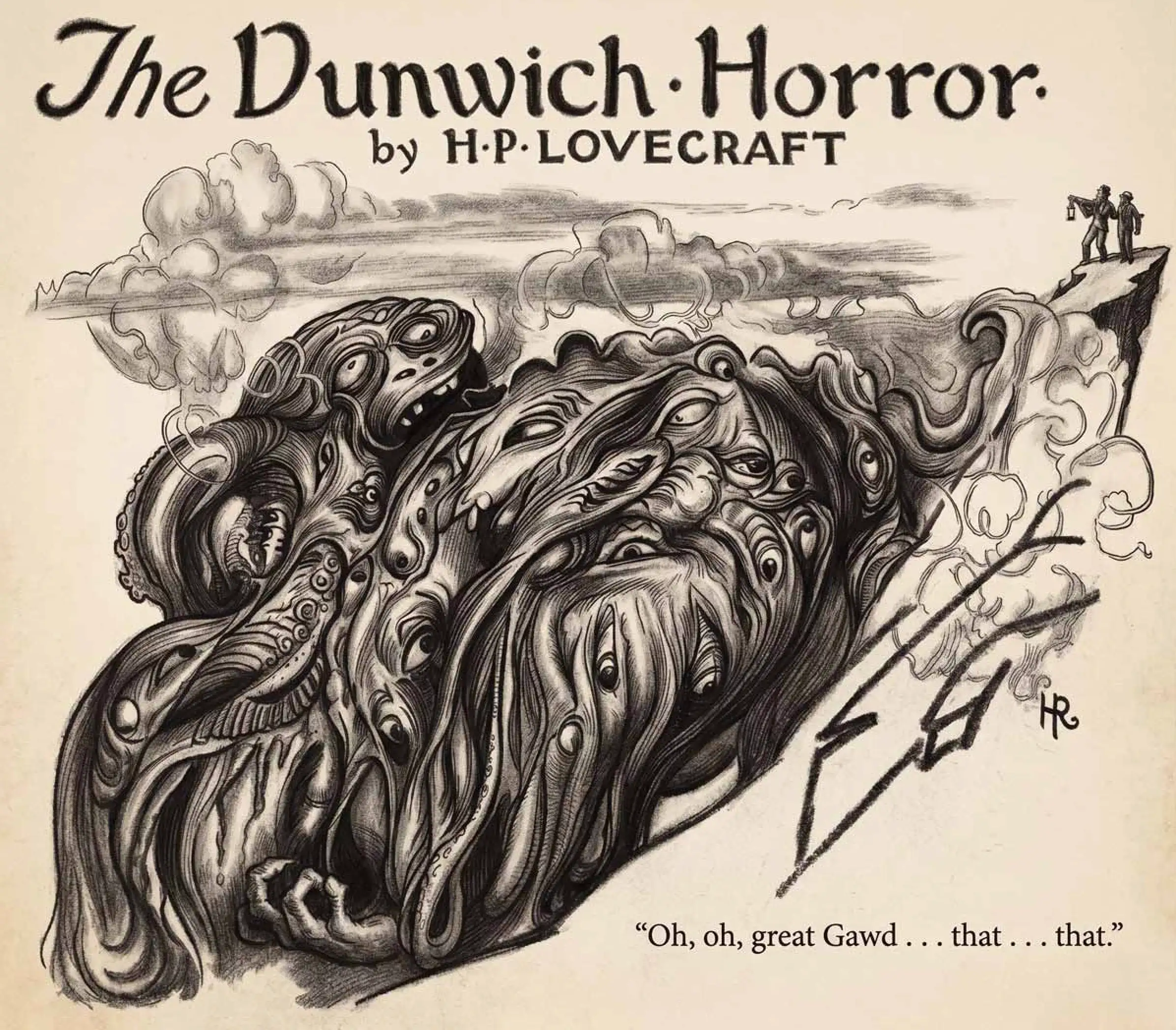
The Connecticut village of Moodus lies over a seismic fault that produces shallow microearthquakes that cause weird booms, rumbles, and cracks. The Algonquian peoples named the area Matchitmoodus. ("the place of noises"). The biggest Moodus Noise on record was an intensity-7 earthquake on May 16, 1791. The Pequot, Mohegan, Narragansett, and Wangunk tribes gathered near Mount Tom to experience the sounds, which they associated with the deity Hobbomock. Puritan settlers thought Hobomok was evil; the tribes saw him as something more complicated, morally ambiguous, capable of good and harm. Either way, everybody agreed the ground was making noise. Most earthquakes occur deep enough that the sound dissipates, but Moodus earthquakes are so shallow that the seismic waves reach the surface before losing audible frequency. H.P. Lovecraft worked the phenomenon into "The Dunwich Horror." (via Boing Boing)
Hi everyone! Mathew Ingram here. I am able to continue writing this newsletter in part because of your financial help and support, which you can do either through my Patreon or by upgrading your subscription to a monthly contribution. I enjoy gathering all of these links and sharing them with you, but it does take time, and your support makes it possible for me to do that. I also write a weekly newsletter of technology analysis called The Torment Nexus.
He ran a travelling dental circus and legally changed his name to Painless Parker
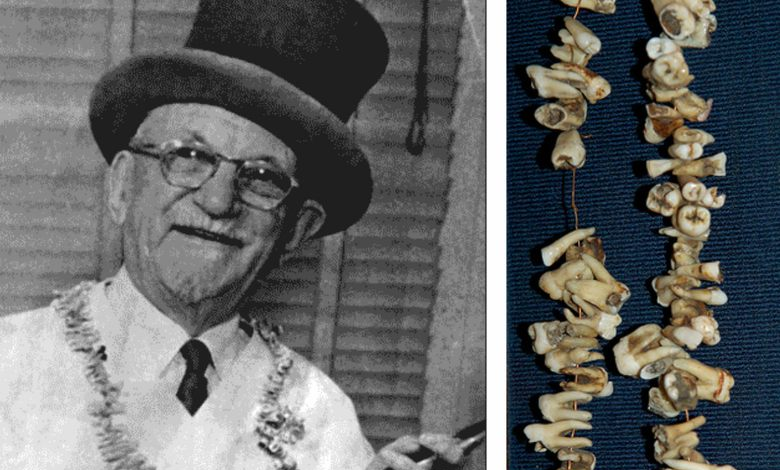
Painless Parker was a street dentist described as "a menace to the dignity of the profession" by the American Dental Association. However, some of the causes he championed, such as accessible dental care and advertising, have since been accepted. He enrolled at the New York College of Dentistry in the 1880s, but before receiving a degree he founded a renegade door-to-door dentistry practice to make tuition. Because of this, he was expelled. He founded a traveling medicine show, eventually known as Parker Dental Circus, and traveled across the North American wilderness on horseback, removing teeth from gold miners and saloon regulars. Parker was its ringmaster, performing dental work with sideshow acts such as elephants, contortionists, trapeze artists, clowns, and a loud brass band that attracted crowds. Parker charged 50 cents for each extraction and promised to pay each patient $5 if the procedure hurt. He numbed patients with a cocaine solution that he called "hydrocaine" and sometimes whiskey. (via Wikipedia)
Recreate the flavor profile of the water used for brewing and baking in dozens of different cities
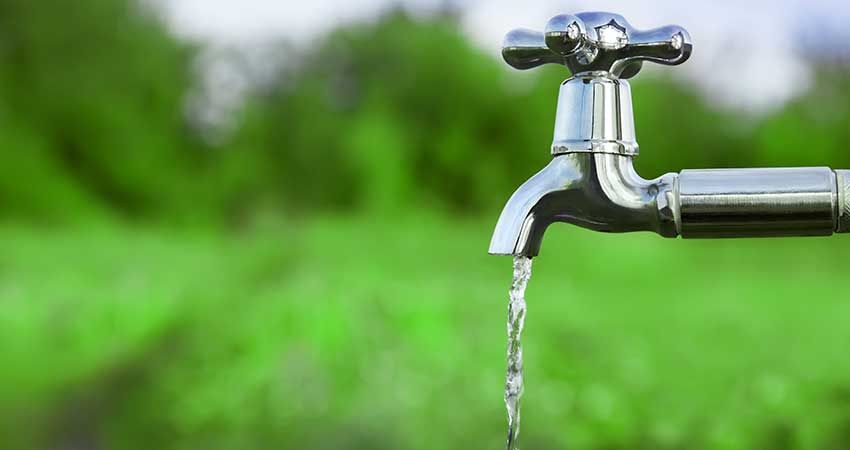
The Water Dictionary is an independent reference for water mineral composition that uses publicly available data. It covers bottled water, tap water, and famous water profiles used in brewing, coffee, baking, and aquariums. The site provides mixing recipes that recreate well-known water profiles using bottled waters available at your local supermarket. You can browse over 130 bottled waters with full mineral breakdowns: 135 bottled waters across 16 markets, 108 with complete 6-ion profiles; 24 target water profiles for brewing, coffee, baking, and aquariums; 1,300+ tap water zones across 19 water companies; 1,500+ pages with mineral data, hardness classification, and guidance. Bottled water mineral data comes from manufacturer labels, official analysis reports, regulatory filings and reference databases. Each profile records its canonical source and date.Tap water data comes from annual water quality reports. (The Water Dictionary)
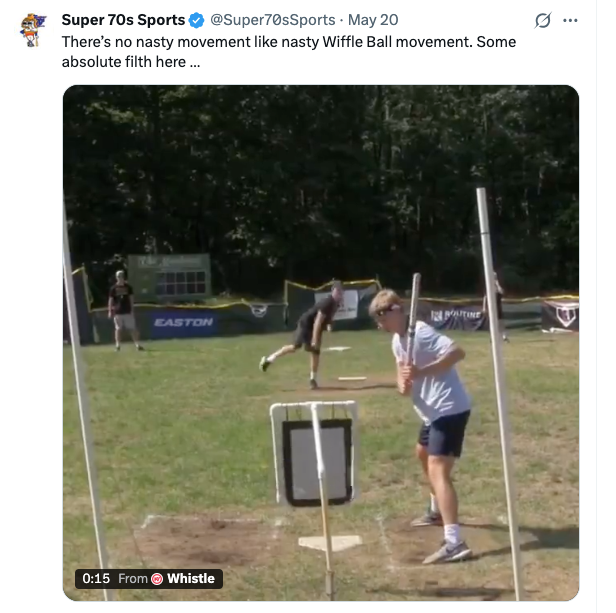
Wiffle ball pitches are almost impossible to hit
Acknowledgements: I find a lot of these links myself, but I also get some from other places that I rely on as "serendipity engines," such as The Morning News from Rosecrans Baldwin and Andrew Womack, Jodi Ettenberg's Curious About Everything, Dan Lewis's Now I Know, Robert Cottrell and Caroline Crampton's The Browser, Clive Thompson's Linkfest and Why Is This Interesting by Noah Brier and Colin Nagy. If you come across something you think should be included here, feel free to email me at mathew @ mathewingram dot com