What it's like growing up with a dad who smuggles cocaine

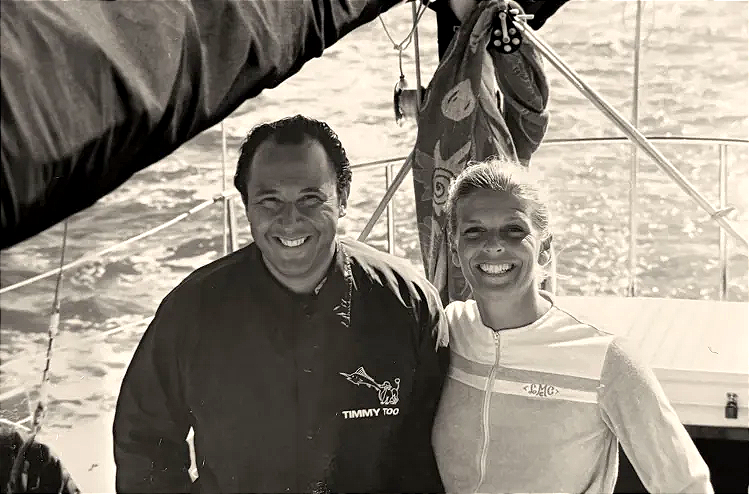
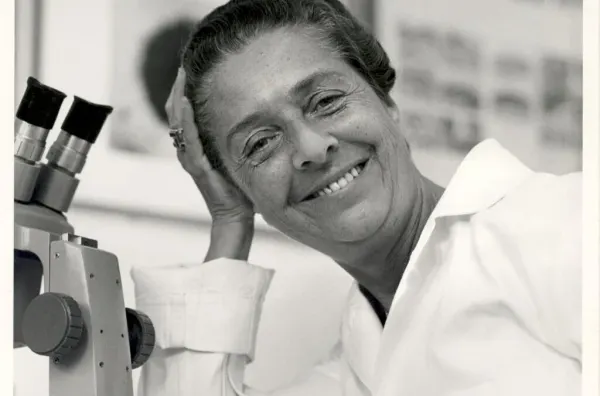
Back in 1984, when Erin was 13, her life seemed perfect. Her father, John H. McCann III, was successful, charming, and funny. Erin and her younger sister, Meredith, who was ten, lived in a Tudor-style mansion in a wealthy suburb of Pittsburgh. There was a swimming pool in their backyard, along with a zip line, a tree house, and a playhouse from FAO Schwarz that looked like a log cabin. Then, one September morning, the doorbell rang. When Meredith opened the front door, two men in suits asked if her parents were home. Leah came downstairs and told the men that she would be right back to speak with them after dropping Meredith at school. By the time Erin and Meredith got home that afternoon, their mother had left town. Leah told her daughters that they wouldn’t be going back to Fox Chapel—not after the weekend, not ever. They would all disappear and start a new life elsewhere, under new names. (via The Atavist)
A Brazilian court has ordered the restoration of Henry Ford's ghost town in the Amazon
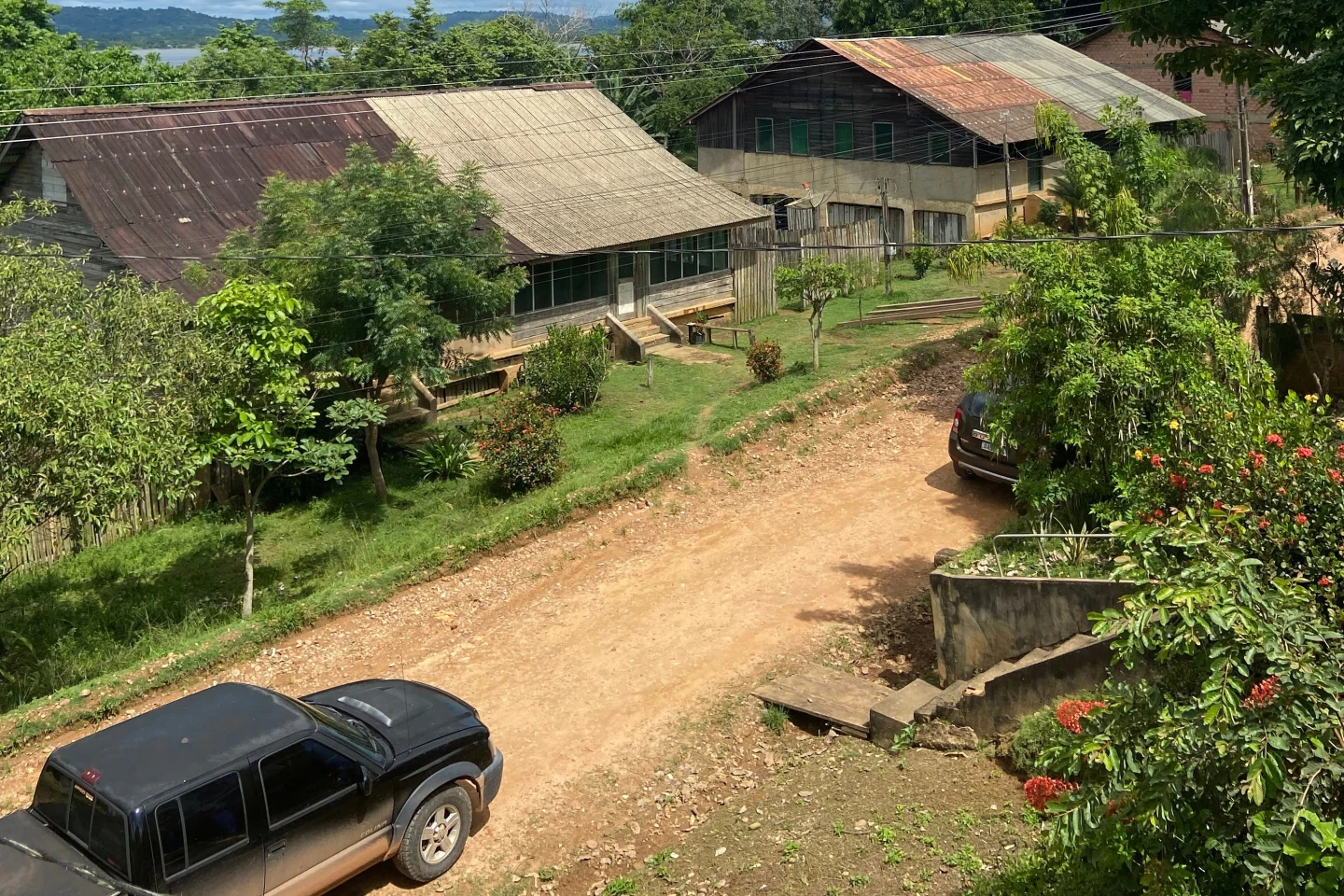
A court in the northern Brazilian state of Pará has ruled that both federal and local officials must act to restore and preserve Fordlandia, a city established nearly a century ago by U.S. industrialist Henry Ford deep in the Amazon rainforest. Fordlandia, now a ghost town and a district of the city of Aveiro, was built in 1927 in Pará by the Ford Motor Co. as a rubber-tapping metropolis intended to secure a steady supply of natural rubber for tires. Designed to resemble an idyllic American suburb, it was once the third-largest settlement in the Amazon region. However, disease ravaged the rubber tree plantations, leading to the city’s abandonment. In 1945, the Brazilian government acquired the site. In 2015, Brazil’s federal prosecutors’ office in Pará sued the country’s Iphan architectural heritage agency and the city of Aveiro for failing to preserve Fordlandia. They also demanded that authorities grant the city protected status. (via AP News)
Here's what life is like in a retirement home for African penguins
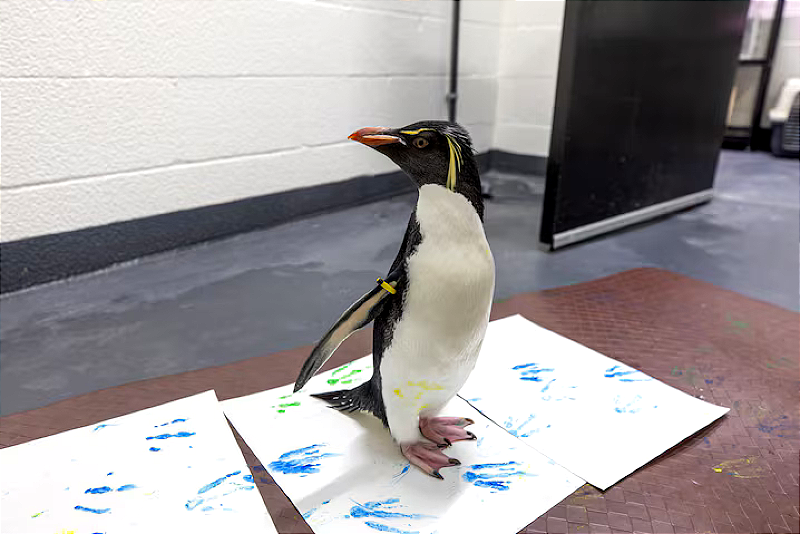
It’s 9:15 a.m. at the New England Aquarium in Boston—breakfast time for the seven African penguins who live on a small, fenced-off island near the aquarium’s front entrance. These are the aquarium’s “retired” African penguins. At the New England Aquarium, some members of the colony are living up to two-and-a-half times longer than the 10 to 15 years they reach in the wild. Seven geriatric seabirds relocated to a separate enclosure in February 2025 as part of the aquarium’s efforts to address the growing number of aging birds. “As the colony aged, it was almost like a joke: ‘Why don’t we open up an old folks' home for them?’” says Eric Fox, the assistant curator of penguins. For all intents and purposes, their separate island really is a “retirement” home. They’re away from the pecking and jostling of the younger birds, although they can still see them. There’s plenty of fish (often stuffed with important medications), physical therapy, and an overall slower pace of life. The only thing that’s missing is bingo. (via National Geographic)
Hi everyone! Mathew Ingram here. I am able to continue writing this newsletter in part because of your financial help and support, which you can do either through my Patreon or by upgrading your subscription to a monthly contribution. I enjoy gathering all of these links and sharing them with you, but it does take time, and your support makes it possible for me to do that. I also write a weekly newsletter of technology analysis called The Torment Nexus.
Study shows that some mosquito repellents can actually attract mosquitoes
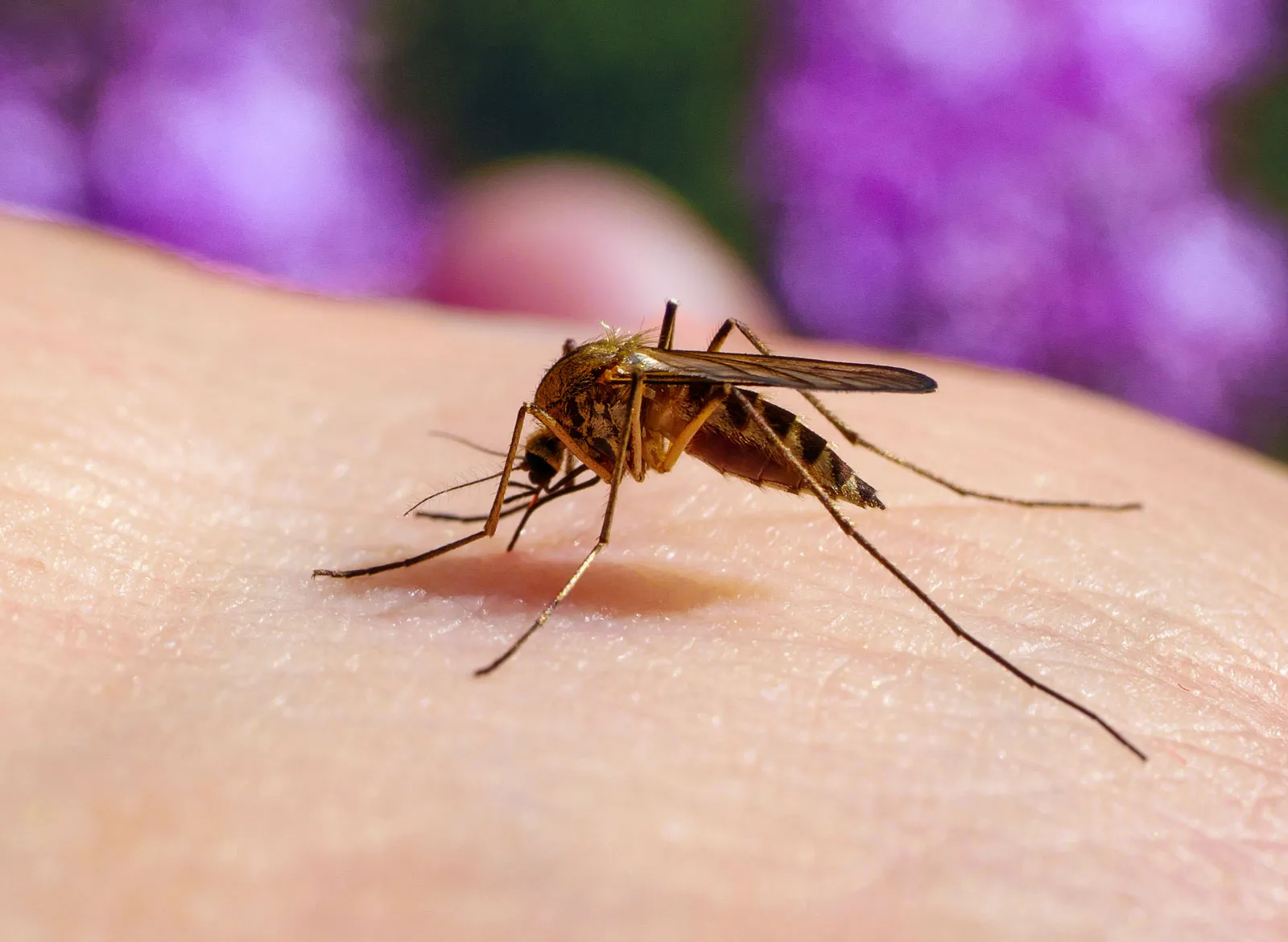
When trying to protect yourself from the pests, you probably douse yourself in bug spray, particularly varieties with the active ingredient DEET. Now, however, researchers have demonstrated that in the lab, mosquitoes can learn to associate off-putting DEET with a blood meal and become attracted to the scent. The findings, described in a study published May 28 in the Journal of Experimental Biology, reinforce that we should regularly reapply insect repellent and highlight what scientists still don’t know about how DEET affects mosquitoes. Although scientists still aren’t sure why mosquitoes dislike bug spray, the new study, along with other recent research, indicates that the insects’ reactions to it are more malleable than once thought, he adds, although this is the first work to find that DEET can draw them in. Lazzari and his colleagues worked with a lab-bred variety. In the wild, this species can carry dangerous viruses, including those that cause yellow fever, dengue, chikungunya and Zika. (via the Smithsonian)
The founder of Folger's Coffee was Benjamin Franklin's first cousin
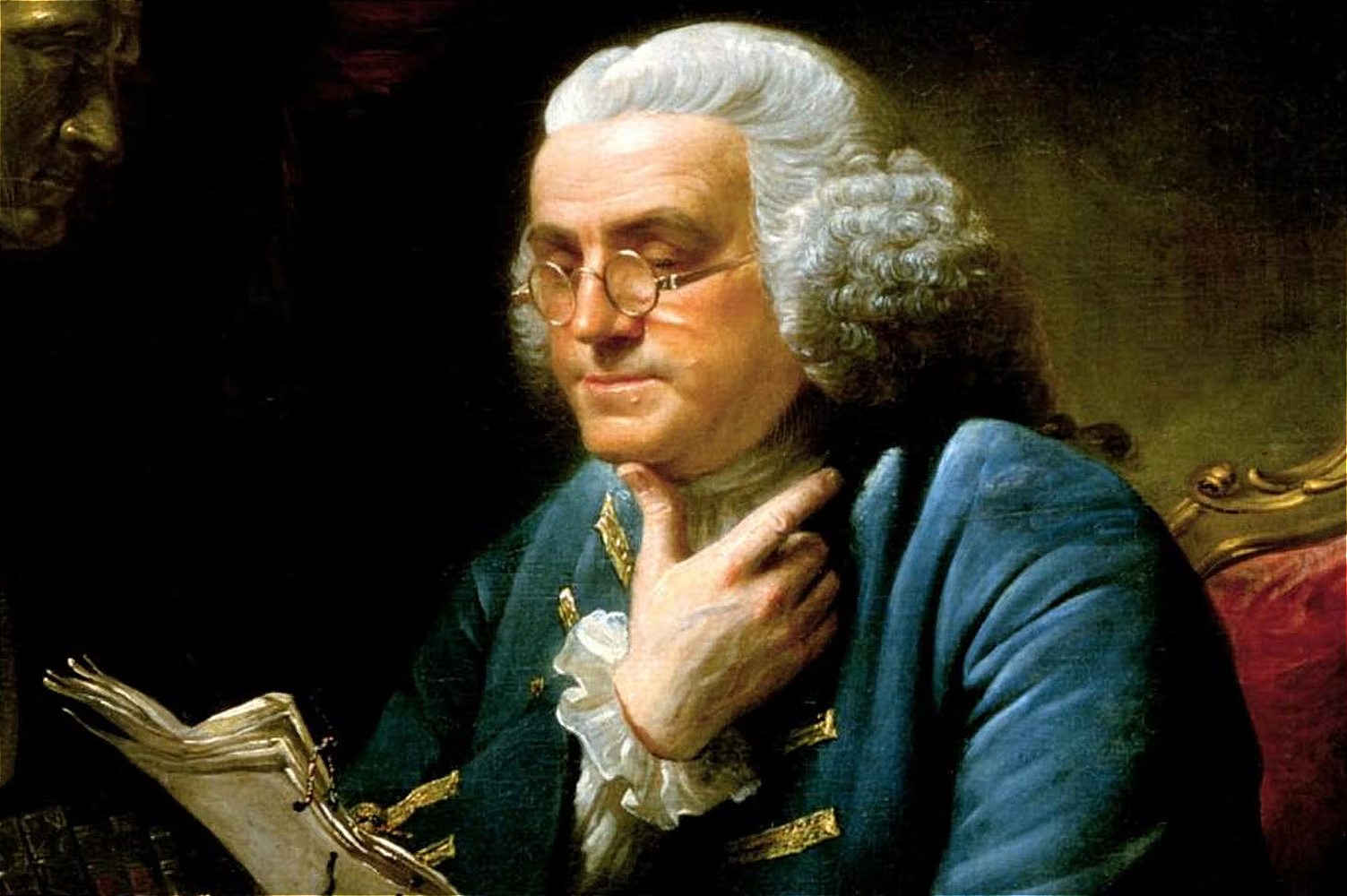
Nantucketers love their coffee, but few know about the island’s serendipitous coffee connection. In 1849, three Folger brothers left Nantucket in search of gold in California. One of the brothers, J.A. Folger, split off and became partners with Pioneer Steam Coffee and Spice Mills, which produced roasted and pre-ground coffee. Folger eventually bought the company and renamed it Folger Coffee Company. The firm grew dramatically and was eventually sold in 1963 to Procter & Gamble and became the top coffee brand in America. The Folger family had, and continues to have, deep roots on Nantucket, leaving an important mark on the island. A prominent whaling family, the Folgers were instrumental in the colonization of Nantucket Island in the Massachusetts colony. Adding to the family lore is the fact that Peter Folger was the maternal grandfather of Benjamin Franklin. As fate would have it, in 1720, Anna Folger married William Starbuck, creating an extraordinary blend. (via N Magazine)
The odds of getting attacked by a kangaroo as you land your parachute are small but not zero

Acknowledgements: I find a lot of these links myself, but I also get some from other places that I rely on as "serendipity engines," such as The Morning News from Rosecrans Baldwin and Andrew Womack, Jodi Ettenberg's Curious About Everything, Dan Lewis's Now I Know, Robert Cottrell and Caroline Crampton's The Browser, Clive Thompson's Linkfest and Why Is This Interesting by Noah Brier and Colin Nagy. If you come across something you think should be included here, feel free to email me at mathew @ mathewingram dot com