A heroic quest to find the best free restaurant bread in the US

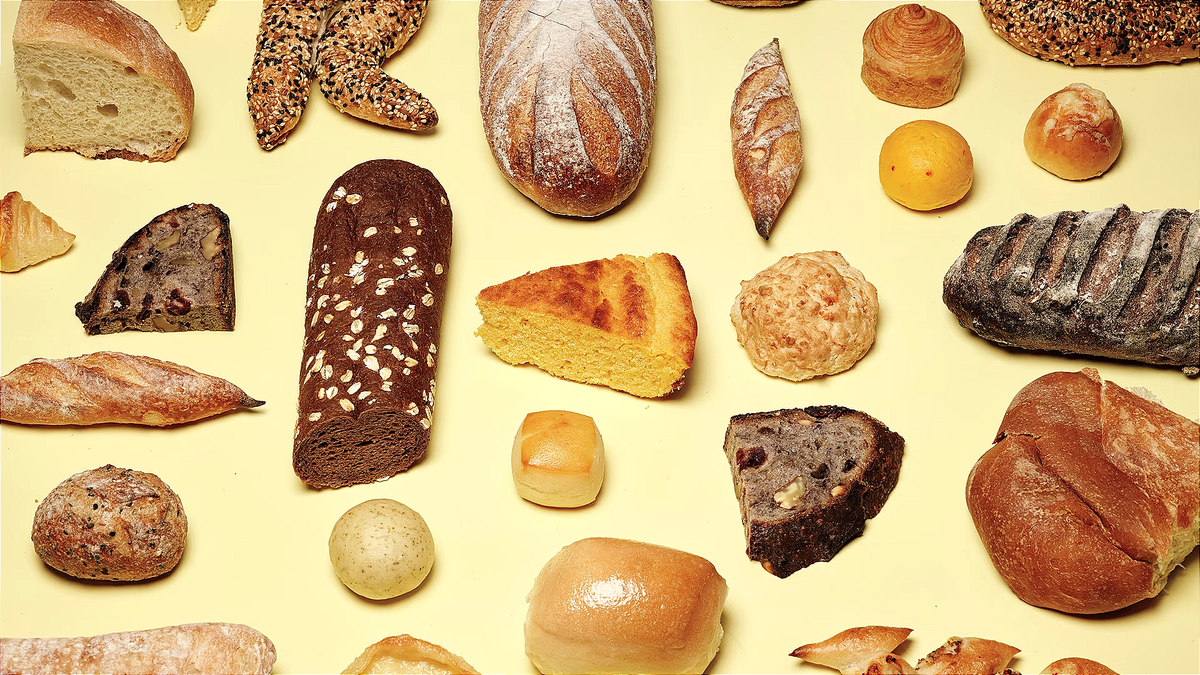
Here is the promise you and I must cling to across the thousands of words that follow: At some point within this text, I will reveal to you what—after 555 responses, 13,000 miles of travel, and months of monomaniacal research—I have determined to be the best free restaurant bread in America. I will not attempt to slither to the moral high ground, arguing that best is a meaningless measure, or insisting that all bread is dear in its own way. Even if you attempt to betray me—for instance, by merely scanning the text that follows for the phrase Here it is: the best free restaurant bread in America—I will uphold my end of the bargain. Though it strikes the ear as an insoluble query, there is a correct answer—right now, known only to God (and to me, an agent of his will), but erelong to the steadfast reader. (via The Atlantic)
A newspaper boy dropped a nickel on the ground and it popped open to reveal a microfilm
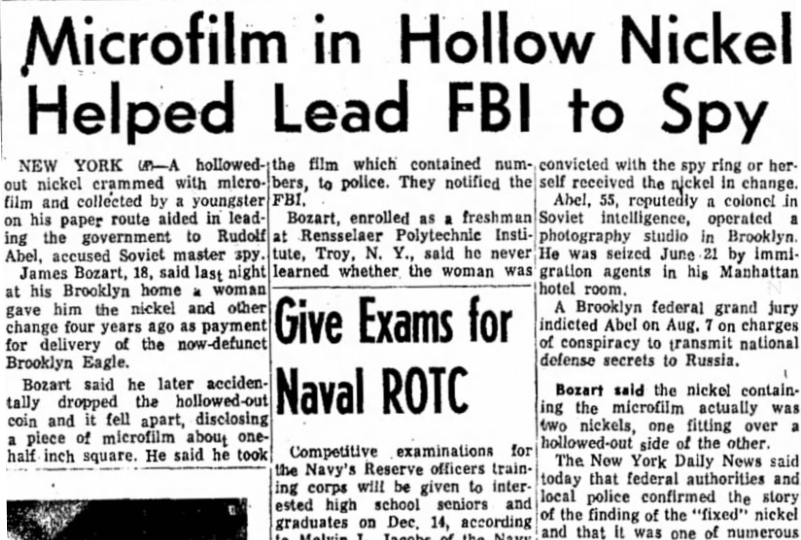
On June 22, 1953, a fourteen-year-old newspaper boy collecting for the Brooklyn Eagle was paid with a nickel that felt too light to him. When he dropped it on the ground, it popped open, revealing that it contained microfilm. The microfilm contained a series of numbers. After agent Louis Hahn of the FBI obtained the nickel and the microfilm, the agency tried to find out where the nickel had come from and what the numbers meant. On the microfilm, there were five digits together in each number, 21 sets of five in seven columns and another 20 sets in three columns, making a total of 207 sets. There was no key for the numbers. The FBI tried for nearly four years to find the origin of the nickel and the meaning of the numbers. It was only when KGB agent Reino Häyhänen chose to defect in May 1957 that the nickel was linked to the KGB. (via Wikipedia)
This famous French author and statesman once tried to steal Cambodian antiquities

The couple had come to Indochina, they explained, on a research trip: They planned to trek into the Cambodian jungle to explore remnants of the Royal Road, the main highway of the Khmer Empire. But the couple were not researchers, and the fieldwork they described was a ruse. The Frenchman, André Malraux, would become one of the 20th century’s cultural giants. He later fought with the Republican Army in the Spanish Civil War; wrote such celebrated novels as Man’s Fate, a sweeping tale of self-sacrifice and betrayal set during the Chinese Revolution; received close to 100 nominations for the Nobel Prize; became a confidant of John and Jacqueline Kennedy, Zhou Enlai and Richard Nixon; and served as France’s influential minister of cultural affairs under President Charles de Gaulle. But even today, Malraux remains an ambiguous figure: heroic and duplicitous, a genius and a rogue. (via The Smithsonian)
Hi everyone! Mathew Ingram here. I am able to continue writing this newsletter in part because of your financial help and support, which you can do either through my Patreon or by upgrading your subscription to a monthly contribution. I enjoy gathering all of these links and sharing them with you, but it does take time, and your support makes it possible for me to do that. I also write a weekly newsletter of technology analysis called The Torment Nexus.
Mothers' bodies contain cells from their children for decades after giving birth
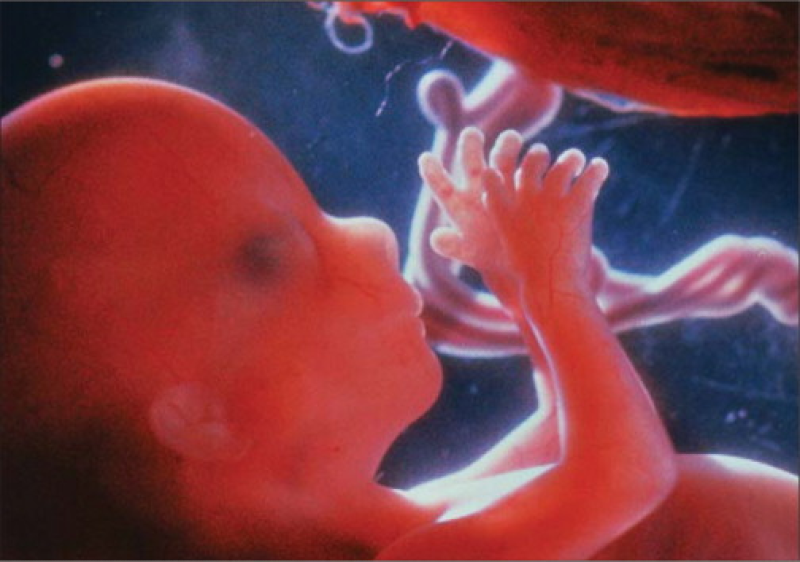
In March 1953, a healthy 28-year-old woman donated blood at a clinic in northern England. As technicians tried to determine her blood type, they could hardly believe what they saw. The woman, identified as Mrs. McK, had both type O and type A red blood cells. The results contradicted a central paradigm of 20th century medicine, which stated that people can only have one blood type — A, B, AB, or O. When asked, Mrs. McK divulged that she had a twin brother who died young. Almost 30 years later, she was still carrying her twin’s cells inside her body. microchimerism refers to the presence of a small number of cells from one individual within another genetically distinct individual. It most commonly occurs during pregnancy when fetal cells escape into the mother’s bloodstream or maternal cells sneak into the placenta. (via Undark)
Fruit flies can survive thirteen times the Earth's gravity new study finds
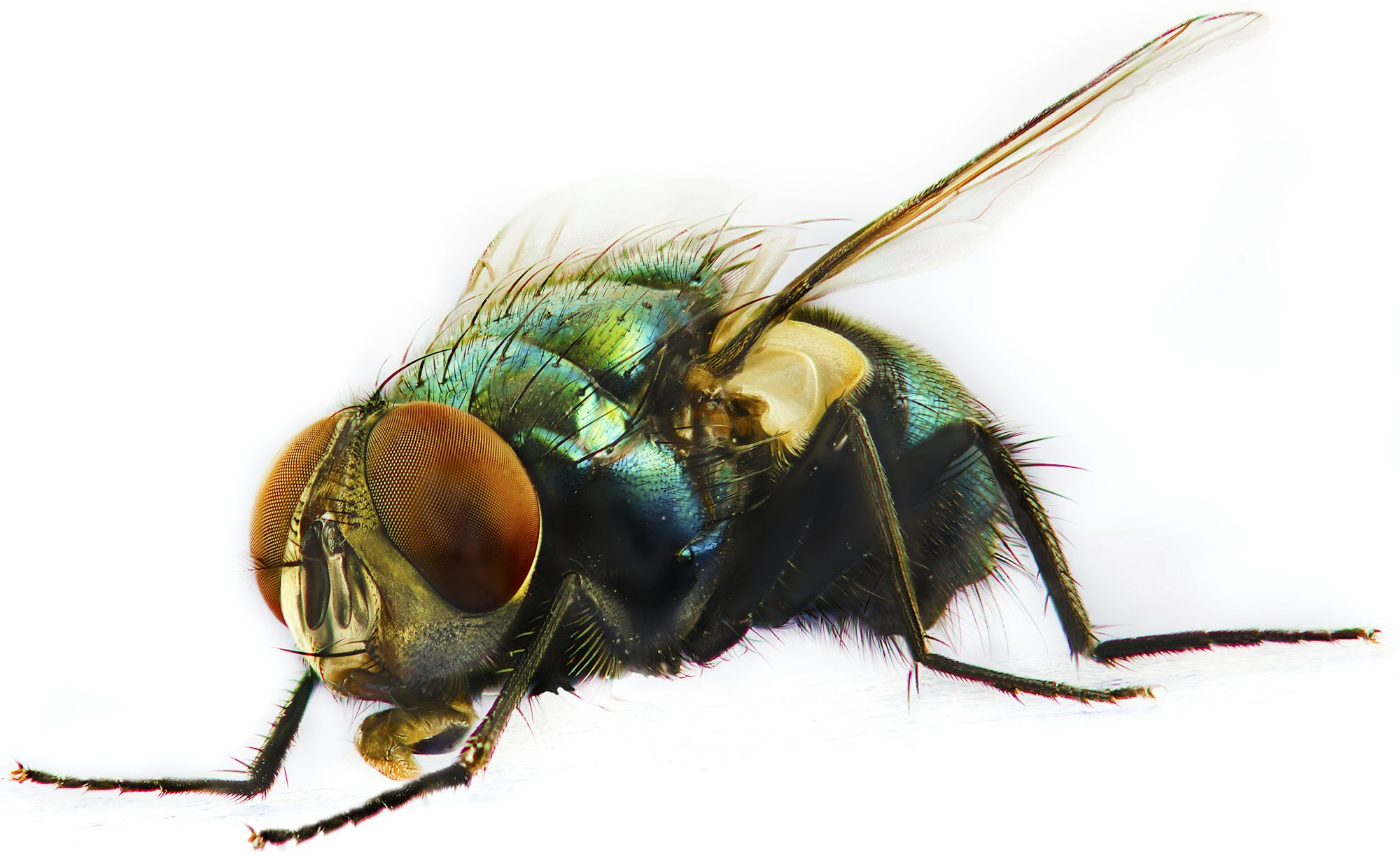
Humans can tolerate only brief bursts of extreme gravitational force. Fighter pilots train to endure high G-loads, but even they struggle beyond 9G. At higher levels, blood drains from the brain, causing blackout within seconds. Sustained exposure remains dangerous and poorly understood, especially during spaceflight and reentry. Now, new research from the University of California, Riverside suggests biology may be more adaptable than expected. Scientists exposed fruit flies to forces as high as 13G using a centrifuge. Instead of breaking down, the insects survived, reproduced, and eventually recovered normal behavior. Researchers used a custom centrifuge to simulate hypergravity. The setup mimicked forces far beyond Earth’s pull. The team tracked movement using infrared sensors and climbing tests. After 24 hours at 4G, flies stayed hyperactive for weeks. Eventually, they returned to normal behavior. (via Interesting Engineering)
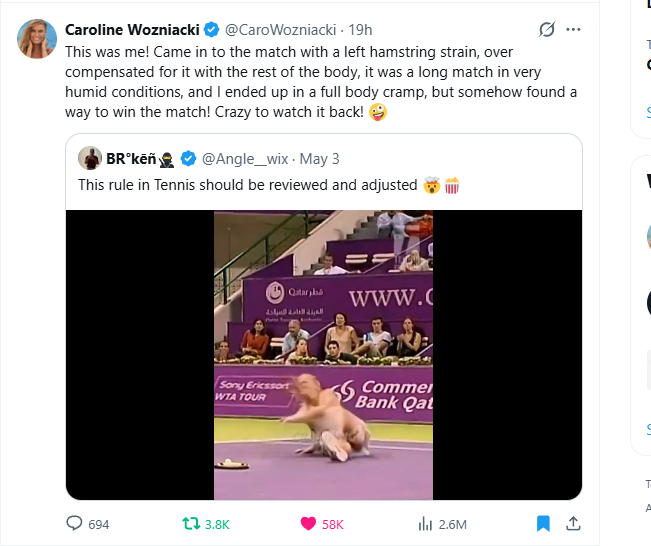
She was forced to play tennis with a crippling hamstring injury and won
Acknowledgements: I find a lot of these links myself, but I also get some from other places that I rely on as "serendipity engines," such as The Morning News from Rosecrans Baldwin and Andrew Womack, Jodi Ettenberg's Curious About Everything, Dan Lewis's Now I Know, Robert Cottrell and Caroline Crampton's The Browser, Clive Thompson's Linkfest and Why Is This Interesting by Noah Brier and Colin Nagy. If you come across something you think should be included here, feel free to email me at mathew @ mathewingram dot com