Secret chambers have been discovered in a Giza pyramid

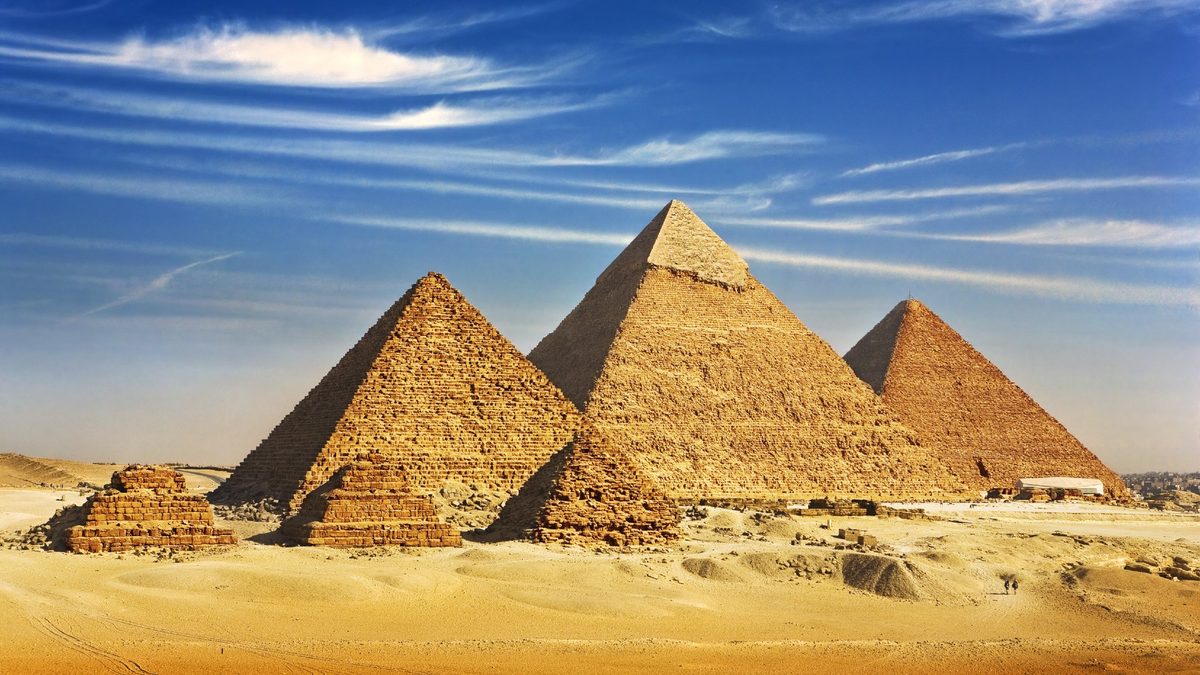
Researchers from Cairo University and the Technical University of Munich (TUM) have located two air-filled spaces within Giza’s Menkaure pyramid that hint at a possible secret entrance. The Menkaure pyramid is the smallest of the three main pyramids on Cairo’s Giza plateau. Built for the Fourth Dynasty ruler Menkaure, it was completed in the 26th century BC. It was excavated between 1906 to 1910, but has not been fully explored since then. Working within the ScanPyramids project, the research team used non-invasive ground-penetrating radar, ultrasound, and electrical resistivity tomography (ERT) to confirm the presence of voids behind this area. Their discovery supports the theory, suggested by researcher Stijn van den Hoven in 2019, that a second entrance might exist at that location. In 2023 it found a previously undiscovered corridor at the Great Pyramid of Giza using advanced scanning techniques. (via Art News)
Researchers built an AI chatbot that only knows the world before 1931
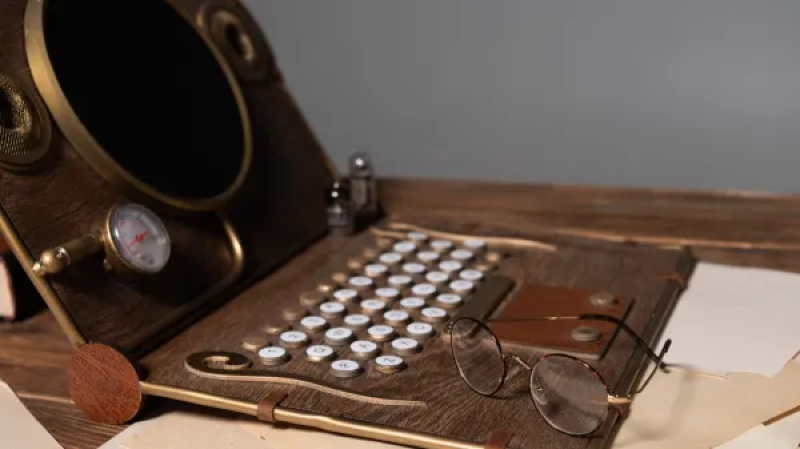
The internet’s chatbots have read every forum rant, leaked Slack log, and confident blog post your uncle ever wrote about chemtrails. The results are predictable: they reflect the state of the internet, and it isn’t pretty. Wouldn’t it be nice if we had a chatbot that only draws on knowledge from before the internet, reality TV, or AI-slop content ever existed? Three researchers have created just that: a chatbot that hasn’t read anything published after 1930. Talkie is a 13-billion-parameter language model trained on digital scans of English-language texts published before the end of 1930. That cutoff aligns with the current US public domain year, meaning anything published until the end of that year is fair game and there are no lawsuits from irate IP-holders to worry about. You can download it from GitHub or chat with it through a web interface (via Malwarebytes)
Close to 200,000 bees were living in the spires of Notre Dame when it caught fire
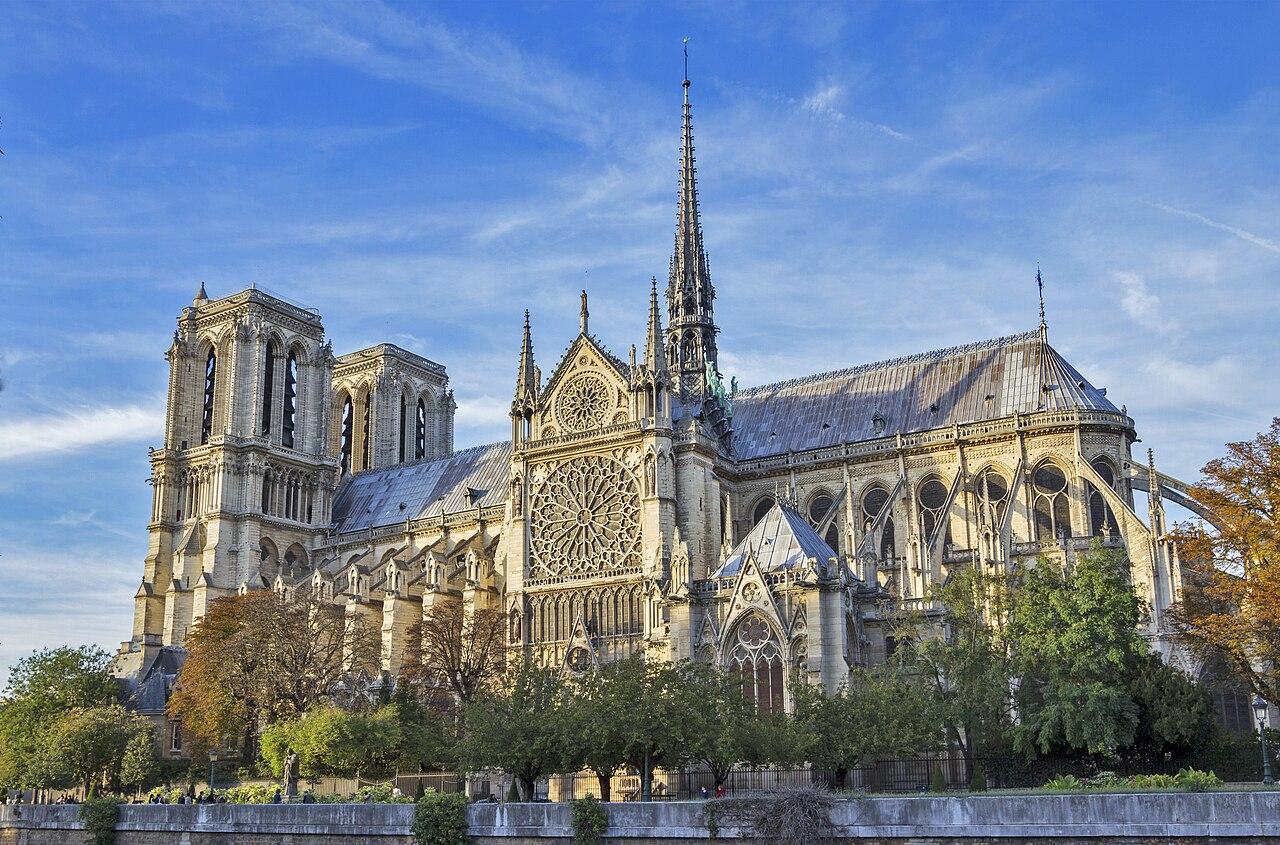
The whole world was shocked to learn about the sudden fire that engulfed the spires of Paris’ 850-year-old cathedral. Everything from the glass mosaics to the towering wooden spires were impacted by the blaze. Some of these historic features will never be recovered; the use of glass mosaics have been featured in churches 300 years before the birth of Christ. The central spire was built over 200 years ago. However, few knew about the tiniest residents living atop the tower: the bees. It had always been a dream of Parisian resident Nicolas Géant to house his bees in the most scenic location in Paris. He said he always wanted to establish hives on the roof of the “most beautiful Church in the world." In 2012, his vision came to life and he began working with the cathedral. At the time of the fire, more than 180,000 bees were kept there. (via The Daily Objectivist)
Hi everyone! Mathew Ingram here. I am able to continue writing this newsletter in part because of your financial help and support, which you can do either through my Patreon or by upgrading your subscription to a monthly contribution. I enjoy gathering all of these links and sharing them with you, but it does take time, and your support makes it possible for me to do that. I also write a weekly newsletter of technology analysis called The Torment Nexus.
He made counterfeit one-dollar bills and it took the Secret Service a decade to find him
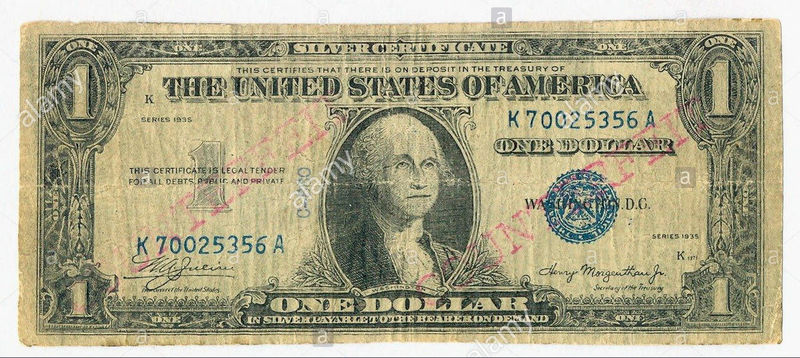
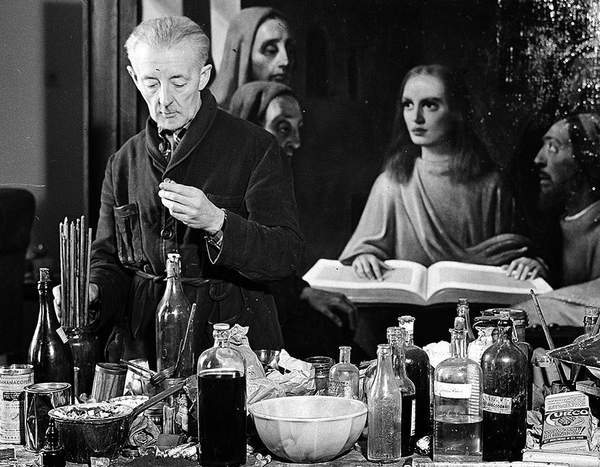
Counterfeiters have always been portrayed as master forgers and artists who reproduced banknotes with astonishing precision. They were often shown as vast criminal enterprises and gangsters who destabilized economies with fake currency. Then there was Emerich Juettner, a frail old immigrant living alone in a shabby New York apartment, quietly printing one-dollar bills on a cheap hand press. He was, by almost every conventional standard, terrible at counterfeiting. And yet he succeeded for nearly a decade. By the time the United States Secret Service finally caught Juettner in 1948, he had become kind of folk hero. Juettner’s fake notes were laughably crude. He produced them using inexpensive materials and primitive techniques in his apartment kitchen. The paper was wrong. The ink was poor. Some notes even had spelling errors. But Juettner understood that almost nobody examines a one-dollar bill closely. (via Amusing Planet)
Identical twin sisters became famous for doing courtroom sketches at the Watergate trials
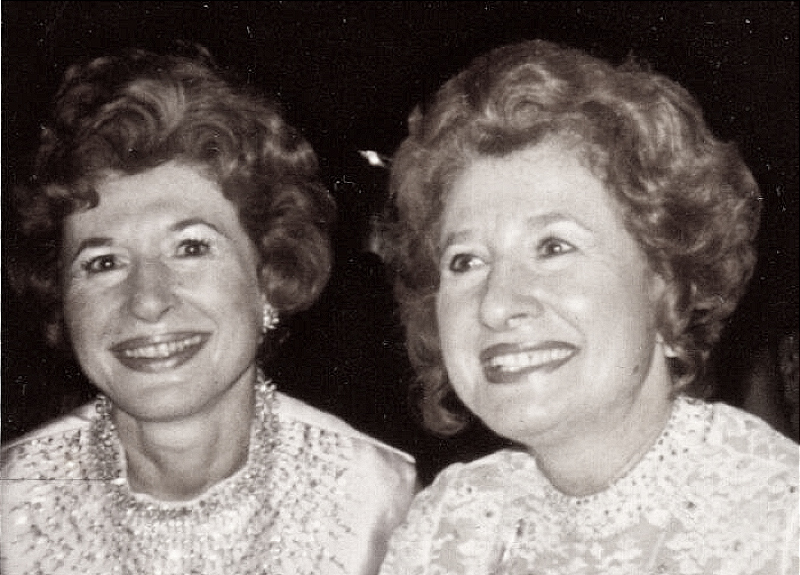
Freda L. Reiter is one of a number of talented women artists who worked as courtroom illustrators, a group that also included her equally successful twin sister, Ida Libby Dengrove. Even in childhood, Freda Leibovitz and her mirror twin sister, Ida – one was left handed and the other right-handed – were acclaimed for skilled drawings from life; by age 12, they were spending summers selling portraits at the Cape May resorts on the Jersey Shore. In 1949, Freda discovered courtroom illustration working for ABC-TV in 1966. Ida was hired by rival NBC-TV in 1972. According to family legend, tensions led to a complete break during the Watergate trials. The rupture was apparently brought on when the Associated Press asked John Mitchell which of the two artists, Ida or Freda, he preferred. The Attorney General injudiciously replied that Ida was not only a much better artist but also looked ten years younger than Freda. (via Gallery 98)
Some incredible footage of an extremely destructive tornado

Acknowledgements: I find a lot of these links myself, but I also get some from other places that I rely on as "serendipity engines," such as The Morning News from Rosecrans Baldwin and Andrew Womack, Jodi Ettenberg's Curious About Everything, Dan Lewis's Now I Know, Robert Cottrell and Caroline Crampton's The Browser, Clive Thompson's Linkfest and Why Is This Interesting by Noah Brier and Colin Nagy. If you come across something you think should be included here, feel free to email me at mathew @ mathewingram dot com