You may be a risk-taker because of this parasite that lives in cats

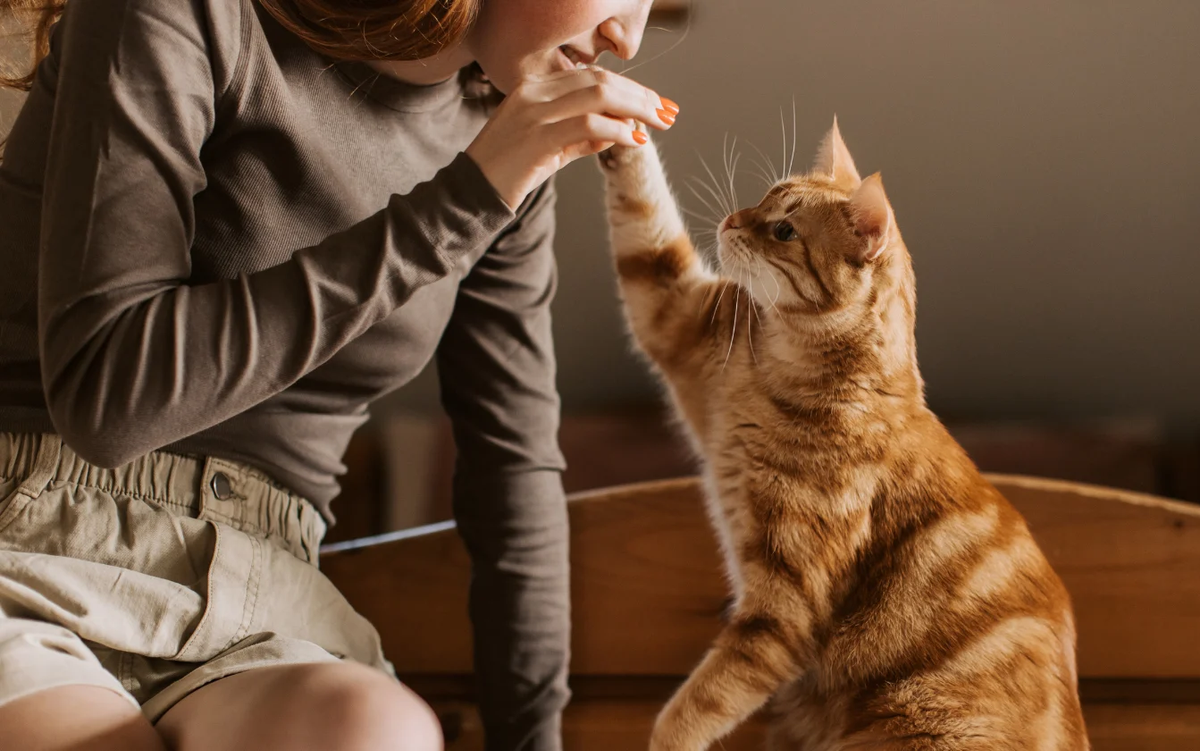
The organism in question is a protozoan, meaning a single-celled animal, and it’s called Toxoplasma gondii. It’s one of the most successful parasites on the planet. Depending on which country’s serology data you look at, somewhere between eleven per cent of Americans, thirty per cent of the world’s population, and above eighty per cent of the historic French are estimated to be carrying it right now. Most of them have no idea. Most of them never will. In immunocompetent adults, latent Toxoplasma infection produces no measurable symptoms for the rest of the person’s life. But it does something almost nobody knows about, which is that it settles into the brain and stays there, forming small cysts of dormant parasite cells inside the neurons and glia of its human hosts, and quietly doing whatever it’s doing to the tissue around them. What that is, in rodents, has been extensively documented. What it might be, in humans, is one of the more interesting open questions in modern neurobiology. (via Space Daily)
"Mad honey" made in Nepal will stop your heart if you eat too much of it
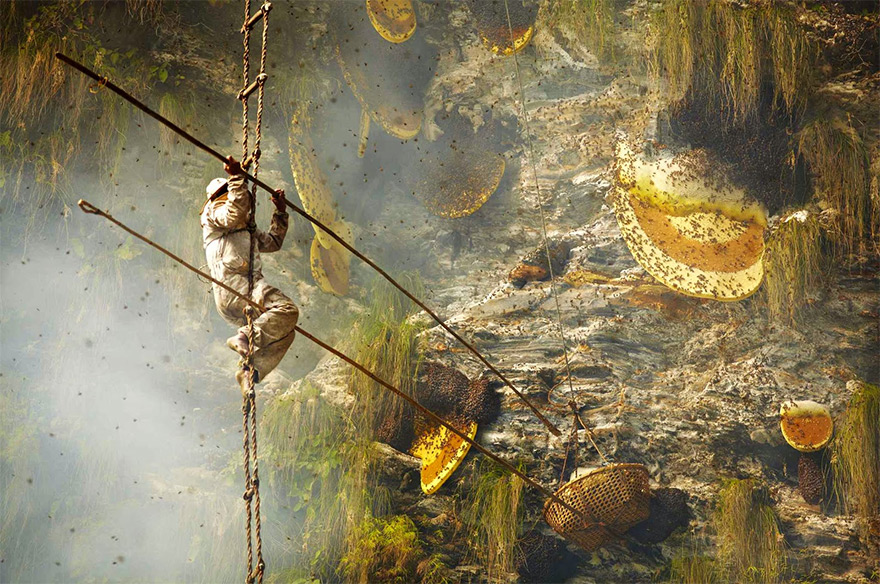
A few months ago, a friend of mine told me that his father-in-law had been rushed to the hospital after eating some wild honey brought back from the hills of Nepal. Within about 30 minutes, his heart rate had dropped dangerously low and his blood pressure had collapsed. He recovered, but the episode was terrifying for the whole family. As a chemical ecologist from Nepal, I knew immediately what had happened. My friend’s father-in-law had eaten wild honey, known locally as “bhir mauri ko maha,” from the Himalayan cliff bee. These bees forage on rhododendron flowers that carry a natural toxin called grayanotoxin. As bees collect the nectar, the toxin ends up concentrated in the honey. This is what’s now popularized worldwide as “mad honey.” Eat a teaspoonful and you might feel pleasantly warm and slightly light-headed. Eat more than a few tablespoons and your heart rate can drop to life-threatening levels. The Gurung people of Nepal have built up knowledge of safe doses over generations. (via The Conversation)
For 16 years he lived alone on a tiny Pacific island with just his cats
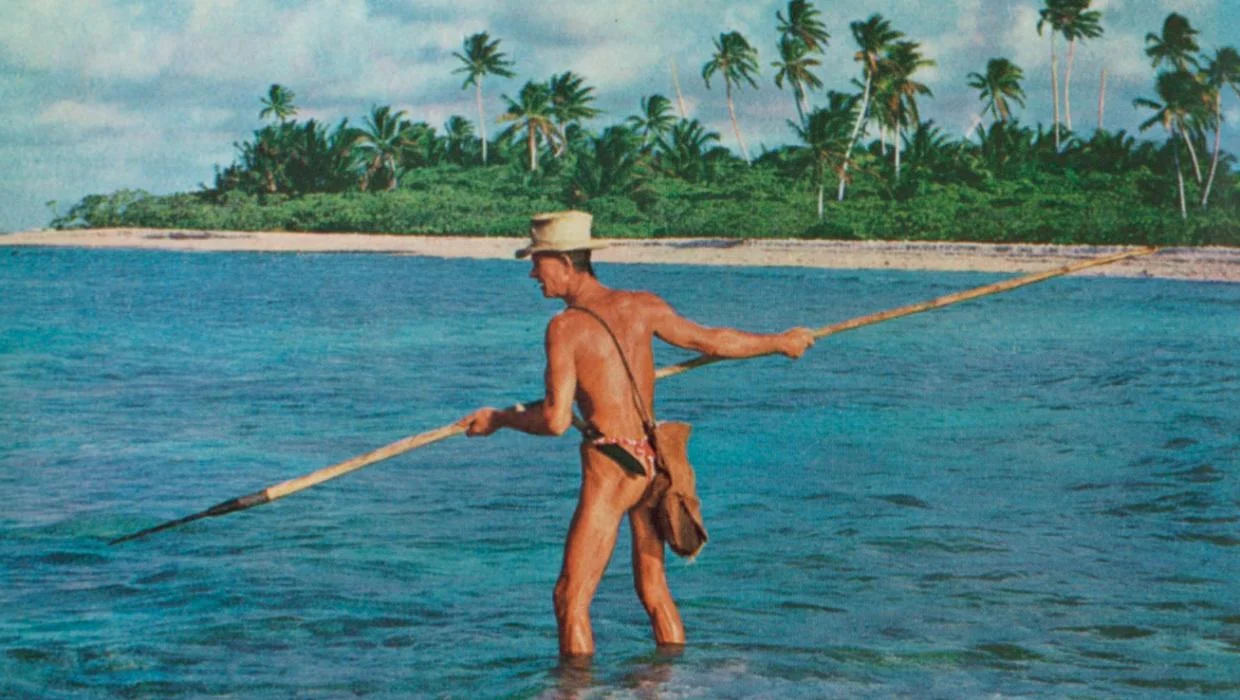
Tom Neale was dumped by boat on a tiny atoll in the Pacific, where he lived alone for 16 years. Neale, a New Zealander, rode out violent storms in a rickety shack, ate a diet heavy on fish and coconuts, and wore nothing but a loincloth. But Neale did not land on the atoll by accident or during a terrible storm. Formerly a shopkeeper, Neale became fixated on the tiny Cook Island atoll of Suwarrow in 1943, when author and traveler Robert Frisbie spoke of it to him after visiting. To prepare for his stay, which he envisioned would last for years, Neale stockpiled supplies. On the nearby island of Rarotonga, he perplexed store owners by buying their entire inventories of flour, sugar, kerosene, and coffee beans. Neale politely refused the advances of several women who asked to accompany him, suspecting it would not be long before he came to resent their company. He did, however, choose two nonhuman companions: a cat named Mrs. Thievery (named for her favorite hobby), and her kitten, Mr. Tom-Tom. (via Slate)
Hi everyone! Mathew Ingram here. I am able to continue writing this newsletter in part because of your financial help and support, which you can do either through my Patreon or by upgrading your subscription to a monthly contribution. I enjoy gathering all of these links and sharing them with you, but it does take time, and your support makes it possible for me to do that. I also write a weekly newsletter of technology analysis called The Torment Nexus.
Famous explorer Ernest Shackleton's secret weapons were cocaine and caffeine
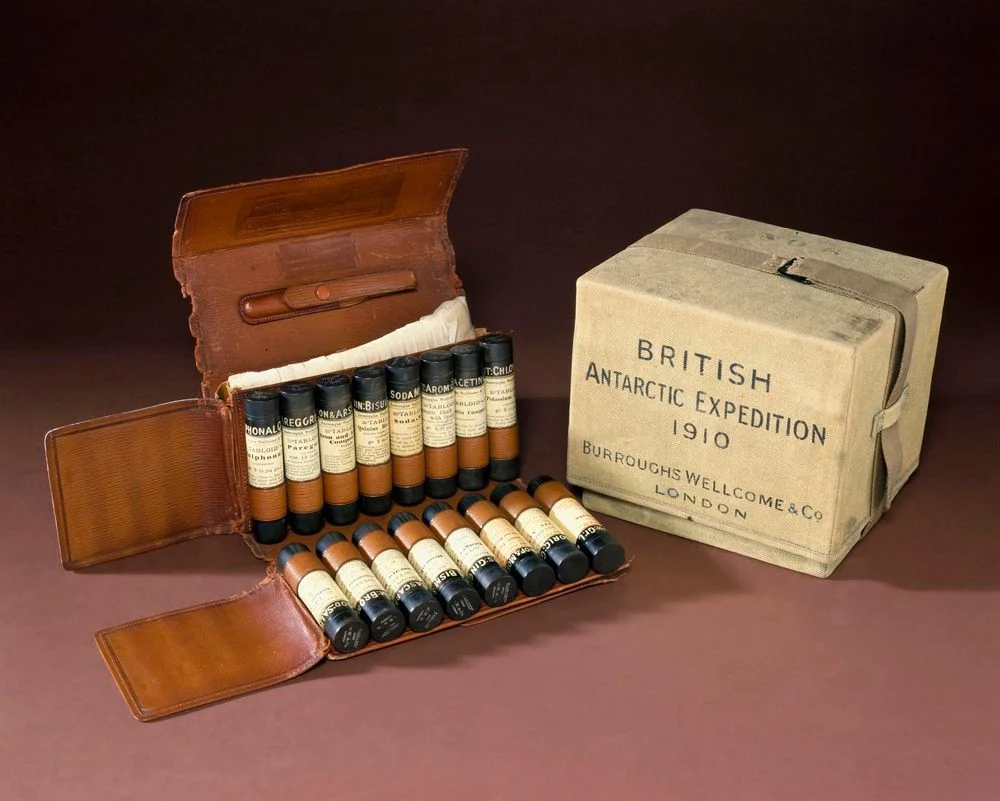
In 1907 Sir Ernest Henry Shackleton led his first of three expeditions to the Antarctic. The aim of the trip was to be the first expedition team to reach the South Pole. Shackleton and his team would eventually be forced to turn back just 97.5 nautical miles short of their target, but the mission was still widely considered a success. Shackleton’s medical kit for the Nimrod expedition was made by Burroughs & Wellcome Co. of London - and contained a variety of quirky treatments. The kit included a glass thermometer, bandages, plasters, safety pins, a tube of Hazeline cream and sewing needles, held together in a leather wallet. There were also sixteen tubes of medicine. Perhaps most intriguing were the Forced March tablets, which were were made from a combination of cocaine and caffeine. The idea was to provide a boost to anyone drastically in need of some energy. If taken once an hour 'when undergoing continued mental strain or physical exertion', it promised to prolong powers of endurance and curb appetites.” (via Much Better Adventures)
The US government's most important color is Federal Standard 595 Color No. 33446
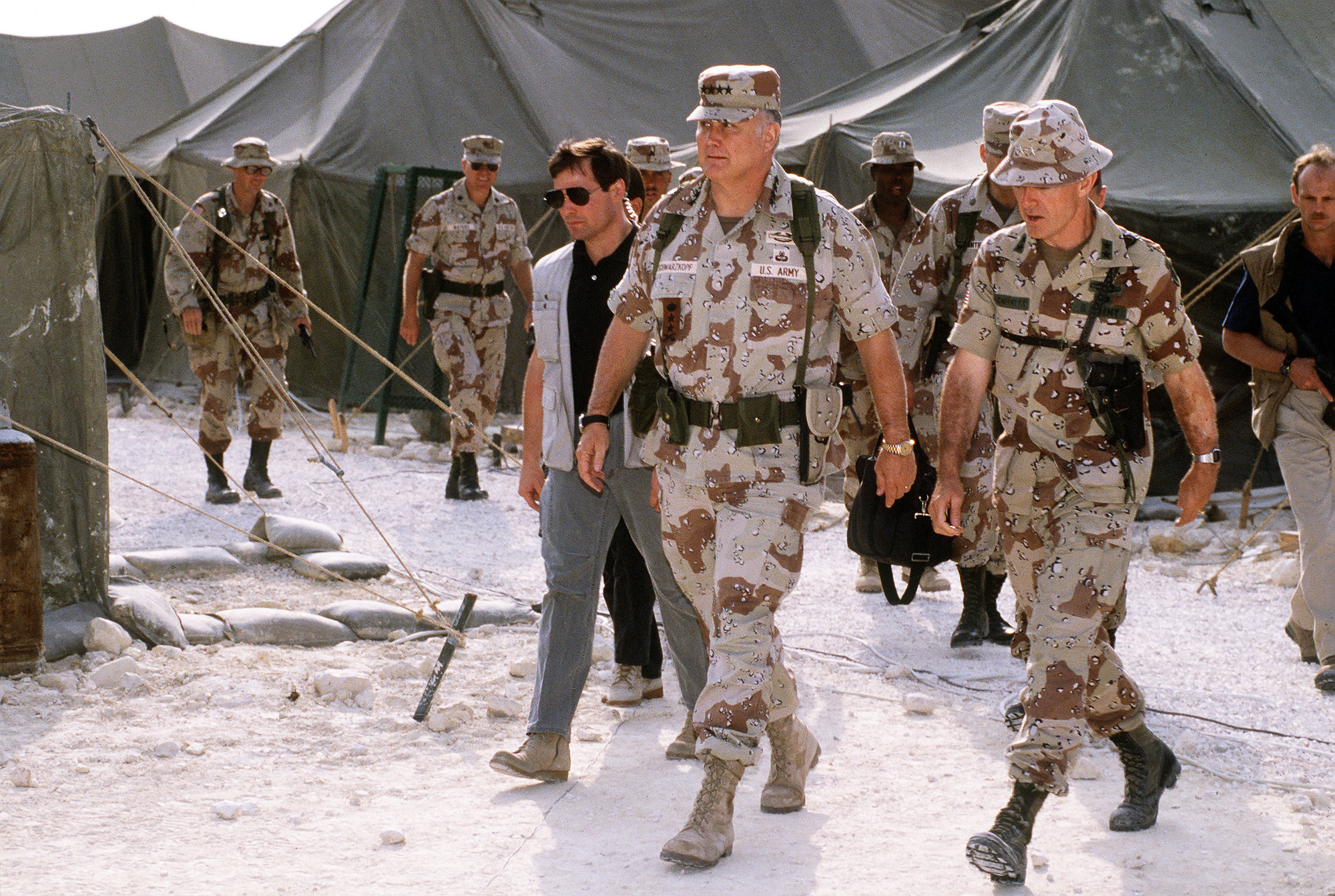
The color that has come to signify America in today’s combat theaters isn’t the red, the white, or the blue picked by Betsy Ross, but an ignoble sandy hue commonly referred to as desert tan and officially identified as Federal Standard 595 Color No. 33446. The color came of age in December of 1990, when, according to military lore, Gen. Norman Schwarzkopf, then stationed in Saudi Arabia as commander-in-chief of the US Central Command, got a new pair of shoes: prototype combat boots, size 11.5R, which he unboxed, examined, and hurled at the soldier who delivered them. Photographs of the conflict—ones taken between August 1990 and January 1991—show transport vehicles, trucks, tanks, tents, and soldiers covered in Vietnam-era olive drab and a three-color woodland camouflage that sticks out from the desert like a pickle on hummus. Schwarzkopf wasn’t having it. Shortly after throwing that pair of shoes, he ordered stateside manufacturers to develop all-cotton desert camouflage combat uniforms and paint all vehicles bound for the Persian Gulf desert tan. (via The Morning News)
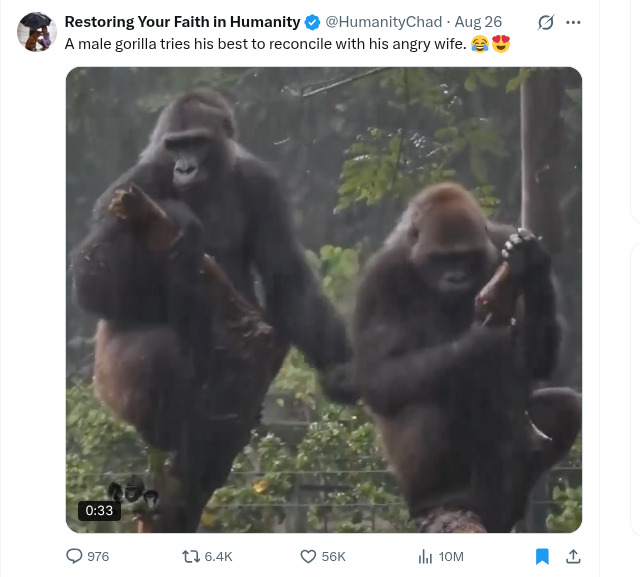
A male gorilla refuses to stop trying to get his mate to forgive him
Acknowledgements: I find a lot of these links myself, but I also get some from other places that I rely on as "serendipity engines," such as The Morning News from Rosecrans Baldwin and Andrew Womack, Jodi Ettenberg's Curious About Everything, Dan Lewis's Now I Know, Robert Cottrell and Caroline Crampton's The Browser, Clive Thompson's Linkfest and Why Is This Interesting by Noah Brier and Colin Nagy. If you come across something you think should be included here, feel free to email me at mathew @ mathewingram dot com