Who buried $10M in gold coins found by a California couple?

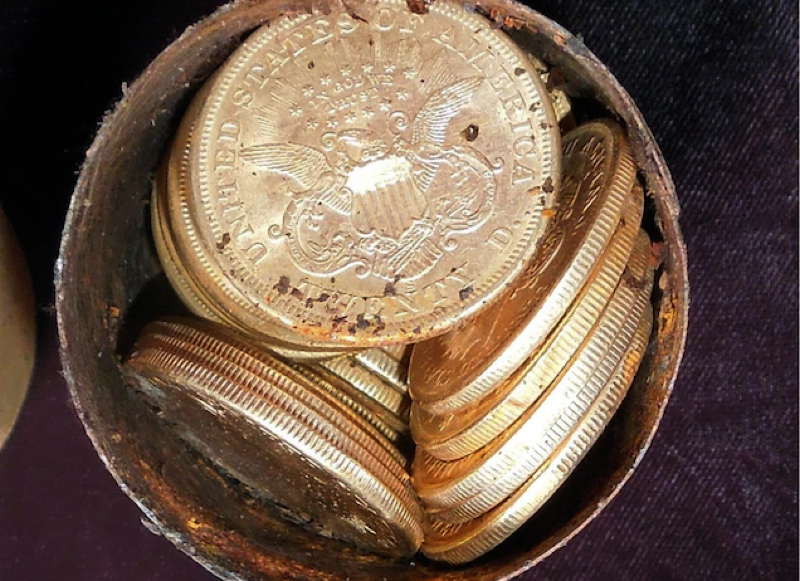
The dream of discovering buried treasure came true for a California couple who found a real pot of gold while walking their dog. The largest such hoard ever found in the U.S. is comprised of 1,411 gold coins, minted between 1847 and 1894, worth an estimated $10 million in today's market.The coins are now known as the Saddle Ridge Hoard, after a feature on the couple's property. Both the location of the land and the couple's identity are being kept secret. According to an interview given to the coin company that will market the hoard, the discovery was made on a path they had used for years. Spotting the side of a rusted can barely emerging from a hillside, they dug it out with a stick and carried it home. Subsequent trips to the site turned up several more treasure-filled cans. Most of the coins are $20 gold pieces, known as double eagles. All of those were made at the San Francisco mint, founded in 1854 to process the nuggets that prospectors were finding in the newly discovered California gold fields. (via National Geographic)
The famous Stanford prison experiment didn't show what everyone thinks it did
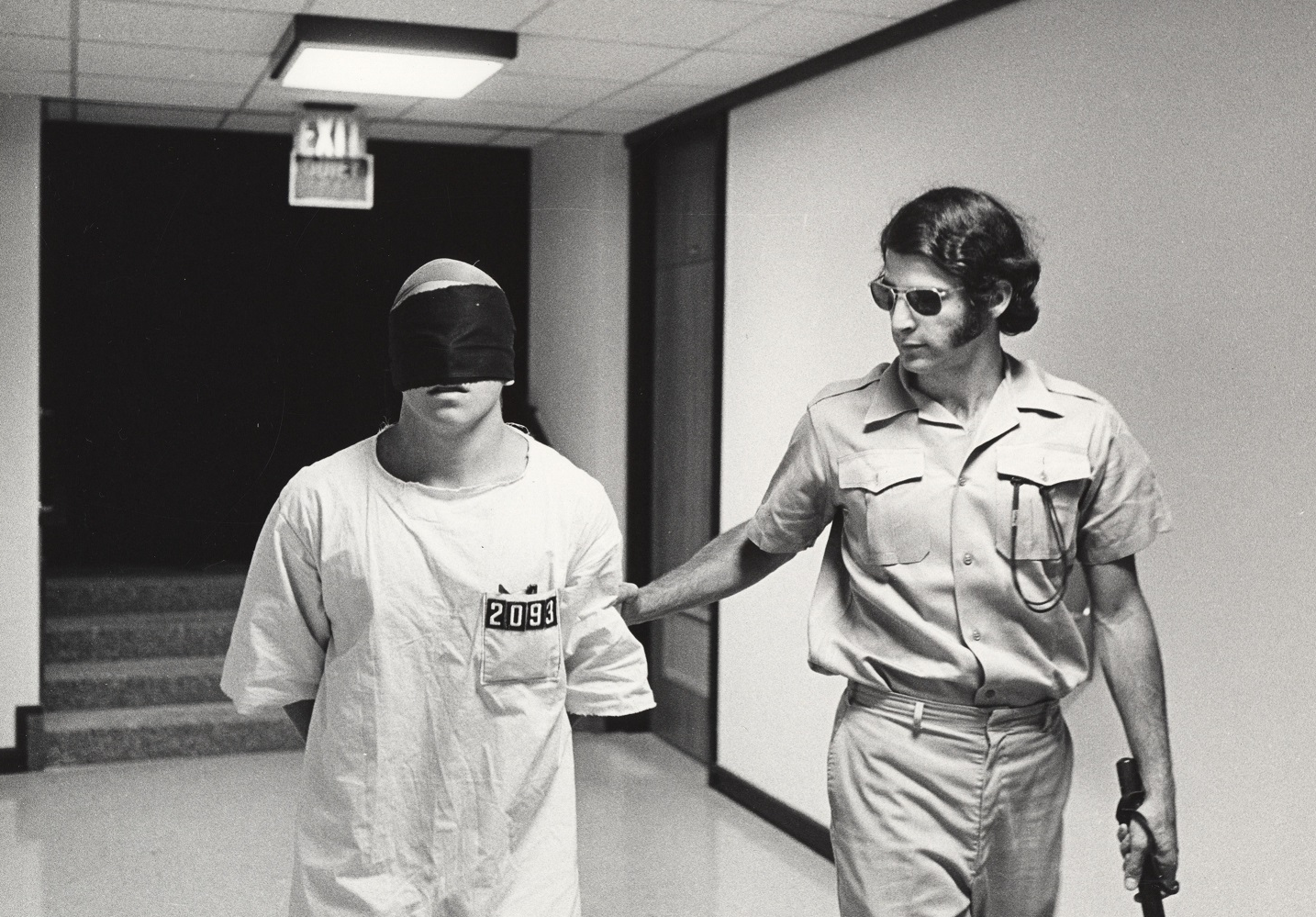
It’s true that Zimbardo’s famous prison experiment is one of the two or three most famous experiments in the history of psychology. But it’s not true that it’s depicted in all introductory psychology textbooks. I’m the author of one such textbook. One of the questions I’m frequently asked about the book by professors who teach from it is, “Why don’t you include Zimbardo’s prison experiment like all other textbook authors do?” Here’s why. I read carefully the original report on the experiment by Zimbardo and his colleagues, and I also read a methodological critique of it by Ali Banuazizi and Siamak Movahedi After reading both, and thinking carefully about them, I decided that I could not in good conscience present the experiment with its usual interpretation. I decided to omit it completely (a decision I made also concerning many other research studies that in my mind were poorly conceived and improperly interpreted). In the years since then, I have found some new evidence that validates my original decision. (via Psychology Today)
The last execution for heresy as part of the Spanish Inquisition was in 1826
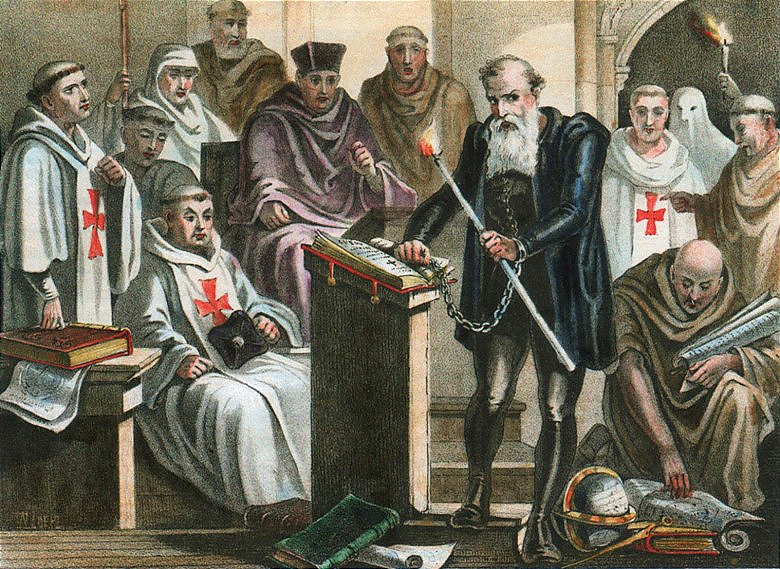
The Tribunal of the Holy Office of the Inquisition was authorized by Pope Sixtus IV in 1478. Over the course of the Inquisition, it prosecuted an estimated 150,000 people for various offences. Of these, an estimated 3,000–5,000 were turned over to the state for execution, particularly in the initial 50 years, mostly by burning at the stake. Other punishments included penance and public flogging, exile, enslavement on galleys, and prison terms ranging from several years to life imprisonment. During Charles IV's reign (1788–1808), despite fears sparked by the French Revolution, several factors hastened the Inquisition's decline. The Inquisition was abolished during Napoleon's rule, however, Ferdinand VII restored it on 1 July 1814. The Inquisition was abolished again during the Trienio Liberal (1820–1823), but it persisted informally during the Ominous Decade, established in dioceses by Ferdinand VII. The last execution for heresy, of schoolteacher Cayetano Ripoll for teaching deist principles, occurred on 26 July 1826 in Valencia. (via Wikipedia)
Hi everyone! Mathew Ingram here. I am able to continue writing this newsletter in part because of your financial help and support, which you can do either through my Patreon or by upgrading your subscription to a monthly contribution. I enjoy gathering all of these links and sharing them with you, but it does take time, and your support makes it possible for me to do that. I also write a weekly newsletter of technology analysis called The Torment Nexus.
Japanese 10-year-old shows butterflies retain memories from before metamorphosis

Typical children going to an elementary school in Japan mostly spend their free time studying, playing baseball or reading all the manga they can get their hands on. But Jo Nagai, a ten-year-old resident of Kobe, Japan decided to spend his spare time hand-raising swallowtail butterflies. As he cared for them, he noticed a particular heartwarming behaviour. Once he released them into the wild, the butterflies would linger for a bit in the air and then fly right back to him. The observation sparked a curious question in the boy's mind: Did his butterflies actually remember him? Jo trained a small group of his caterpillars to associate the scent of aromatic lavender oil with the vibrating stimulus. Determined to find an answer, Jo started looking online for scientific studies that might correlate to his question. The answer came in the form of Dr. Martha Weiss, a renowned entomologist at Georgetown University who had previously studied whether moths could retain memories from their caterpillar days. In a recent Radiolab podcast, Dr Weiss recounted how the then second-grader penned a detailed four-page letter to her. Delighted by his curiosity, she wrote back. (via Times of India)
This is why some streets in St. John's Newfoundland don't have a Number 19
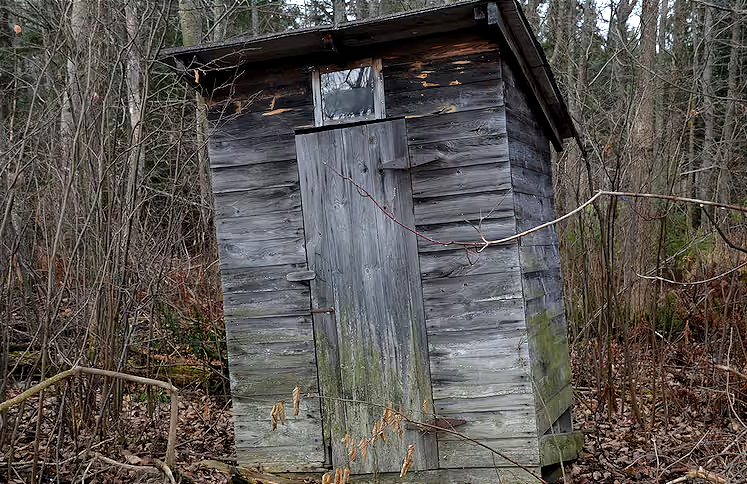
One may be the loneliest number, but according to Newfoundland tradition, 19 is the smelliest. Number 19 was once slang for an outdoor toilet in many parts of the island, from the Baie Verte Peninsula on the north coast to Bay d’Espoir in the south. The number had such an unsavoury whiff about it that some residents of St. John’s refused to live in houses numbered 19. To this day, there are older streets in the capital city that skip straight from 17 to 21. Randy Cooper recalls a family story about what happened when his maternal grandparents George and Jean Gulliver built their home on Smith Avenue in the 1940s. “He went up to look at the house, see how things were going, and somewhere along the line he learned that the house number was going to be number 19," he said. Cooper’s grandfather was flabbergasted. “I can’t have my house to be number 19!” he said. “That’s a shithouse number. According to Cooper, the city eventually relented and the house number was later changed to 21. (via the CBC)
A Scottish man just broke the mile record by running at 16 miles per hour

Acknowledgements: I find a lot of these links myself, but I also get some from other places that I rely on as "serendipity engines," such as The Morning News from Rosecrans Baldwin and Andrew Womack, Jodi Ettenberg's Curious About Everything, Dan Lewis's Now I Know, Robert Cottrell and Caroline Crampton's The Browser, Clive Thompson's Linkfest and Why Is This Interesting by Noah Brier and Colin Nagy. If you come across something you think should be included here, feel free to email me at mathew @ mathewingram dot com