What is the Cylob Cryptogram and what does it mean?

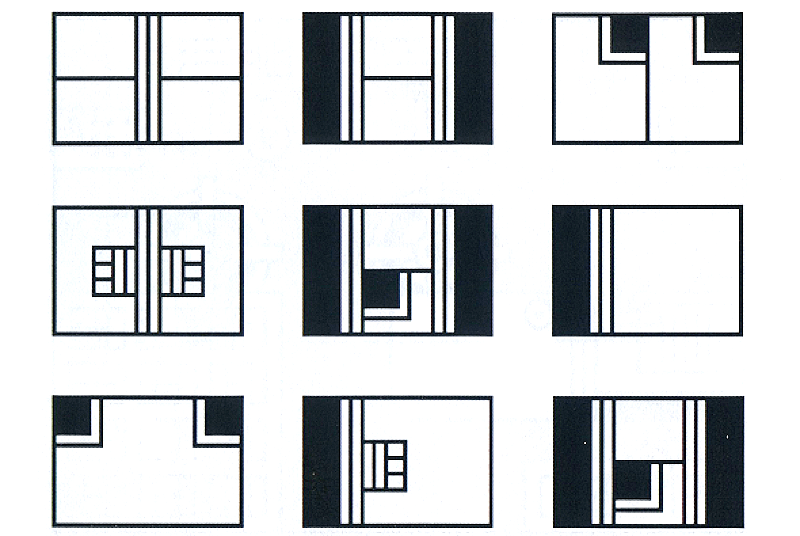
Visiting a London bookshop in the 1990s, musician DJ Cylob noticed a pile of booklets near the entrance, with a note indicating that they were free. He asked an assistant about them, and she said that she knew nothing, only that a mysterious person was leaving them. Each booklet consists of 20 pages of rectangular symbols. There are no letters or numbers, not even page numbers. Analysis shows that 24 different symbols make an appearance in the collection, which is consistent with encrypted English text, though some appear only at the beginning of the booklet and other very similar symbols only at the end. The meaning of all this has never been discovered. One possibility is that the booklet is not a message at all but a game accessory. But then why does it contain no text? And why was someone silently offering it in a London bookshop? (via Futility Closet)
Paramedic saves the life of the doctor who saved his life when he was born prematurely
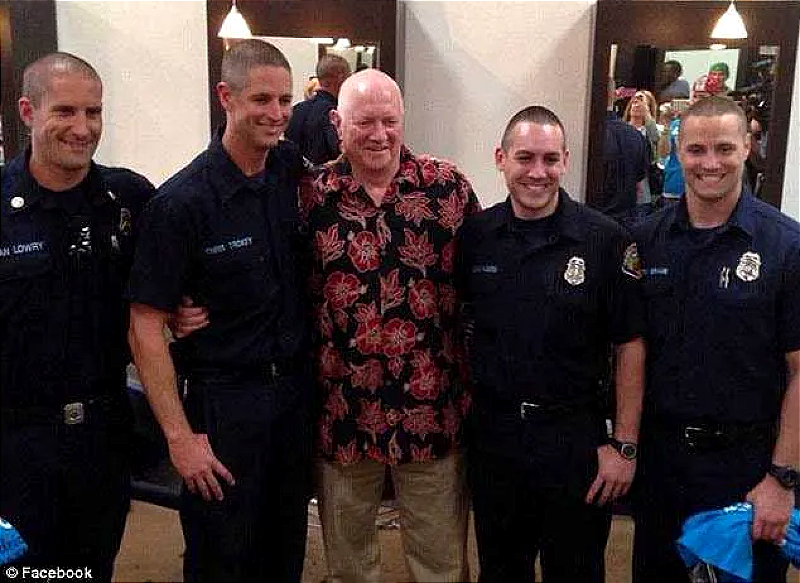
The story goes that, in 1981, pediatrician Michael Shannon saved the life of a 3.2-pound premature boy, Chris Trokey, by working around the clock to beat the odds and stabilize him. In 2011, the pediatrician was pinned inside a burning vehicle after a collision, but was saved by the premature baby, who had grown up to become a paramedic. So, too good to be true? No, the story IS true. Los Angeles-area station KTLA on March 29, ran a story about Shannon who was rescued by Trokey and other firefighters from Orange County Fire Authority's Paramedic Engine 29. KTLA reported that Shannon had saved Trokey's life in 1981, just after he was born. Doctors had initially gave him a 50/50 chance at surviving. But his pediatrician helped save his life, staying with the infant around the clock until his health improved and he was stable. (via the Florida Times-Union)
The inventor of the flashlight originally wanted to create illuminated flowerpots
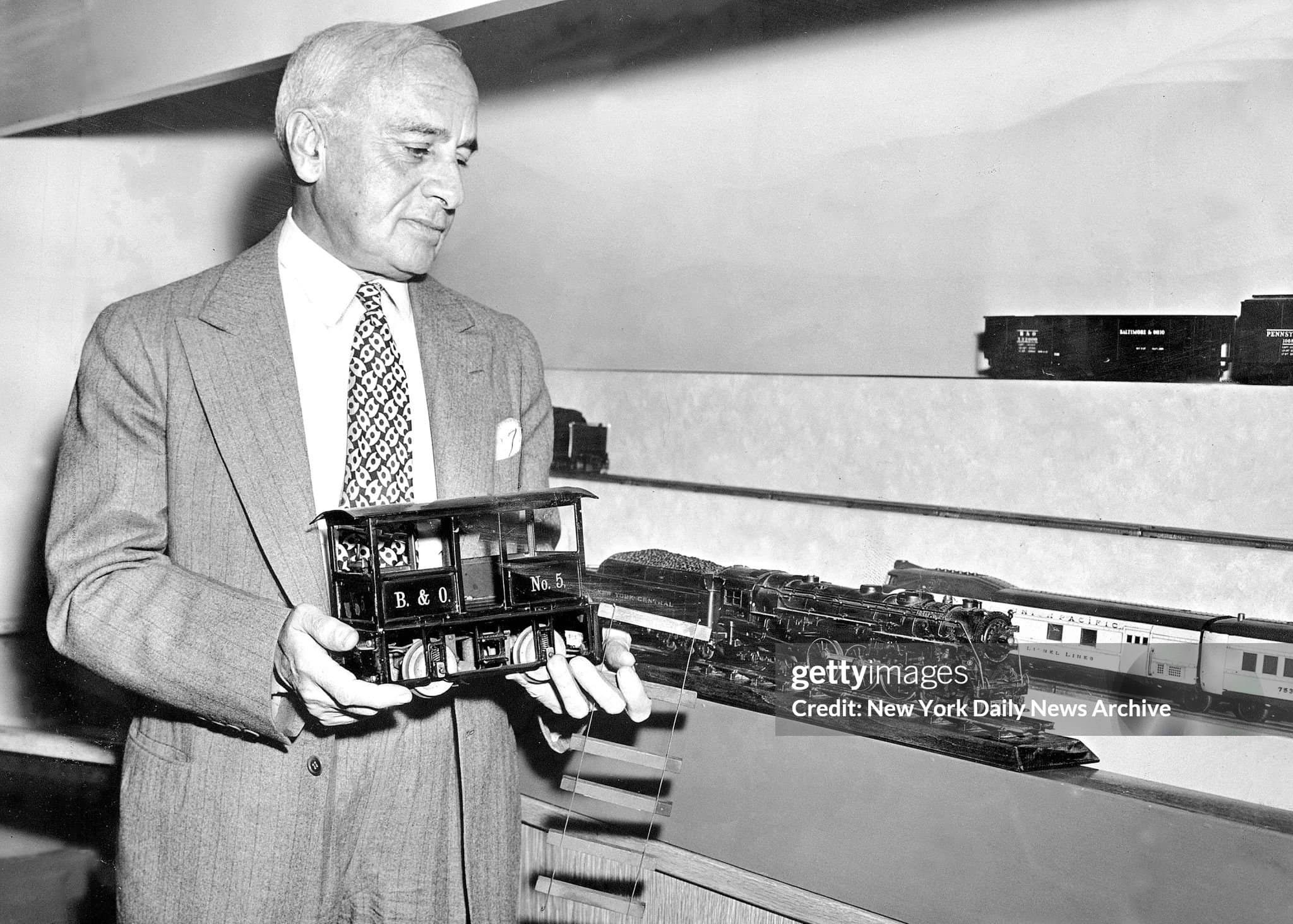
In the 1890s Joshua Lionel Cowen invented several devices that could be powered by the newly available dry-cell batteries. One was a fuse for igniting photographic flash powder. The Navy ordered 24,000 of them to use as detonators for underwater mines. Another was a slender battery in a metal tube, with a light bulb on one end and a switch on the other — an assemblage that, according to the best sources, added up to the world’s first flashlight. For some reason, Cowen overlooked the simplest use of this invention and used it to light up flowerpots. His friend Conrad Hubert told him his invention could be used as a handheld light, but Cowen couldn't envision it. So he sold the rights to his invention to Hubert, who founded the Eveready Company to sell flashlights and made a fortune. But Cowen didn't do badly either. He later invented toy trains and eventualy made his fortune with the Lionel Train Company. (via Weird Universe)
Hi everyone! Mathew Ingram here. I am able to continue writing this newsletter in part because of your financial help and support, which you can do either through my Patreon or by upgrading your subscription to a monthly contribution. I enjoy gathering all of these links and sharing them with you, but it does take time, and your support makes it possible for me to do that. I also write a weekly newsletter of technology analysis called The Torment Nexus.
This lost city was a myth but 500 years later radar found it right where the legend said
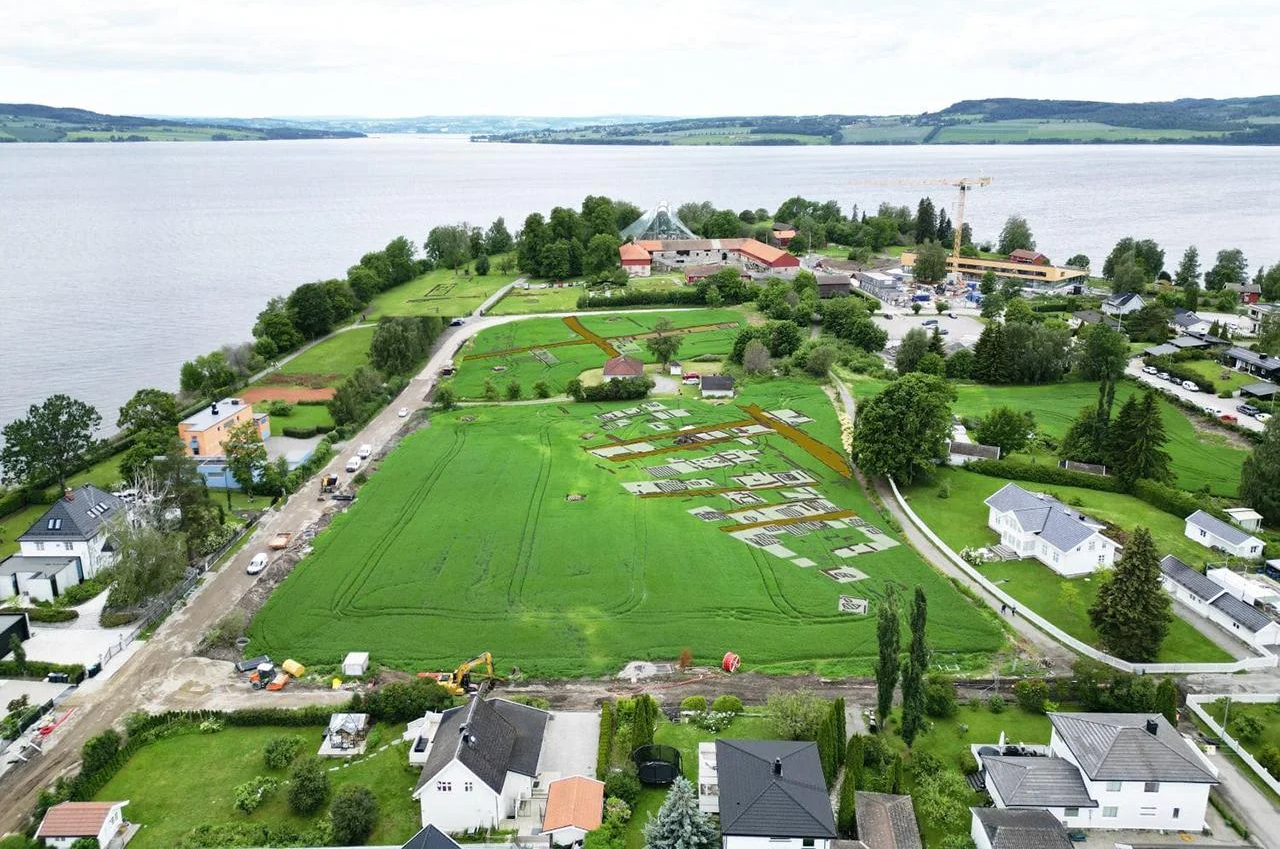
A 16th century tale of a Norwegian town just east of a bishop’s castle turned out to be far more than ancient lore. In July 2025, archaeological crews from the Norwegian Institute for Cultural Heritage Research and the Anno Museum revealed the discovery of Hamarkaupangen, the lost medieval town from the story.The Chronicles of Hamar — a 16th century text — describes the settlement, believed to have originated in the 11th century, as east of the cathedral and the bishop’s castle in Hamar, located in southern Norway. The only problem? Every time archaeologists looked, they found no real evidence of an established medieval village. Georadar was first used in 2023, and crews used the technology to search a field east of the cathedral and castle, locating the town just where the 16th-century text said it would be. (via Popular Mechanics)
The term dinner can refer to a meal at any time of day and originally meant breakfast

Dinner usually refers to what is in many Western cultures the biggest and most formal meal of the day. Historically, the largest meal used to be eaten around midday, and called dinner. Especially among the elite, it gradually migrated to later in the day over the 16th to 19th centuries. The word has different meanings depending on culture, and may mean a meal of any size eaten at any time of day. In particular, it is still sometimes used for a meal at noon or in the early afternoon on special occasions. The word is from the Old French (c. 1300) disner, meaning "dine", from the stem of Gallo-Romance desjunare ("to break one's fast"). The Romanian word dejun and the French déjeuner retain this etymology and meaning. Eventually, the term shifted to referring to the heavy main meal of the day, even if it had been preceded by a breakfast meal (or even both breakfast and lunch). (via Wikipedia)
Passenger records video of fuel tanks exploding as his bus goes over the Panama Canal

Acknowledgements: I find a lot of these links myself, but I also get some from other places that I rely on as "serendipity engines," such as The Morning News from Rosecrans Baldwin and Andrew Womack, Jodi Ettenberg's Curious About Everything, Dan Lewis's Now I Know, Robert Cottrell and Caroline Crampton's The Browser, Clive Thompson's Linkfest and Why Is This Interesting by Noah Brier and Colin Nagy. If you come across something you think should be included here, feel free to email me at mathew @ mathewingram dot com