Underground passages in the UK are lined with millions of seashells

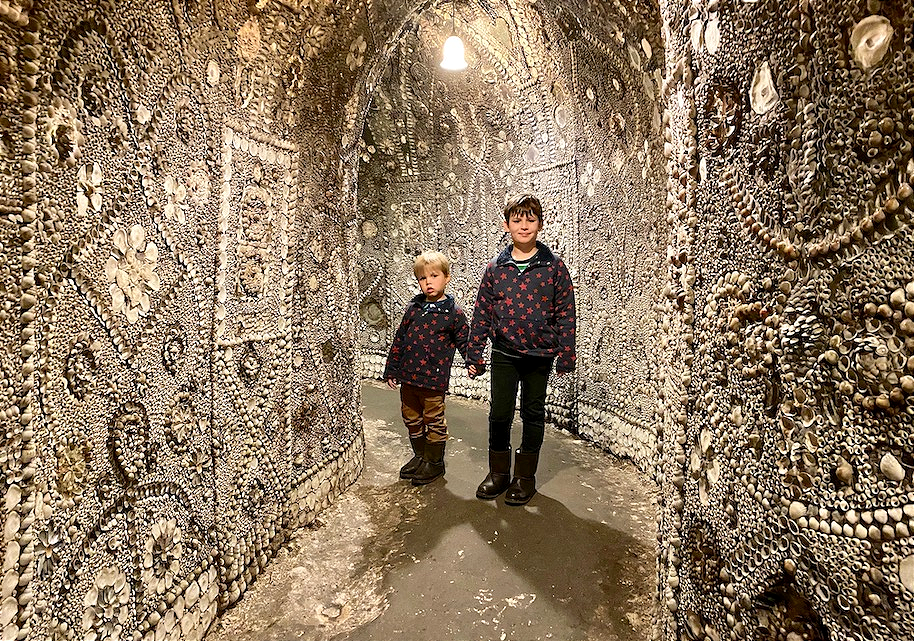
Halfway up a steep street in Margate, in a residential area a short walk from the town centre, is a nondescript building. Walk in, pay a small fee, and head down. You’ll find yourself in a labyrinthine passage, dimly lit. It covers over 2,000 square feet. And around you - all around you, covering every inch of wall and ceiling - are shells. Pressed into strange patterns - swirls and stars, lines and geometrics. Some look like plants, others hearts. More than four and a half million of them. This is Margate’s Shell Grotto. Ever since it was discovered nearly 200 years ago, it has been the centre of mystery and intrigue. Because nobody has been able to say for certain who made it, when, or why. Before the 1830s, there’s no mention of the Shell Grotto anywhere. It simply doesn’t exist in the record. A man named James Newlove bought a cottage in the town, and set about improving his land when his spade suddenly broke through to- nothing. James realised he was standing on a cavern, hidden beneath his garden. (via Building of the Week)
Her roommate made a 30-part TikTok video criticizing her that went viral
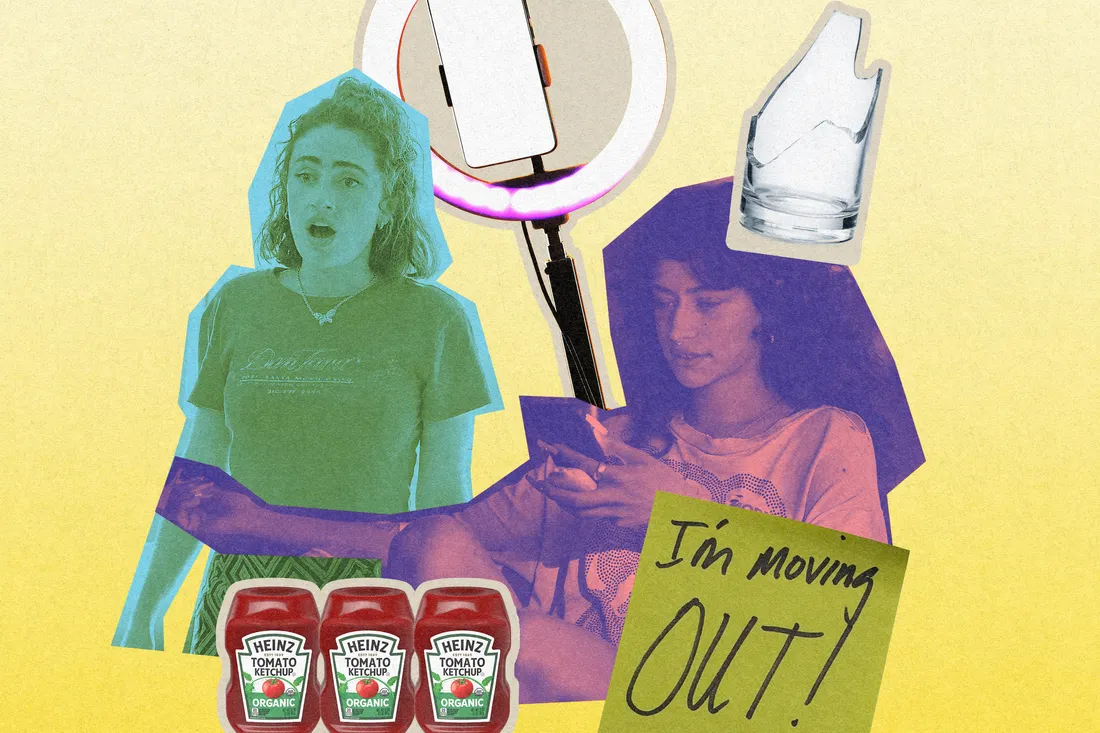
In late May, a 30-year-old TikToker named EK went viral for her 30-part series about the drama brewing at her sublet in Bushwick. The videos — which EK often filmed on the apartment fire escape, speaking into tiny microphones — detailed a twisty saga between herself, a full-time artist, and a woman she called her “horrible roommate.” In EK’s telling, the roommate had gone back and forth as to whether or not to re-sign the lease together before she ultimately decided to move out at the last minute. That left EK, who wanted to stay, searching for a way to keep the apartment. EK’s “fuck-ass roommate situation” series quickly went viral, and she set up a GoFundMe with a $5,000 goal for rent. Another person who found the situation stressful? EK’s now ex-roommate Marlyn Rodriguez, a 20-something hospitality worker, aspiring actress, and TikToker herself who unwittingly became the subject of online rage after EK’s saga blew up. She tells The Cut about what happened from her perspective. (via The Cut)
This Labrador dog in Australia works as a beekeeper because he can smell disease
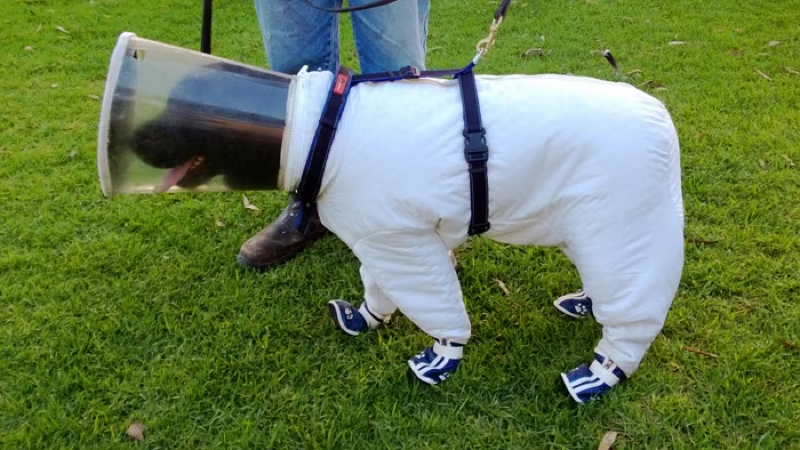
No, that’s not a Halloween costume. That dog is Bazz, a black Labrador, with a pretty neat job. He works with his owner, a beekeeper named Josh Kennett, from the small town of Tintinara in South Australia. Bazz’s role is to sniff out something called American foulbrood, a bacterial disease that kills bee larvae and leaves a foul smell behind. It's a nightmare for beekeepers — there's no cure, and the spores can survive for more than 50 years. The standard fix is to seal up an infected hive at night, burn it in a pit, and bury what's left under a foot of dirt. But to do that, you need to detect the stuff first — and it turns out, that’s where dogs can play a big role. So for a while, Bazz could be seen with a cone around his head and a set of doggy sneakers. The photos went viral and Bazz, for his part, had good reason to want the gear — as Kennett put it, he "didn't like being around them too much when he was getting stung." The concept was proven; the dog could find the infected hives. (via Now I Know)
Hi everyone! Mathew Ingram here. I am able to continue writing this newsletter in part because of your financial help and support, which you can do either through my Patreon or by upgrading your subscription to a monthly contribution. I enjoy gathering all of these links and sharing them with you, but it does take time, and your support makes it possible for me to do that. I also write a weekly newsletter of technology analysis called The Torment Nexus.
If you think commercial chocolate products taste different now you are not wrong
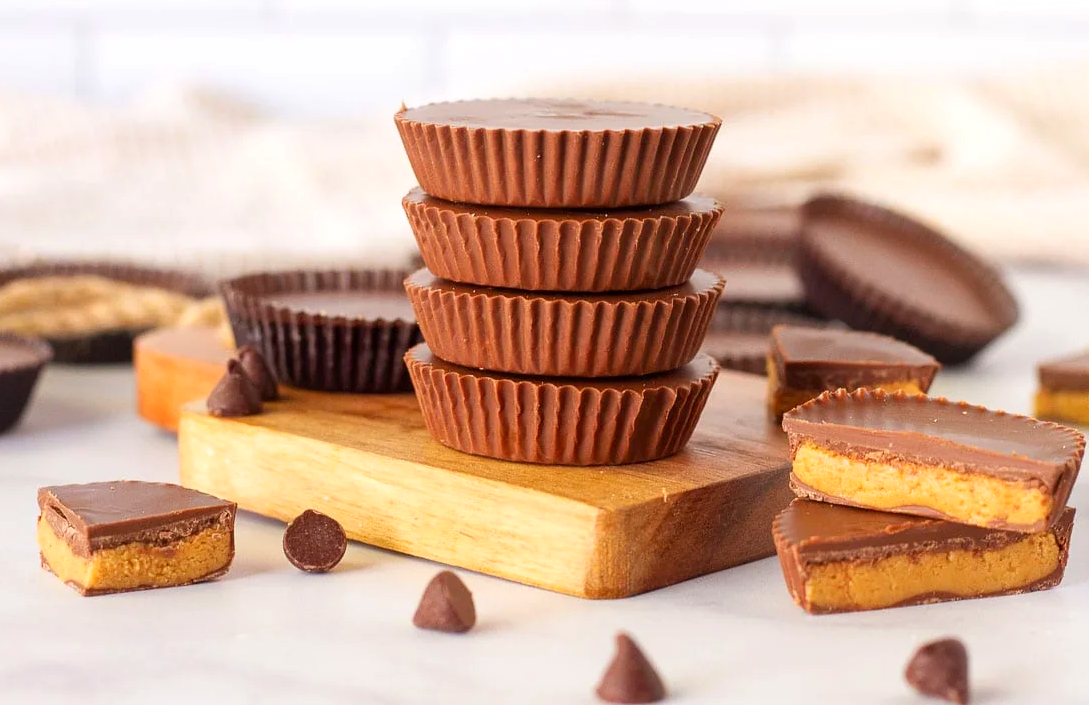
On a recent afternoon, I went to the movies. On a whim, I bought a box of Sno-Caps. I mindlessly ate at least 19 of the semisweet-chocolate nonpareils until I realized I could barely taste them. What I did taste was somehow both neutral and vaguely unappetizing, like I was chewing on shaved-off pieces of a plain bar of soap. I forgot about the experience until this past Valentine’s Day, when a 71-year-old man named Brad Reese fired up LinkedIn. Reese is the proud grandson of Reese’s Peanut Butter Cups inventor H. B. Reese and an earnest and affable retiree who often wanders around wearing a bright-orange Reese’s T-shirt, talking to people about his family’s much-beloved candy (Hershey bought it in 1963.) On that February 14 morning, Reese opened a bag of Reese’s Mini-Hearts, a seasonal variant of the product, and found them “inedible.” He threw them out, then posted a scathing open letter to Todd Scott, manager of corporate brand at Hershey, accusing Hershey of unforgivably altering many of Reese’s products by replacing real chocolate with compound chocolate. (via Grub Street)
Why do almost 10 percent of ancient skulls show evidence of brain surgery?
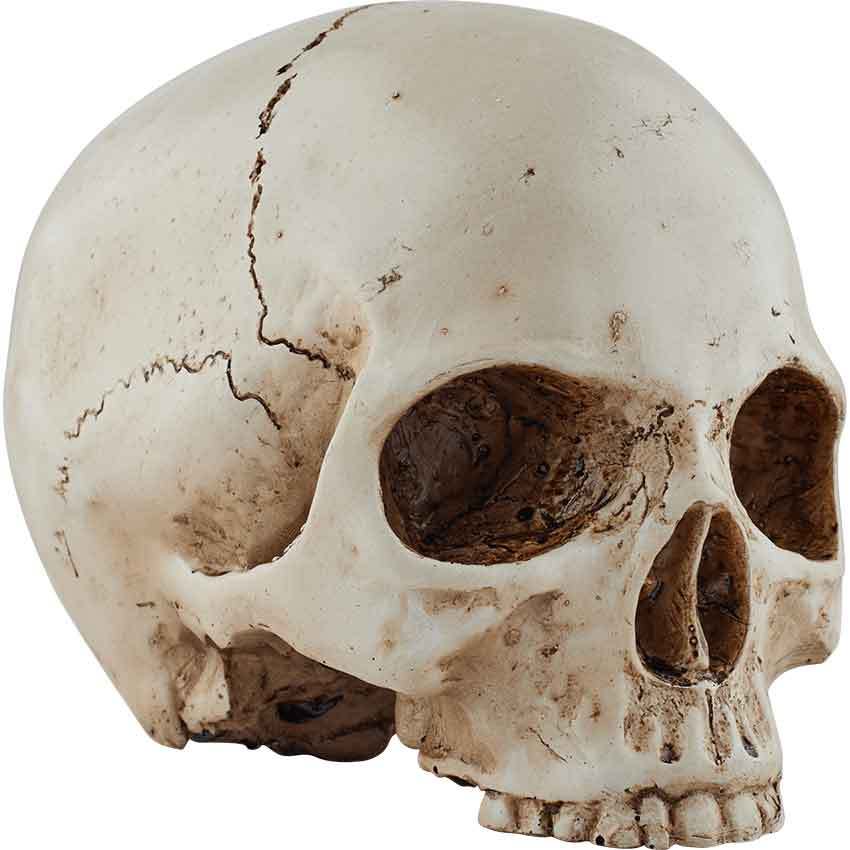
A friend asked me to investigate the following mystery: why do 5-10% of skulls from 10,000 BC to 3,000 BC, all over the world, have holes in them? Why do bone growth patterns indicate that most skull-hole-havers survived years after their holes were drilled, even though brain surgery today requires careful sterilization? And why did everyone stop doing this sometime around the beginning of recorded history? Trepanation (the technical term for drilling a hole in the skull) was common across Europe and South America. The Old and New Worlds had limited contact after about 10,000 BC, and most customs don’t survive for five thousand plus years with no reason. Was it good medicine? Sort of, but not in a way that entirely solves the mystery. Trepanation is an effective treatment for epidural hematoma: a patient ruptures a blood vessel in their skull, and drilling a hole relieves the pressure, and saves the patient’s life. (via Astral Codex Ten)
Watch the students of the legendary Olodum School in Brazil do their thing
Acknowledgements: I find a lot of these links myself, but I also get some from other places that I rely on as "serendipity engines," such as The Morning News from Rosecrans Baldwin and Andrew Womack, Jodi Ettenberg's Curious About Everything, Dan Lewis's Now I Know, Robert Cottrell and Caroline Crampton's The Browser, Clive Thompson's Linkfest and Why Is This Interesting by Noah Brier and Colin Nagy. If you come across something you think should be included here, feel free to email me at mathew @ mathewingram dot com