The story behind the birth of the world's first hot-dog cannon

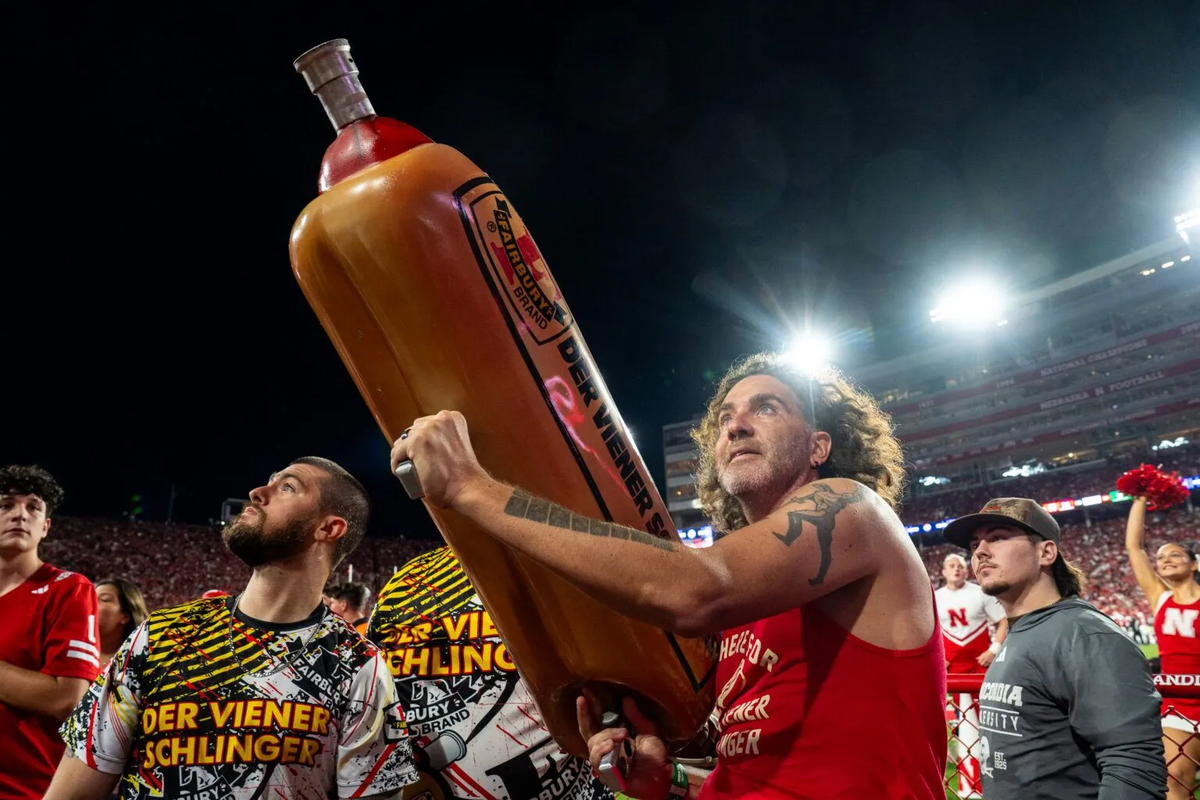
On Sept. 30, 1996, Marc Roode was at home in Fairbury watching his Dallas Cowboys battle the Philadelphia Eagles on Monday Night Football when he noticed some strange, decidedly non-pigskin-related commotion on the Veterans Stadium sideline. The Phillie Phanatic — the taxonomically cryptic mascot of the city’s baseball team — was firing into the stands what looked like hot dogs out of some contraption rigged to a four-wheeler. As marketing director for the parent company of Fairbury Brand Meats, Roode immediately saw how such a device could help promote his golden child: the famous bright red hot dog. He got in touch with the improbably named Buckeye Epstein, a sports marketer in Texas who had bought the rights to the launcher after it had debuted at the Phillies’ opening day game that April. Epstein sold Roode a launcher, which arrived in Nebraska the following spring. (via Flat Water Free Press)
He was walking down the street past a telephone booth and it rang. It was for him
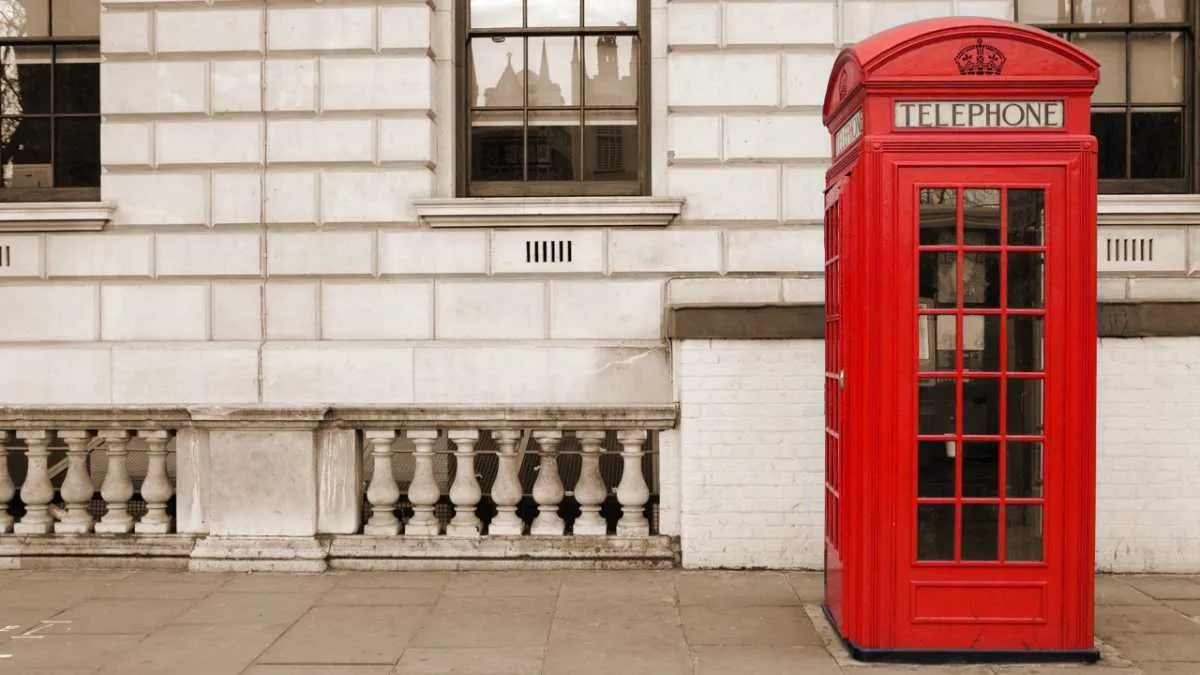
In 1992, Jason Pegler was walking home from work in Dover when he walked past a public telephone box. As he did so, the phone started ringing. His curiosity piqued, he decided to answer it. To his absolute astonishment, the call was for him. On the other end of the line was his colleague, Sue Hamilton. She apologised for disturbing him and asked for help with the office fax machine, which she couldn’t get to work. Jason was dumbfounded. ‘Sue, how could you possibly know I was beside this particular phone box?’, he asked. Sue didn’t understand the question. ‘‘Isn’t this your home number?’ she asked. Jason explained that he had heard a public phone ringing as he walked past and decided to pick it up. When Sue checked the number she’d dialled, she finally worked out what had happened. She had mistaken his AA *staff* number for his home telephone number! That staff number was also the number of the public phone box in Dover that Jason was passing just at the moment she called. (via Iain Cameron)
She performed CPR twice on her boyfriend after they were struck by lightning
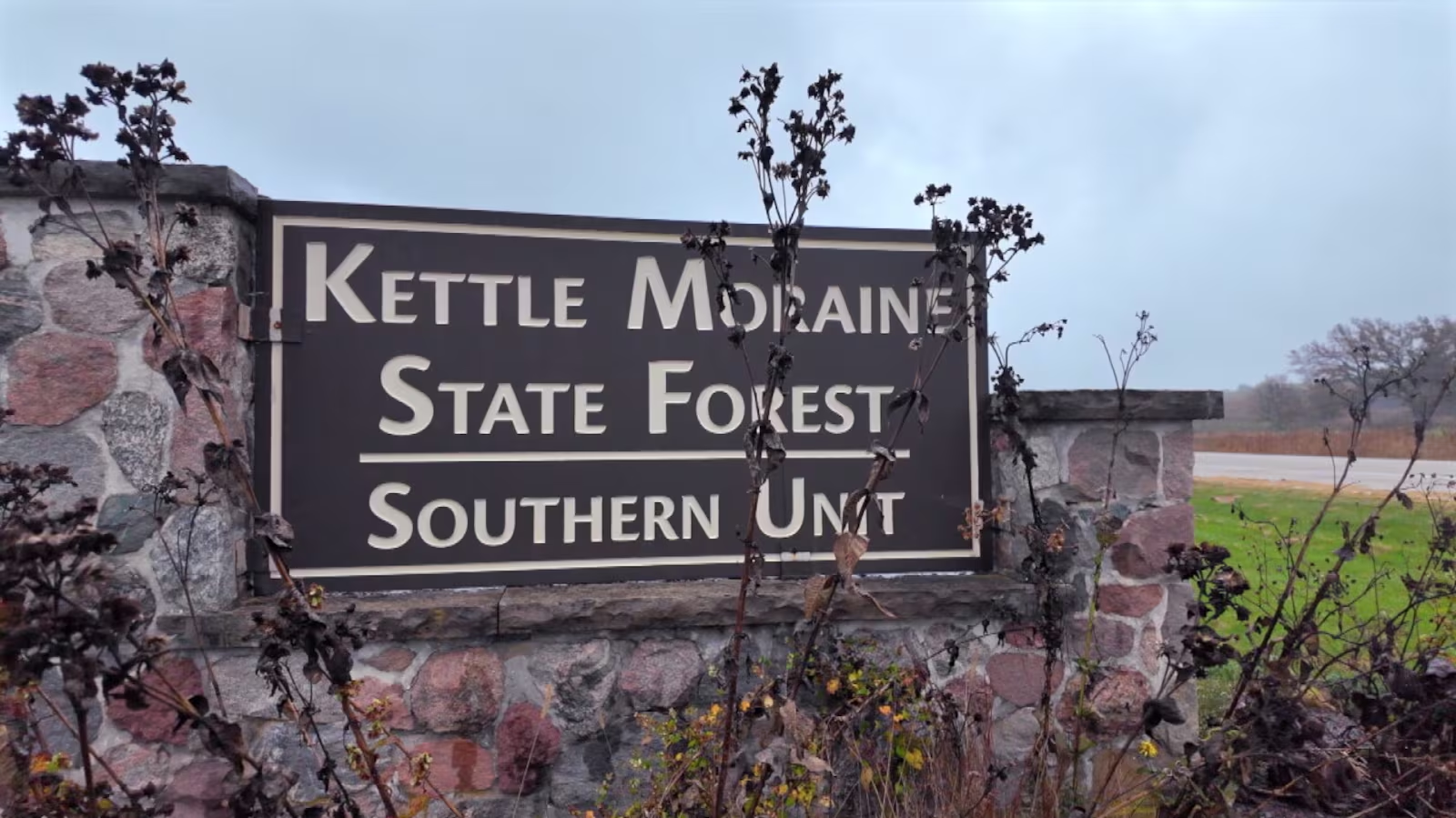
A Chicago woman revived her boyfriend twice with CPR after both were struck by lightning in the Kettle Moraine State Forest on Aug. 9, 2025. Rescue crews took 50 minutes to reach them on foot after she called 911. Nick Broderick had surprised girlfriend Eva Broderick with a 10-mile hike at the forest. They were a little more than 2 miles from their car when a sudden storm hit. With nowhere to take shelter, they kept moving forward. The storm grew worse, and the thunder was so loud Eva Broderick grew worried. Minutes later, the last thing Nick Broderick remembers from that day was hearing a boom. Firefighters said the tree next to them took a direct lightning hit, and the couple was struck by the ground current. Eva Broderick called 911 and immediately started CPR. But she couldn’t tell rescue crews where they were — the cell signal kept dropping. It took 50 minutes from the 911 call for crews to reach them, and Eva Broderick — who had also been struck by lightning — had to revive Nick twice in that time. (via CTV News)
Hi everyone! Mathew Ingram here. I am able to continue writing this newsletter in part because of your financial help and support, which you can do either through my Patreon or by upgrading your subscription to a monthly contribution. I enjoy gathering all of these links and sharing them with you, but it does take time, and your support makes it possible for me to do that. I also write a weekly newsletter of technology analysis called The Torment Nexus.
What it's like to defuse a bomb left over from the Second World War
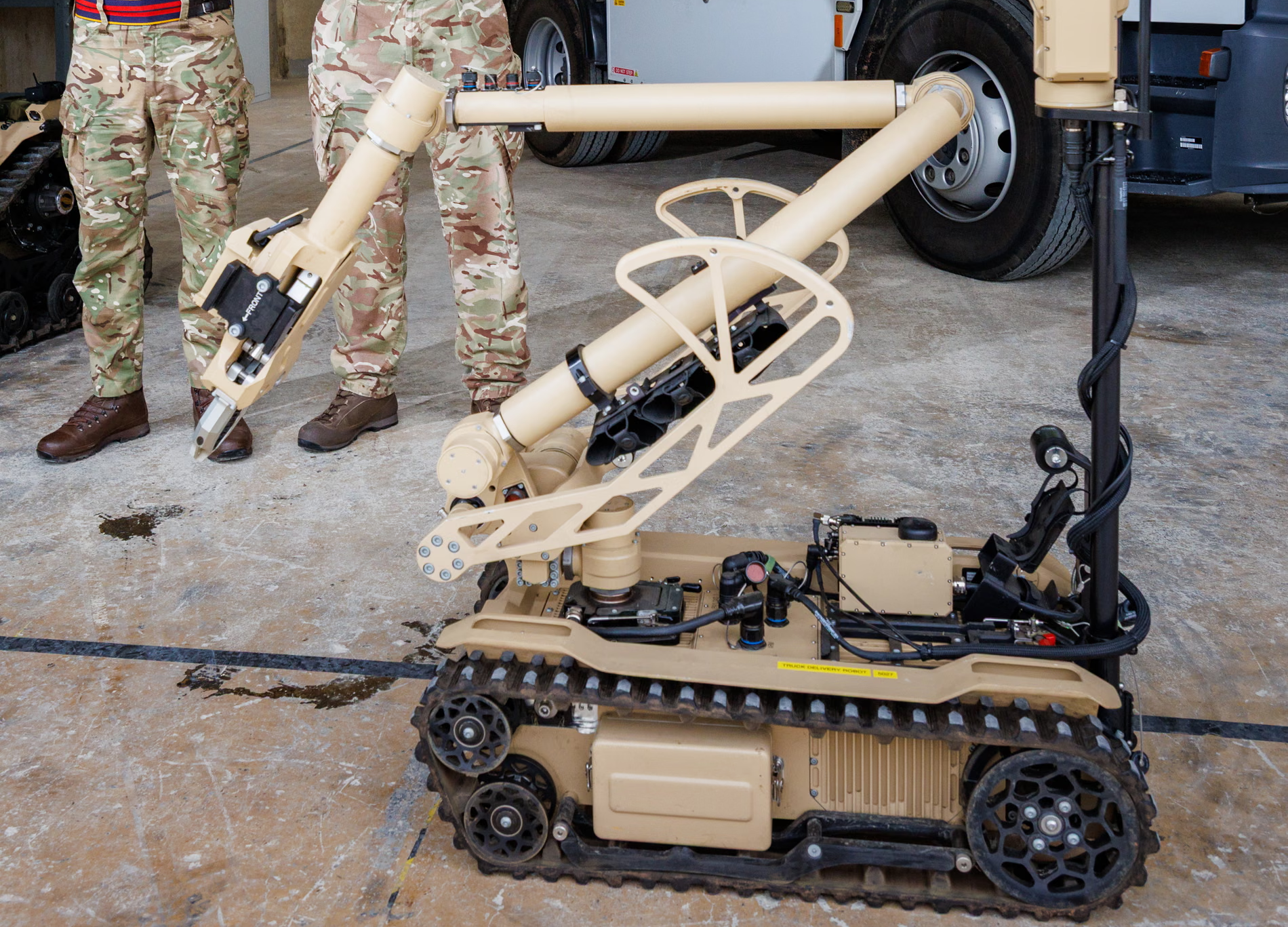
Everyone at Exmouth Marina knew there was an unexploded German bomb in the water. Old hands at the dock had been saying so since the end of the second world war. But the marina had been dredged and re-dredged and nothing had ever come up. It had started to sound like an old wives’ tale. The marina is a busy stretch of water: a commercial port until the late 1990s that had since been converted into a home to private yachts. A bomb, you’d think, would have a hard time staying hidden. But in the middle of the afternoon on Wednesday 14 January 2026, 81 years after the end of the second world war, Steve Hockings-Thompson, the manager of Exmouth Marina, got a call from the crew of a dredging vessel telling him he’d better come out to the boat. As Hockings-Thompson got closer and saw its distinctive conical shape, he knew it was a bomb – a big one. The dredger was loaded with 20,000 litres of diesel fuel, so if the bomb detonated, it would be disastrous. (via The Guardian)
Why don't the characters in ancient stories talk about their emotions?
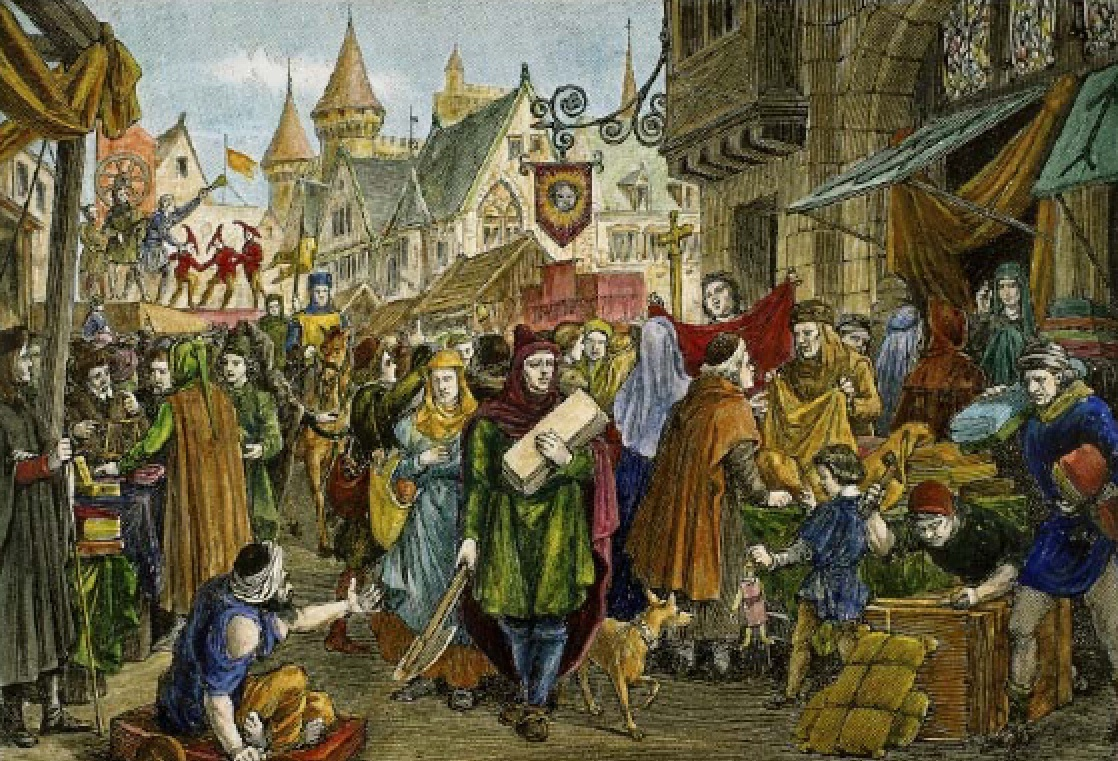
Reading medieval literature, it’s hard not to be impressed with how much the characters get done — as when we read about King Harold doing battle in one of the Sagas of the Icelanders, written in about 1230. The first sentence bristles with purposeful action: “King Harold proclaimed a general levy, and gathered a fleet, summoning his forces far and wide through the land.” What the saga doesn’t tell us is how Harold felt about any of this, whether his drive to conquer was fueled by a tyrannical father’s barely concealed contempt, or whether his legacy ultimately surpassed or fell short of his deepest hopes. Perhaps people living in medieval societies were less preoccupied with the intricacies of other minds, simply because they didn’t have to be. When people’s choices were constrained and their actions could be predicted based on their social roles, there was less reason to be attuned to the mental states of others. (via
Watch someone set a new speed record for skateboards by going 151 kph
Acknowledgements: I find a lot of these links myself, but I also get some from other places that I rely on as "serendipity engines," such as The Morning News from Rosecrans Baldwin and Andrew Womack, Jodi Ettenberg's Curious About Everything, Dan Lewis's Now I Know, Robert Cottrell and Caroline Crampton's The Browser, Clive Thompson's Linkfest and Why Is This Interesting by Noah Brier and Colin Nagy. If you come across something you think should be included here, feel free to email me at mathew @ mathewingram dot com