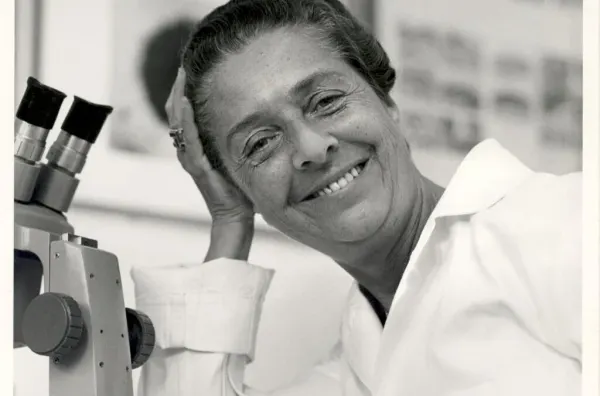
She started SiriusXM and a life-saving pharmaceutical company


Martine Aliana Rothblatt graduated from University of California, Los Angeles with J.D. and M.B.A. degrees in 1981, then began to work in Washington in the field of communications satellite law, then in bioethics and biomedicine. She is the founder and chairwoman of the board of United Therapeutics. She was also the CEO of GeoStar and the creator of SiriusXM Satellite Radio. She was the top earning CEO in the biopharmaceutical industry in 2018. In June 2022, Rothblatt unveiled the world's most complex 3D printed object, a human lung scaffold, comprising four thousand kilometers of capillaries and 200 million alveoli. On December 7, 2018, Rothblatt earned certification in the Guinness Book of World Records for the farthest distance traveled (56.82 kilometers) by an electric helicopter. In 2004, Rothblatt launched the Terasem Movement, a transhumanist school of thought focused on promoting joy, diversity, and the prospect of technological immortality via mind uploading. (via Wikipedia)
A US Army officer was the first to detect tornados in the 1800s but was told to stop
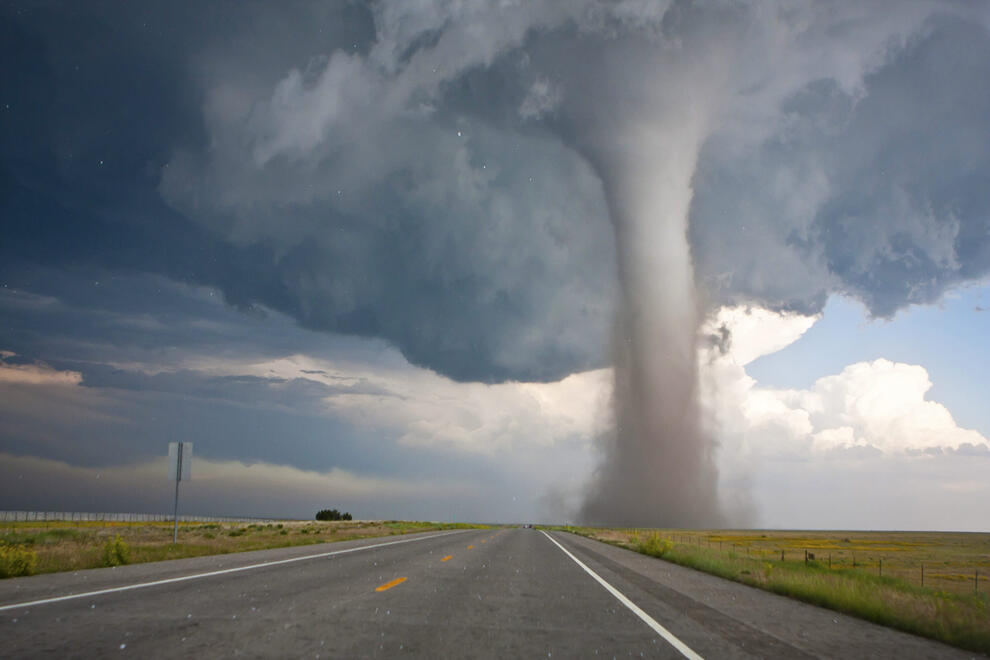
According to the United States National Weather Service, the first tornado forecaster was one Lieutenant John Finley, a meteorologist with the Army Signal Corps. In 1878, Finely started studying the rapacious storms, his research bearing the fruit of the world’s first experimental tornado prediction on March 10, 1884, and routine tornado forecasts for 18 regions of the U.S. the same year. But in 1887, Finley’s superior General William Hazen ordered the lieutenant to cease issuing forecasts because he “believed that the harm done by such a prediction would eventually be greater than that which results from the tornado itself.” This even despite Finley’s claim that his forecasts were accurate 95.6 to 98.6 percent of the time and the fact that he published Tornadoes, the first book dedicated entirely to tornadoes, that same year. (via Nautilus)
Next time you notice the red squiggly line under your typos you can thank Tony Krueger
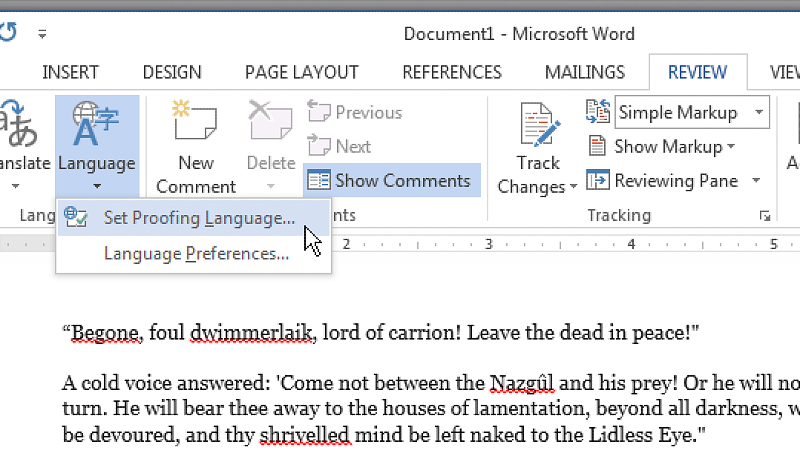
Tony Krueger is remembered in Wikipedia as the person who ported the game Chip’s Challenge to Windows for the Windows Entertainment Pack. But that’s probably not the code he wrote that touched the most people. In early versions of Word, the Spell Check feature was something that you explicitly invoked, and then you had to sit and wait while the program looked for all your potentially-misspelled words, and then showed them to you one at a time for a decision on what to do for each one. Word did introduce an Auto Spell Check feature to run spell check when the user was idle, so that when you hit the Spell Check button, the results were ready to go. However, the Auto Spell Check was still a blocking operation. As a result, a lot of users turned it off. Tony made the spell checker much more unobtrusive so that it didn’t interfere with your foreground work. And when it found a problem, instead of waiting for you to trigger a spell check, it drew red squiggles under misspelled words. (via Microsoft)
Hi everyone! Mathew Ingram here. I am able to continue writing this newsletter in part because of your financial help and support, which you can do either through my Patreon or by upgrading your subscription to a monthly contribution. I enjoy gathering all of these links and sharing them with you, but it does take time, and your support makes it possible for me to do that. I also write a weekly newsletter of technology analysis called The Torment Nexus.
Sperm whales from different regions have their own dialects based on clicks
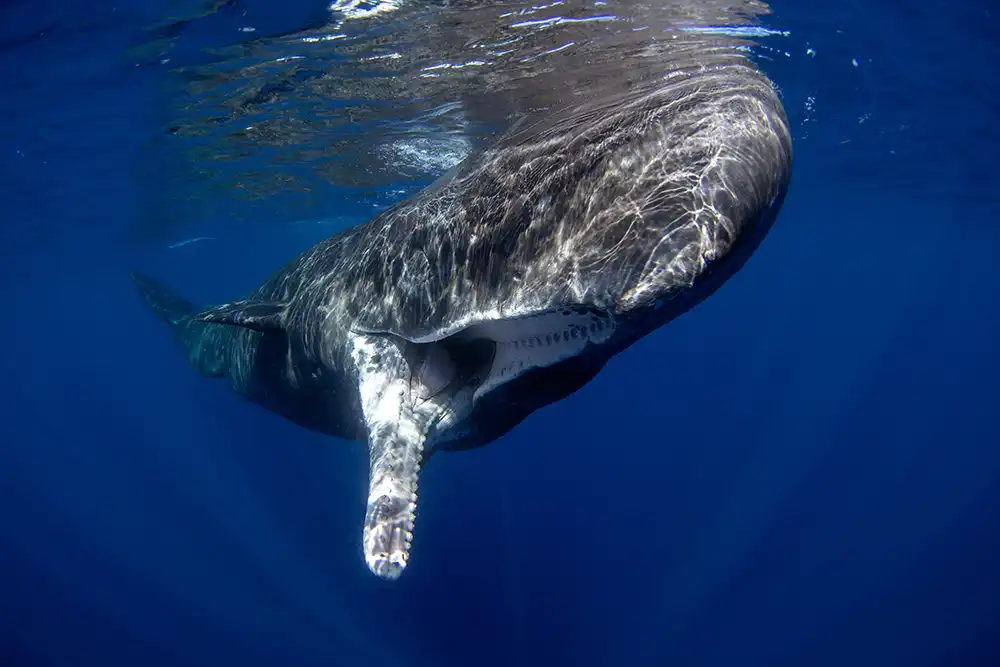
Much like human languages, the vocalizations of sperm whales evolve over time, as disparate populations of whales develop distinct dialects. A new study shows how an isolated population of sperm whales in the eastern Mediterranean developed its own dialect based on vocalizations used by other whales. The patterns of clicks issued by sperm whales identify them as part of different “vocal clans.” Scientists previously thought that all Mediterranean whales were part of the same clan, which was distinguished by a repeated vocal pattern: three clicks, a short pause, and then a fourth click. Analyzing 20 years of audio recordings of whales across the Mediterranean, scientists found that sperm whales in the Hellenic Trench, near Greece, produced a faster form of this call than did whales around the Balearic Islands, between Gibraltar and Italy. Sperm whales first arrived to the Mediterranean 20,000 years ago. (via Yale Environment)
Historians of Japanese culture say real ninjas didn't actually wear black

When Americans picture a Japanese “Ninja,” the image is universally identical: a highly trained, silent assassin doing backflips across a rooftop, dressed entirely from head to toe in a pitch-black, form-fitting suit with only their eyes exposed. From 1980s action movies to the Teenage Mutant Ninja Turtles, this iconic black uniform has become the ultimate symbol of Japanese martial arts. However, if you travel to Japan and study the actual historical documents from the feudal era, you will discover a shocking truth that shatters this pop-culture illusion. Real ninjas almost never wore black suits. To understand why the black suit is a myth, you have to understand the true job of a ninja (historically called Shinobi). They were not frontline fighters or superhero assassins; they were covert intelligence agents, spies, and information gatherers. If a person walked through a busy Edo-period market or a samurai town wearing a full black mask and a stealth suit, they would look incredibly suspicious and be arrested. (via JapanUp)
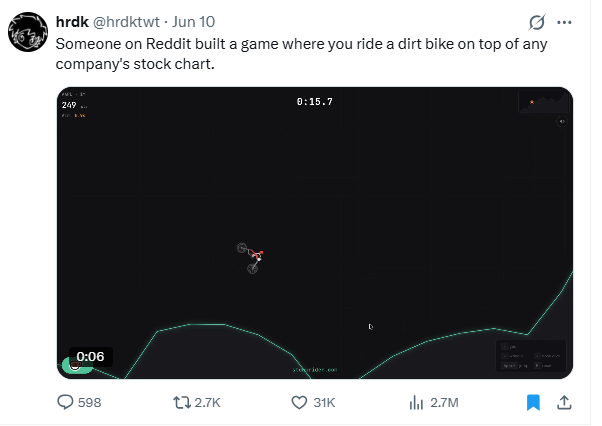
Someone built a video game where you ride a dirt bike on a company's stock chart
Acknowledgements: I find a lot of these links myself, but I also get some from other places that I rely on as "serendipity engines," such as The Morning News from Rosecrans Baldwin and Andrew Womack, Jodi Ettenberg's Curious About Everything, Dan Lewis's Now I Know, Robert Cottrell and Caroline Crampton's The Browser, Clive Thompson's Linkfest and Why Is This Interesting by Noah Brier and Colin Nagy. If you come across something you think should be included here, feel free to email me at mathew @ mathewingram dot com