New York was plagued by a mysterious bomber in the 1950s

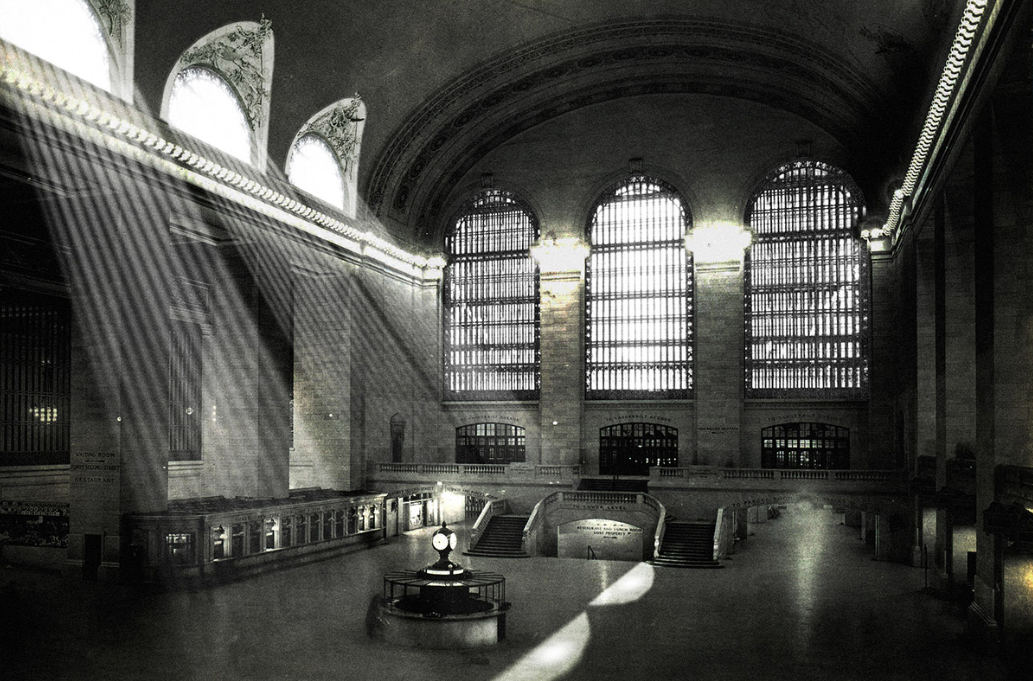
At each of the bomb sites — among the scattered detritus of pipe fragments, shell casings, broken plaster, glass, nuts, and bolts — police kept encountering one thing that was not like the others: a partially consumed throat lozenge. Finding a used cough drop on the floor in a public place was not a surprise, but detectives detected all of these in close proximity to — or in one case inside — the pipe casings. And they were all of the same Parke-Davis brand. The point or purpose of the lozenge was as mysterious as the bomb-maker’s motives. Police dusted the pipe and mailing envelope for fingerprints and found only smudges. But the envelope provided the investigators with their first clues about their bomber: A postmark from White Plains, New York. A return address from “Lehman and Lehman,” a fictional entity. An address written by hand in all caps, providing police with a distinctive handwriting sample—one with some unusual letterforms, especially the letter G. Larger than the neighboring letters, the G resembled a capital C with horizontal bars on both ends of the loop. (via Damn Interesting)
Hundreds of people gathered in a German church to hear an organ play a single note
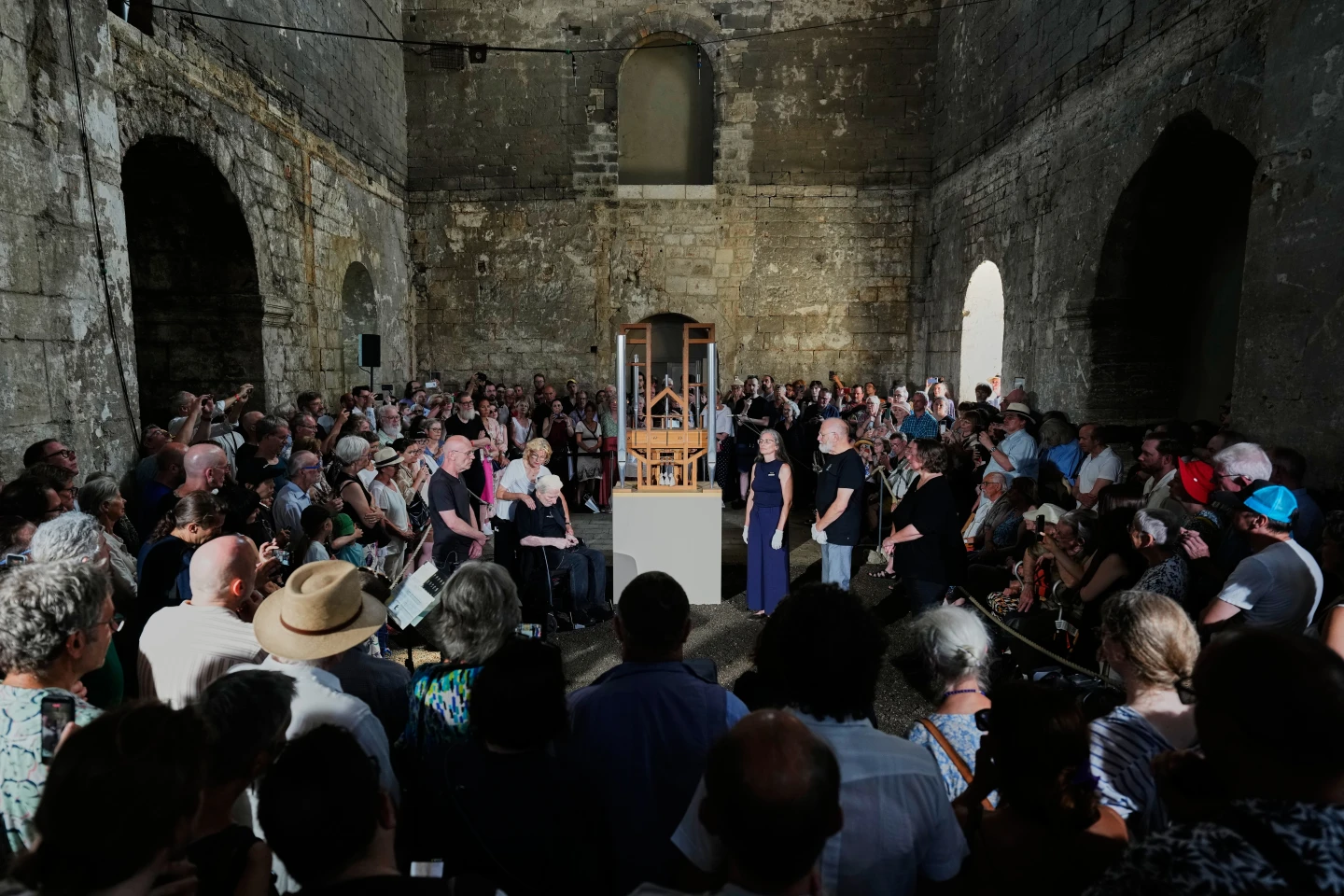
A small organ in eastern Germany is the headliner of the world’s slowest concert. It has been playing the same piece of music by composer John Cage at a glacial pace for nearly 25 years. A rare chord change on Wednesday — from seven notes to eight — represented the completion of about 4% of the 639-year endeavor of the John Cage Organ Project Halberstadt. It was a historic moment inside the medieval Burchardi Church, in Halberstadt, Germany, that reflected the past, present and future of the project, as well as those who are following its — albeit very slow — progression. While the project commenced in 2000, the performance began Sept. 5, 2001 — Cage’s 89th birthday — with a silent pause that lasted until Feb. 5, 2003, when the first chords could actually be heard. The composition — called “ORGAN²/ASLSP (As SLow aS Possible)” — is scheduled to finish on Sept. 4, 2640. More than 150 people squeezed inside the church Wednesday to witness what was the piece’s 17th chord change. (via the AP)
Parts of Europe still eat this large dormouse that was a favorite of the ancient Romans

The edible dormouse was farmed and eaten by the ancient Romans, the Gauls, and the Etruscans (usually as a snack), hence the word edible in its name. The Romans would catch dormice from the wild in autumn when they were fattest. The dormice were kept and raised either in large pits or (in less spacious urban surroundings) in terra cotta containers similar to contemporary hamster cages. They fed these captive dormice walnuts, chestnuts, and acorns for fattening. The dormice were served by either roasting them and dipping them in honey or stuffing them with a mixture of pork, pine nuts, and other flavorings. It was, however, very important to upper-class Romans that the dormice be separated from other products of the hunt, like the large game, for presentation purposes. Wild edible dormice are still consumed in Slovenia, where they are considered a rare delicacy and dormouse trapping is a tradition. (via Wikipedia)
Hi everyone! Mathew Ingram here. I am able to continue writing this newsletter in part because of your financial help and support, which you can do either through my Patreon or by upgrading your subscription to a monthly contribution. I enjoy gathering all of these links and sharing them with you, but it does take time, and your support makes it possible for me to do that. I also write a weekly newsletter of technology analysis called The Torment Nexus.
The most dangerous golf hole in the world is a par 3 in the middle of a minefield
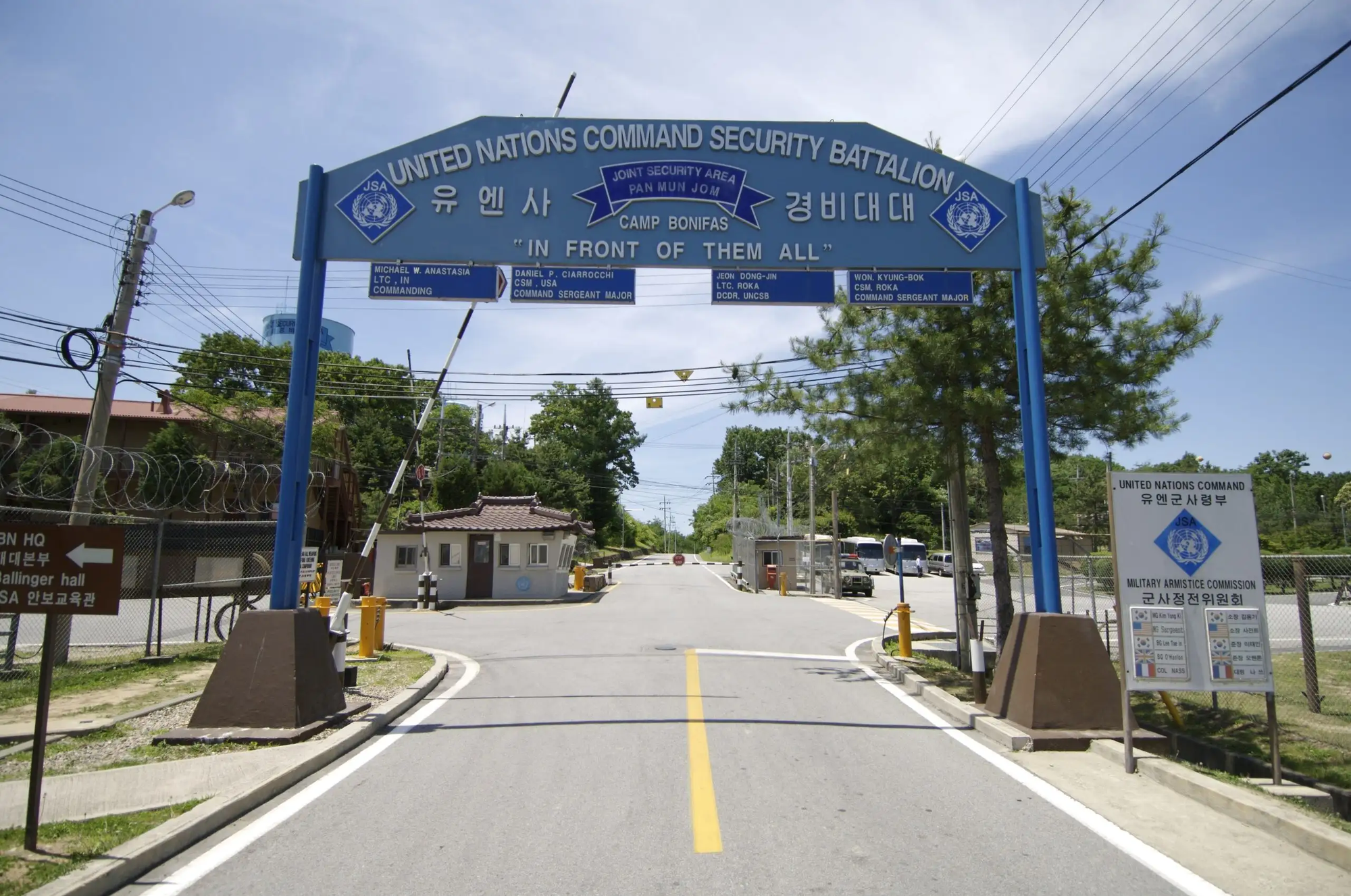
Camp Bonifas, the United Nations Command post 400 meters south of the Korean Demilitarized Zone, has a golf course. One hole, par 3, with an AstroTurf green — and minefields on three sides. Sports Illustrated called it "the most dangerous hole in golf," and there are reports that at least one shot detonated a land mine. The camp houses the security battalion that monitors and enforces the 1953 Korean Armistice Agreement, and its soldiers escort the official orientation tours of the Joint Security Area, where North and South Korean troops face each other across the Military Demarcation Line. There's also a gift shop selling DMZ souvenirs. The Washington Post described the place in 1998 as a "small collection of buildings surrounded by triple coils of razor wire" that, minus the minefields and soldiers, would "look like a big Boy Scout camp." The camp was renamed in 1986 for Captain Arthur G. Bonifas, one of two American officers killed by North Korean soldiers in the 1976 "Korean axe murder incident." (via Boing Boing)
The rotary dial phone was invented by a funeral home owner frustrated by a competitor
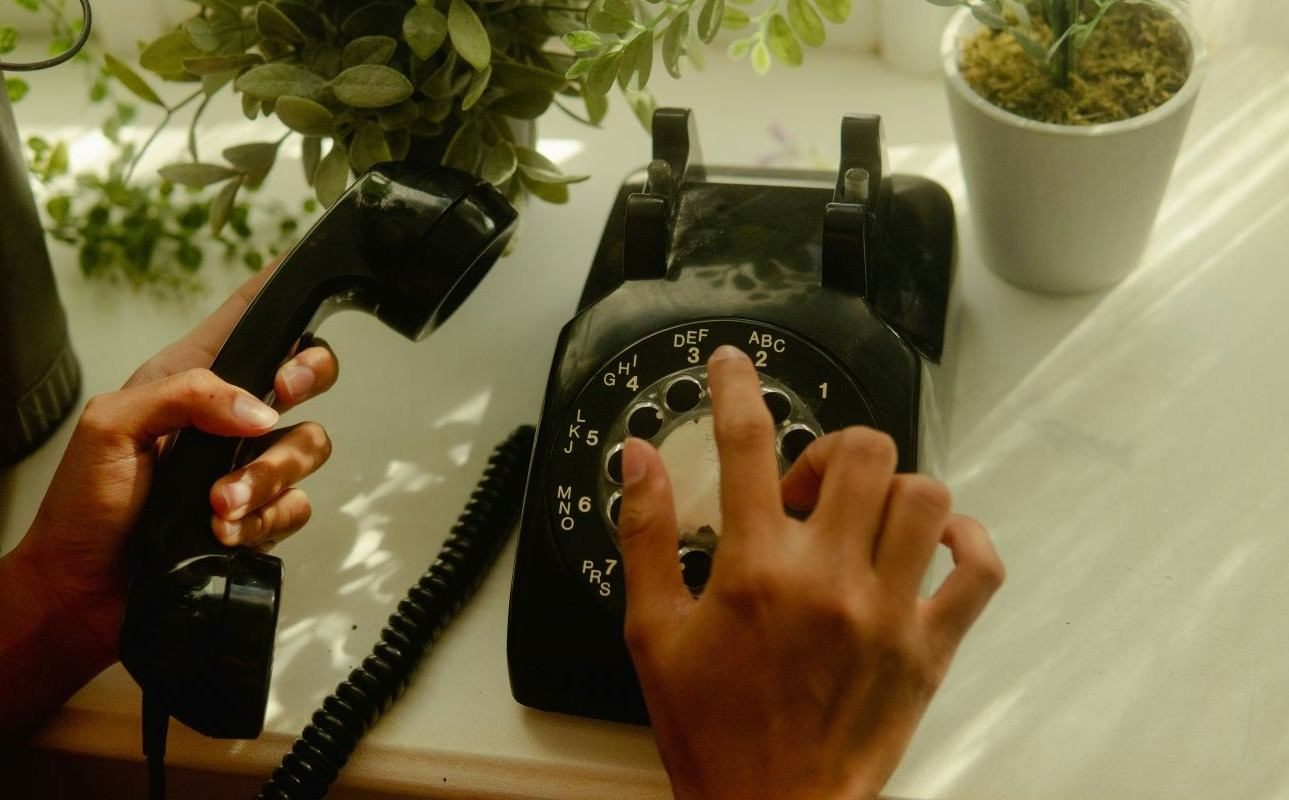
The dial phone can trace its roots to an undertaker — Almon Strowger. There are conflicting accounts about what sparked Strowger’s interest, but this version seems believable. Back in the 1880s, when Almon Strowger was an undertaker in Topeka, Kansas, you had to turn a crank on your phone to get the attention of the local telephone operator, tell her the number of the person you wanted to speak to, and then she would manually connect the call through a switchboard. So when a close friend died and Strowger wasn’t called to provide services, he suspected the local operator was in cahoots with a competing undertaker and diverted the grieving family’s call. This underhanded connection supposedly set Strowger on a quest to find a way that people could skip the telephone operator and make their own phone calls. And he did. In 1892, Strowger patented his automatic telephone exchange and rotary dial designs and started the Strowger Automatic Telephone Exchange Company with family and friends. (via Ooma)
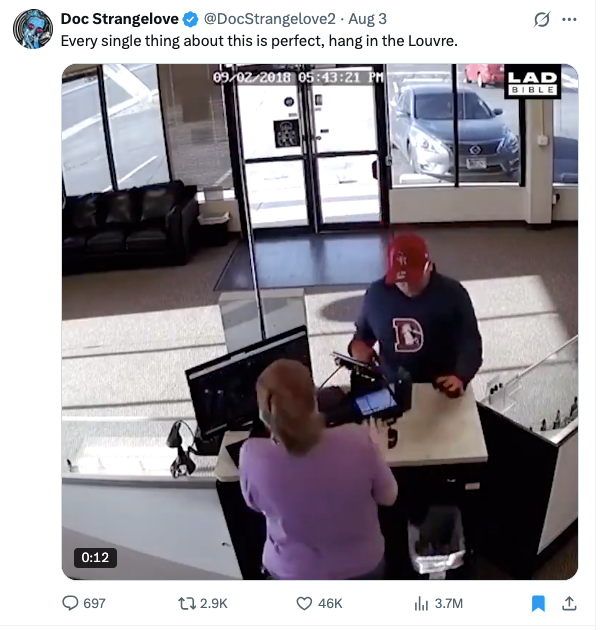
Bank robbery goes wrong in a hilarious way
Acknowledgements: I find a lot of these links myself, but I also get some from other places that I rely on as "serendipity engines," such as The Morning News from Rosecrans Baldwin and Andrew Womack, Jodi Ettenberg's Curious About Everything, Dan Lewis's Now I Know, Robert Cottrell and Caroline Crampton's The Browser, Clive Thompson's Linkfest and Why Is This Interesting by Noah Brier and Colin Nagy. If you come across something you think should be included here, feel free to email me at mathew @ mathewingram dot com