Inside a corporate retreat that went very badly wrong

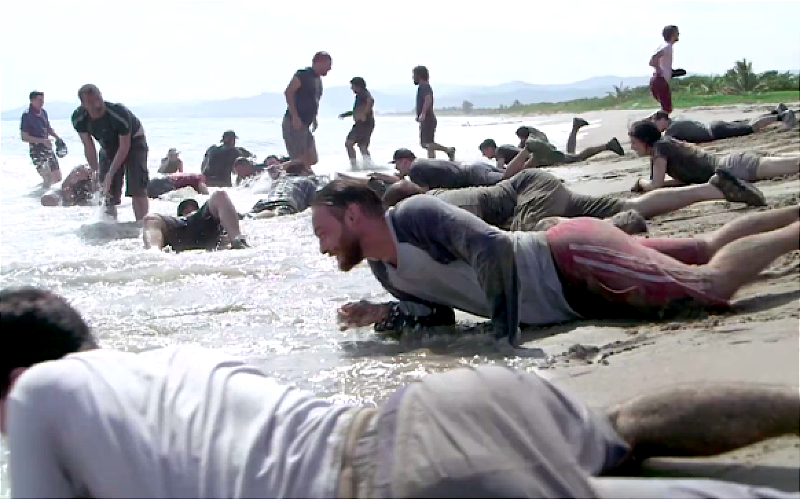
Senior executives at the tech company Plex were eager to treat their 120 fully remote staffers to a weeklong corporate getaway in a tropical paradise. The plan for the Honduras trip was simple: Company meetings and team building by powdery soft beaches during the day and island fun at night, at a cost of roughly $500,000 to the company. They’d build the trip around a “Survivor” theme, with teams and challenges. But it’d be fun, not too physically grueling. The CEO of Plex, a free streaming platform, would play a role similar to that of “Survivor” host Jeff Probst.Perhaps the executives should have taken it as a sign that just as the first bus of staffers pulled up to the resort, the chief executive was already in his hotel bathroom experiencing the initial waves of a violent stomach infection. What followed was a comedy of errors including military drills that outpaced anything this group of office workers had in mind, a rogue porcupine, stranded airplanes and one syringe to the butt of an employee. (via the WSJ)
Hair from this rare Tibetan antelope is finer than cashmere but it is illegal to hunt

Shahtoosh is wool obtained from chiru fur. The average fiber diameter of the down hair is 11.45 microns, and a span from 6.25 to 16.25 microns. Because of the small fiber diameter, the down hair of the chirus is the finest of all animal hairs.As undomesticated wild animals, the chirus — a rare Tibetan antelope — cannot be shorn, so they are killed for this purpose. Due to the severe decline of the chiru population by 90% in the second half of the 20th century, they were internationally classified as a critically endangered species until 2016. Since 2016, they have been classified as a near threatened species, due to species conservation programs and partial recovery of population size. The wool is mostly used to make luxurious scarves and shawls, although the production, sale, and acquisition of shahtoosh has been illegal since 1979. On the black market, shahtoosh shawls fetch prices ranging from $5,000 to $20,000. (via Wikipedia)
New Jersey teen finds treasure and more in abandoned storage units
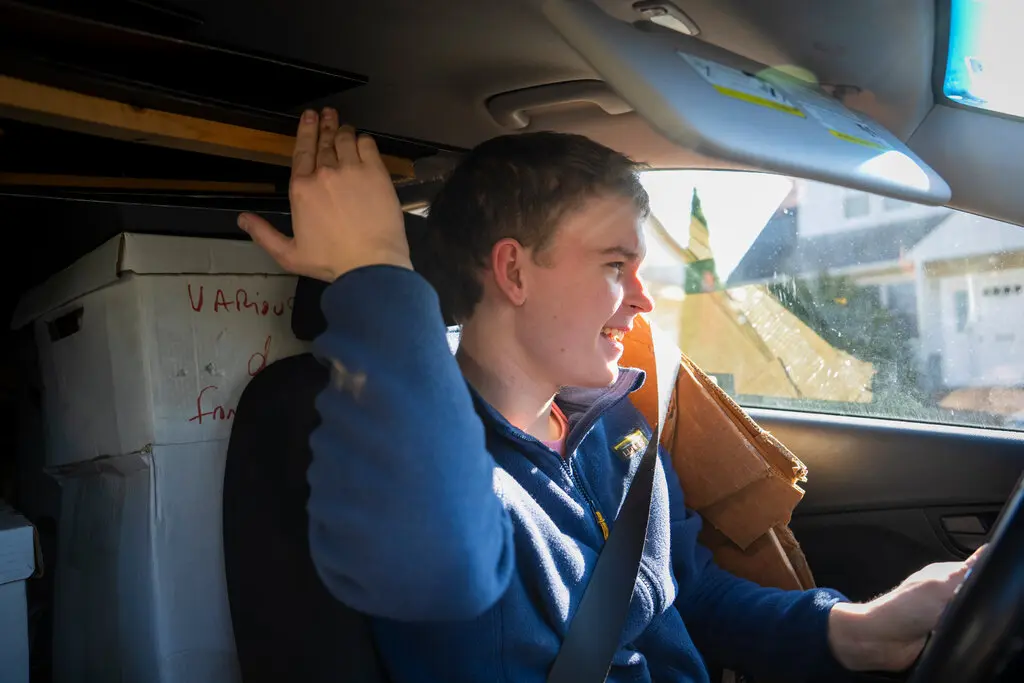
On an icy afternoon, a 17-year-old named Michael Haskell parked his battered Hyundai outside a cavernous storage facility on Staten Island. Then he fetched a hand truck and wheeled it through a maze of hundreds of identical units, its squeaking wheels echoing through the labyrinth. While some teenagers hang out after school, playing Fortnite or shooting hoops, Michael has taken up a more enterprising hobby. He buys abandoned storage lockers at bargain prices with the aim of selling their contents for profit. It began two years ago, when he watched a rerun of “Storage Wars.” He has been on an urban treasure hunt since. His adventures have brought him to CubeSmart and Mini Storage facilities in and around New York. He sells his scavenged goods through his eBay store, “Mike’s Unique Treasures,” to earn over $7,000 a month, a figure backed by the financial records he showed me. He runs his operation out of the suburban New Jersey home where he lives with his mother. (via the New York Times)
Hi everyone! Mathew Ingram here. I am able to continue writing this newsletter in part because of your financial help and support, which you can do either through my Patreon or by upgrading your subscription to a monthly contribution. I enjoy gathering all of these links and sharing them with you, but it does take time, and your support makes it possible for me to do that. I also write a weekly newsletter of technology analysis called The Torment Nexus.
A neuroscientist says hitting the brain with 40Hz vibrations can dissolve Alzheimer's lesions
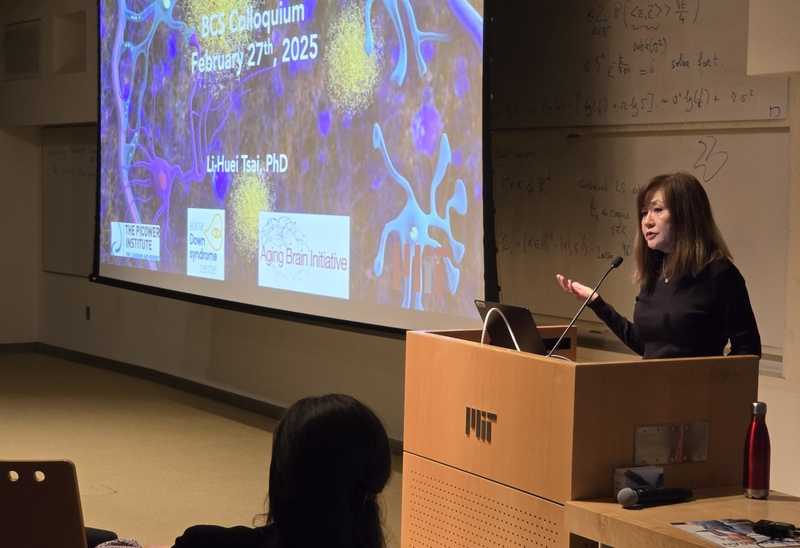
Starting with a paper in Nature in 2016, a collaboration led by Tsai has produced a series of studies showing that 40Hz stimulation via light, sound, the two combined, or tactile vibration reduces hallmarks of Alzheimer’s pathology such as amyloid and tau proteins, prevents neuron death, decreases synapse loss, and sustains memory and cognition in various Alzheimer’s mouse models. The collaboration’s investigations of the underlying mechanisms that produce these benefits have so far identified specific cellular and molecular responses in many brain cell types including neurons, microglia, astrocytes, oligodendrocytes, and the brain’s blood vessels. Last year, for instance, the lab reported in Nature that 40Hz audio and visual stimulation induced interneurons in mice to increase release of the peptide VIP, prompting increased clearance of amyloid from brain tissue via the brain’s glymphatic “plumbing” system. (via MIT)
A second Sphinx has been detected in Egypt as scans hint at an underground megastructure
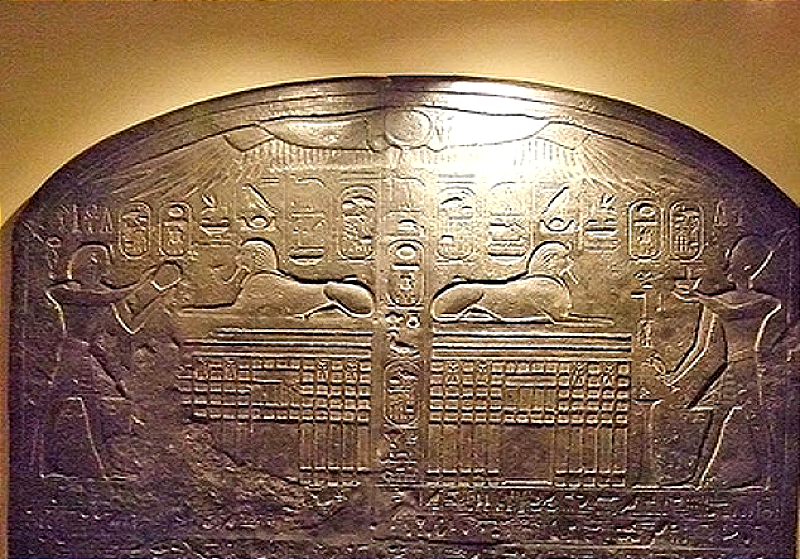
Ancient Egyptians may have left behind a cryptic clue to a hidden second Sphinx, carved directly into stone more than 3,000 years ago. The Dream Stele, positioned between the paws of the Great Sphinx, appears to depict two sphinx figures, hinting that the legendary monument may once have had a twin. Now, Italian researchers who, in 2025, claimed to have uncovered massive underground structures beneath the Giza Plateau believe they have identified the second guardian buried deep beneath the sands. Filippo Biondi revealed the discovery on Thursday while speaking on the Matt Beall Limitless podcast, explaining that lines drawn from the pyramids to the known Sphinx point to an identical mirrored location where the buried structure is believed to lie. Using satellite radar technology capable of detecting subtle ground vibrations, Biondi claimed the data points to a massive structure concealed beneath a 180-foot-high mound of hardened sand rather than natural bedrock. (via the Daily Mail)
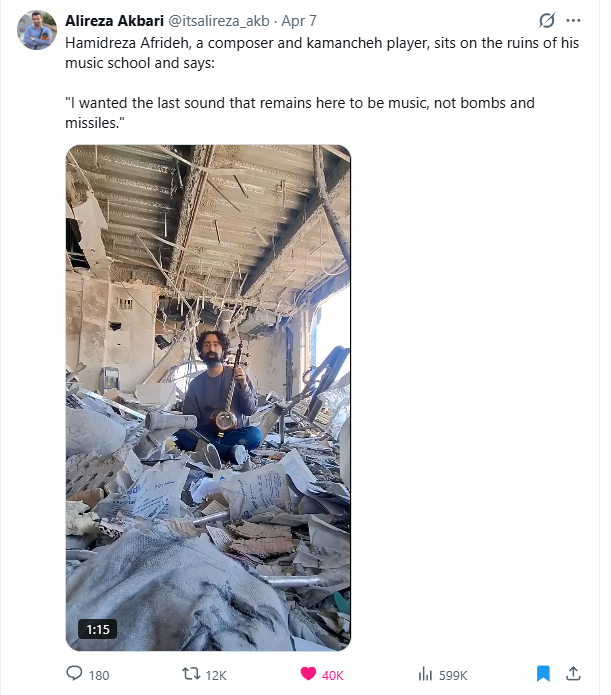
He sits in the ruins playing because he wants music to be the last sound heard there
Acknowledgements: I find a lot of these links myself, but I also get some from other places that I rely on as "serendipity engines," such as The Morning News from Rosecrans Baldwin and Andrew Womack, Jodi Ettenberg's Curious About Everything, Dan Lewis's Now I Know, Robert Cottrell and Caroline Crampton's The Browser, Clive Thompson's Linkfest and Why Is This Interesting by Noah Brier and Colin Nagy. If you come across something you think should be included here, feel free to email me at mathew @ mathewingram dot com