If you make lasagna in a metal pan you could create a battery

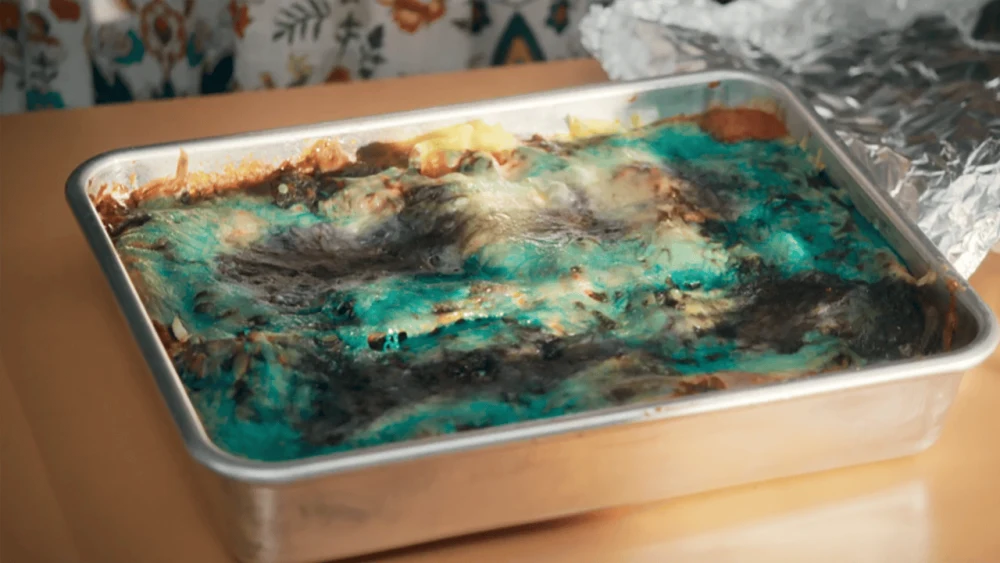
Batteries are devices that store electrical energy in the form of chemical energy, which convert that energy into electricity to conduct it. Your TV remote, mobile phone and mid-sized sedan all have different types of batteries — and others can be made with food like lemons, potatoes or, in this case, tomato sauce and pasta. Whether you make a lasagna with three or 50 layers, tomatoes and cheese need a metal pan and aluminum foil to conduct electricity. What happens has a scientific term: galvanic corrosion, an electrochemical process that occurs when two different metals are in contact with each other in the presence of an electrolyte. Shane C. Street, an associate professor of chemistry at the University of Alabama, explains that a galvanic, or spontaneous, electrochemical cell in a dish can form between the metal pan and the aluminum in the foil, supported by an electrolyte — namely, tomato sauce, which is salty and acidic. (via Today)
San Francisco’s most pointless gathering is proving to be surprisingly popular

Jasmine Downey, 29, works as a scheduler at a hospital. In her free time, she digs holes. Deep ones, if she can manage it. Why? “Because I might find treasure,” she said before spending an hour digging a hole that would fit the length of her body. On Saturday afternoon, Downey joined around 200 strangers at Ocean Beach for the 13th “Hole Party,” a loosely organized gathering dedicated to the ancient, questionably productive act of digging. The rules are minimal, said organizer Anna Magruder. Magruder came up with the idea a few years ago at Baker Beach, after digging a hole with friends and realizing it was, for reasons that remain unclear, extremely compelling. The first party was held in August 2022. For the fifth, in May 2025, 150 people showed up. There is no set schedule. “There’s a primal urge to dig,” she said. (via the SF Standard)
Researchers find that newborn babies can anticipate rhythm changes in music

Newborn babies can anticipate rhythm in pieces of music, researchers have discovered, offering insights into a fundamental human trait. Babies in the womb begin to respond to music by about eight or nine months, as shown by changes in their heart rate and body movements, said Dr. Roberta Bianco, the first author of the research who is based at the Italian Institute of Technology in Rome. Bianco said previous studies suggested macaque monkeys also showed a greater sensitivity to rhythmic patterns than melodic ones. “Rhythm seems to be built on very ancient auditory abilities that we share with other primates, while melody appears to depend on human brain specialisations that are shaped by learning after birth,” Bianco said. (via The Guardian)
Hi everyone! Mathew Ingram here. I am able to continue writing this newsletter in part because of your financial help and support, which you can do either through my Patreon or by upgrading your subscription to a monthly contribution. I enjoy gathering all of these links and sharing them with you, but it does take time, and your support makes it possible for me to do that. I also write a weekly newsletter of technology analysis called The Torment Nexus.
The CIA secretly owned one of the largest cryptography equipment makers for 50 years
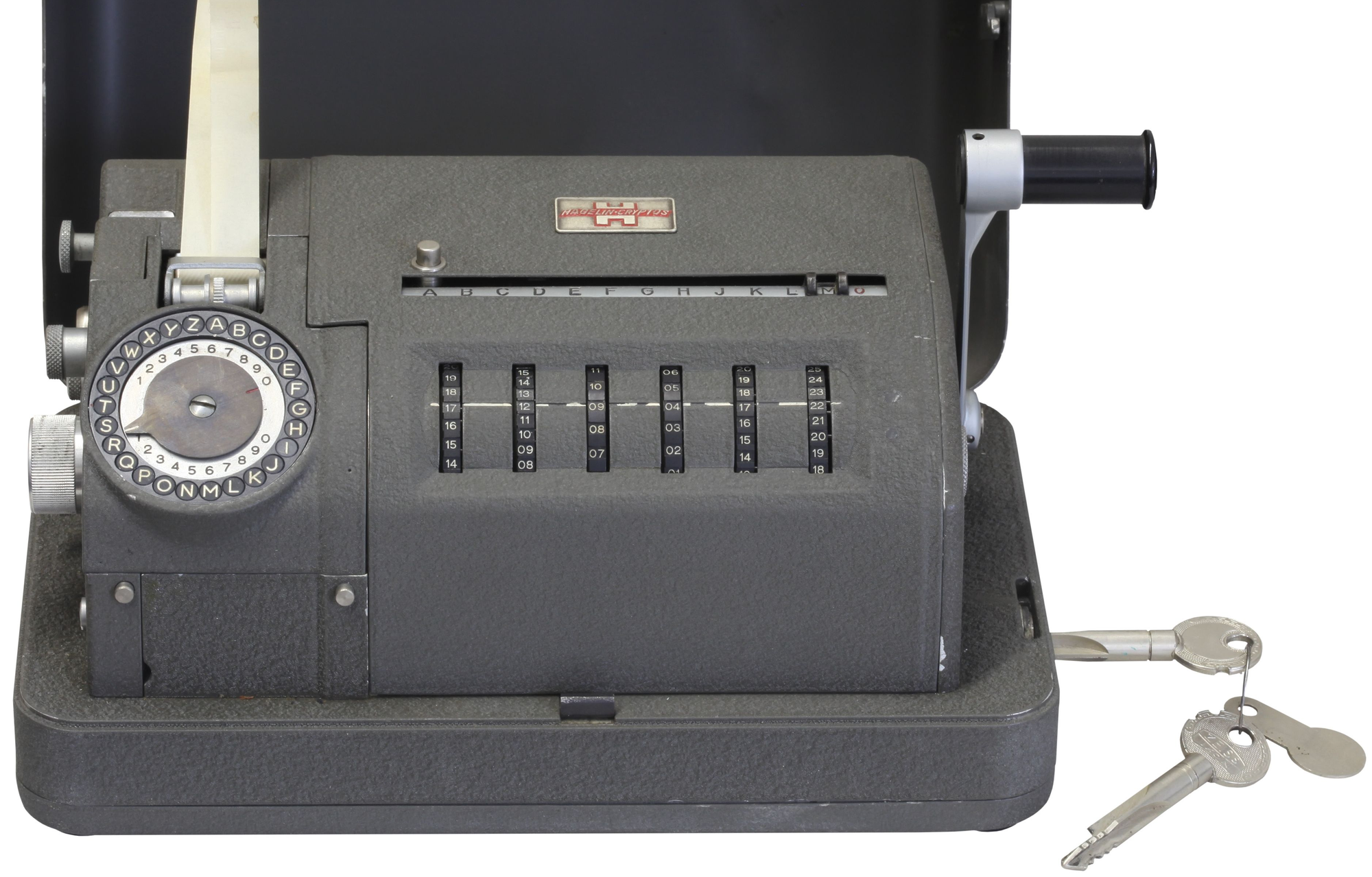
Crypto AG was a Swiss company specialising in communications and information security founded in 1952. The company was secretly purchased in 1970 by the US Central Intelligence Agency (CIA) and West German Federal Intelligence Service (BND) for US $5.75 million and jointly owned until about 1993, with the CIA continuing as sole owner until about 2018. The mission of breaking encrypted communication using a secretly owned company was known as Operation Rubicon. With headquarters in Steinhausen, the company was a long-established manufacturer of encryption machines and a wide variety of cipher devices. The company had about 230 employees, had offices in Abidjan, Abu Dhabi, Buenos Aires, Kuala Lumpur, Muscat, Selsdon and Steinhausen, and did business throughout the world. The owners of Crypto AG were unknown, supposedly even to the managers of the firm. In 2020, The Washington Post, ZDF and SRF revealed that Crypto AG was secretly owned by the CIA. (via Wikipedia)
This sacred Italian feast has 50 courses and no leftovers are allowed
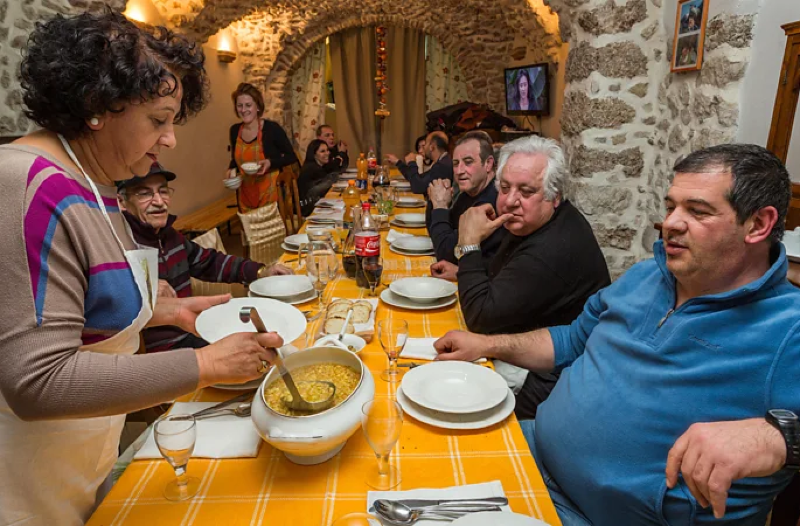
Each year in the village of Villavallelonga, friends and family gather to honour a local saint with a 50-course meal where no forkful goes uneaten – just as they have for centuries. It's just past 23:00 when the pasta bignè (fried dough swimming in hen broth) is cleared away. The rustic soup is the 22nd course my fellow 42 diners and I have been served since taking our seats in Lucia Corona's dining room. Now comes the frascareglie – a humble "false polenta" made from water and flour and smothered with fragrant mutton ragu. We've been sitting at the table for three hours. There are 28 more courses to go. Dinners that last hours are typical in Italy, but this is no typical dinner. This is the panarda, the communal meal held every 16 January on the feast of Saint Anthony Abate in the 900-person mountain village of Villavallelonga, Abruzzo. There are 50 button-popping courses, all to be eaten: no shortcuts, no excuses. It is one of the most distinctive communal food rituals in central Italy – and one of its oldest. (via the BBC)
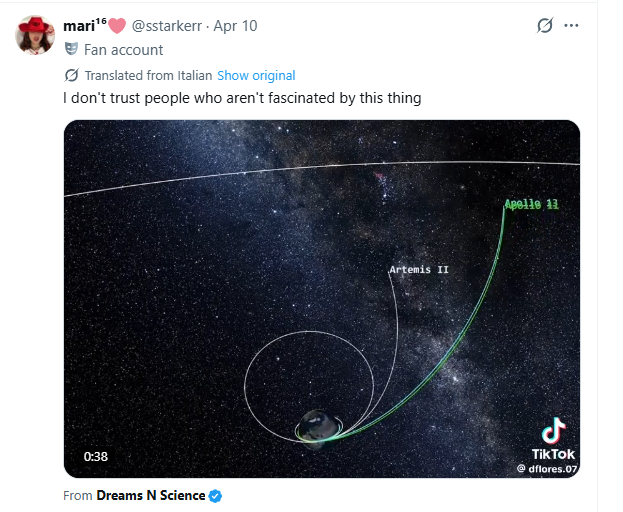
A visualization of the Artemis 2 trajectory compared to Apollo 11
Acknowledgements: I find a lot of these links myself, but I also get some from other places that I rely on as "serendipity engines," such as The Morning News from Rosecrans Baldwin and Andrew Womack, Jodi Ettenberg's Curious About Everything, Dan Lewis's Now I Know, Robert Cottrell and Caroline Crampton's The Browser, Clive Thompson's Linkfest and Why Is This Interesting by Noah Brier and Colin Nagy. If you come across something you think should be included here, feel free to email me at mathew @ mathewingram dot com