Hundreds of massive Aztec earthworks found in Amazon

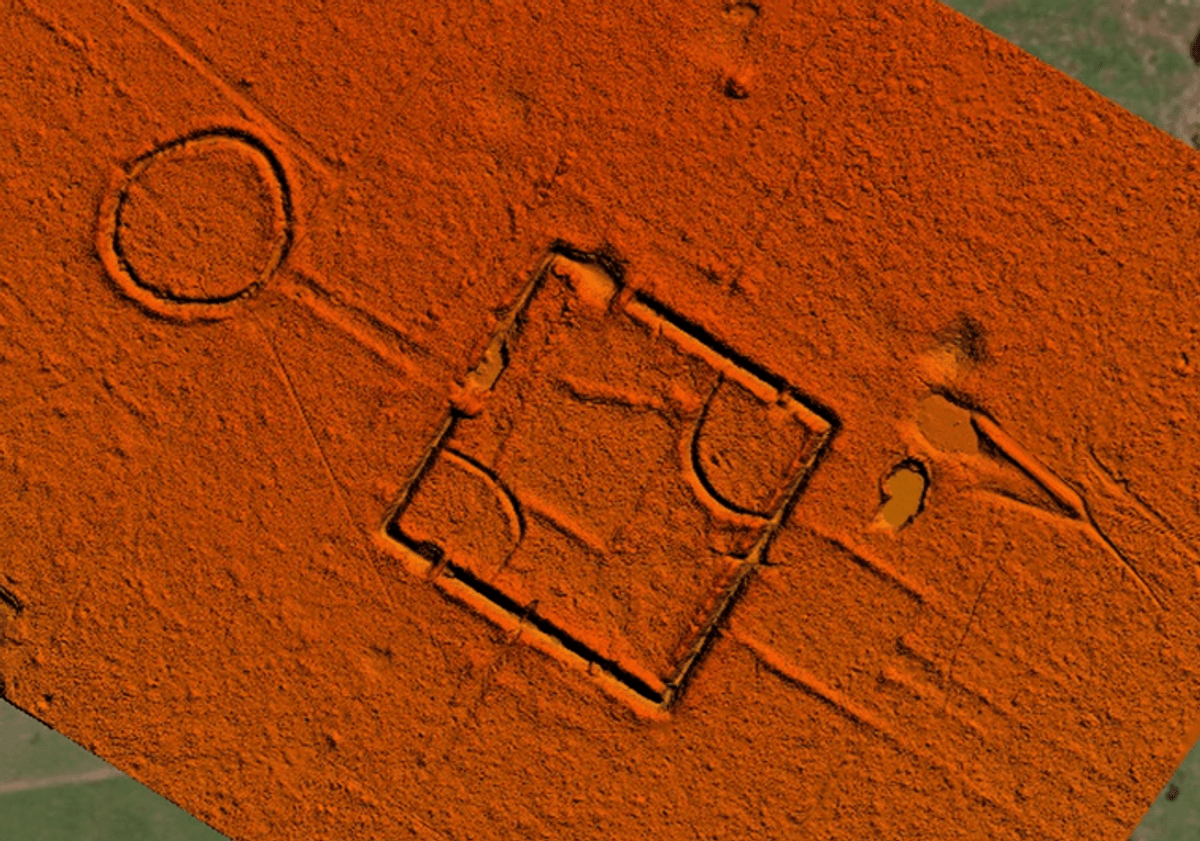
Tens of thousands of undiscovered ancient structures known as “earthworks” are likely hidden in the Amazon near the border between Brazil, Bolivia and Peru. That’s what researchers concluded after flying a plane equipped with remote sensing instruments over an approximately 4,497-square-kilometer (1,736-square-mile) region in Brazil. They detected 396 new earthworks, suggesting that the Southwest Amazon could contain more of these structures than researchers ever expected—somewhere between 24,000 and 30,000 in total. A particular kind of earthwork kept showing up in the images: mysterious, geometric designs in the ground called geoglyphs. The structures can extend several football fields in size, and they are a signature of the so-called Aquiry civilization that inhabited the Amazon between 600 B.C.E. and C.E. 850. Researchers think geoglyphs may have served ceremonial or cultural purposes, such as a hosting site for festivities, but their exact function is still up for debate. (via Scientific American)
Researchers did an experiment that shows some birds fly just because they like it
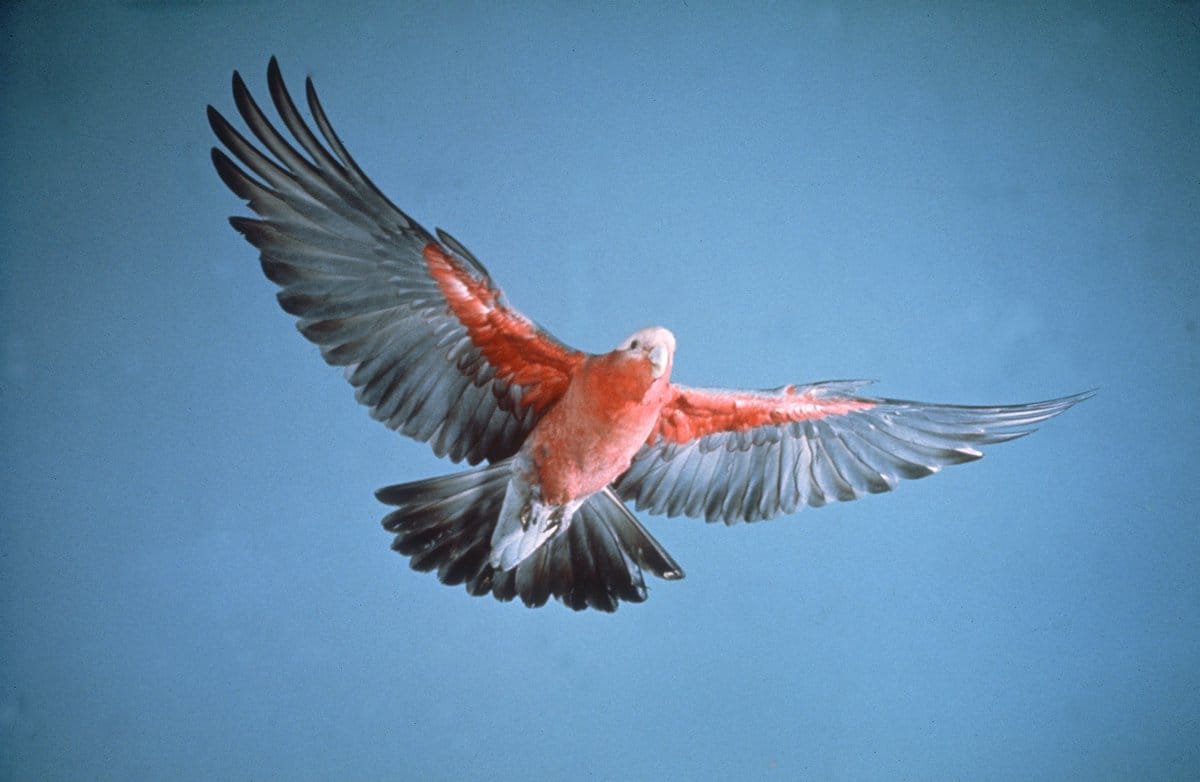
To investigate whether birds ‘like’ flying, we assessed the emotional states of galahs after having participated in a free flight demonstration and compared these results to days on which the birds were not allowed to fly. We selected this particular species as galahs need to fly tens of kilometres per day to feed on seeds, which is their main food source. As such, these parrots likely need to be intrinsically motivated to initiate flight. By evaluating their behaviour, testing their optimism in a cognitive bias task, and measuring corticosterone levels in their droppings, and comparing these findings on days of non-flight versus days on which they were allowed to fly, we aimed to deduce whether flight leads to a positive emotional state that could act as an intrinsic motivator. We showed that the birds consistently choose to fly when given the opportunity, indicating that flight is highly preferred. In addition, we showed that these birds were more likely to show optimisms after consecutive days of flight, while being more pessimistic after days on which they were not allowed to fly. (via Brill.com)
Steve Henson created America’s favourite ranch dressing for his Hidden Valley guests
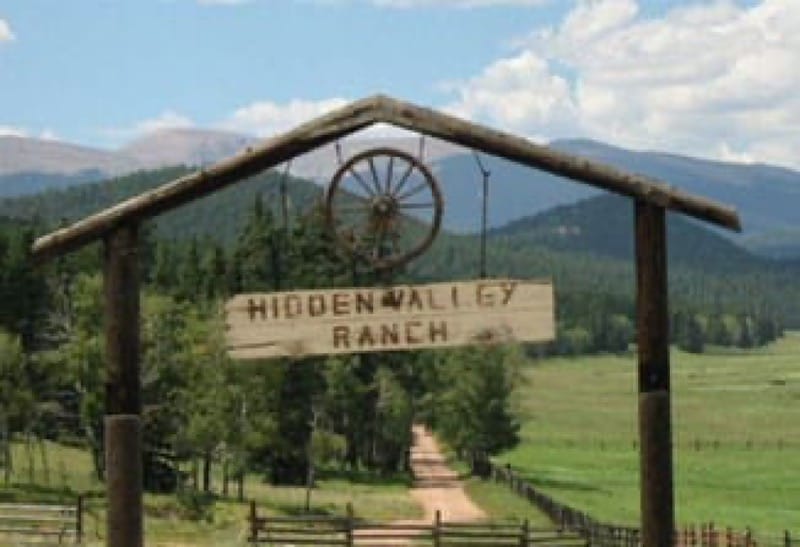
Steve Henson was the kind of person my mom would call a “real character”. After growing up in rural Nebraska, he set out to find success in Alaska. He found it, establishing a successful construction and plumbing contracting company, which he sold for a tidy profit. Like many who make their fortune in northern climes, Steve and his wife decided to retire in California, buying a 120-acre property north of Santa Barbara. He called it the Hidden Valley Ranch and, ever the entrepreneur, turned it into a destination- a “guest ranch” where people could go for the weekend. By all accounts, Henson was a pretty good cook, a skill he said he picked up in Alaska. He was also a storyteller, and with a flourish he would serve the dressing he “invented”. In truth, it was a pretty standard buttermilk dressing of the kind Steve would have grown up with in Nebraska. But Henson added some garlic and parsley along with a pinch of MSG and BAM, he had created the Hidden Valley Ranch’s secret dressing. (via Pax Culinaria)
Hi everyone! Mathew Ingram here. I am able to continue writing this newsletter in part because of your financial help and support, which you can do either through my Patreon or by upgrading your subscription to a monthly contribution. I enjoy gathering all of these links and sharing them with you, but it does take time, and your support makes it possible for me to do that. I also write a weekly newsletter of technology analysis called The Torment Nexus.
Leonardo da Vinci created the world’s first scientifically accurate map in the 1500s
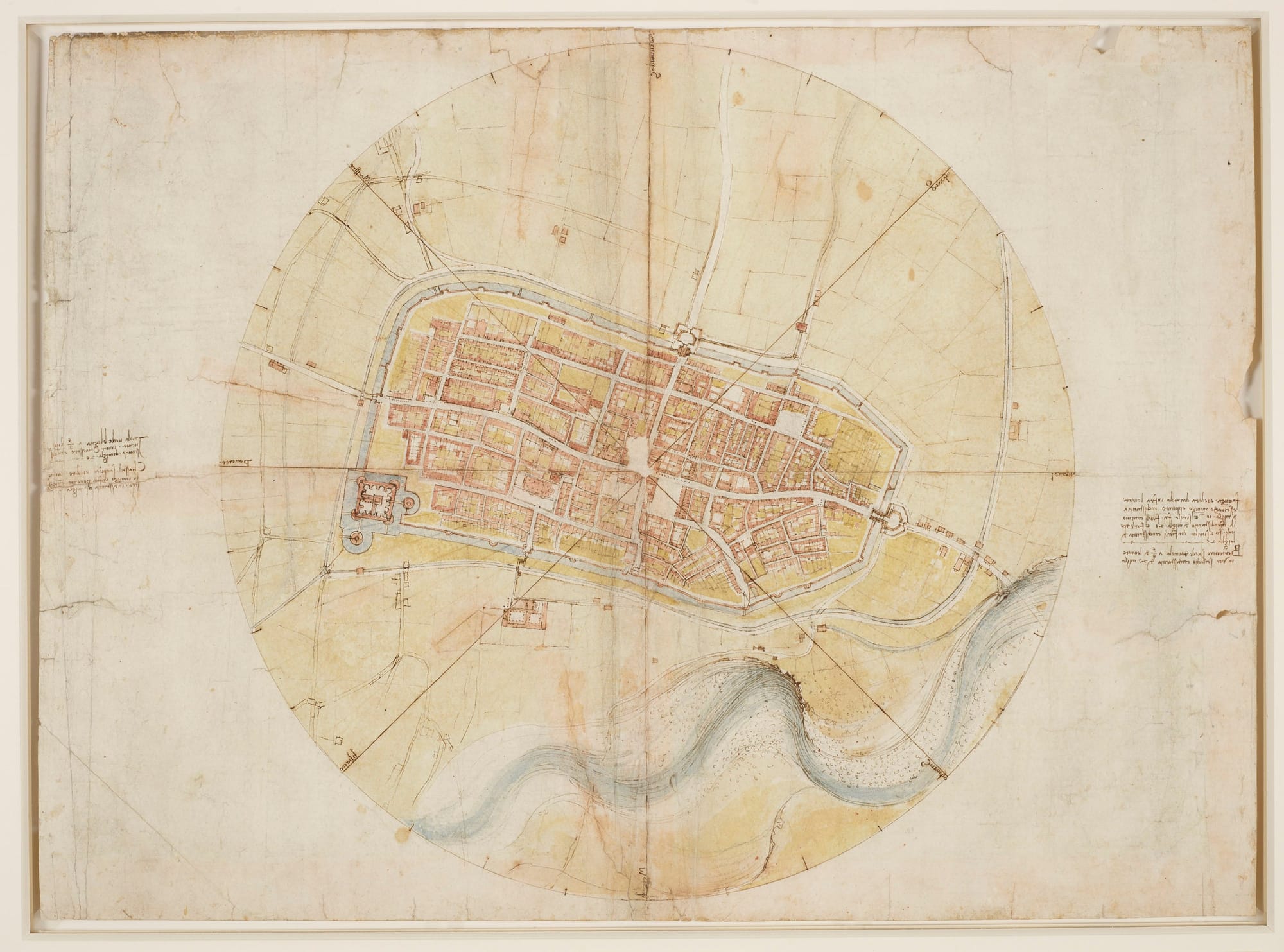
In the early Sixteenth Century Niccolò Machiavelli and Leonardo da Vinci accompanied Cesare Borgia on his rampages through the Romagna region of northern Italy. Leonardo was there because he had been employed by Borgia as a military architect and engineer. While working in the role of military engineer Leonardo da Vinci created the 1502 Map of Imola. Leonardo's Plan of Imola is reported to be the oldest extant ichnographic or zenith map. An icnographic map shows every location depicted as it would be seen when looking directly down from above. Da Vinci may well have walked the city with his own design of odometer, which consists of a wheel, used to measure the distance on the ground, and a tray of balls. The odometer holds a tray with a number of sections, each of which contains a ball or a stone. This tray is pushed along and when each box passes over a hole the ball or stone falls into a drawer. The number of balls dropped into the drawer gives the distance traveled. (via Google Maps Mania)
How this Kentucky water tower wound up saying “Florence Y’all” instead of “Florence Mall”
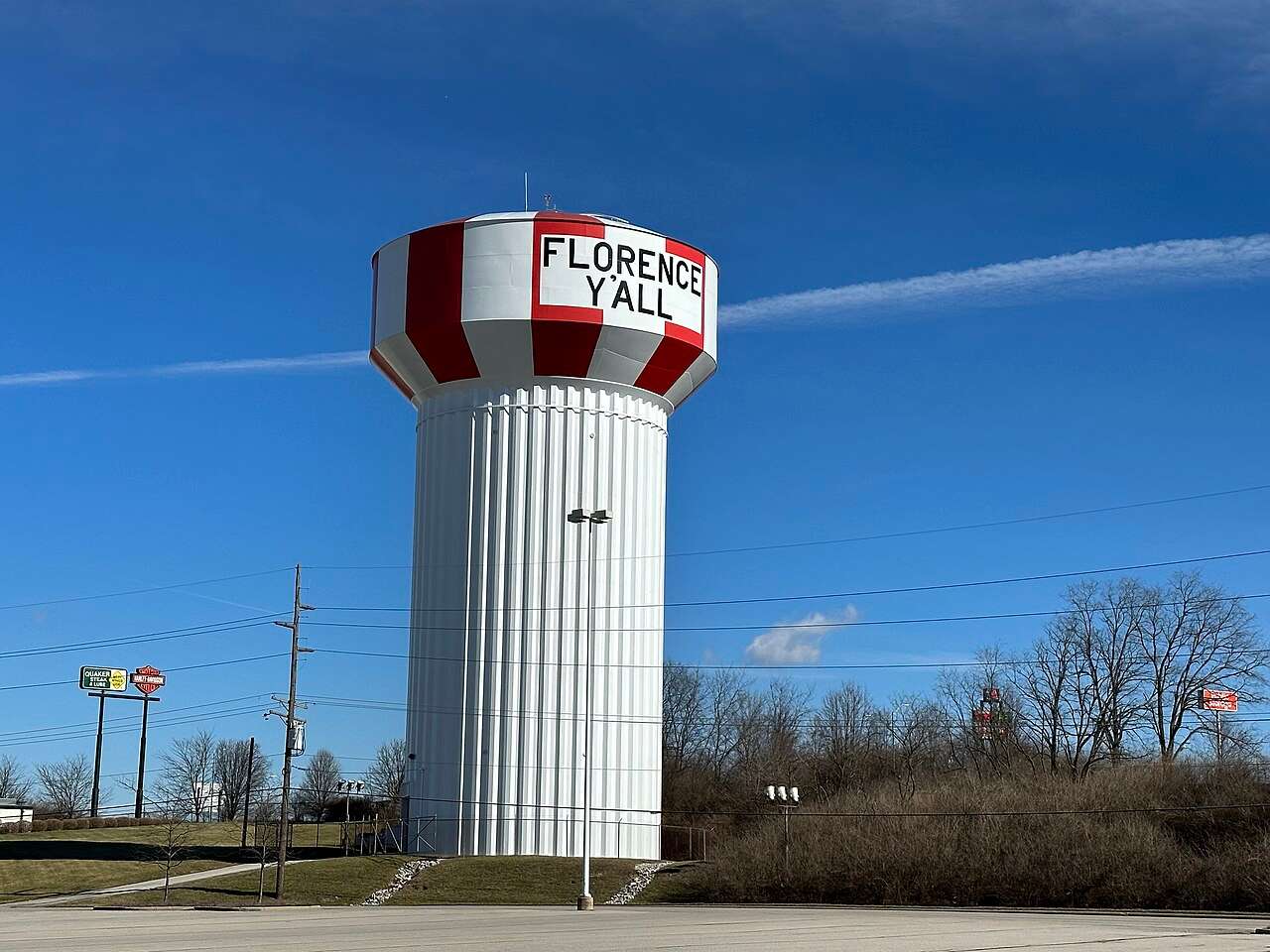
The Florence Y'all Water Tower stands beside Interstate 75 in Florence, Kentucky, and it says "Y'all" because of a paperwork problem. When it went up in 1974 it read FLORENCE MALL. The developers had given the city the land for the tower on the condition that the mall's name be painted where interstate drivers would see it, and the mall itself was still two years from opening. In July 1974 the state Bureau of Highways told the city the sign was illegal, because it advertised something that did not yet exist. The choices on the table were repainting the whole tank or covering the words with a tarpaulin. Then city staff sat down at the Stringtown Restaurant with the mayor, C.M. "Hop" Ewing, who "sketched different ideas on a napkin" and worked out that shaving the outer strokes off the M, adding a stem, and dropping in an apostrophe would turn MALL into Y'ALL. He called it a "corny solution, but cost-effective." It ran about a third the price of a repaint, and the city paid $472 to have it done. (via Boing Boing)
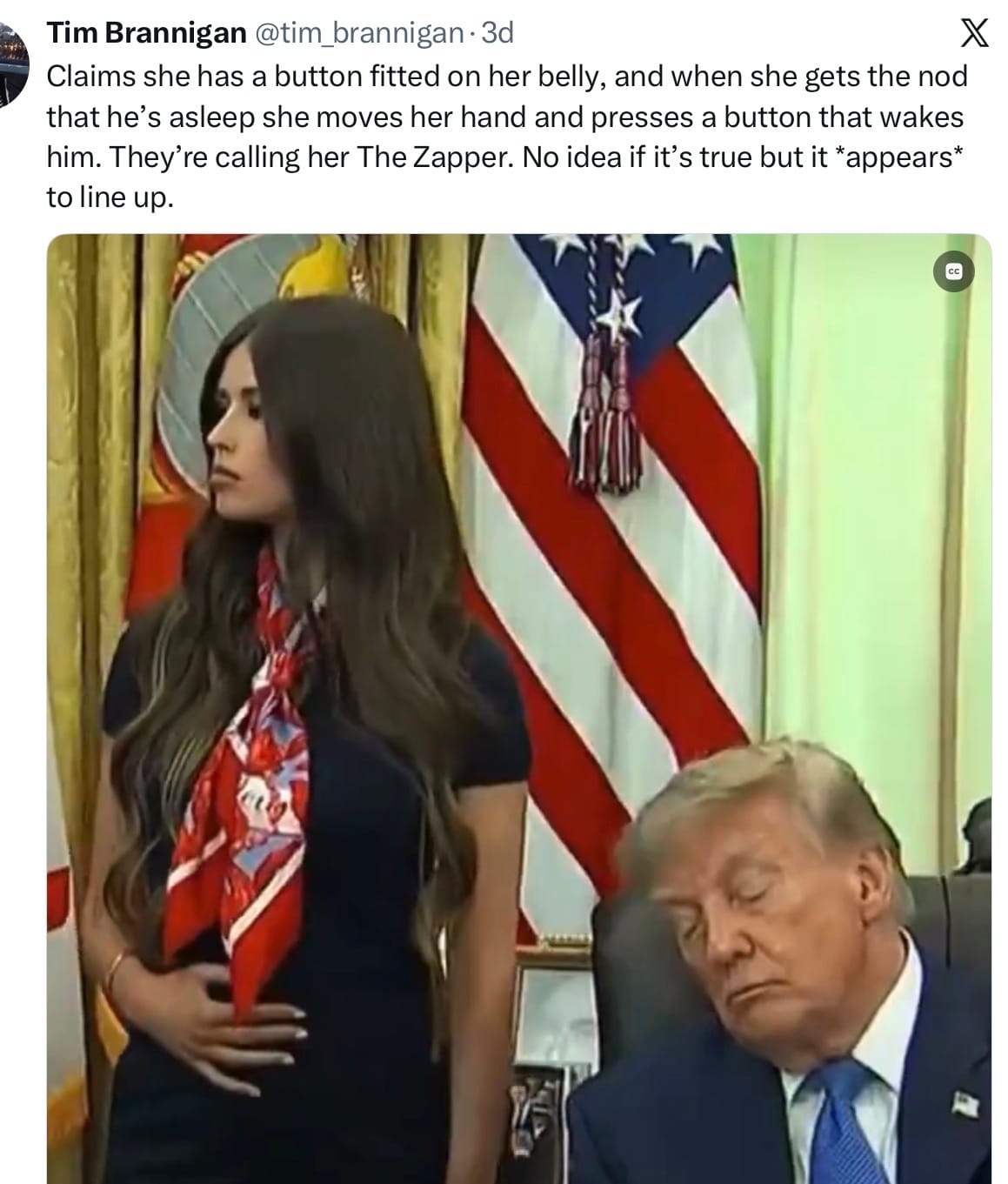
Is there a White House staffer with a buzzer that wakes Trump up? You be the judge
Acknowledgements: I find a lot of these links myself, but I also get some from other places that I rely on as "serendipity engines," such as The Morning News from Rosecrans Baldwin and Andrew Womack, Jodi Ettenberg's Curious About Everything, Dan Lewis's Now I Know, Robert Cottrell and Caroline Crampton's The Browser, Clive Thompson's Linkfest and Why Is This Interesting by Noah Brier and Colin Nagy. If you come across something you think should be included here, feel free to email me at mathew @ mathewingram dot com