Her cells created billions in value for drug companies

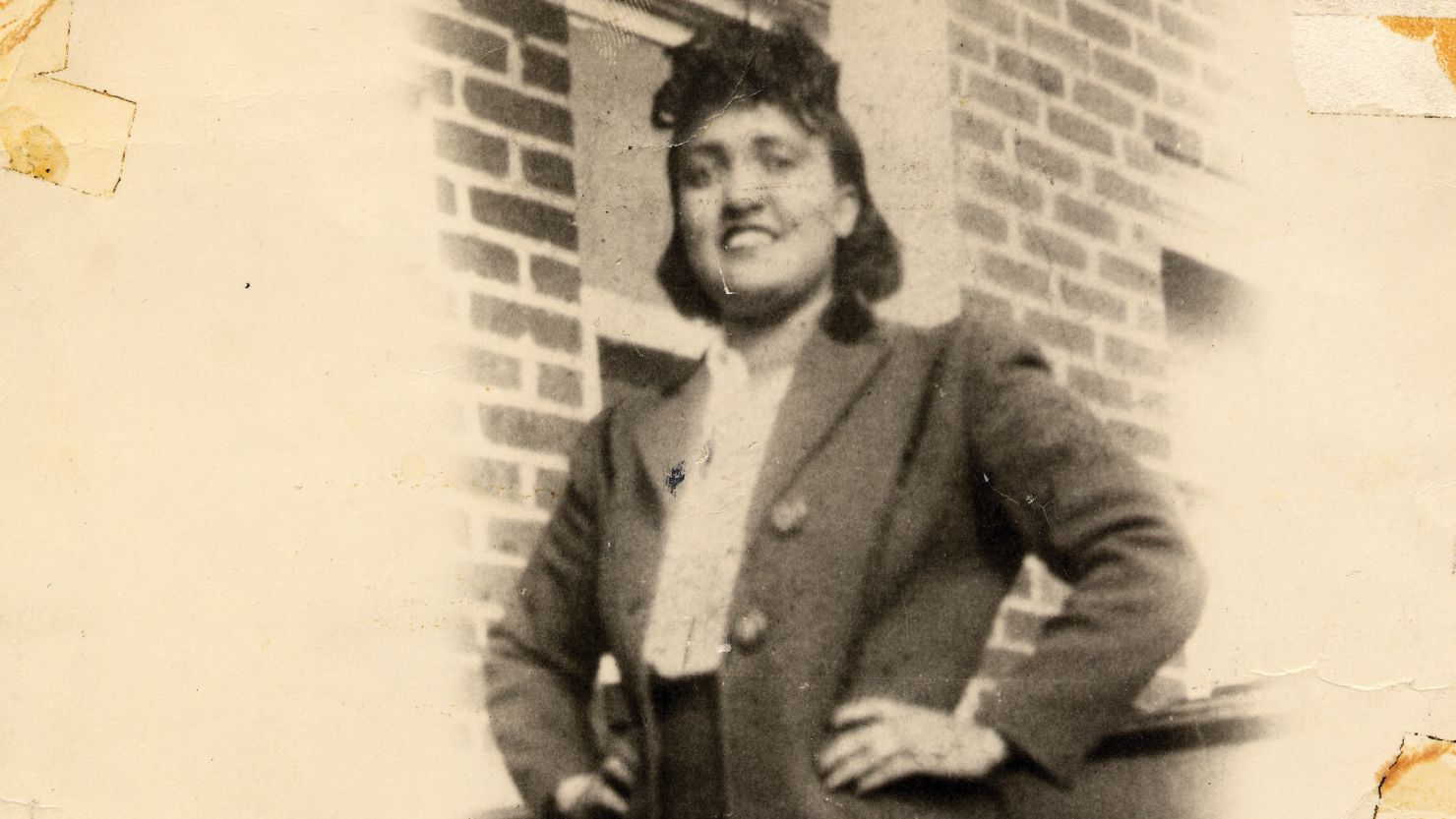
Novartis has settled a lawsuit by the estate of Henrietta Lacks that alleged the pharmaceutical giant unjustly profited off her cells, which were taken from her tumor without her knowledge in 1951 and reproduced in labs to enable major medical advancements, including the polio vaccine. It’s the second settlement in lawsuits filed by the estate that accused biomedical businesses of reaping rewards from a racist medical system that took advantage of Black patients like Lacks. The settlement ends litigation between Novartis and the estate of Lacks, a mother who died of cervical cancer at age 31. Doctors at Johns Hopkins Hospital took Lacks’ cervical cells in 1951 without her knowledge, and the tissue taken from her tumor before she died became the first human cells to continuously grow and reproduce in lab dishes. HeLa cells became a cornerstone of modern medicine, enabling countless scientific and medical innovations, including the development of genetic mapping and even COVID-19 vaccines. (via AP News)
Why did British barrister Charles Foster decide to live like an animal?
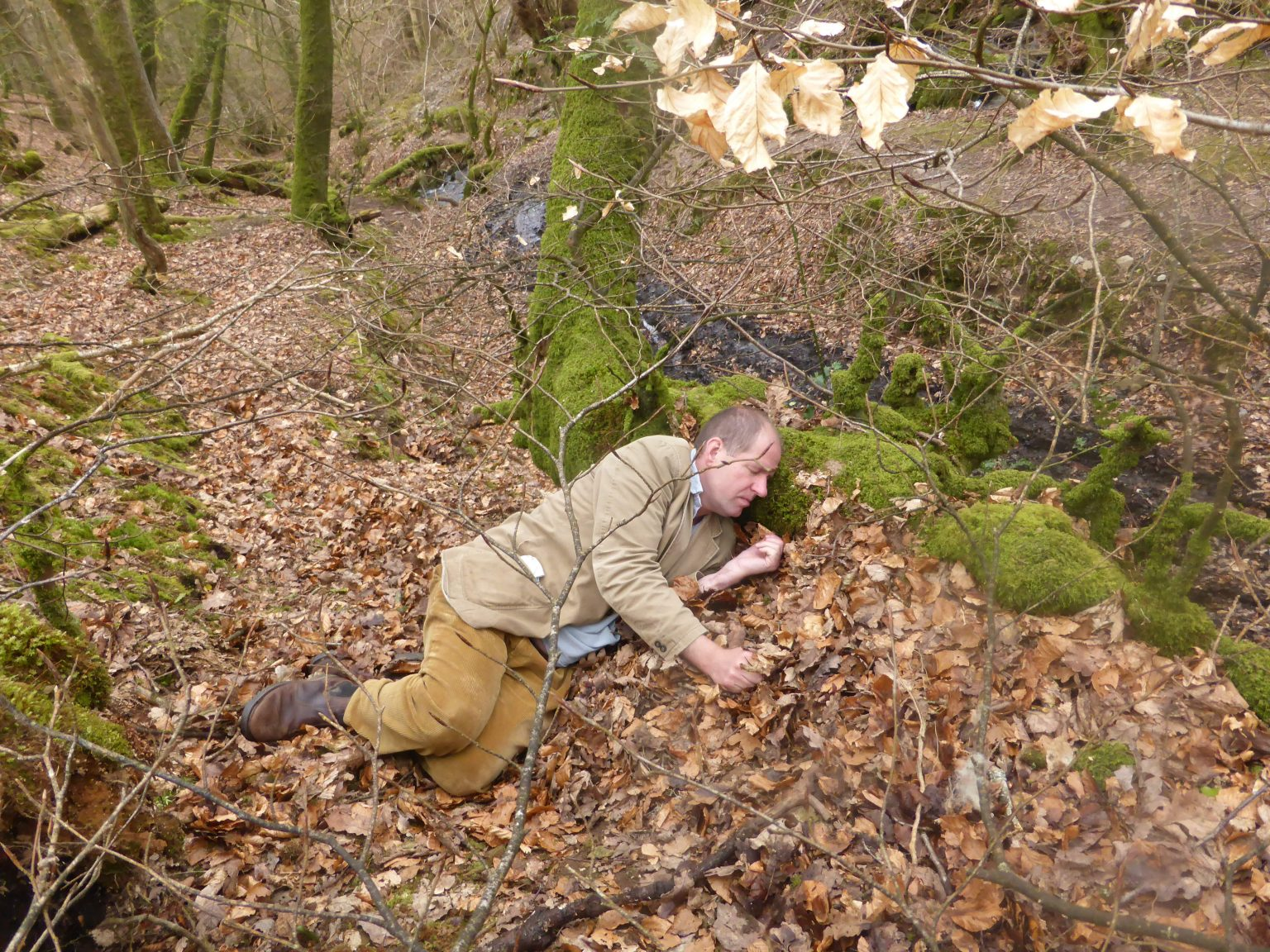
have become The Man Who Eats Worms,” Charles Foster shrugs, sorrowfully. “It’s not really a very interesting subject. It doesn’t tell you anything about how badgers experience the world.” This combination of self-deprecation and a quest for deeper purpose is what defines Foster, the 53-year-old barrister and Oxford medical tutor who decided to shed his professional human trappings and live like an animal. It also defines the book he has written about his experiences, called Being a Beast . Eating earthworms, licking slugs and scuffling around on all fours, he and his then eight-year-old son (or cub) Tom lived nocturnally for six weeks as badgers in a Welsh wood; his farmer friend dug out a sett for them in the hillside. In the East Lyn river, Foster thrashed around as an otter, catching the occasional unlucky fish in his mouth, and failing to notice a leech attached to his lip for an hour as his face numbed from the cold. (via New Statesman)
Great news everyone: It's fish doorbell season again in the Netherlands
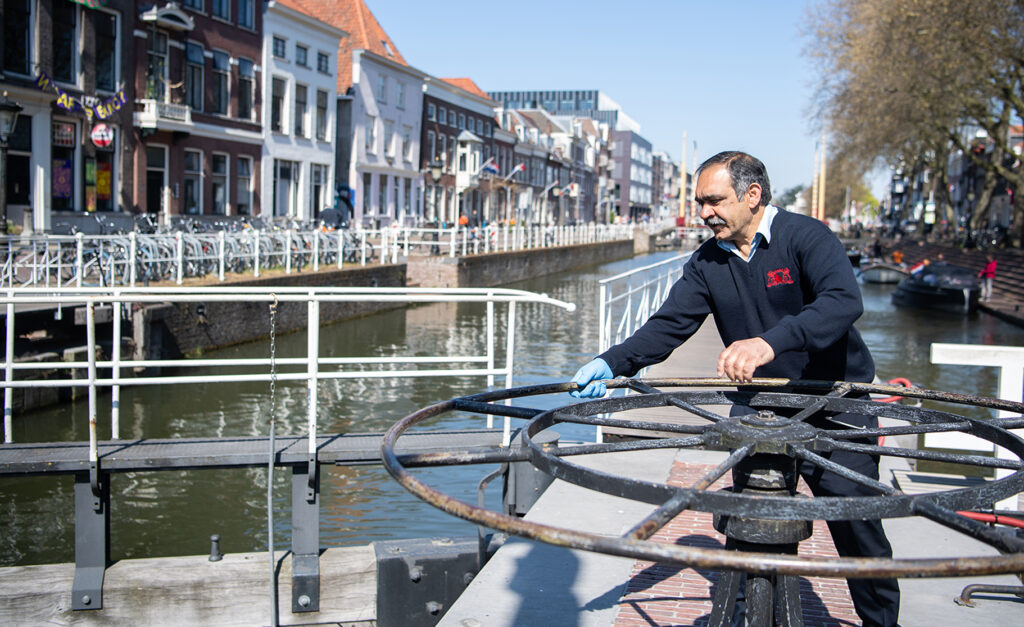
Every spring, thousands of fish swim through Utrecht’s canals and waterways, searching for a place to spawn and reproduce. In the heart of the city lies the beautiful Weerdsluis, a manually operated lock. When the lock gates are closed, fish are forced to wait, wasting valuable time and energy – making them easy prey for birds and predatory fish. To help the fish, an underwater camera is installed at the lock. If fish appear on screen, you can press the doorbell! This alerts the lock keeper, who will open the lock when many fish are waiting. You can “ring” the Fish Doorbell from early March to late May People do so enthusiastically every year. In 2024, the Fish Doorbell attracted around 2.7 million viewers, from America to Brazil! The project has gained global recognition, helping people worldwide learn about fish migration and Utrecht’s underwater world. (via Visdeurbel)
Hi everyone! Mathew Ingram here. I am able to continue writing this newsletter in part because of your financial help and support, which you can do either through my Patreon or by upgrading your subscription to a monthly contribution. I enjoy gathering all of these links and sharing them with you, but it does take time, and your support makes it possible for me to do that. I also write a weekly newsletter of technology analysis called The Torment Nexus.
How far back can you understand what is being said in written English?
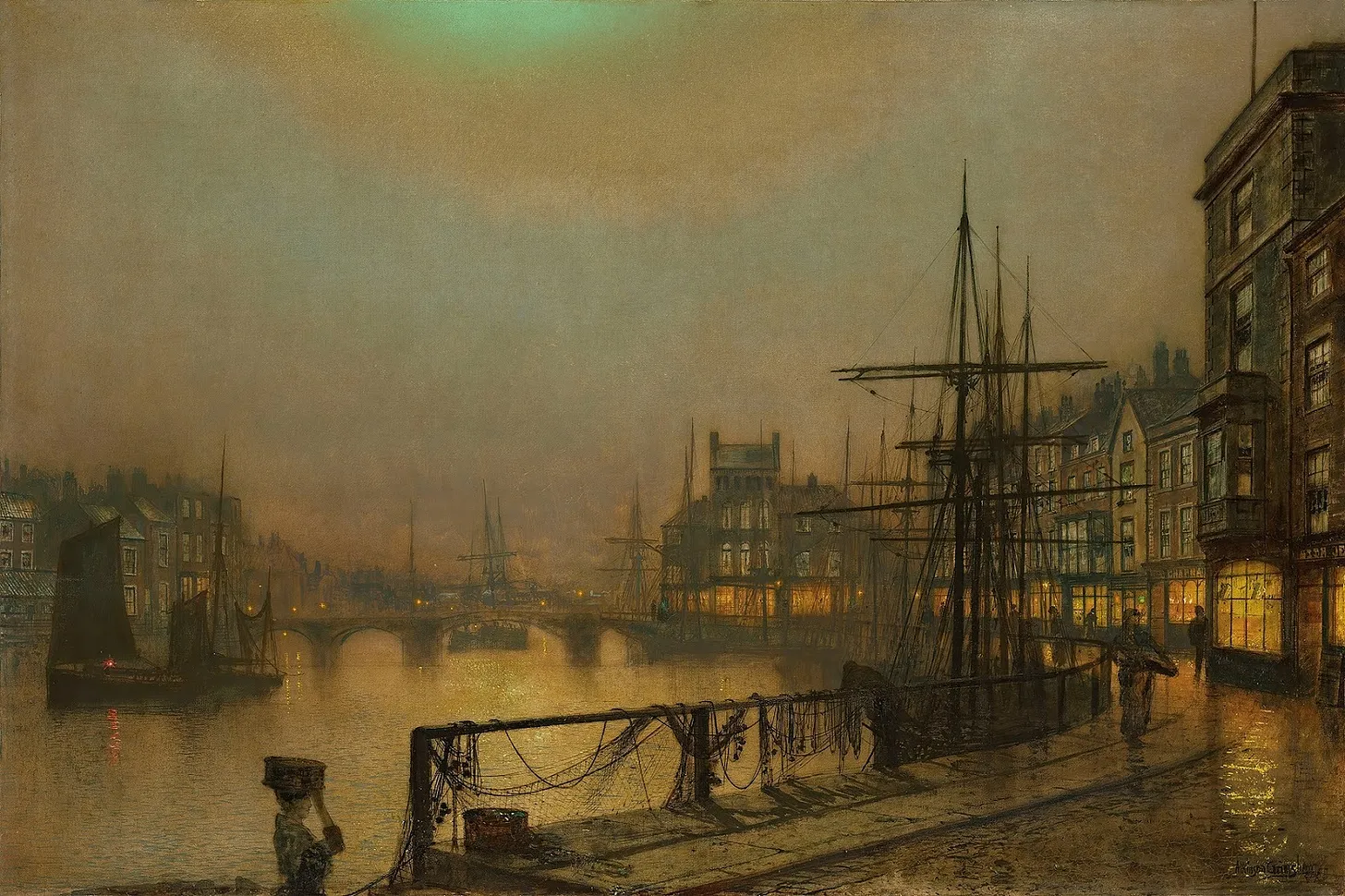
A man takes a train from London to the coast. He’s visiting a town called Wulfleet. It’s small and old, the kind of place with a pub that’s been pouring pints since the Battle of Bosworth Field. He’s going to write about it for his blog. He’s excited. He arrives, he checks in. He walks to the cute B&B he’d picked out online. And he writes it all up like any good travel blogger would: in that breezy LiveJournal style from 25 years ago, perhaps, in his case, trying a little too hard. But as his post goes on, his language gets older. A hundred years older with each jump. The spelling changes. The grammar changes. Words you know are replaced by unfamiliar words, and his attitude gets older too, as the blogger’s voice is replaced by that of a Georgian diarist, an Elizabethan pamphleteer, a medieval chronicler. By the middle of his post, he’s writing in what might as well be a foreign language. But it’s not a foreign language. It’s all English. (via Dead Language Society)
The popsicle was invented by an 11-year-old boy and were originally called Epsicles

The next time you pop a Popsicle in your mouth, think about this: You're enjoying the fruits of an 11-year-old entrepreneur's labor. Back in 1905, a San Francisco Bay Area kid by the name of Frank Epperson accidentally invented the summertime treat. He had mixed some sugary soda powder with water and left it out overnight. It was a cold night, and the mixture froze. In the morning, Epperson devoured the icy concoction, licking it off the wooden stirrer. He declared it an Epsicle, a portmanteau of icicle and his name, and started selling the treat around his neighborhood. In 1923, Epperson decided to expand sales beyond his neighborhood. He started selling the treat at Neptune Beach, a nearby amusement park. Buoyed by this success, Epperson applied for a patent for his "frozen confection of attractive appearance, which can be conveniently consumed without contamination by contact with the hand and without the need for a plate, spoon, fork or other implement" in 1924. (via NPR)
While cleaning out his mother's house he found his ancestor's freedom papers
Acknowledgements: I find a lot of these links myself, but I also get some from other places that I rely on as "serendipity engines," such as The Morning News from Rosecrans Baldwin and Andrew Womack, Jodi Ettenberg's Curious About Everything, Dan Lewis's Now I Know, Robert Cottrell and Caroline Crampton's The Browser, Clive Thompson's Linkfest and Why Is This Interesting by Noah Brier and Colin Nagy. If you come across something you think should be included here, feel free to email me at mathew @ mathewingram dot com