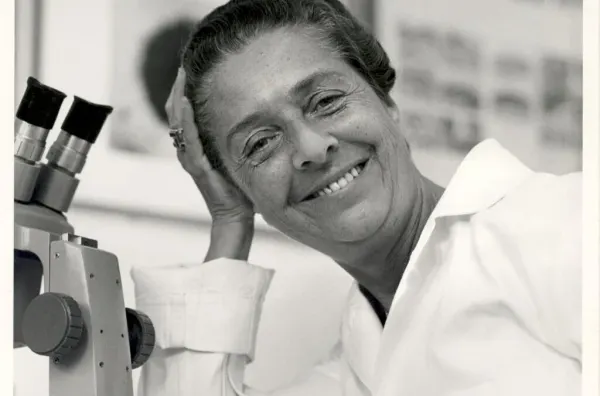
He invented flash memory but he got nothing in return


Fujio Masuoka invented flash memory, a technology used in semiconductors with sales of $76 billion in 2001. These chips went into products worth more than $3 trillion, including automobiles, computers and mobile phones. Flash memory was the most important semiconductor innovation of the 1990s, and it should have made Masuoka very rich. But the 59-year-old inventor lives in Japan. His employer, Toshiba, recognized his efforts by awarding him a bonus worth a "few hundred dollars" – and promptly let its archrival Intel take control of the market for his invention. Subsequently, Masuoka says, Toshiba tried repeatedly to move him from his senior post. Toshiba told Forbes that Intel invented flash memory. But Intel says that it was Toshiba, and in 1997 the Institute of Electrical & Electronics Engineers in New York gave Masuoka its Morris N. Liebman Memorial Award in recognition of his invention. (via Forbes Global)
This Van Gogh painting was found wrapped in an Ikea bag and a blood-stained pillow
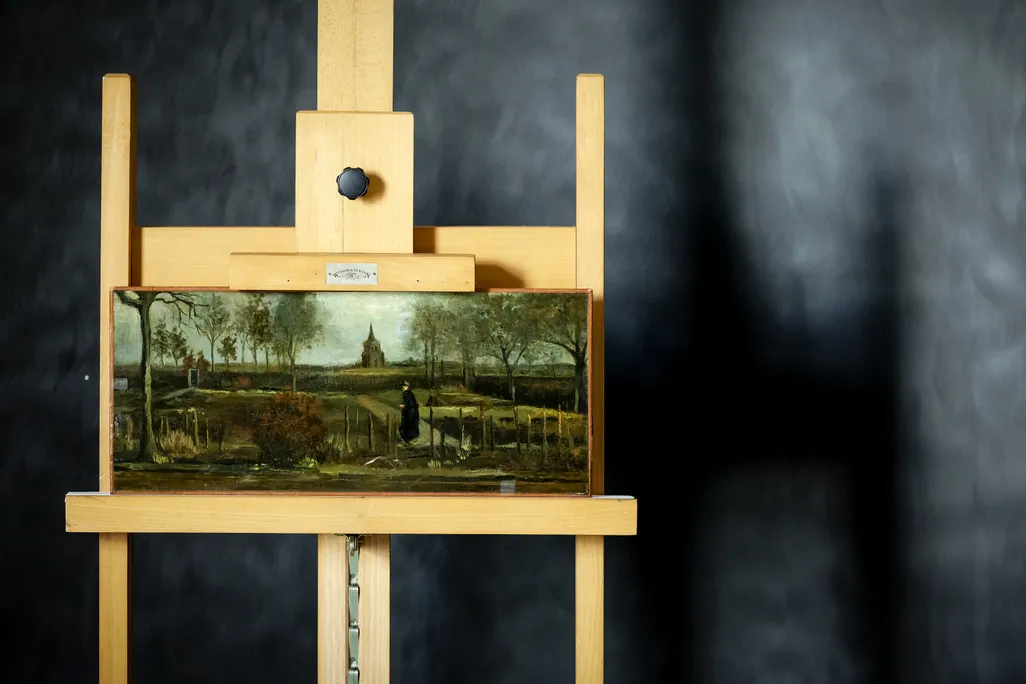
When art detective Arthur Brand answered the phone, the man on the line said that he was in possession of a missing Vincent van Gogh painting. He was calling, he explained, because he wanted to return it. In exchange, he asked only to remain anonymous. On September 11, 2023, the man dropped off a bright blue Ikea bag at Brand’s home. Inside, The Parsonage Garden at Nuenen in Spring (1884), which is worth millions, was covered in bubble wrap and tucked inside a blood-stained pillow — the result of a cut on the man’s hand. Officials at the Groninger Museum in the Netherlands, which owns the painting, were overjoyed. But they also noticed that the piece had suffered damage during its time away, and they tasked conservator Marjan de Visser with repairing it. Now, after months of careful work, the newly restored artwork is on public display.(via The Smithsonian)
She was the first woman to pilot a powered aircraft six months before the Wright Brothers
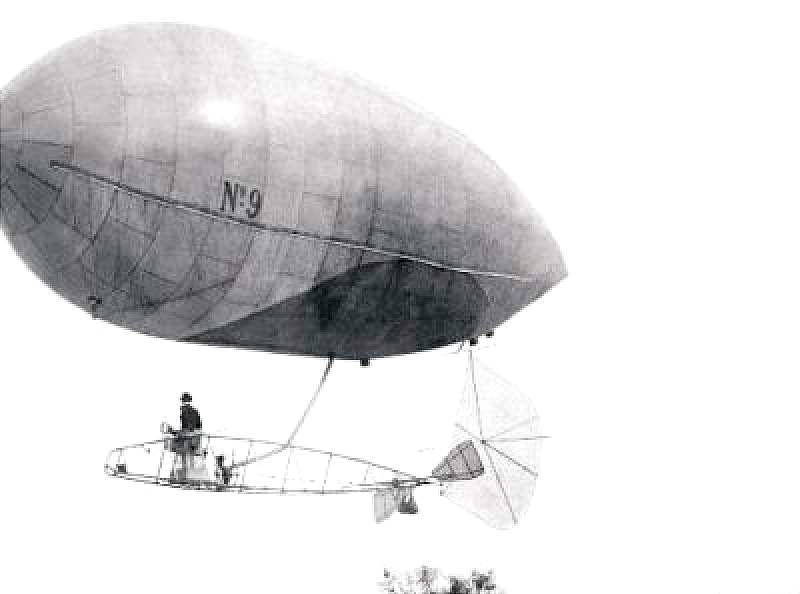
Aida de Acosta Root Breckinridge was an American socialite and aviator. She was the first woman to fly a powered aircraft solo. In 1903, while in Paris with her mother, she caught her first glimpse of dirigibles. She then proceeded to take only three flight lessons, before taking to the sky by herself. On June 27, 1903, in Paris, when Acosta was nineteen, Brazilian pioneer aviator Alberto Santos-Dumont showed her how to operate his personal dirigible, "No. 9." Santos-Dumont was the toast of Paris at the time, flying his dirigible downtown to his favorite restaurant and parking it on the street while he had dinner. Acosta recalled that upon her first landing, Santos-Dumont said "Miss, you are the first woman aero-driver in the world!" She was in fact the first woman to pilot any kind of motorized aircraft, nearly six months before the Wright brothers. (via Wikipedia)
Hi everyone! Mathew Ingram here. I am able to continue writing this newsletter in part because of your financial help and support, which you can do either through my Patreon or by upgrading your subscription to a monthly contribution. I enjoy gathering all of these links and sharing them with you, but it does take time, and your support makes it possible for me to do that. I also write a weekly newsletter of technology analysis called The Torment Nexus.
Why the world is running out of frankincense
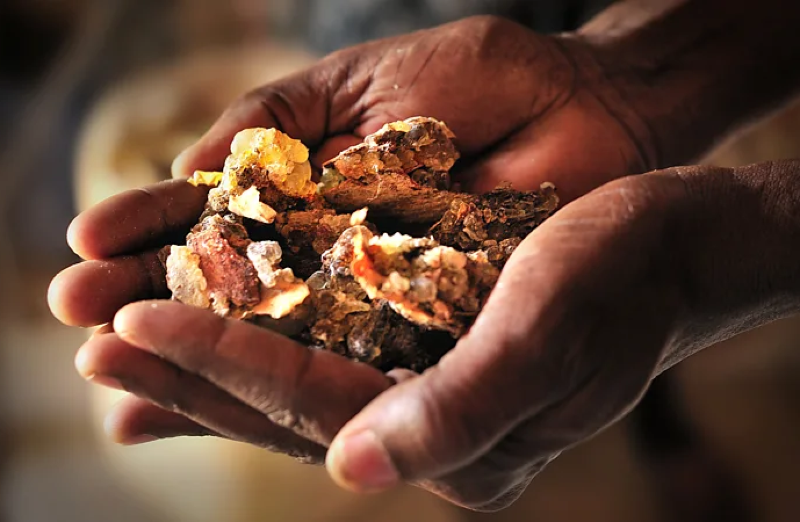
Salaban Salad Muse has built his whole life around frankincense. Living the small town of Dayaha in the Sanaag region of Somaliland, a breakaway region of Somalia, he works as a seasoned harvester of the famously aromatic resin, obtained only from the Boswellia tree. Every year, Salad Muse camps for three to six months in a cave near the site he owns with these trees on it. Each day he heads out the land, owned and tended by his family for generations. He moves from tree to tree, inspecting the bark for pests, scraping back sand and tending to seedlings he planted earlier in the season. But the fate of these groves is hanging in the balance. As groves fail, the local and global industries built up around frankincense are being forced to reconsider how this precious substance is produced, traced and sold around the world. (via the BBC)
In the 1930s there was an all-female orchestra owned by its members who split the revenues
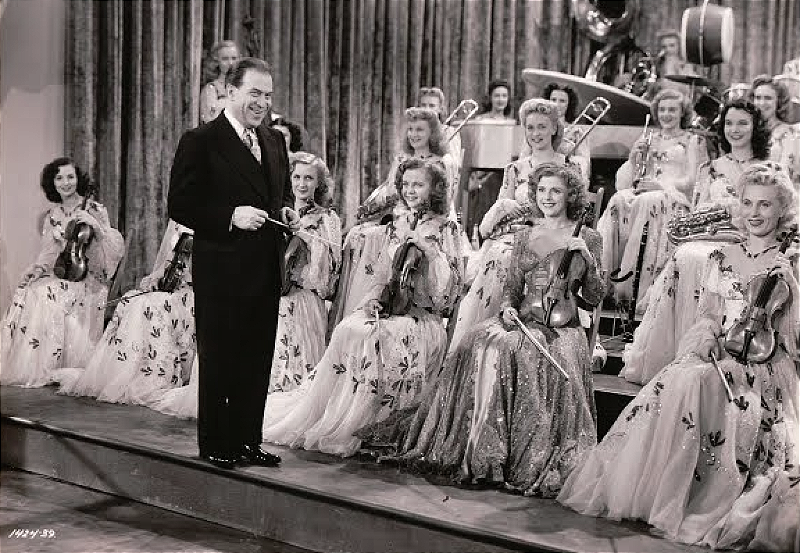
The Hour of Charm Orchestra was an American musical group led by Phil Spitalny. Popular in the 1930s and 1940s, it was an all-female orchestra in an era when most orchestra members were male. Inspired by witnessing a 1932 concert that featured "an electrifying performance by a brilliant female violinist, Spitalny disbanded a male orchestra that he directed and began a tour of the United States, seeking female musicians for a new orchestra. His expenditure of $40,000 and auditions of 1,500 women produced a 32-member orchestra that debuted at the Capitol Theatre in New York City in 1934. The musicians usually ranged in age from 17 to 30, and most were single; their contracts required them to give six months' notice if they planned to marry. The orchestra was set up as a stock company, with each member owning a number of shares of stock based on her role. At year's end, profits were distributed in addition to salaries. (via Wikipedia)
What it sounds like when your Slavic girlfriend is trying to motivate you

Acknowledgements: I find a lot of these links myself, but I also get some from other places that I rely on as "serendipity engines," such as The Morning News from Rosecrans Baldwin and Andrew Womack, Jodi Ettenberg's Curious About Everything, Dan Lewis's Now I Know, Robert Cottrell and Caroline Crampton's The Browser, Clive Thompson's Linkfest and Why Is This Interesting by Noah Brier and Colin Nagy. If you come across something you think should be included here, feel free to email me at mathew @ mathewingram dot com