During World War II she learned how the nervous system is wired

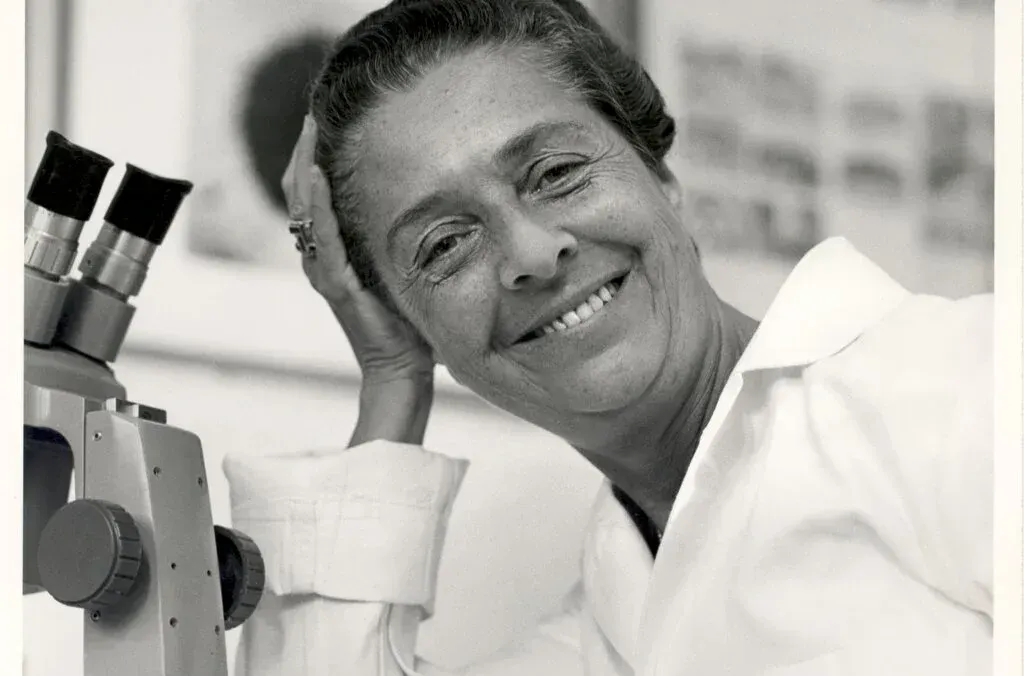
In December, 1940, Rita Levi-Montalcini rode a train from the station near her home in Turin, Italy, for 80 miles to Milan to buy a microscope. On her return to the Turin train station, two police officers stopped her and demanded to see inside the cake-sized box that she was carrying. The officers found her new microscope instead. Just a week after her trip, British bombers hit Milan. Levi-Montalcini was a 31-year-old scientist who had been working at the University of Turin. Despite her father’s disapproval, she had trained in medicine, inspired by seeing a nanny succumb to cancer. In 1938, the Italian dictator Mussolini banned Jews from positions in universities. Levi-Montalcini was not raised in the Jewish religion, but her Jewish ancestry would have been evident from her surname. Mussolini’s ban had pushed Levi-Montalcini to leave Italy for Belgium in 1939, where she did research using fertilized chicken eggs as a source of material for her research topic: the developing nervous systems of vertebrate embryos. (via Nautilus)
The odd reason why ballpoint pens are banned at sites that make aircraft parts
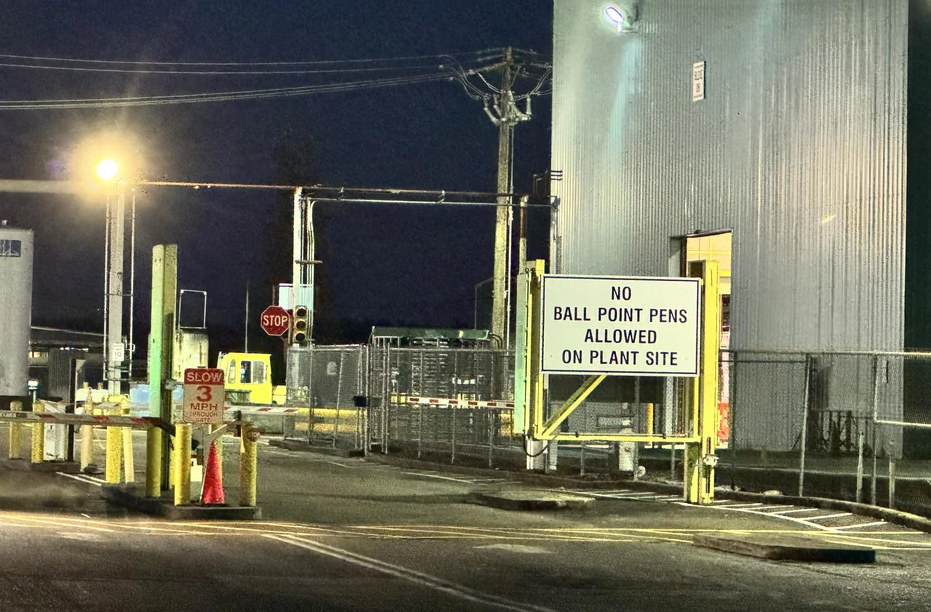
Signs like the one above can be seen at a number of job sites and factories where they make aircraft parts and other things out of titanium. Ballpoint pens are banned in certain high-precision titanium and aerospace manufacturing plants because the tiny tungsten carbide ball in the pen tip can fall out and severely contaminate the titanium melt, creating a hard, brittle inclusion that causes structural failure in critical aerospace components. Titanium has been used in a lot of high speed rotating equipment in jet engines. These tungsten inclusions become a crack initiation site and under high rotational speeds and high temperatures, the crack can spread and lead go catastrophic failures. There were several catastrophic engine failures in history that were traced back to inclusions. It's so severe that if a titanium manufacturer making aerospace grade titanium finds any "High Density Inclusions," they must inform all of their customers that they found this and recall and associated heats and material. (via Reddit)
He made a fortune on notes issued to finance the Revolutionary War and made himself a lord
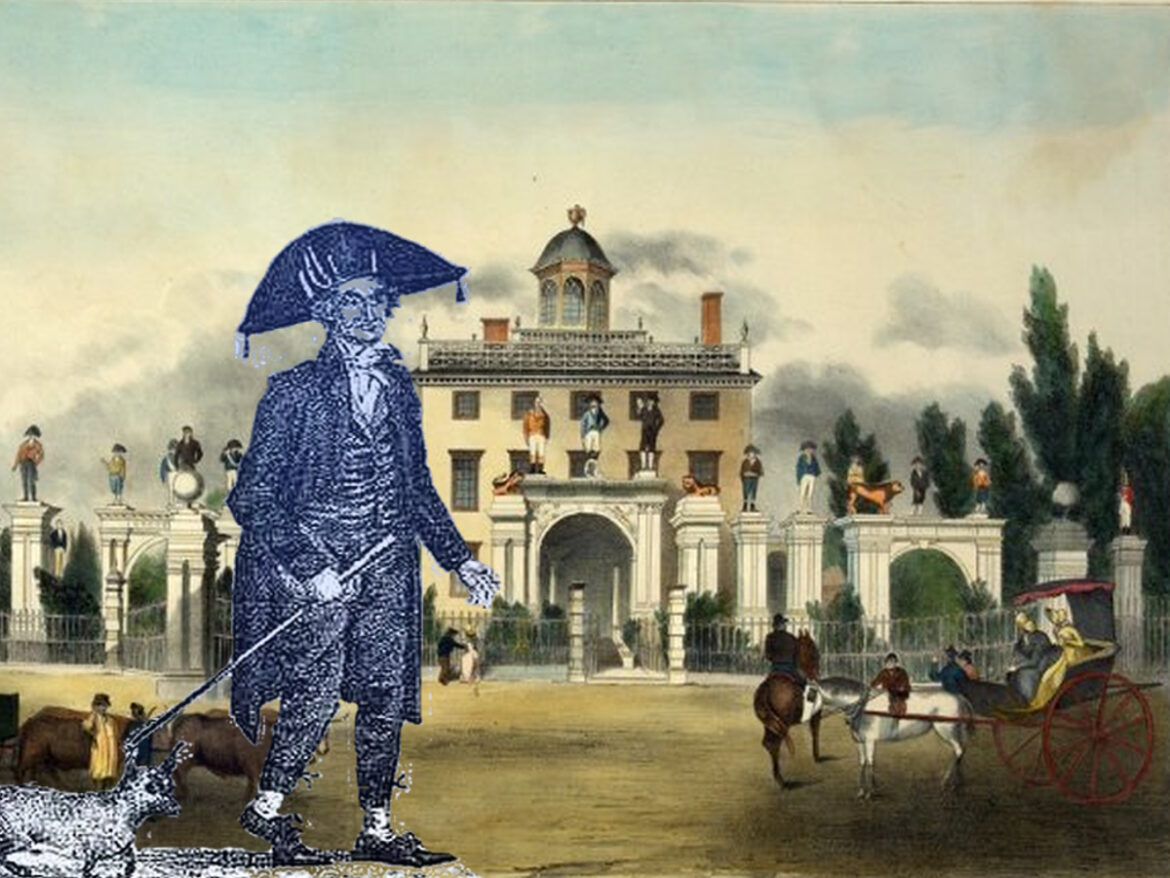
Timothy Dexter was born in Malden, Massachusetts, in 1747, and he did not start out with much. He was working as an indentured farm servant by age eight, later apprenticed as a leather dresser, and eventually landed in the port town of Newburyport. There he married a widow named Elizabeth Frothingham and saved up a few thousand dollars and put it into Continental currency, the paper money of the Revolution. Then the new federal government made good on that debt, and Dexter overnight became a man of substance. Money bought Dexter a lot of things, but it didn't buy him the respect of Newburyport's old families, so he went looking for attention instead. He gave himself the title "Lord" and then he bought a mansion and filled the grounds with more than 40 painted wooden statues of great men, including him. He wrote a book, A Pickle for the Knowing Ones, with creative spelling and no punctuation at all. (via Now I Know)
Hi everyone! Mathew Ingram here. I am able to continue writing this newsletter in part because of your financial help and support, which you can do either through my Patreon or by upgrading your subscription to a monthly contribution. I enjoy gathering all of these links and sharing them with you, but it does take time, and your support makes it possible for me to do that. I also write a weekly newsletter of technology analysis called The Torment Nexus.
Among the treasures being revealed by melting ice is a 2,500-year-old ski
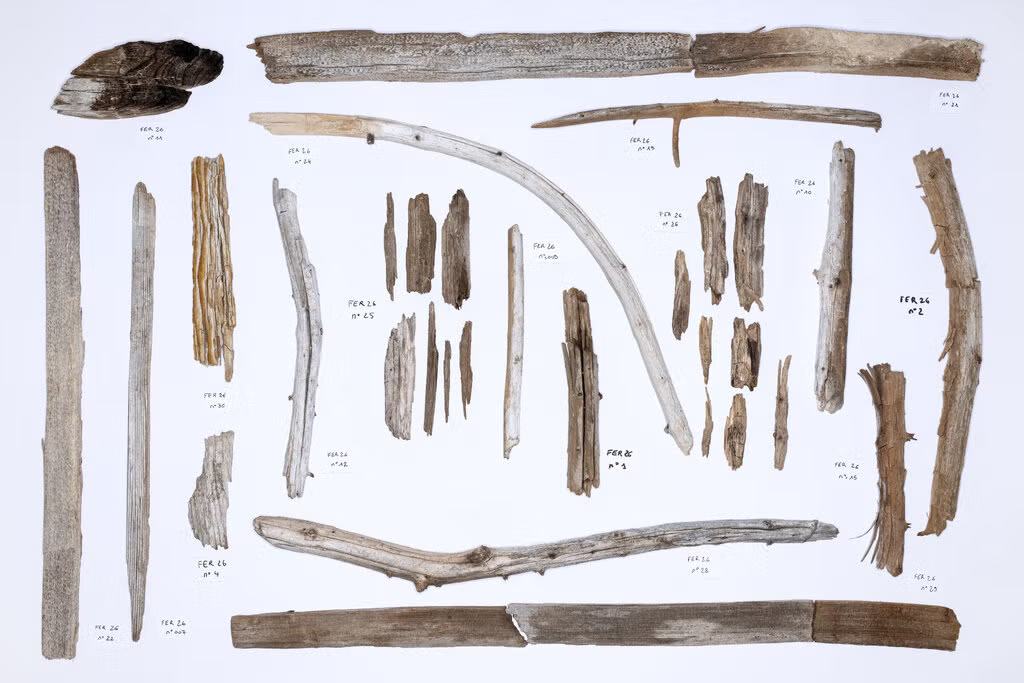
The Alps are losing ice faster than almost anywhere on the planet. And, as the glaciers and ice patches disappear, they are releasing secrets that had been locked away for millenniums.Secrets like an enigmatic, 2,500-year-old ski that melted not long ago out of a strip of dying Swiss ice. On a bright recent morning, Romain Andenmatten, a 42-year-old archaeologist, peered down at his discovery. Exploring the paltry remains of the ice at a mountain pass called Col de Barberine, he spotted a three-foot-long slat of grayish wood, nestled between rocks at the ice’s edge. Three years ago at this same pass, elevation 7,500 feet, Dr. Andenmatten found a similar plank, also with a tapered end. Carbon dating revealed it to be from roughly the fifth century B.C., when, on a certain day in the Iron Age, its owner might have been crossing the Alps. Now Dr. Andenmatten wondered whether he’d found the second in the pair. (via the NYT)
How Tabasco sauce accidentally became the world's favourite hot sauce
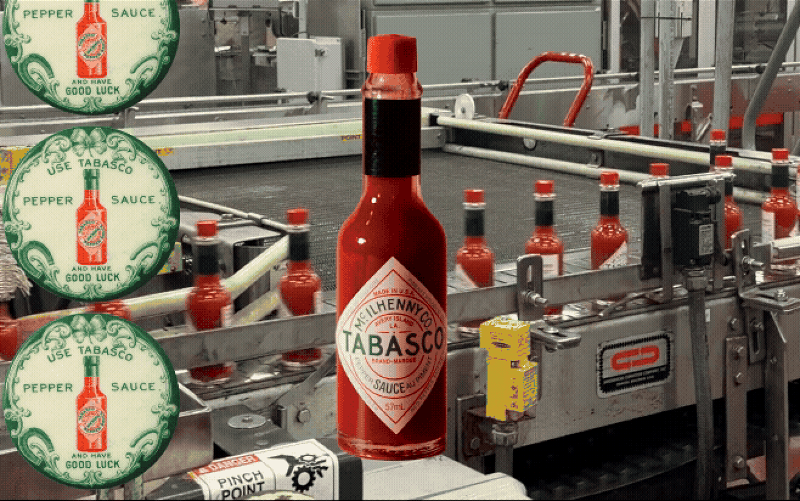
There are scant details about the man who started it all. But everyone can agree that the complicated story begins with Edmund McIlhenny in the mid-1800s. A Maryland native who found his way to Louisiana, McIlhenny did not even mention his invention in his own obituary, and did not believe it to be an important part of his legacy. The official story is that Edmund wanted his sauce to bring the spicy, flavorful foods that he ate in Louisiana to the entire Reconstruction South. His son would bring the company to even greater heights; He is credited both with major innovations in the production process and with introducing the characteristic green top that still crowns every one of the one-million-plus bottles of Tabasco that are produced on Avery Island every day. They transformed peppers, vinegar, and salt into a global icon, that much we know for sure. But there’s a whole lot more in there that feels incredibly murky, with competing accounts offered by McIlhenny family members, historians, and hot sauce fans. (via Ravenous)
This rabbit is having the best time jumping in the fallen leaves

Acknowledgements: I find a lot of these links myself, but I also get some from other places that I rely on as "serendipity engines," such as The Morning News from Rosecrans Baldwin and Andrew Womack, Jodi Ettenberg's Curious About Everything, Dan Lewis's Now I Know, Robert Cottrell and Caroline Crampton's The Browser, Clive Thompson's Linkfest and Why Is This Interesting by Noah Brier and Colin Nagy. If you come across something you think should be included here, feel free to email me at mathew @ mathewingram dot com