A fitness app shows his hamster runs five miles every night

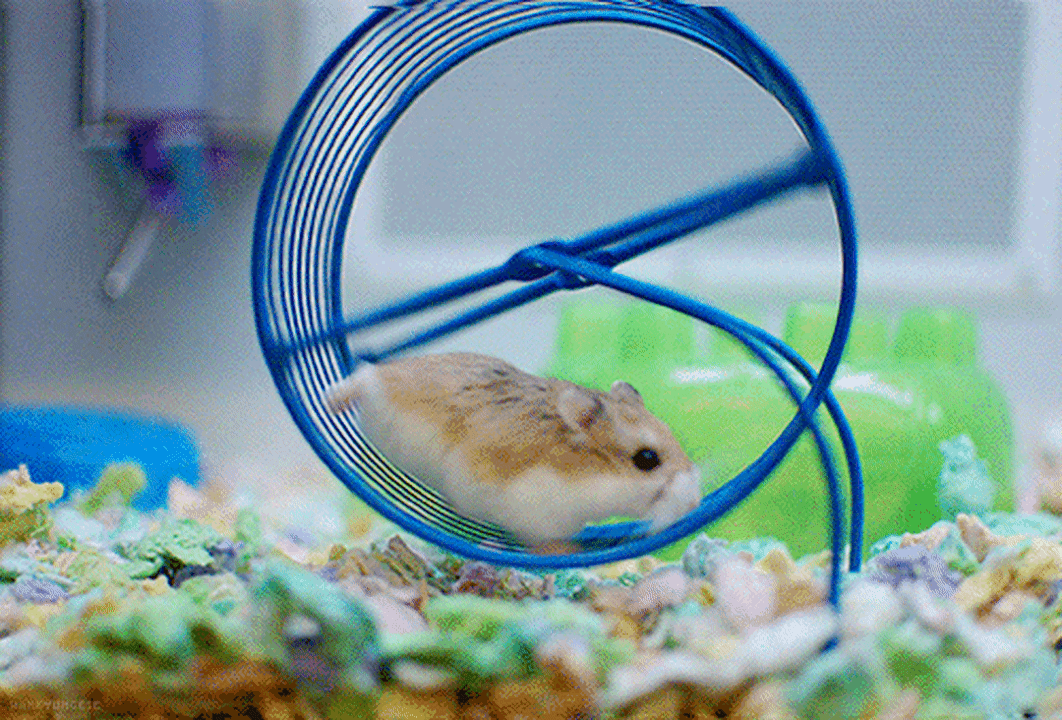
Thijs de Buck, an MRI physicist based in the Netherlands, recently built a speed and distance tracker for his hamster Mollie’s wheel, with the data automatically uploaded to Mollie's own Strava account. One recent activity showed 6.06 miles in 4 hours and 37 minutes. The next night, Mollie logged 5.55 miles in 3 hours and 56 minutes. At first, de Buck just wanted to know how much distance Mollie was covering after dark. “I bought a very cheap bicycle computer pretty much right away,” he told Runner’s World. But the sensor would shift into standby mode once Mollie stopped running for more than five minutes. The build itself is clever, but the basic idea is simple. As de Buck explains it, a magnet on the wheel passes a hall sensor, which detects each rotation. An ESP32—basically a tiny programmable computer—keeps track of the data overnight. In the morning, he says a script on his laptop collects the information, turns it into a Strava-compatible .FIT file, and uploads the activity through the Strava API. (via Runner's World)
The Roman emperor Claudius invented three new letters but no one wanted to use them
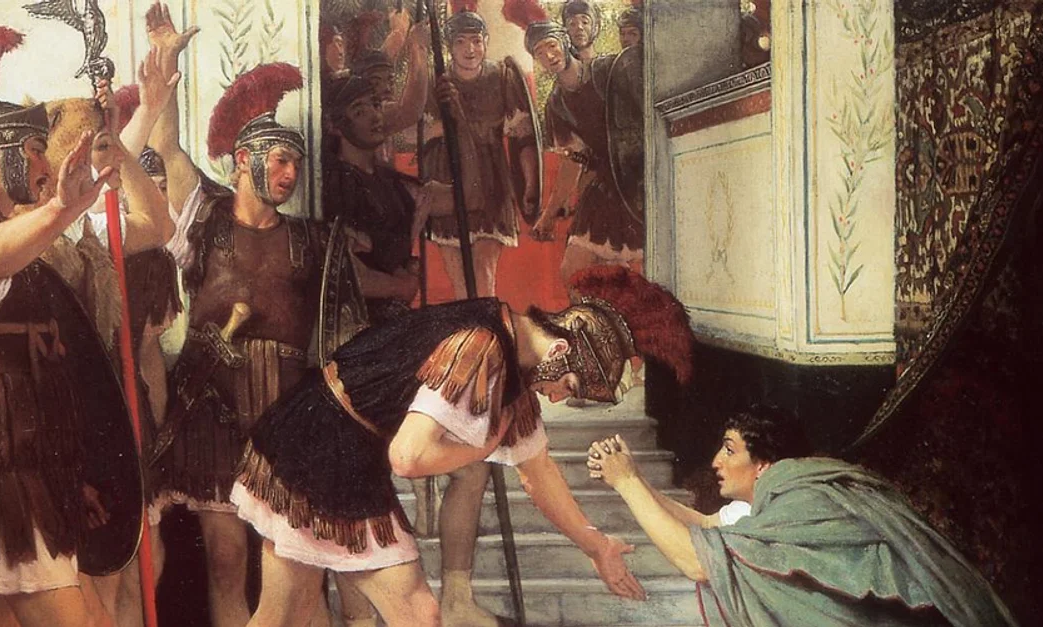
During his tenure as Rome’s princeps, Claudius not only provided the empire with sanitation, medicine, education, wine, public order, irrigation, roads, a fresh water system, public health and peace, but also found time to reform the alphabet. The writing system, approaching two thousand years old in Claudius’ day, comprised twenty-one letters, pruned back to spell well the sounds of spoken Latin. It ran from A to X, with the Greekish letters Y and Z hovering on the margins. Literacy was flourishing; the alphabet had already percolated through Roman society, from senators and scholars to the scatological scribblers of Pompeii. Claudius thought, however, that there was room for improvement. Whatever the emperor’s motivations, later biographers, like Tacitus and Suetonius, include the detail that the emperor deliberately created new letters. The emperor’s biographers agree that Claudius created and promoted new letters; that there were three of them; and that the three didn’t last long after his death in 54 AD. (via Danny Bate)
Scientists put harnesses on magpies and they all helped take them off each other
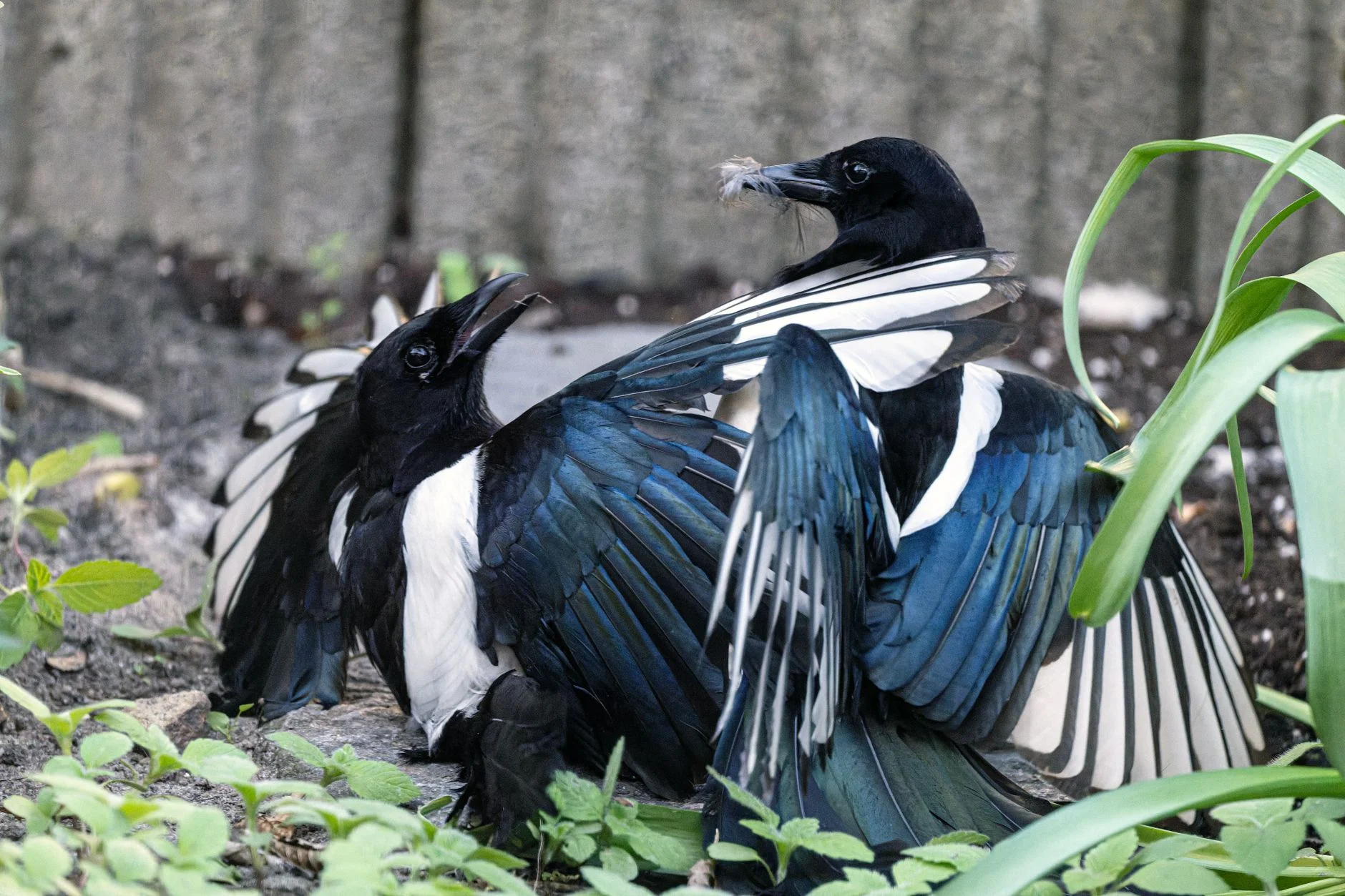
Joel Crampton, Celine Frère and Dominique Potvin worked with a social group of magpies at Pacific Paradise on Queensland’s Sunshine Coast. The team spent weeks habituating the birds to a feeding station before catching five in one morning: one adult male, two adult females and two juveniles. Each bird received a GPS logger and harness weighing about 2.7 grams in total, plus identification bands. The harness included a deliberate weak point. When a tagged bird returned to the feeding station, a magnet was supposed to trigger the release so the tracker could be recovered without another capture. Before deployment, the design had survived strength tests. A magpie trying to remove it without the magnet would need to find the one vulnerable section and apply a sharp, targeted force. That safety feature appears to have become the birds’ exit. (via Space Daily)
Hi everyone! Mathew Ingram here. I am able to continue writing this newsletter in part because of your financial help and support, which you can do either through my Patreon or by upgrading your subscription to a monthly contribution. I enjoy gathering all of these links and sharing them with you, but it does take time, and your support makes it possible for me to do that. I also write a weekly newsletter of technology analysis called The Torment Nexus.
On her first day as a dancer she helped save 400 people on a cruise ship that sank
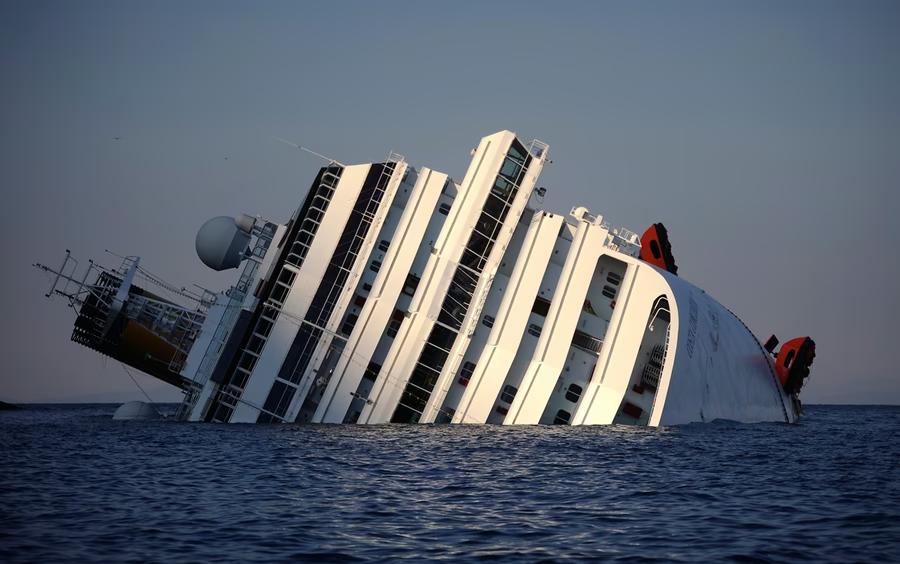
Rose Metcalf was just 23 and starting her first day as a professional dancer aboard the Costa Concordia when the cruise ship struck a reef near Italy's Giglio Island on January 13, 2012. As the vessel began taking on water and listing heavily, Metcalf found herself helping organise hundreds of people in a rapidly deteriorating situation. She said she was one of only about 12 fluent English speakers among the crew and eventually became responsible for around 400 people. She helped organise a human chain inside the tilted ship and later improvised a way to signal rescuers. She was initially asked to carry out a roll call involving around 30 crew members. As the situation deteriorated, however, she said she ended up taking responsibility for roughly 400 people because other crew members were not stepping forward. The Costa Concordia was sailing close to the Italian island of Giglio on the night of January 13, 2012, when it struck underwater rocks at about 9:45 p.m. local time. (via Times of India)
The Museum of Natural History has an oyster with a pair of human teeth attached
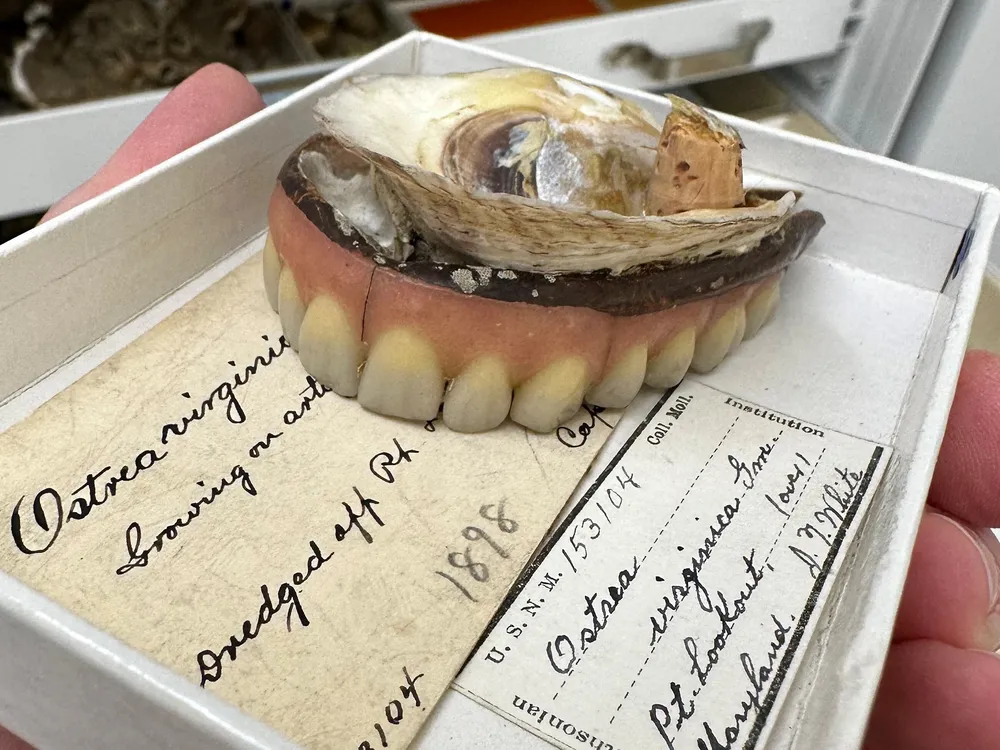
What grows a calcium carbonate shell, breathes through gills and boasts an impressive set of humanlike teeth? If you thought of a sea monster, guess again. It’s actually an oyster, and it has a story to tell about the history of the Chesapeake Bay. In 1898, a dredging boat collected a set of dentures with an oyster attached to them from the bottom of the Chesapeake Bay. The strange specimen was sent to the Smithsonian Institution, where it has remained since—but not without pushback from several toothless individuals claiming ownership of the dredged-up dentures. Despite the specimen’s unusual appearance, this oyster was doing what all oysters do: searching for a safe hold above the mud. Once hatched, baby oysters swim freely through the water using tiny, hairlike structures called cilia. After a few weeks, they’re ready to settle down and develop a temporary foot that they use to attach themselves. While most oysters opt for a rock or another oyster, some have more unconventional tastes. (via The Smithsonian)
When your car has a mind of its own and it wants to leave without you

Acknowledgements: I find a lot of these links myself, but I also get some from other places that I rely on as "serendipity engines," such as The Morning News from Rosecrans Baldwin and Andrew Womack, Jodi Ettenberg's Curious About Everything, Dan Lewis's Now I Know, Robert Cottrell and Caroline Crampton's The Browser, Clive Thompson's Linkfest and Why Is This Interesting by Noah Brier and Colin Nagy. If you come across something you think should be included here, feel free to email me at mathew @ mathewingram dot com