A 75-cent mistake put him on the trail of a German hacker


Though his vocation was astronomy, Clifford Stoll’s knowledge of computer systems was what paid the bills when he took a job as a system administrator at the Lawrence Berkeley National Laboratory. It was a $0.75 discrepancy in one of the accounting logs at the lab, though, that set the one-time astronomer on a path to becoming a cybersecurity legend. As the new guy on staff, he was assigned the task of tracking down the issue and getting the glitch fixed. But his investigations showed that the discrepancy wasn’t actually a glitch but a tiny breadcrumb of evidence left by an intruder. That intruder was a West German student named Markus Hess. He got his kicks exploring and probing systems around the world through hacked remote access phone systems and wound up working for Soviet intelligence agents looking for American military and nuclear secrets. Hess either didn’t know or didn’t care. (via CyberSecurity Education)
He stole the Mona Lisa after helping to install the painting's security frame
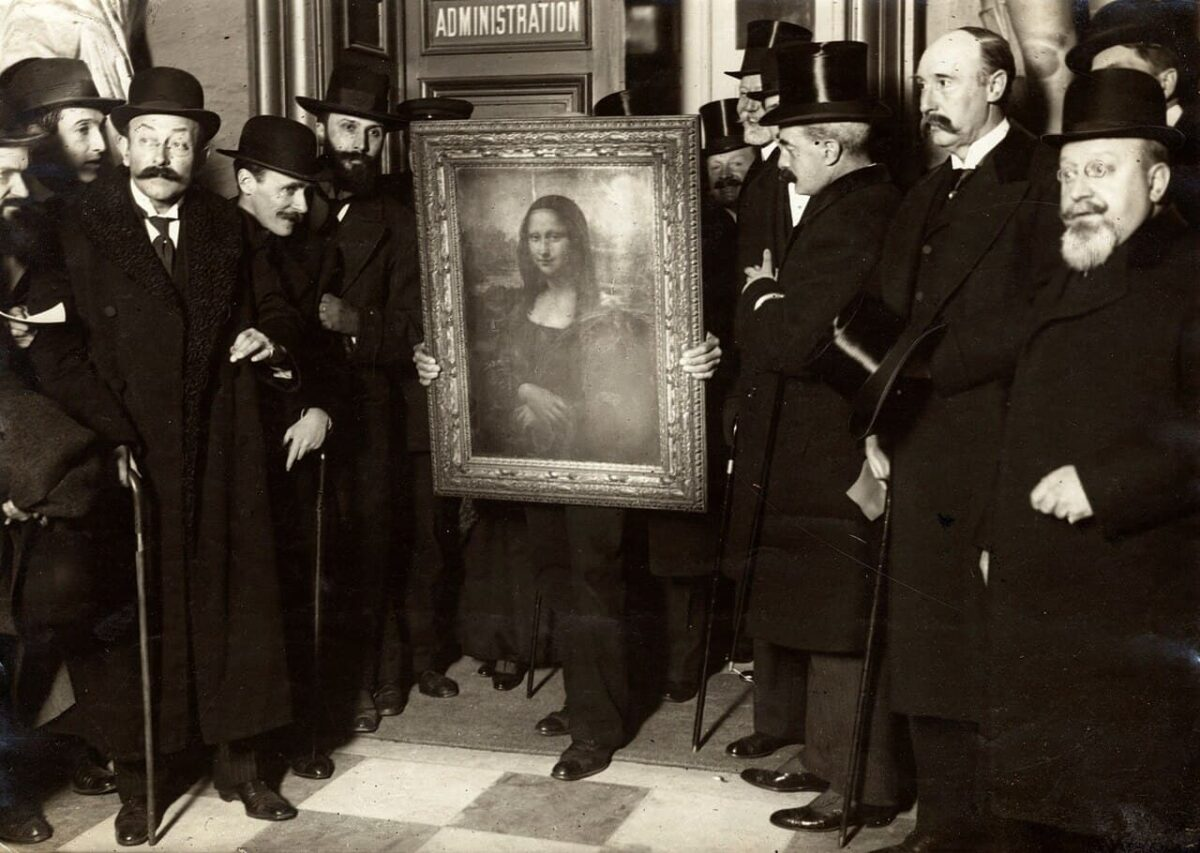
“Steal the Mona Lisa? It would be like imagining someone could steal the towers of Notre Dame Cathedral,” said the then-director of the Louvre Museum in 1911, when he was informed that Leonardo’s famous painting had disappeared the previous night. But despite the boastfulness, the truth is that someone had taken the painting, and the identity of the thief was not discovered until two years later, when he tried to sell it to the Uffizi Gallery. It turned out to be Vincenzo Peruggia, an Italian museum worker who claimed to have done it to return the artwork to his country. Pietro Vincenzo Antonio Peruggia was born in 1881 in Trezzino, an Alpine village in the province of Varese, near Dimenza and very close to the Swiss border. He was the son of a mason named Giacomo Peruggia and his wife, Celeste, who also had four other children. Young Vincenzo worked as a house painter and varnisher alongside his father in Lyon. (via La Brujula Verde)
President Theodore Roosevelt had a pet hyena and he taught it to do tricks
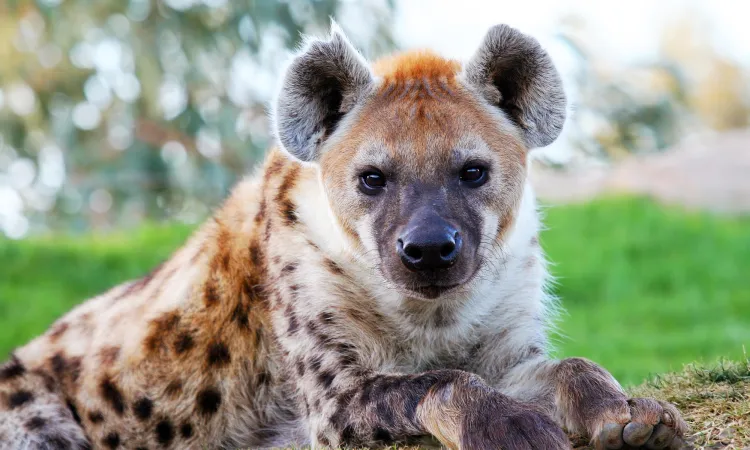
Theodore Roosevelt and family had many pets during their lifetimes. Snakes, guinea pigs, and the more traditional dog and cat could be seen at any time during the Roosevelts’ tenure in the White House. As the world learned about the family’s love of animals, diplomatic leaders began to send exotic animals as gifts. Among them was a hyena named Bill. Bill was a gift to President Roosevelt from Emperor Menelik II of Ethiopia. However, Roosevelt was not overly fond of hyenas, more than once expressing his opinion that the animals were cowardly at best. Some sources say that Roosevelt did grow fond of this particular hyena and allowed him to live in the White House for a time, begging for scraps from the dinner table and even teaching Bill tricks. In the end though, Bill was sent along with Joe the lion to the National Zoo. (via the Presidential Pet Museum)
Hi everyone! Mathew Ingram here. I am able to continue writing this newsletter in part because of your financial help and support, which you can do either through my Patreon or by upgrading your subscription to a monthly contribution. I enjoy gathering all of these links and sharing them with you, but it does take time, and your support makes it possible for me to do that. I also write a weekly newsletter of technology analysis called The Torment Nexus.
Alexander Fleming's story about how he discovered penicillin is full of holes
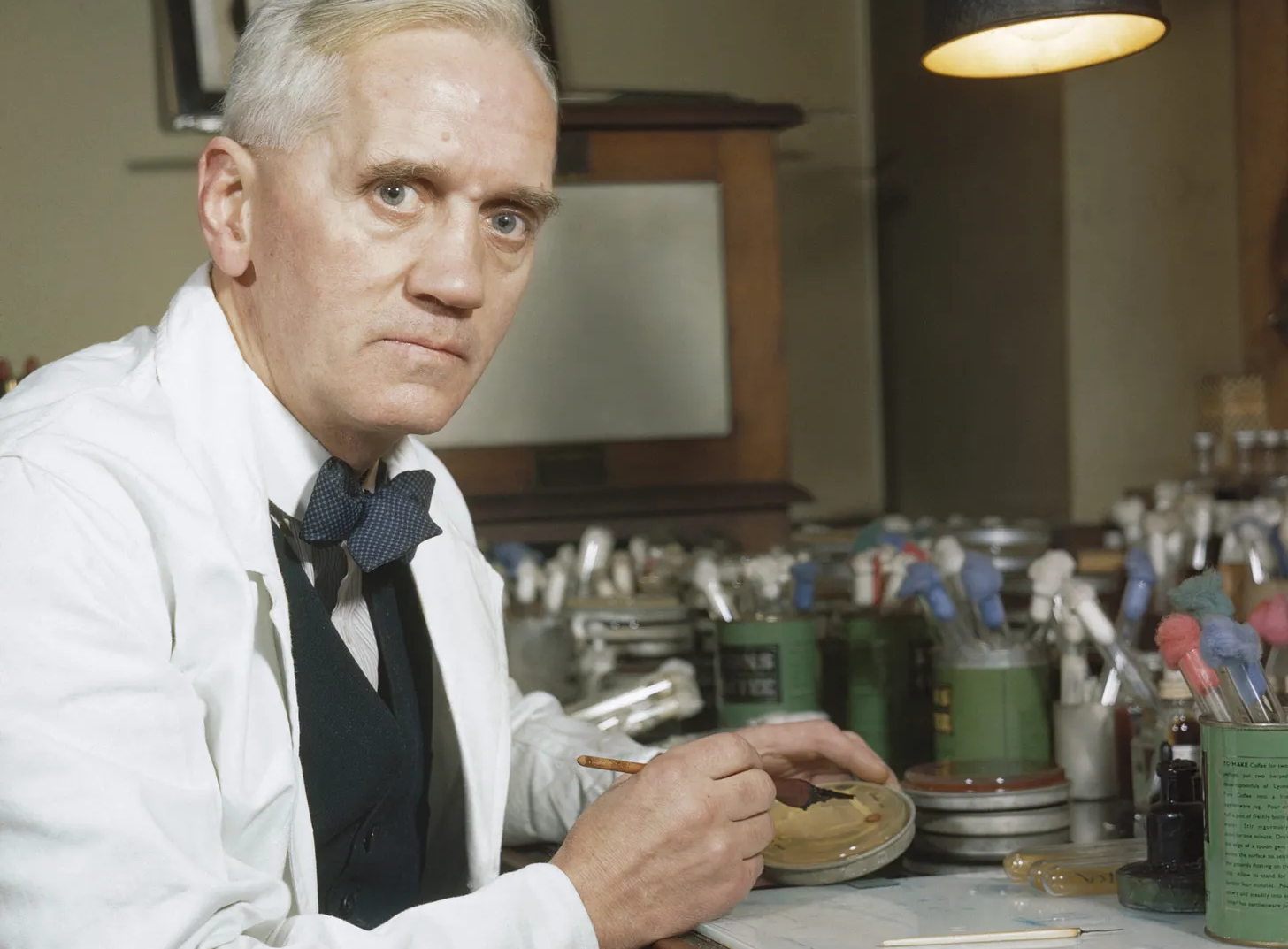
Many know the story of Alexander Fleming’s chance discovery of penicillin. Fleming, a bit of an absent-minded professor, left culture plates streaked with Staphylococcus on his lab bench while he went away on summer holiday. When he returned, he found that “a mould” had contaminated one of his plates, probably having floated in from an open window. Before discarding the plate, he noticed that around the mold the bacteria had disappeared. Something in the mould had killed the staphylococci. Fleming immediately began investigating this strange new substance. He identified the mold as Penicillium rubrum and named the substance penicillin. This is the kind of science story everyone likes. One of serendipity and accidental discovery. But is it true? For decades, scientists have puzzled over inconsistencies in Fleming’s story. (via Asimov Press)
An albatross named Wisdom is almost 70 years old and has flown three million miles
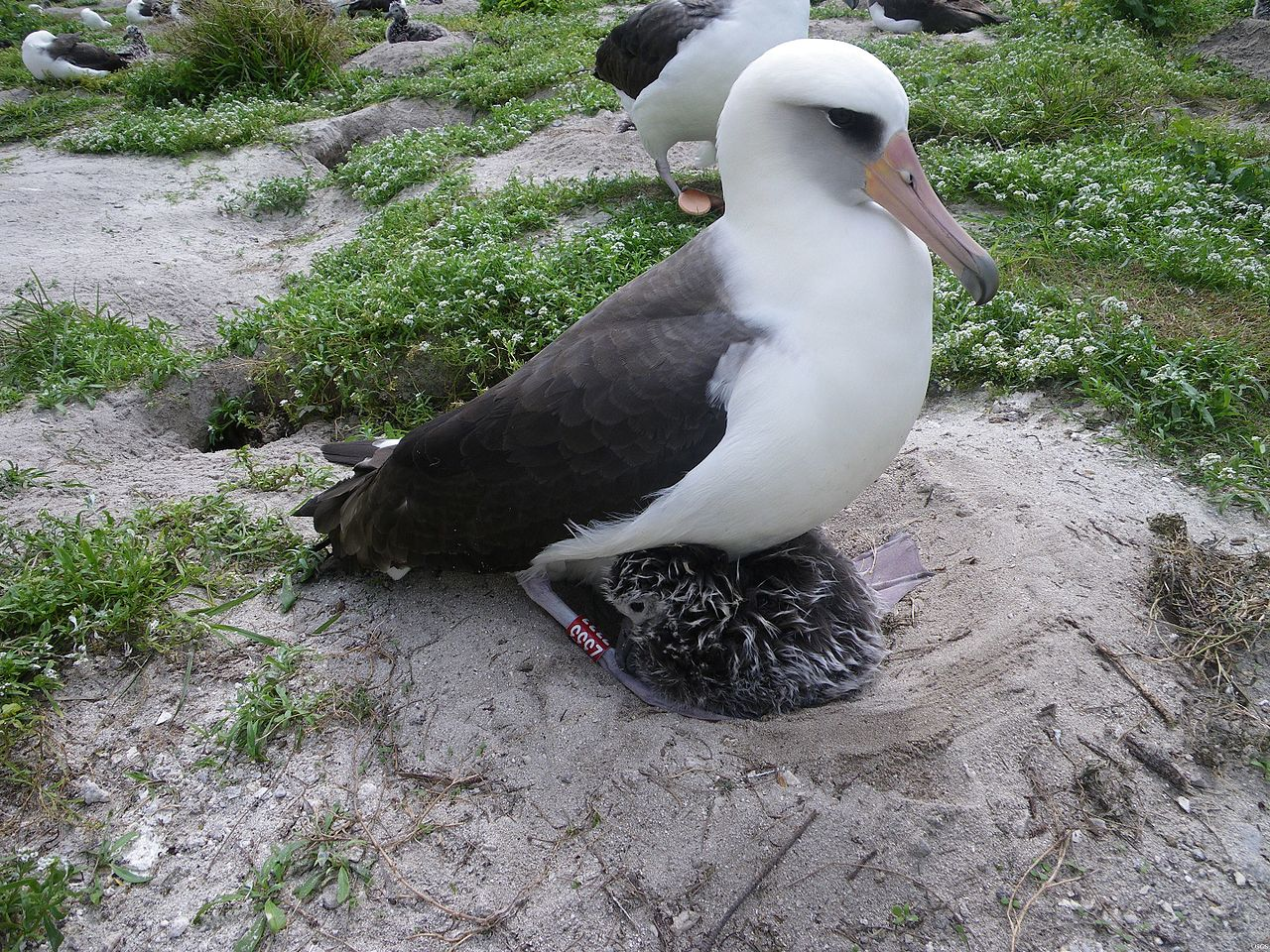
Wisdom is a wild female Laysan albatross, the oldest confirmed wild bird in the world and the oldest banded bird in the world. First tagged in 1956 at Midway Atoll by the United States Geological Survey, she was still incubating eggs as late as 2025. She was spotted alive and apparently healthy as recently as November 2025. Wisdom was first tagged in 1956 at the Midway Atoll National Wildlife Refuge by Chandler Robbins, a senior scientist at the USGS. At that time, she was estimated to be five years old—the earliest age that the Laysan albatross reaches sexual maturity — corresponding to a hatching date of the 1950–51 breeding season at the very latest. In 2006, John Klavitter, a United States Fish and Wildlife Service biologist at Midway, gave Wisdom her name while he was replacing her band. The USGS has tracked Wisdom since she was first tagged and estimated that Wisdom has flown over 3,000,000 miles (4,800,000 km) since 1956, or about 120 times the circumference of the Earth. (via Wikipedia)
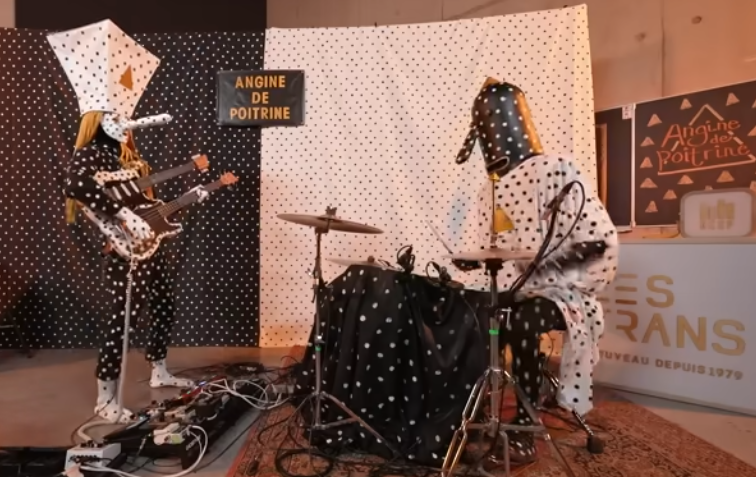
The music of this Quebec duo is impossible to explain but surprisingly enjoyable
Acknowledgements: I find a lot of these links myself, but I also get some from other places that I rely on as "serendipity engines," such as The Morning News from Rosecrans Baldwin and Andrew Womack, Jodi Ettenberg's Curious About Everything, Dan Lewis's Now I Know, Robert Cottrell and Caroline Crampton's The Browser, Clive Thompson's Linkfest and Why Is This Interesting by Noah Brier and Colin Nagy. If you come across something you think should be included here, feel free to email me at mathew @ mathewingram dot com