11-year-old has world record as the youngest museum curator

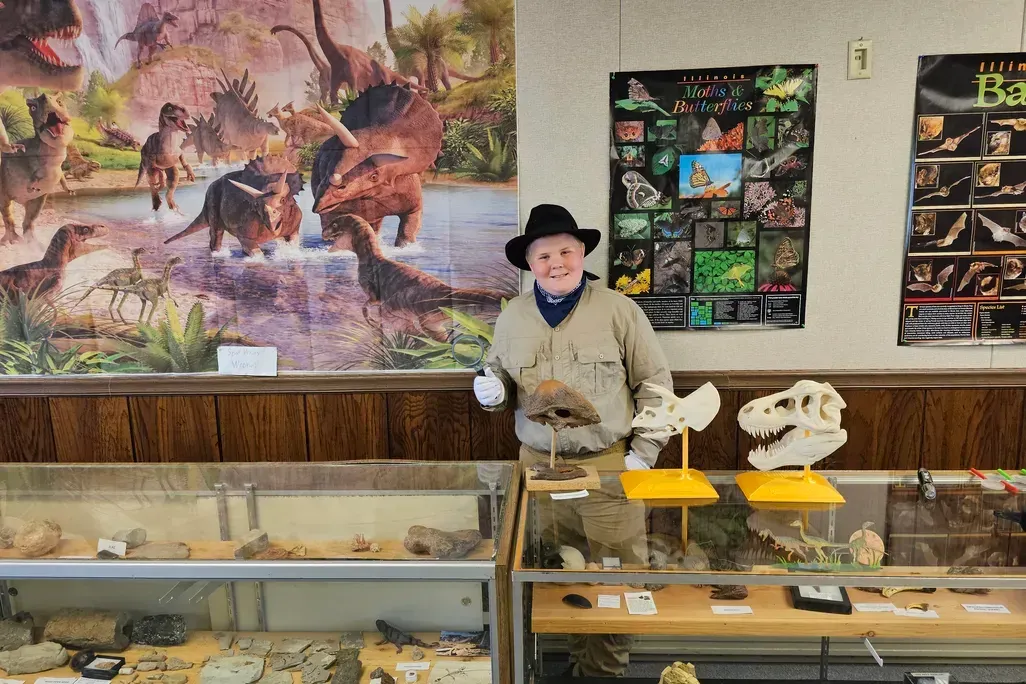
It’s not uncommon for a 9-year-old child to love dinosaurs, but it is quite rare for someone so young to have opened a museum of their own dedicated to fossils and natural history. Anderson Taylor, now 11, was recently awarded the Guinness World Record for being the youngest male curator of a museum, the first to ever hold the title. He opened the Cambridge Natural History Museum in Cambridge, Illinois, on August 10, 2024, when he was just 9 years and 340 days old. Taylor had been thinking about the museum for years. “Back when I was around 3 years old, I was watching a show on dinosaurs, and I decided that I wanted to go find some fossils,” he tells Smithsonian. “So I went outside to my driveway.” In a remarkable turn of events, he happened to find a fossil in his yard, jump-starting his passion for paleontology. NOTE: There has been a GoFundMe created to help Anderson buy the place where his museum is located. (via The Smithsonian)
Study showed 2.6% of people will swerve in order to drive over a turtle
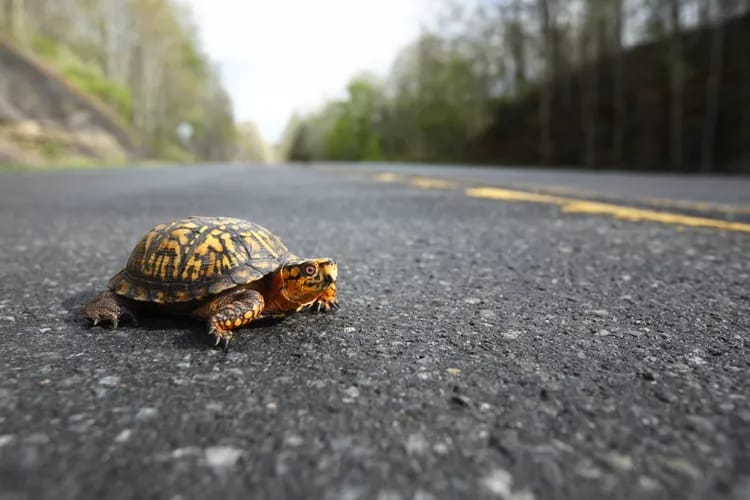
In 2012, Nathan Weaver, a senior at Clemson University, decided to tackle a problem. He noticed that the population of box turtles in the area was in decline, and roadkill was a major factor. His goal was to try to create a safer way for the turtles to cross the road. But to do so, he needed to better understand the cause of the squished turtles. So Weaver designed an experiment to study the problem, placing realistic rubber turtles in the middle of a busy lane near campus. Then he stepped back and watched. Over the course of an hour, seven drivers deliberately swerved to crush the fake turtle. Several more appeared to try but missed. Another day of observation yielded similar results — he placed his fake turtles on a residential street, and the second car to pass by crossed the center line just to pulverize the decoy. In the first phase, seven out of 267 cars purposely crushed the fake turtles in the space of an hour” — about 2.6%. And those numbers held up over the course of his other trials. (via Now I Know)
The bomb ended World War 2 and other myths about nuclear weapons
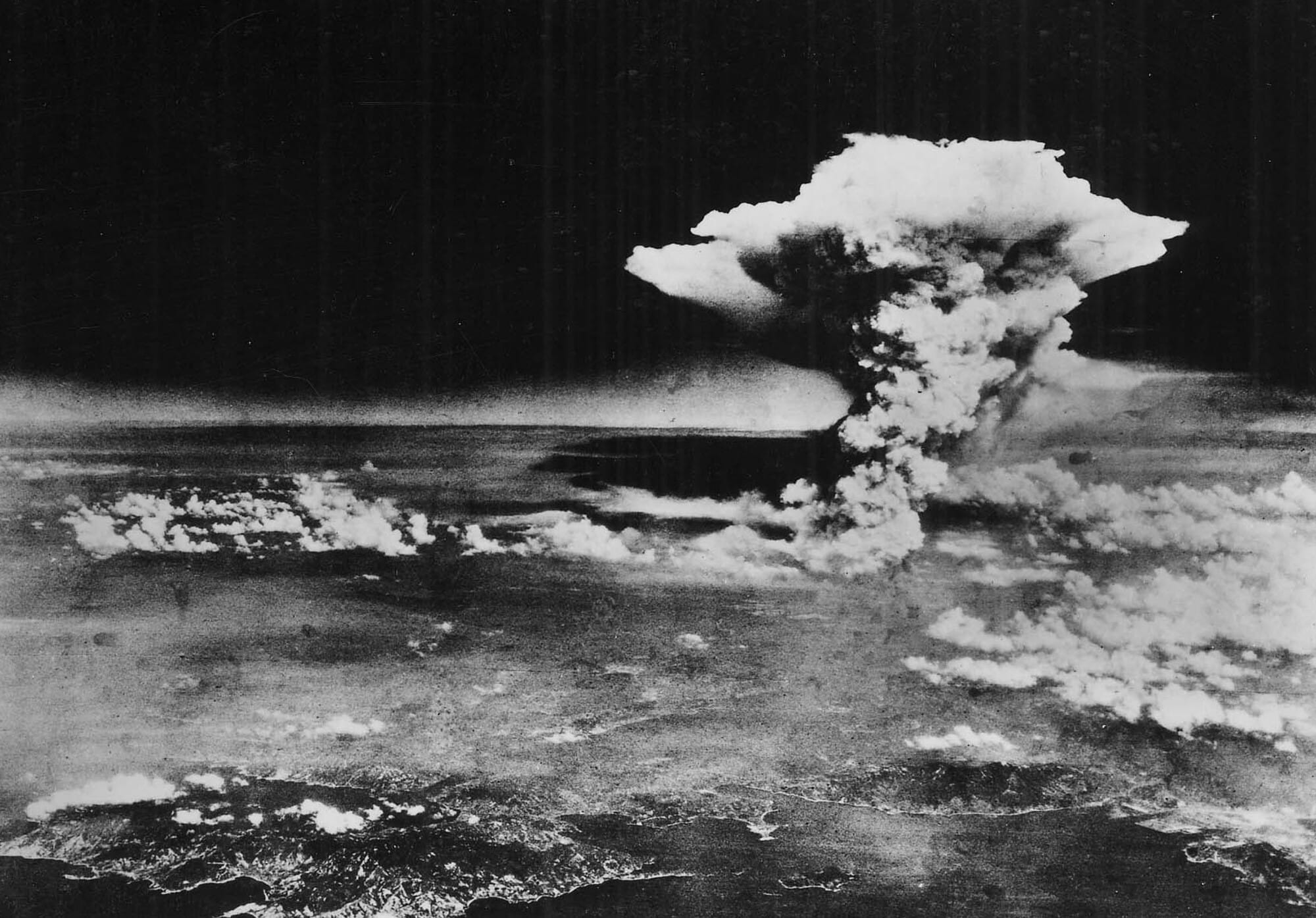
Sixty seven years ago on this day, a bomb fueled by the nuclear fission of uranium leveled Hiroshima in about six seconds. Since then, two foundational beliefs have colored our views of nuclear weapons; one, that they were essential or at least very significant for ending the war, and two, that they have been and will continue to be linchpins of deterrence. Hiroshima and Nagasaki have become so ingrained in our minds as symbols of the power of the bomb that we scarcely think about whether they really served the roles that they have been ascribed over the last half century. But troubling and mounting evidence has emerged in the last half century that is now consequential enough to deal a major blow to this thinking. Contrary to popular belief, this is not "revisionist" history; by now the files in American, Soviet, Japanese and British archives have been declassified to an extent that allows us to piece together the cold facts and reveal what exactly was the impact of the atomic bombings of Japan on the Japanese decision to end the war. They tell a story very different from the standard narrative. (via Wave Function)
Hi everyone! Mathew Ingram here. I am able to continue writing this newsletter in part because of your financial help and support, which you can do either through my Patreon or by upgrading your subscription to a monthly contribution. I enjoy gathering all of these links and sharing them with you, but it does take time, and your support makes it possible for me to do that. I also write a weekly newsletter of technology analysis called The Torment Nexus.
A Mexican ghost town re-emerges from the banks of the drying Rio Grande
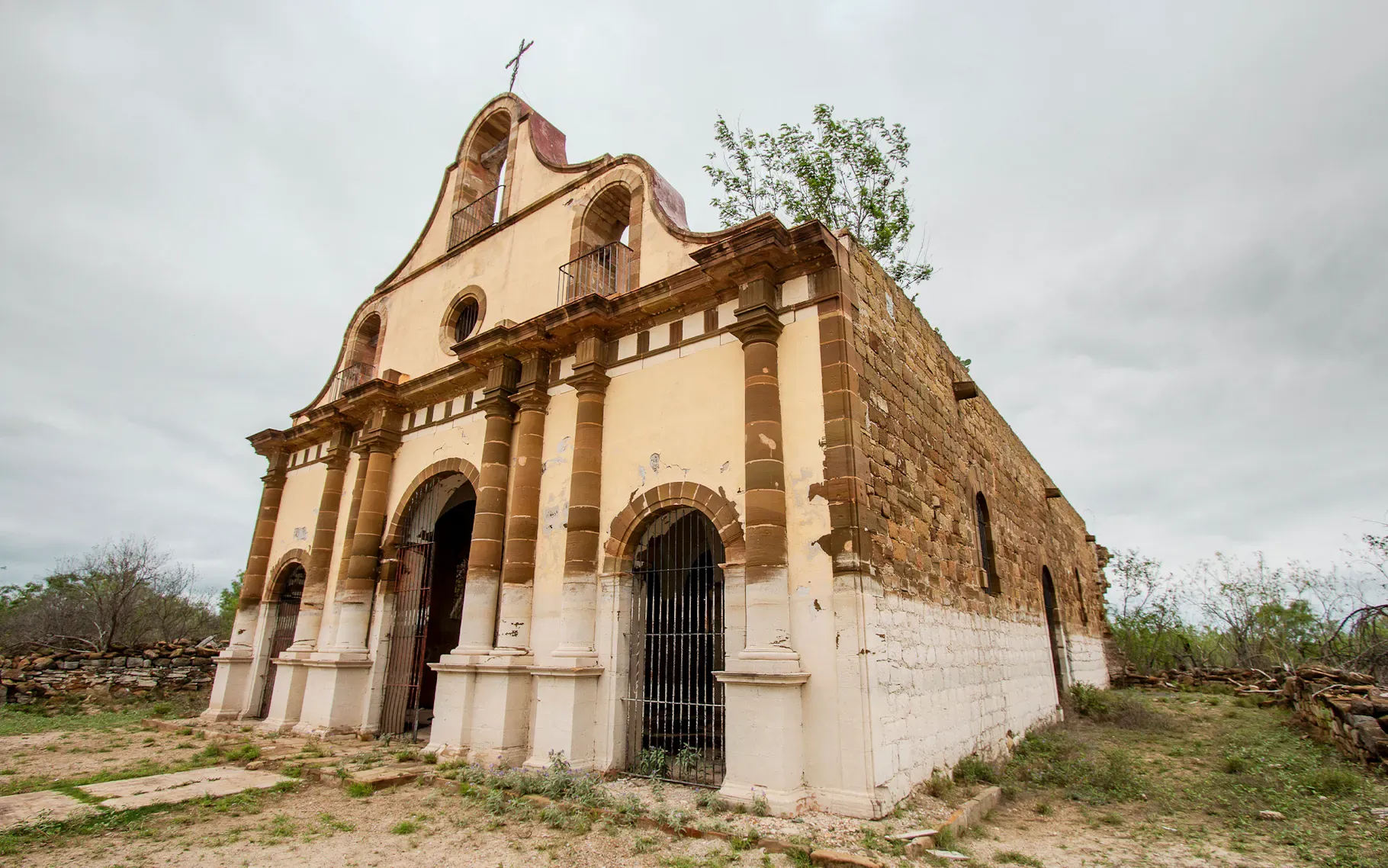
The reservoir’s shoreline was nowhere in sight when we arrived in the resurrected city, walking the narrow, cobblestone streets—allegedly hand-laid by children working off their misdeeds, per the archivist. The structures closest to the river had been submerged the longest, but Ceballos Sánchez explained that the building materials, more than the water levels, determined their fate. Cheap, plant-based mortar means more rubble. By contrast, the mineral-based mortar had kept the masonry of a two-story hotel largely intact, with prickly pear growing along the top of the thick, sandstone walls. The flagstones of the town square remained firmly in place. The boys school, completed just a few years before the dam was announced, was almost entirely intact despite its low-lying position by the river, thanks to the concrete and rebar that held up well. The arcades of the open-air market were second in prominence only to the central basilica. (via Texas Monthly)
Life inside Icelandic turf houses was cozy but also smelly at times
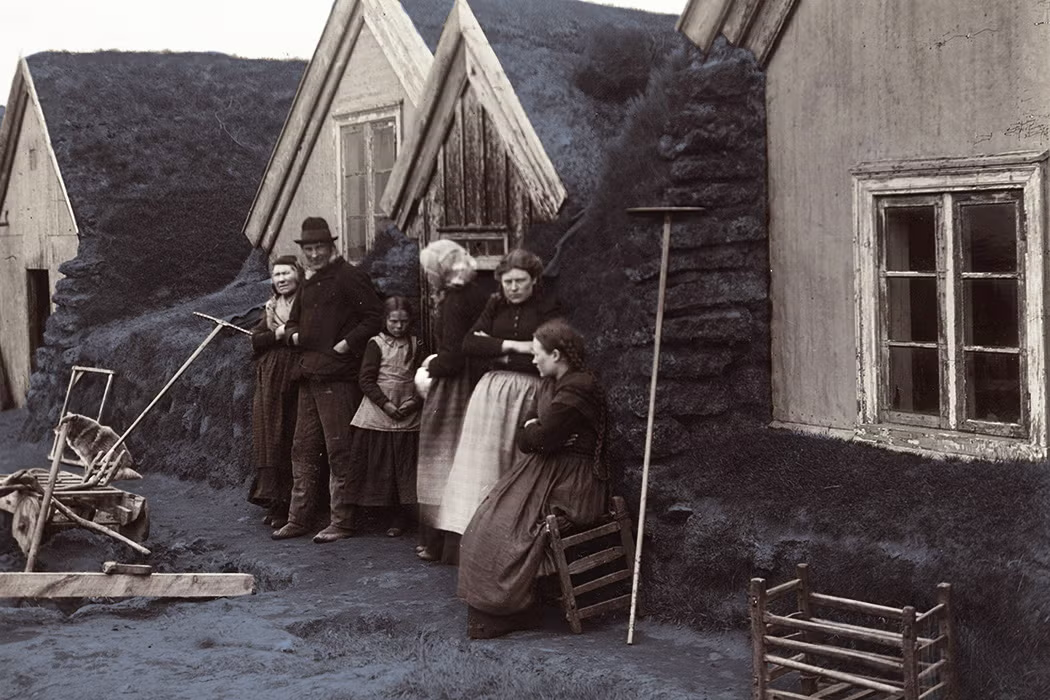
Let’s tour an Icelandic turf house. From the side, you could be forgiven for mistaking it for a hill; a thick carpet of grass grows up the walls and over the roof. But look closer and you can see a little windowpane peering out from behind the dandelions, and around the side there is a house-front and a door leading into a dark passageway. Inside, a hallway paved with flat stones and packed earth opens on one side to the kitchen, with its stone hearth and huge iron pots; above, strings of fish hang to dry in the smoke. On the other side is the pantry, with butter churns and great tubs of skyr. Up a steep little staircase you’ll find a long lofted room known as the baðstofa, where everyone except the master and mistress of the house crams together to sleep, two to a narrow bed. And by everyone, I mean everyone—not just the children, but also grandparents, servants, and local “paupers”—widows, orphans, or people with disabilities who were placed with the family as household help. (via JSTOR Daily)
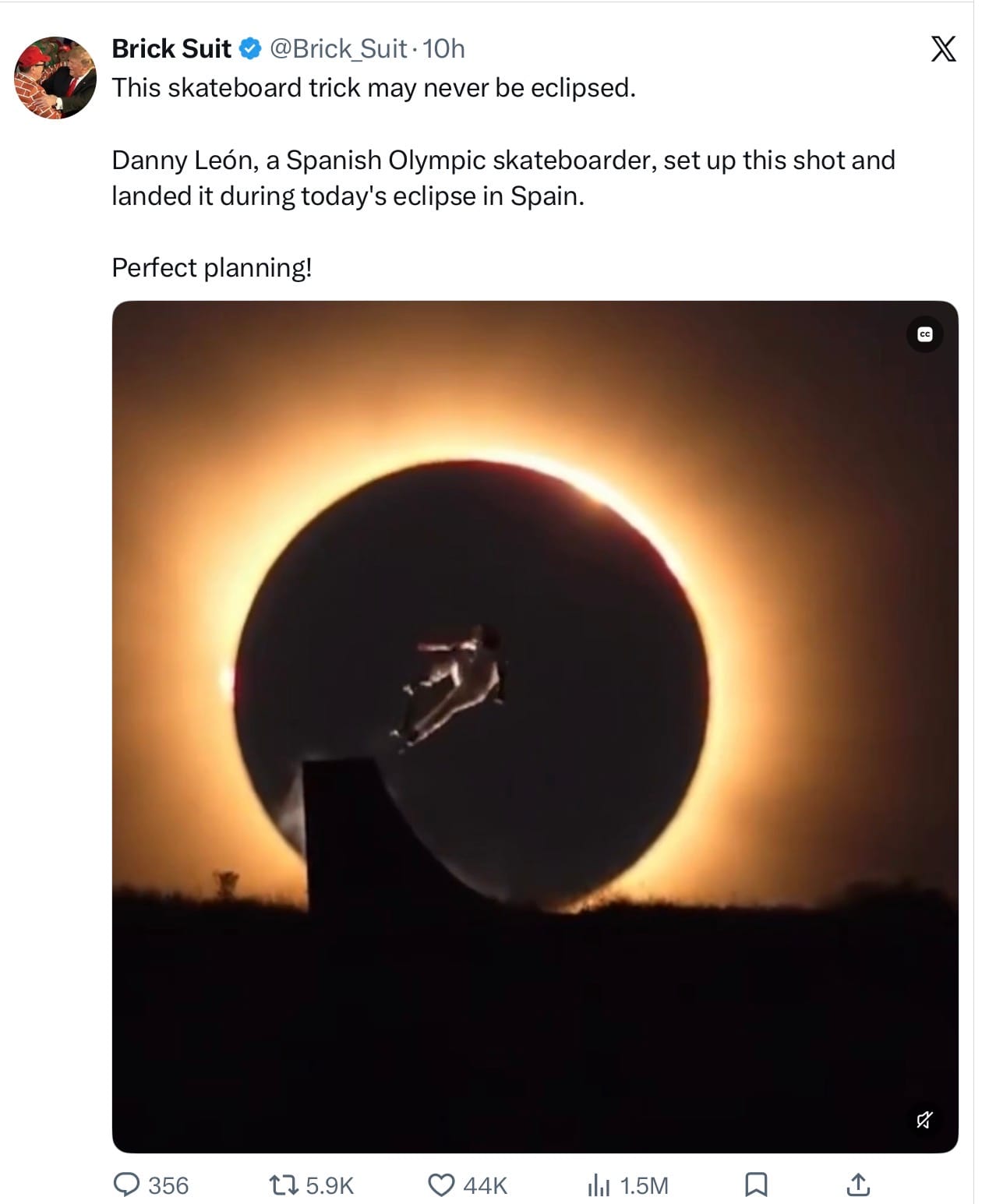
A perfectly-timed skateboard trick in Spain
Acknowledgements: I find a lot of these links myself, but I also get some from other places that I rely on as "serendipity engines," such as The Morning News from Rosecrans Baldwin and Andrew Womack, Jodi Ettenberg's Curious About Everything, Dan Lewis's Now I Know, Robert Cottrell and Caroline Crampton's The Browser, Clive Thompson's Linkfest and Why Is This Interesting by Noah Brier and Colin Nagy. If you come across something you think should be included here, feel free to email me at mathew @ mathewingram dot com