A teenager fixed a 35-year-old problem with oxygen sensors


A Kitchener, Ont., teen has won the best project award for innovation at the Canada-Wide Science Fair. Eigenpulse: Eliminating Demographic Bias in Pulse Oximetry and Remote PPG from First Principles was the name of the project by Gurnoor Kaur, a Grade 11 student at Cameron Height Collegiate Institute in Kitchener. The judges at the Edmonton competition say the 17-year-old's work fixes a 35-year-old problem in blood oxygen sensors, which has led to higher mortality in Black patients. She noticed on systems that monitored vital signs and detected oxygen, there can be a demographic bias, so on lighter skin patients, the error is lower than it is on darker skin patients. "There is a mathematical instability in current cardiac models and to be able to resolve that, you need to add a missing term," she said. "I solved the mathematical instability and using that I was able to start to remove this demographic bias." (via the CBC)
In 1920 doctors said eating canned salmon made prisoners in New York into human magnets
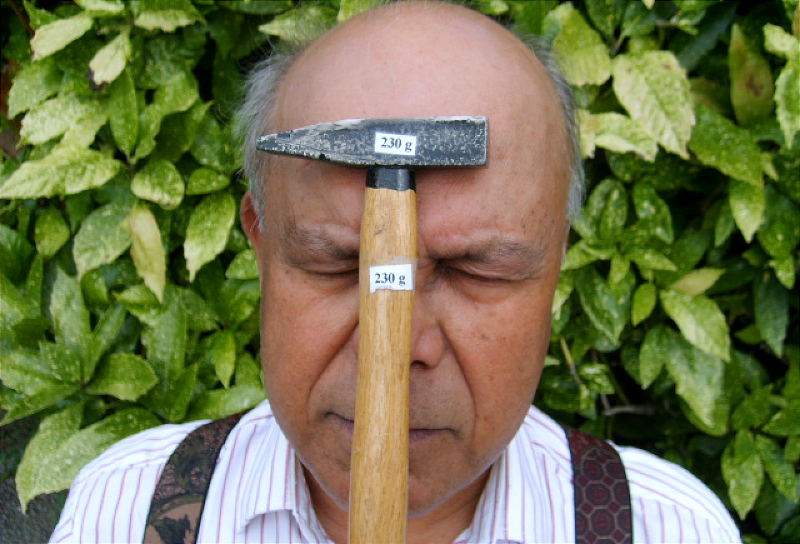
Dr. John B. Ransom, in a report sent to the Superintendent of Prisons, declared that thirty-two convicts of Clinton prison at Dannemora had been turned into human magnets as the result of a peculiar poisoning that had been baffling medical scientists for the last week or more. Dr. Ransom is the prison physician, and he called to his assistance in determining the mysterious ailment of the prisoners. They found that whenever any of the men touched steel sparks would fly and their finger tips would violently vibrate the filaments of electric bulbs. They traced the trouble to what is termed the deadly botulinus germ, which they believe came from canned salmon served to the men about two weeks ago. While knowing that this germ generates electricity, they are unable to understand how it turns the victims into human electrodes. (via the New York Times)
In Sweden people watch rabbits run and jump through an obstacle course

Rabbit show jumping, also known as rabbit agility, is a sport wherein domestic rabbits are led through a course by their owners, modelled after horse show jumping. It is typically conducted in a closed, indoor arena, with obstacles scaled to suit the rabbits. Rabbit jumping started in Sweden in the 1970s, when the first rabbit club started to arrange rabbit jumping competitions. At that time, the rules were based on the rules from horse jumping, but were later reformed to be better-suited for rabbits. The sport grew throughout Sweden and several rabbit jumping clubs were formed to support the growing interest. In the early 1990s, Norway joined in with rabbit jumping activities, developing new clubs and joining Sweden in rabbit jumping competitions. The Swedish Federation of Rabbit Jumping was established on September 3, 1994. The world record for the highest rabbit jump is 107 cm (42.1 in) (via Wikipedia)
Hi everyone! Mathew Ingram here. I am able to continue writing this newsletter in part because of your financial help and support, which you can do either through my Patreon or by upgrading your subscription to a monthly contribution. I enjoy gathering all of these links and sharing them with you, but it does take time, and your support makes it possible for me to do that. I also write a weekly newsletter of technology analysis called The Torment Nexus.
Actor Jesse Eisenberg donated one of his kidneys to a complete stranger
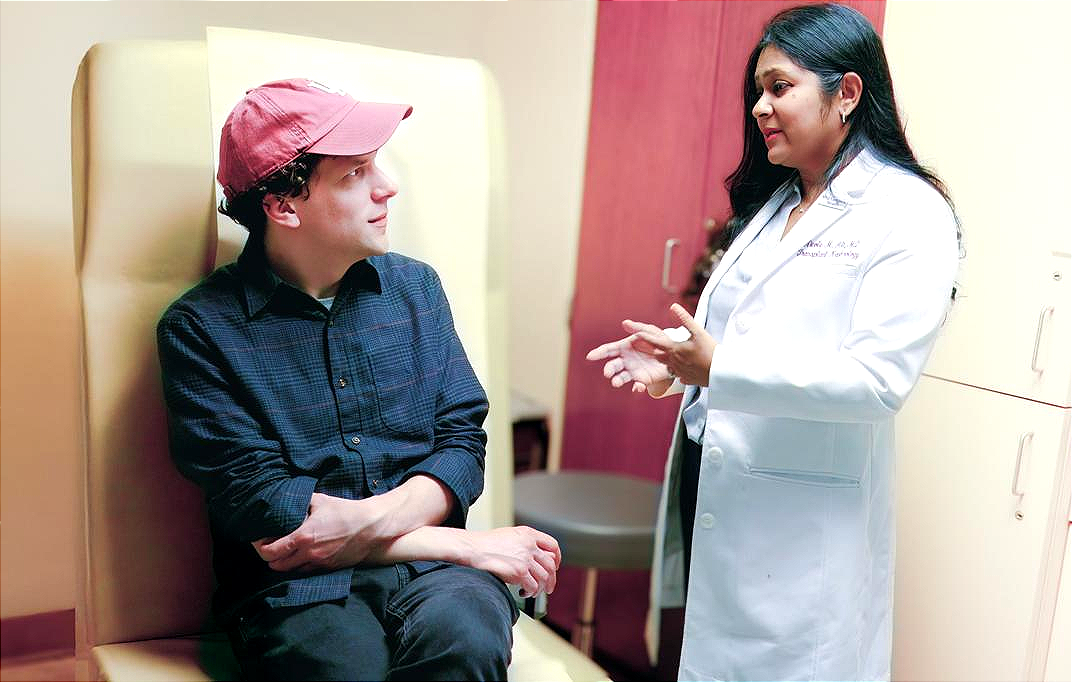
Nearly 90,000 Americans are waiting for a kidney transplant and an average of 13 die every day while waiting. Most face a wait of three to five years or longer, spending hours each week tethered to a dialysis machine while they wait. Jesse Eisenberg, the Academy Award–nominated actor, playwright, and filmmaker, didn’t know anyone on that list. He simply decided he wanted to help. On December 30, 2025, he donated one of his kidneys to a stranger at NYU Langone Health, an act known as an altruistic, or nondirected, donation. It’s a choice that changes a life; it’s also safer, and more accessible, than most realize. Months after surgery, Eisenberg has experienced no lifestyle changes, no limitations — and no regrets. “I wish I had more kidneys to give,” he says. Most people know you can register to be an organ donor after death. But you can also donate a kidney right now to someone you’ve never met. (via NYU Langone)
This Russian scientist drank cholera and started the yogurt and probiotic craze
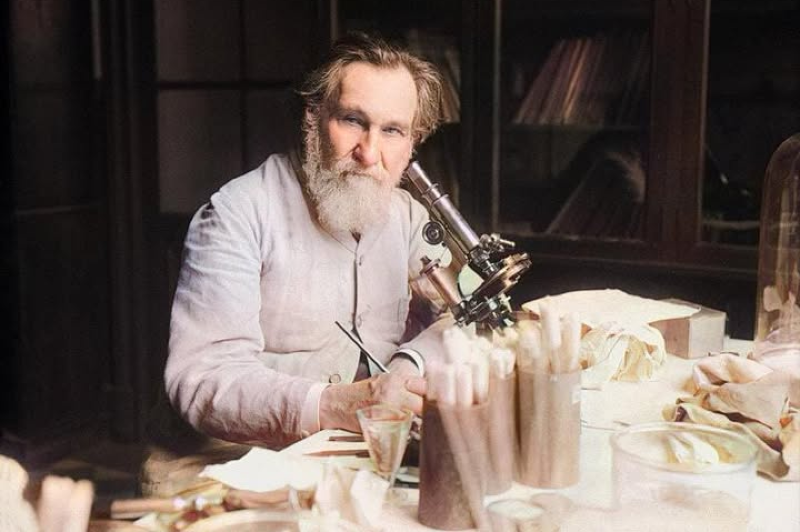
As part of his immunity quest, Metchnikoff experimented on himself. During the 1892 cholera epidemic in France, he drank Cholera vibrio, a bacteria that causes the disease. Within the same community, some people contracted it while others seemed immune. An understanding of how such immunity develops could lead to a vaccine. The cholera drink didn’t sicken Metchnikoff, so he let a volunteer from his lab repeat the test. When the first volunteer didn’t contract cholera either, Metchnikoff didn’t hesitate to accept an offer from a second one. To his horror, the young man fell ill and nearly died. When Metchnikoff took his experiments into the petri dish to find out what caused such a marked difference, he discovered that some microbes hindered the cholera growth. He proposed that the bacteria of the human intestinal flora played a part in disease prevention. And, he reasoned, if swallowing a pathogenic bacterial culture sickened you, then swallowing a beneficial one would make you healthier. (via Nautilus)
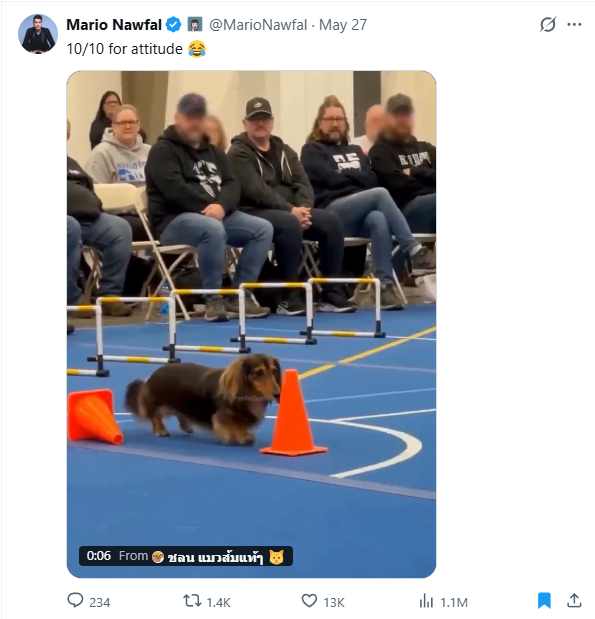
This dog-show participant gets 10 out of 10 just for attitude
Acknowledgements: I find a lot of these links myself, but I also get some from other places that I rely on as "serendipity engines," such as The Morning News from Rosecrans Baldwin and Andrew Womack, Jodi Ettenberg's Curious About Everything, Dan Lewis's Now I Know, Robert Cottrell and Caroline Crampton's The Browser, Clive Thompson's Linkfest and Why Is This Interesting by Noah Brier and Colin Nagy. If you come across something you think should be included here, feel free to email me at mathew @ mathewingram dot com