Why is a cow buried on the campus of the U of Illinois?

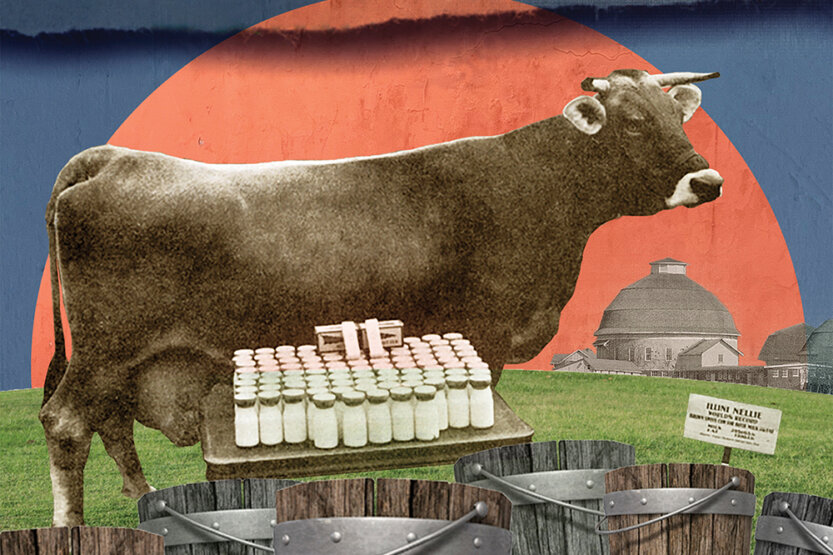
Why is there a cow buried on the campus of the University of Illinois, complete with a memorial plaque? Because she was the greatest milking cow of all time, that's why, and set new records for production that have yet to be broken. Illini Nellie (1927–1940) was a Brown Swiss, and became legen-dairy (sorry) in the 1930s, setting records for milk and milk-fat production for over 12 years in a row. According to the plaque, she produced so much milk that 23.5 families could have consumed a quart of it every day for 10.5 years. Nellie joined University regent John Milton Gregory — whose final resting place is near a shaded path between the Henry Administration Building and Altgeld Hall — as the only Illini to be buried on campus. Her grave, complete with a biographical marker, is at the University’s Lincoln Avenue Dairy. (via the UIAA)
The hunt continues for a stolen Jackson Pollock painting that could be worth $20 million
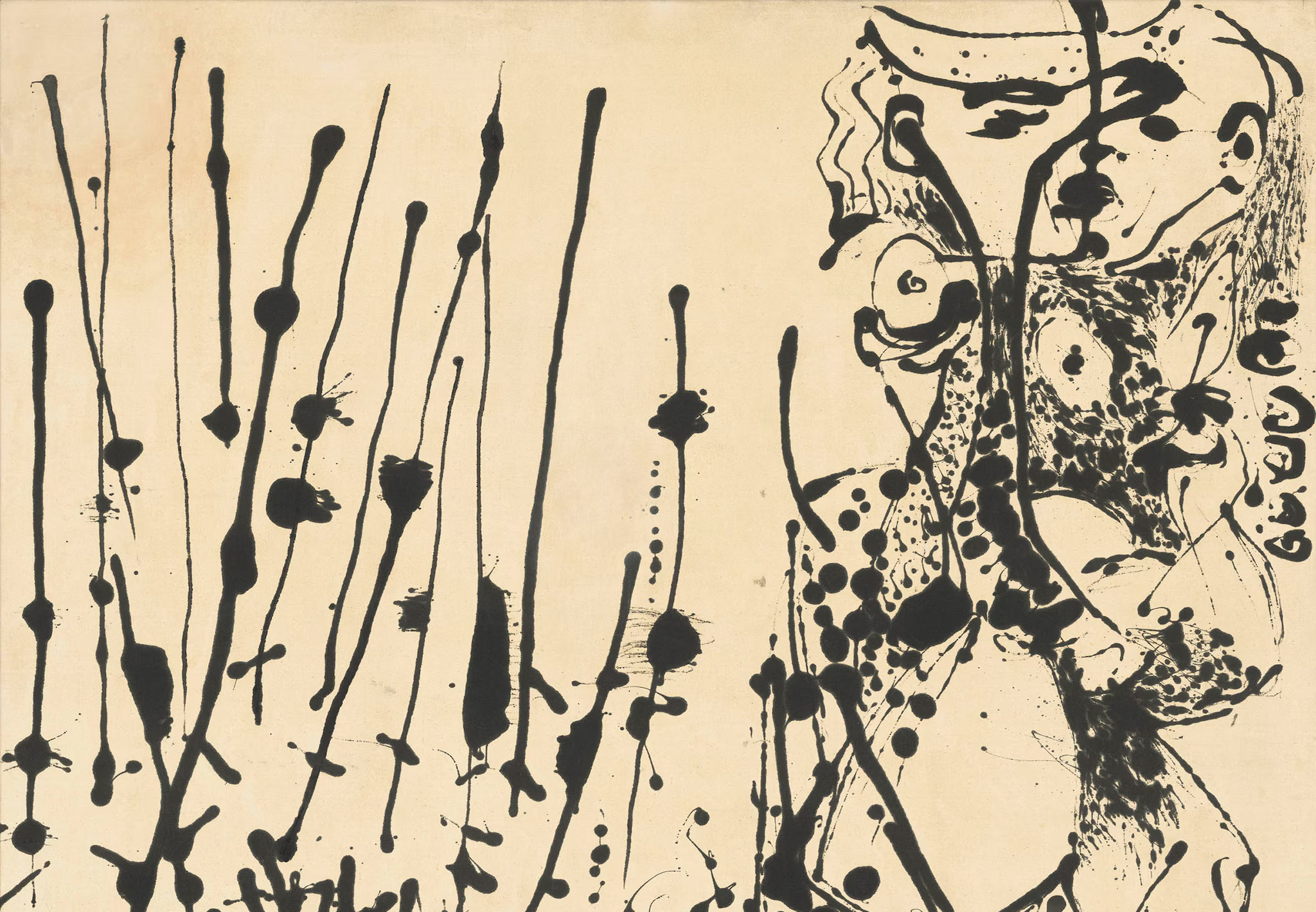
Merry White crumpled to the gallery floor. She had been walking around the East Building at the National Gallery of Art in 1984 when she’d suddenly found herself standing in front of a painting by Jackson Pollock. She recognized the work — a 1951 painting in black enamel on canvas, splashy but not abstract — and was suddenly so overwhelmed that she felt her legs about to give way. White knew “Number 7, 1951” intimately because her father, Reginald Isaacs, had acquired the painting directly from Pollock. It used to hang over her bed when she was a child. In 1973, thieves broke into her parents’ apartment in Cambridge and stole “Number 7, 1951,” along with two other paintings by Pollock. One of those works, a combination of paint and collaged ink drawings, is still missing. Eric Gleason of Olney Gleason, which represents Pollock’s estate, said the missing artwork could be valued at up to $20 million. (via the Washington Post)
Study shows that horses can literally smell fear
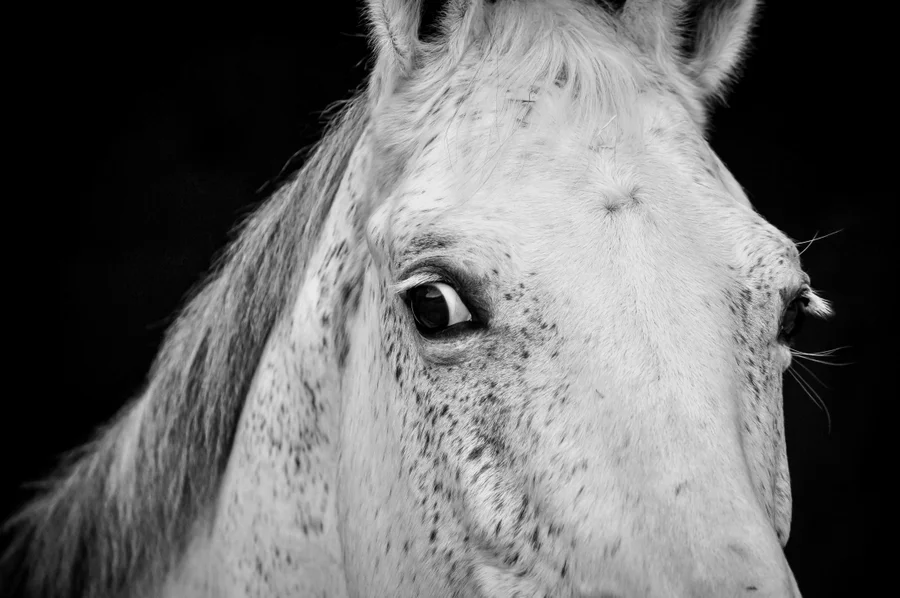
Horses can smell human fear — and it changes their behavior. That’s the takeaway of a rather unusual experiment that involved making horses smell material soaked in human sweat and observing what they did next. Horses exposed to samples of sweat from people who had had a scary experience appeared more afraid themselves: the animals were easily startled, hesitated to come up to the researchers and became less likely to interact with unknown objects. Researchers already knew that horses can respond to humans’ emotional cues, including facial expressions and tones of voice. But the new study went further by investigating whether horses could smell different emotions emanating from humans without those visual or oral cues. Taken together, the horses’ reactions indicate they can sense fear from odor alone, the researchers conclude. What the study doesn’t answer is why horses can apparently do this. (via Scientific American)
Hi everyone! Mathew Ingram here. I am able to continue writing this newsletter in part because of your financial help and support, which you can do either through my Patreon or by upgrading your subscription to a monthly contribution. I enjoy gathering all of these links and sharing them with you, but it does take time, and your support makes it possible for me to do that. I also write a weekly newsletter of technology analysis called The Torment Nexus.
A skeleton that washed up on a beach has been identified as a former mayor from Oregon
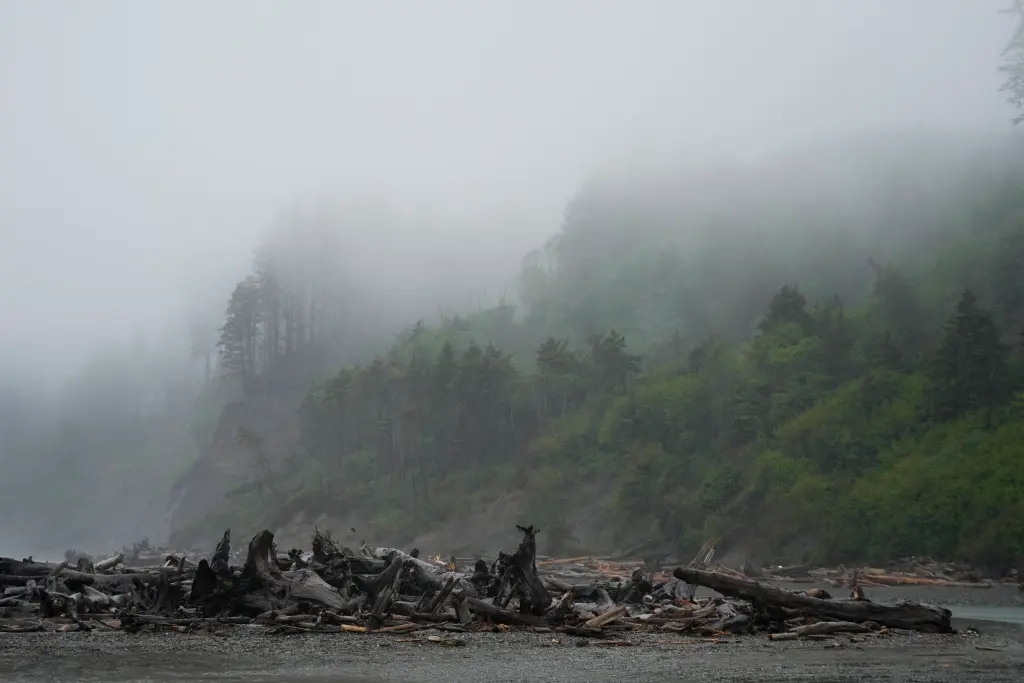
A skeleton that washed ashore on a beach in Washington state in 2006 has been positively identified as a former mayor who authorities presumed drowned on a fishing trip in Oregon. Clarence Edwin “Ed” Asher was presumed dead after he disappeared while on a fishing trip at Tillamook Bay, a small inlet on the coast of Oregon. The Coast Guard launched an extensive search that was suspended on Sept. 6, 2006, just one day after Asher vanished. Authorities determined that Asher had drowned when his wife told them he didn’t wear a lifejacket and didn’t know how to swim, the outlet reported. In November 2006, a collection of skeletal remains turned up on the shore of a beach in Taholah. In 2025, forensic evidence from the case was submitted to Othram, a Texas-based genetic genealogy company specializing in missing persons cases. The company said it created a detailed DNA profile and, with a sample from a relative of Asher’s, was able to link the skeleton to Fossil’s lost mayor. (via the NY Post)
She dresses up and pretends to be a crane to help raise young orphaned birds
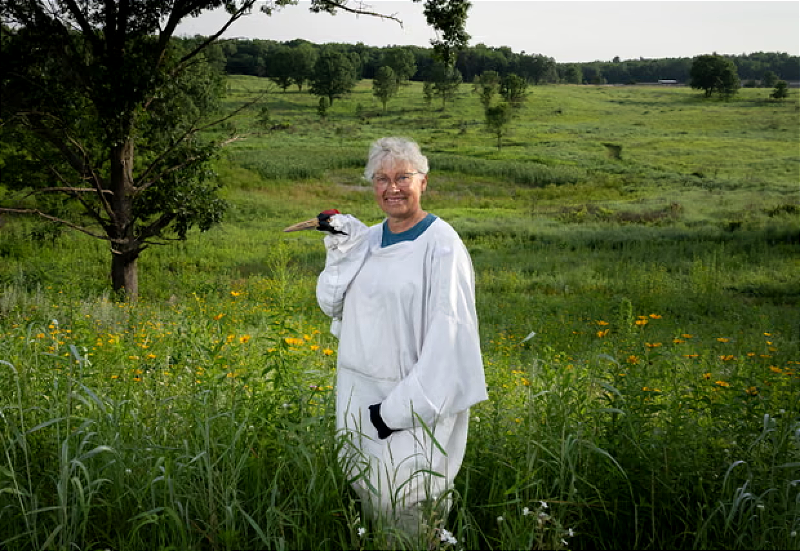
The International Crane Foundation was set up in 1973, with the aim of safeguarding the world’s 15 crane species – most are endangered or vulnerable due to habitat loss, climate change and hunting. As senior aviculturist at the headquarters in Baraboo, Wisconsin, I’m involved in everything from daily feeding to overseeing chick-rearing. Whenever possible, chicks are raised by their biological parents or adopted by other adult cranes, but when that isn’t possible, we have to raise them, and teach them how to behave like cranes. Some chicks will later be released into the wild, so it’s important that they learn to stay away from people and other predators. Young birds identify the first large moving object they see as their parent me, feeding was done from behind a barrier to reduce interaction, but this wasn’t really practical. (via The Guardian)
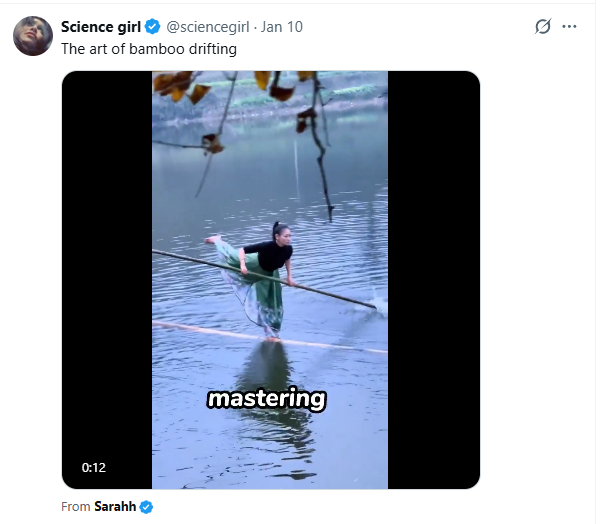
The lost art of bamboo drifting
Acknowledgements: I find a lot of these links myself, but I also get some from other places that I rely on as "serendipity engines," such as The Morning News from Rosecrans Baldwin and Andrew Womack, Jodi Ettenberg's Curious About Everything, Dan Lewis's Now I Know, Robert Cottrell and Caroline Crampton's The Browser, Clive Thompson's Linkfest and Why Is This Interesting by Noah Brier and Colin Nagy. If you come across something you think should be included here, feel free to email me at mathew @ mathewingram dot com