When a fake Cartier and a fake Rockefeller went into business


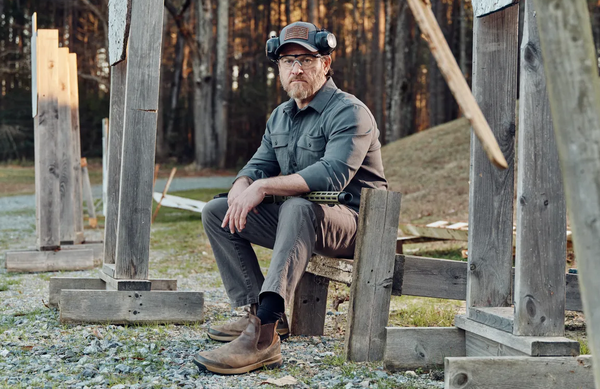
That fall, with her sights set on even bigger targets, Bartzen headed to Palm Beach and began hanging around with someone who appeared to be a genuine member of the scion class: a much younger man who introduced himself as Matthew Rockefeller. Suddenly, Bartzen and Global Passion Projects, to which Rockefeller signed on, took on a new gloss. Rockefeller, who is 39, told potential event partners that he ran the philanthropy arm of the oil baron’s family. For fees of up to $12,000, Bartzen and Rockefeller promised event sponsors access to a network of 50,000 investors, according to emails. The entrepreneurs agreed to co-host the event, which was scheduled for late January, on the condition that they would not be responsible for any costs. The party was to be held at the Mansion Yacht House, a new waterborne private club. Bartzen assured him she had the money. “The Rockefellers are coming!” she insisted. (via NY Mag)
McDonald's once tried to create and sell bubble-gum flavored broccoli

It sounds like one of Willy Wonka's rejected ideas: Bubble gum-flavored broccoli. But the creation was far from fictional: It was a concoction whipped up by the fast-food giant McDonald's. Chief executive Don Thompson said that the motivation was to create a way to get kids to eat healthier. So why isn't your local McDonald's selling bubble-gum flavored brassicas? Apparently adding a sweet flavor to broccoli doesn't make it any more appetizing to kids, who were confused by the taste, Thompson said. The test came as the fast-food chain was under pressure to create healthier options, while some consumers are shifting to rivals such as Chipotle. Still, McDonald's isn't giving up on tweaks to its menu. Instead of candy-flavored veggies, it's focusing on tactics such as reducing the size of its fry servings and adding low-fat yogurt to its Happy Meals. (via CBS)
There's an invisible wall around most of Manhattan that serves an important purpose
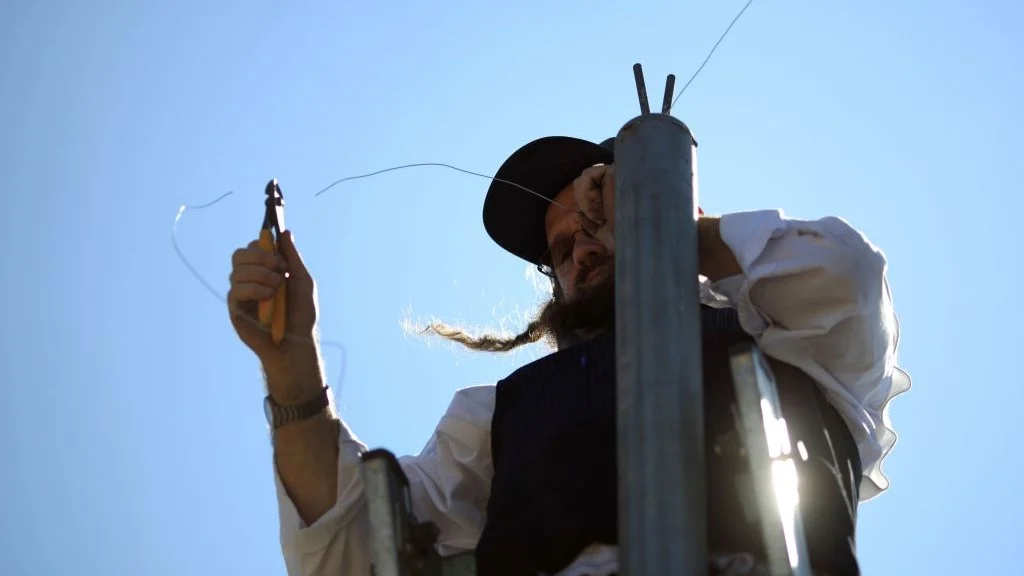
The Sabbath – Friday night and Saturday, if you're Jewish – is intended to be a day of rest. That means you don't do any work, and "work" in Judaism is defined in ways that aren't immediately obvious to others. For example, rabbinical interpretations bar activities like starting a fire, writing something down, or carrying something from one area to another. A prohibition on carrying seems sensible – but it isn't focused only on large, heavy items; it's universal, meaning you can't carry anything. You can carry a glass of water from the sink to the table, but but you couldn't carry that same glass of water from the privacy of your home to somewhere public. That causes a problem, though. Let's say you were on your way to synagogue on Saturday morning. You probably want to lock the doors to your house and carry your house keys with you. So, a creative solution is in order. And that creative solution is called an eruv. (via Now I Know)
Hi everyone! Mathew Ingram here. I am able to continue writing this newsletter in part because of your financial help and support, which you can do either through my Patreon or by upgrading your subscription to a monthly contribution. I enjoy gathering all of these links and sharing them with you, but it does take time, and your support makes it possible for me to do that. I also write a weekly newsletter of technology analysis called The Torment Nexus.
Scientists keep discovering mysterious tunnel networks underneath Europe
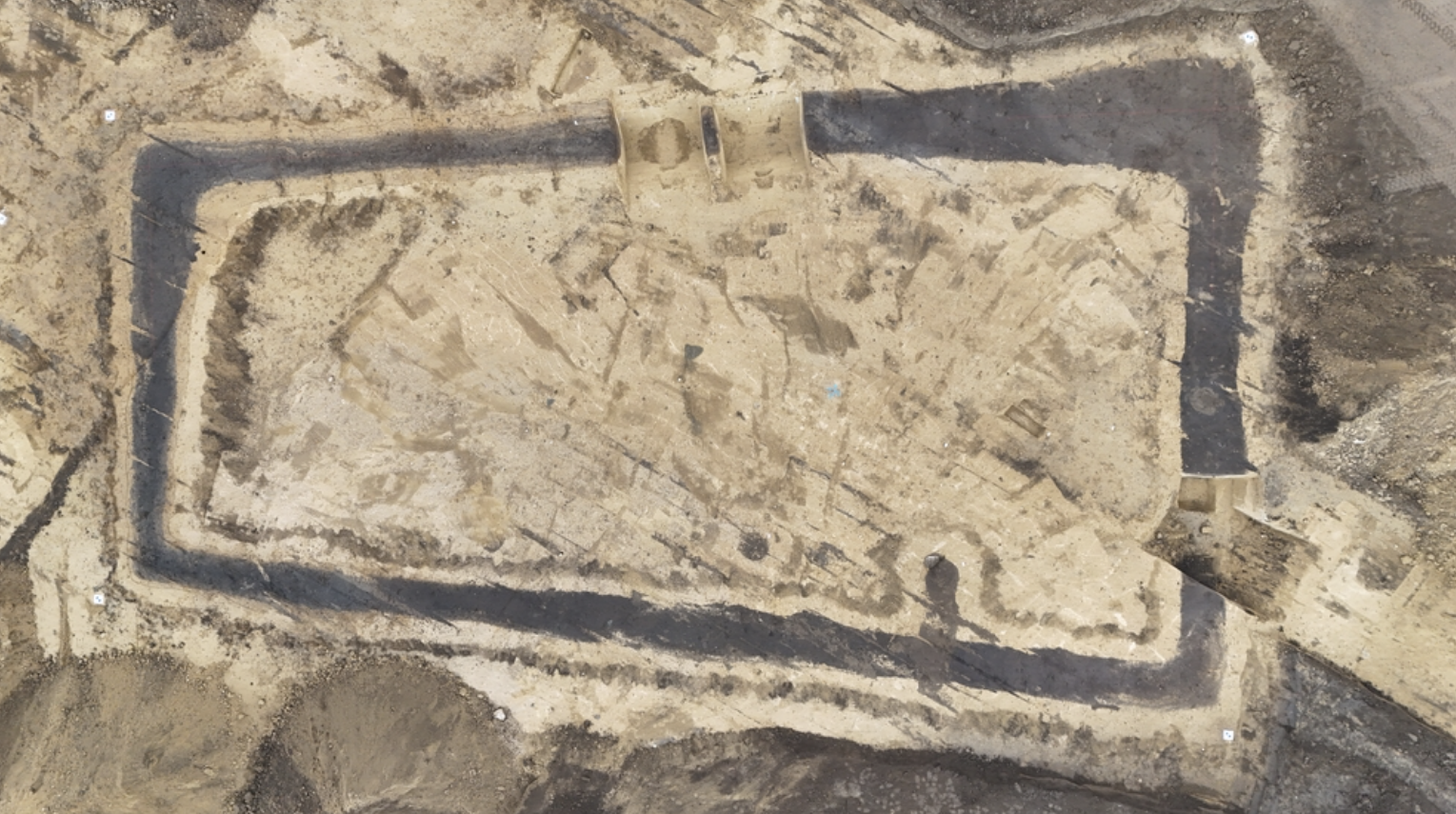
Archeologists in Germany have unearthed a mysterious underground tunnel built centuries ago within a prehistoric burial ground, marking a “very special” discovery according to a release from the State Office for Monument Preservation and Archaeology (LDA) of Saxony-Anhalt. The buried tunnel measures about two-feet wide and four-feet high, and was likely constructed anywhere between 800 to 1,100 years ago near the town of Reinstedt. Archeologists found pottery that dates to about the 13th or 14th century in the chamber, and also discovered a separate cavity that contained a horseshoe, a fox skeleton, and some small mammal bones. A layer of charcoal in the tunnel suggests that fires were once lit in this space. The tunnel is just one of hundreds of similar structures, known as erdstalls, that have been discovered across Europe. Fascinatingly, nobody knows what function they served, with the debated possibilities including use as hideaways. (via 404 Media)
They liked to watch people having sex on spy-cams and then one night it was them

One night in 2023, Eric was scrolling on a social media channel he regularly browsed for porn. Seconds into a video, he froze. He realised the couple he was watching - entering the room, setting down their bags, and later, having sex - was himself and his girlfriend. Three weeks earlier, they had spent the night in a hotel in Shenzhen, southern China, unaware that they were not alone. Their most intimate moments had been captured by a camera hidden in their hotel room, and the footage made available to thousands of strangers who had logged in to the channel Eric himself used for porn. Eric (not his real name) was no longer just a consumer of China's spy-cam porn industry, but a victim. So-called spy-cam porn has existed in China for at least a decade, despite the fact that producing and distributing porn is illegal in the country. (via the BBC)
A surfer named Orion goes in search of waves amidst the ice floes during a Quebec winter

Acknowledgements: I find a lot of these links myself, but I also get some from other places that I rely on as "serendipity engines," such as The Morning News from Rosecrans Baldwin and Andrew Womack, Jodi Ettenberg's Curious About Everything, Dan Lewis's Now I Know, Robert Cottrell and Caroline Crampton's The Browser, Clive Thompson's Linkfest and Why Is This Interesting by Noah Brier and Colin Nagy. If you come across something you think should be included here, feel free to email me at mathew @ mathewingram dot com