What does a butcher with a whip have to do with Christmas?

Hi everyone — Mathew Ingram here. This is a special Christmas edition of When The Going Gets Weird, and it is the last newsletter of the year. Hope you and your loved ones have a great holiday (if you celebrate a winter festival of some kind) and we'll see you again in 2026!
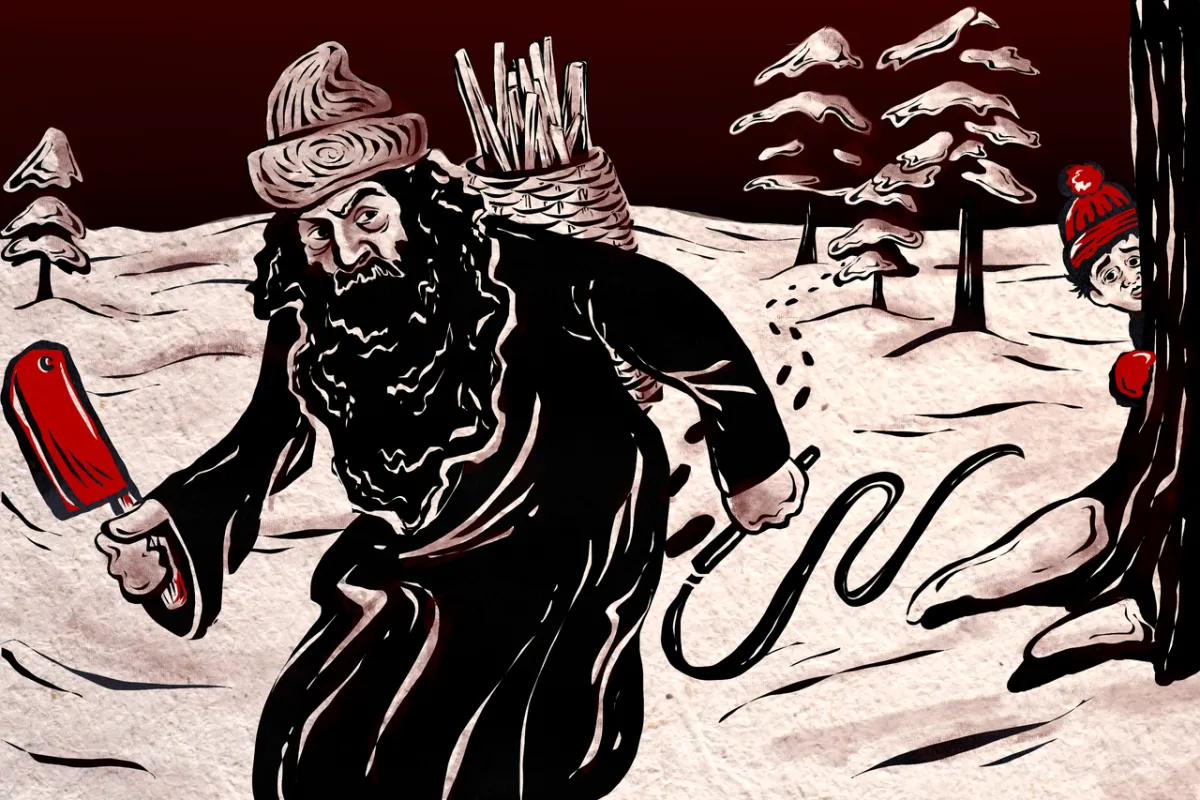
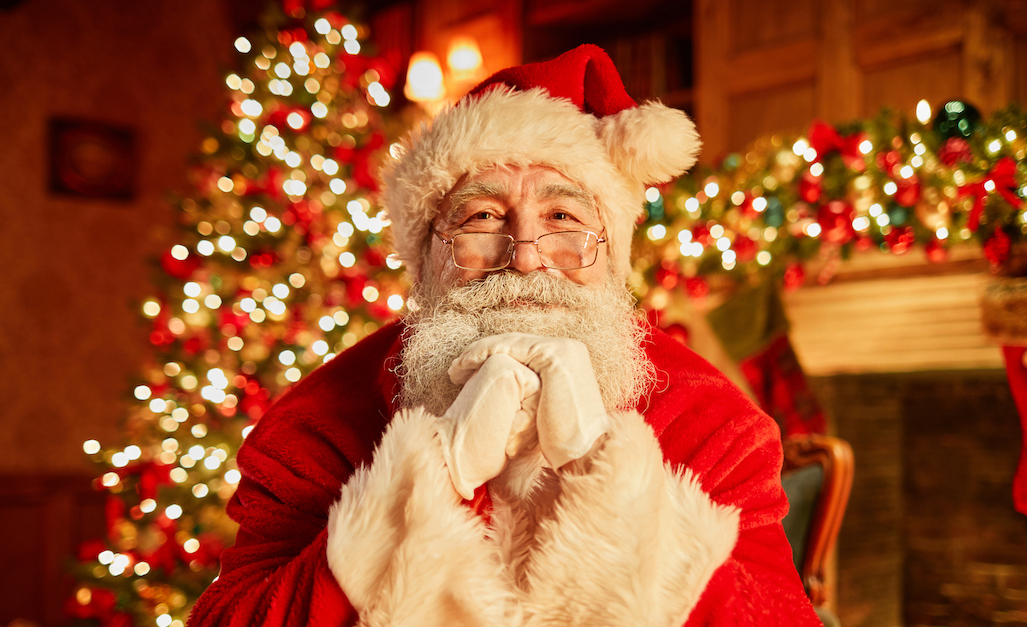
A butcher, a man with a whip, and a jolly bishop walk into a bar. This is not, in fact, the opening line of a twisted joke — it’s preparation for the biggest day of the year in Nancy, an elegant city in France’s Lorraine region. St. Nicholas Day is celebrated across many European countries on December 6 or the weekend following it. Each evening in Nancy from late November till early January, a lights display projects a story onto the opulent façade of the Hôtel de Ville. The expectant crowd watches as three children knock on the door of a local butcher, only to be chopped up into little pieces and left to cure in a salting pot. Falling snowflakes are replaced with chunks of veal. You might be wondering what this gruesome scene has to do with St. Nicholas, who is the predecessor of Santa Claus. Often throughout Europe, St. Nicholas is said to be accompanied by an evil nemesis designed to frighten children into good behavior. (via Atlas Obscura)
Bob Rutan has one of the best Christmas stories of all time thanks to playing Santa for Macy's

Santa Claus was nursing a beer at an uptown dive bar. The neighborhood was gentrifying, and management seemed eager to accommodate — there was scented soap in the bathroom and twenty-two-dollar lobster rolls. But the place couldn’t outrun the regulars. They drank tumblers of Irish whiskey filled to the brim, illicit pours they secured with ten-dollar tips to a curvy Dominican bartender. Santa — Billy — was fiftyish, with a modest gut, gray hair, a lustrous beard, and a caddish gaze that followed the bartender up and down the rail. He was dressed in sweatpants and a T-shirt. For the price of three beers, he told me his story. As a young man, Billy had come to New York to be an actor, but over time he began to feel like an extra in his own life, watching it happen without any control over its direction, the way a person does sometimes. These were bad years, shameful even. He lost his job. He lost his wife. Lost touch with his young son too. He was overweight and undershaved. A friend had a weird idea: Billy could try playing Santa Claus at Macy’s. And that’s what Billy did. (via Esquire)
The image of Santa and his reindeer was popularized by a guy who sold reindeer meat
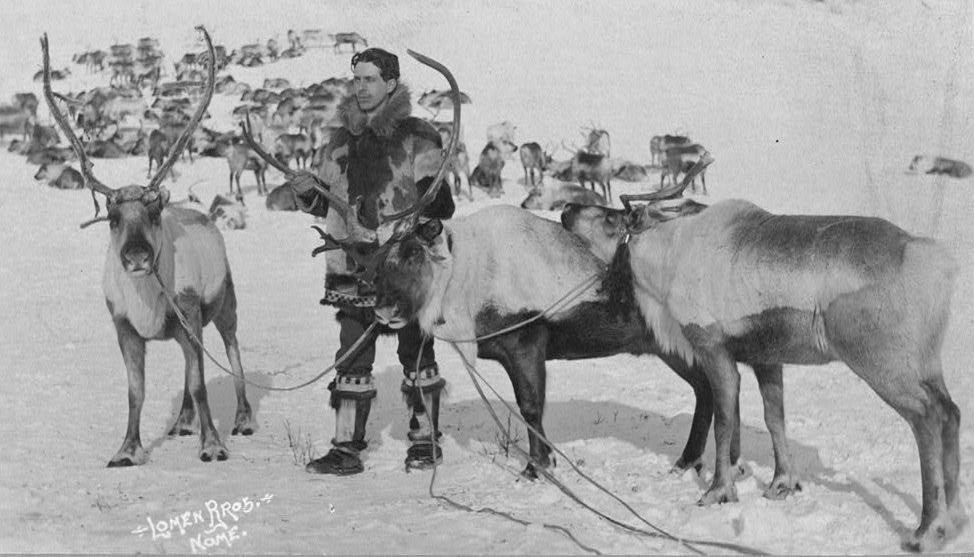
Carl Lomen spent the bulk of his career coaxing dubious Americans to consider western Alaska’s swelling reindeer herds as an alternative to beef. This crusade earned him the nickname of the “Reindeer King.” Only Alaskan Natives could lawfully own and sell female reindeer. But years later, a loophole presented itself to Lomen: Sámi herders, too, were allowed limited reindeer ownership as part of their teaching contracts with the U.S. government, and they technically could sell the animals to anyone once said contracts expired. Lomen’s most over-the-top marketing scheme, which began in 1926, involved department store chains such as Macy’s. That Christmas, he sent reindeer to various retail locations, where the animals would parade before delighted crowds as Santa’s reindeer. These displays helped solidify Santa and his reindeer as a cultural touchstone, reinforcing the image of Old St. Nick as a jolly man in a sleigh. (via Atlas Obscura)
Christmas Eve in the newsroom: "I didn't say get the story, I said get the kid his peaches"
It happened one Christmas Eve a long time ago in a place called Oakland on a newspaper called the Tribune with a city editor named Alfred P. Reck. I was working swing shift on general assignment, writing the story of a boy who was dying of leukemia and whose greatest wish was for fresh peaches. It was a story which, in the tradition of 1950s journalism, would be milked for every sob we could squeeze from it, because everyone loved a good cry on Christmas. Then the telephone rang. It was Al Reck calling, as he always did at night, and he’d had a few under his belt. Al listened for a moment and then said, “How long’s he got?” “Not long,” I said. “His doctor says maybe a day or two.” There was a long silence and then Al said, “Get the kid his peaches.” “I’ve called all over,” I said. “None of the produce places in the Bay Area have fresh peaches. They’re just plain out of season. It’s winter.” “Not everywhere. Call Australia.” “Al,” I began to argue, “it’s after 11 and I have no idea . . . . “ (via the LA Times)
Hi everyone! Mathew Ingram here. I am able to continue writing this newsletter in part because of your financial help and support, which you can do either through my Patreon or by upgrading your subscription to a monthly contribution. I enjoy gathering all of these links and sharing them with you, but it does take time, and your support makes it possible for me to do that. I also write a weekly newsletter of technology analysis called The Torment Nexus.
In Western Australia gifts are brought by Wangkamal the Christmas crow
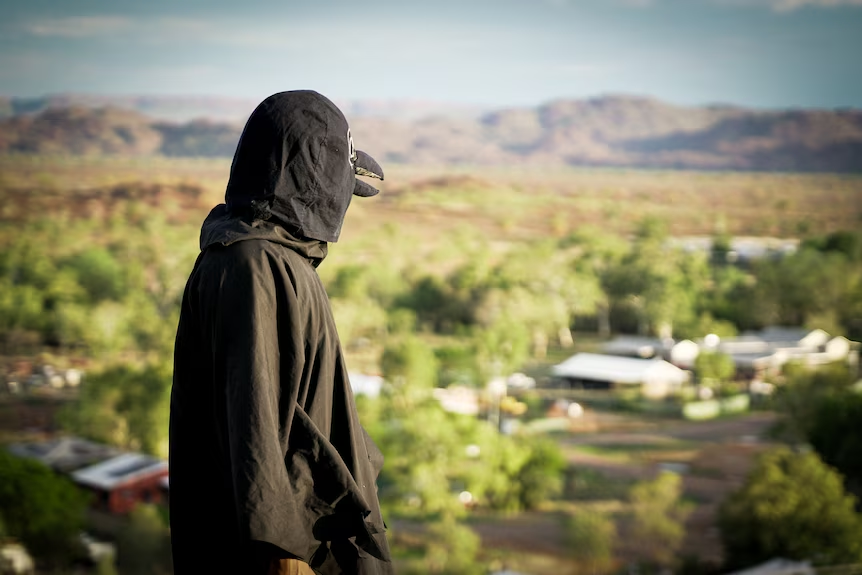
It's a hot night before Christmas and an eerie figure is perched on a hilltop, gazing over Gija country. He is tall, feathered and mysterious — and makes a loud screeching noise as the sun begins to set. Soon, he'll be bringing presents to local children, but he ain't no Santa Claus. He is Wangkarnal — the strangest and spookiest Christmas tradition you've never heard of — and he's about to make his annual appearance in the small bush community of Warmun. "It's a special thing to celebrate the story from our Dreamtime," she says. "The old people taught us about the crow and the eagle, who lived up on the hill, but the crow was really lazy and never went hunting. "So they had a fight and the eagle struck the crow with hot coals, and that's how Wangkarnal got the white marks around his eyes. "Nowadays, we have a football team called the Eagles, and we have the crow come at Christmas time to give presents to the kids." (via ABC.au)
Macy's has a secret Black Santa that families can request if they want one
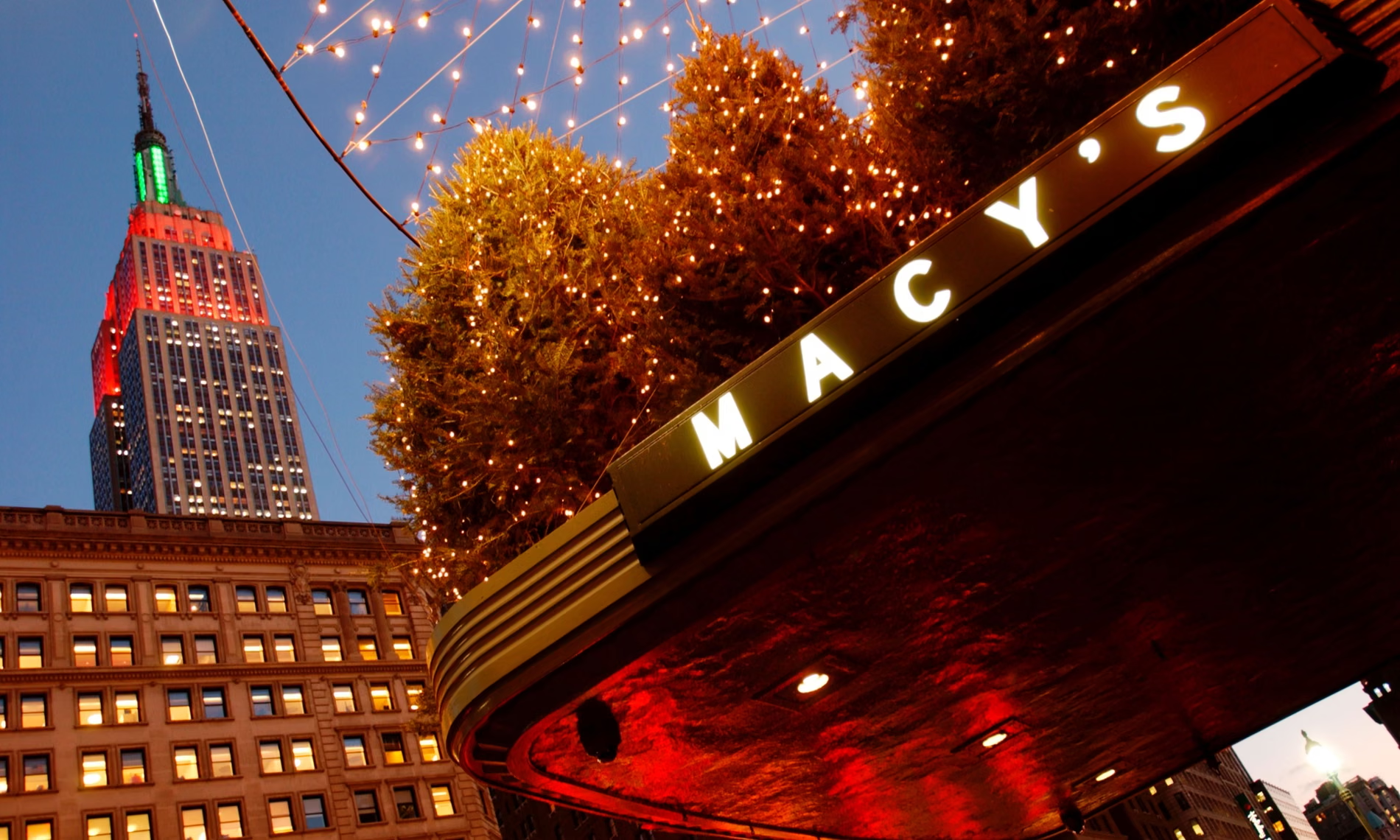
At 2.2m sq ft, the sprawling branch of Macy’s at Herald Square, New York, is the largest department store in the US and its Santaland Junction is a tightly organized, richly decorated paradise/hell of screaming children and yelling parents, queuing for a short audience with a big man. As part of the attraction, the store tries hard to maintain the fiction that there is “only one Santa Claus”. But everyone apart from the youngest children knows that’s not true. A much better-kept secret, though, is that for years, the store has offered an alternative Santa for those who know to ask. The difference: he’s black. The revelation was made by the Animal New York blog, who pursued a rumour. The company refused point blank to enter into a discussion about the bizarre practice on Tuesday. “At Macy's, we have upheld the tradition and believe in our hearts that there is only one Santa Claus, and that Santa is all things to all people who believe in the spirit and goodness of Santa,” it said in a prepared statement. (via The Guardian)
The snow globe started out as an invention designed to help doctors during surgery
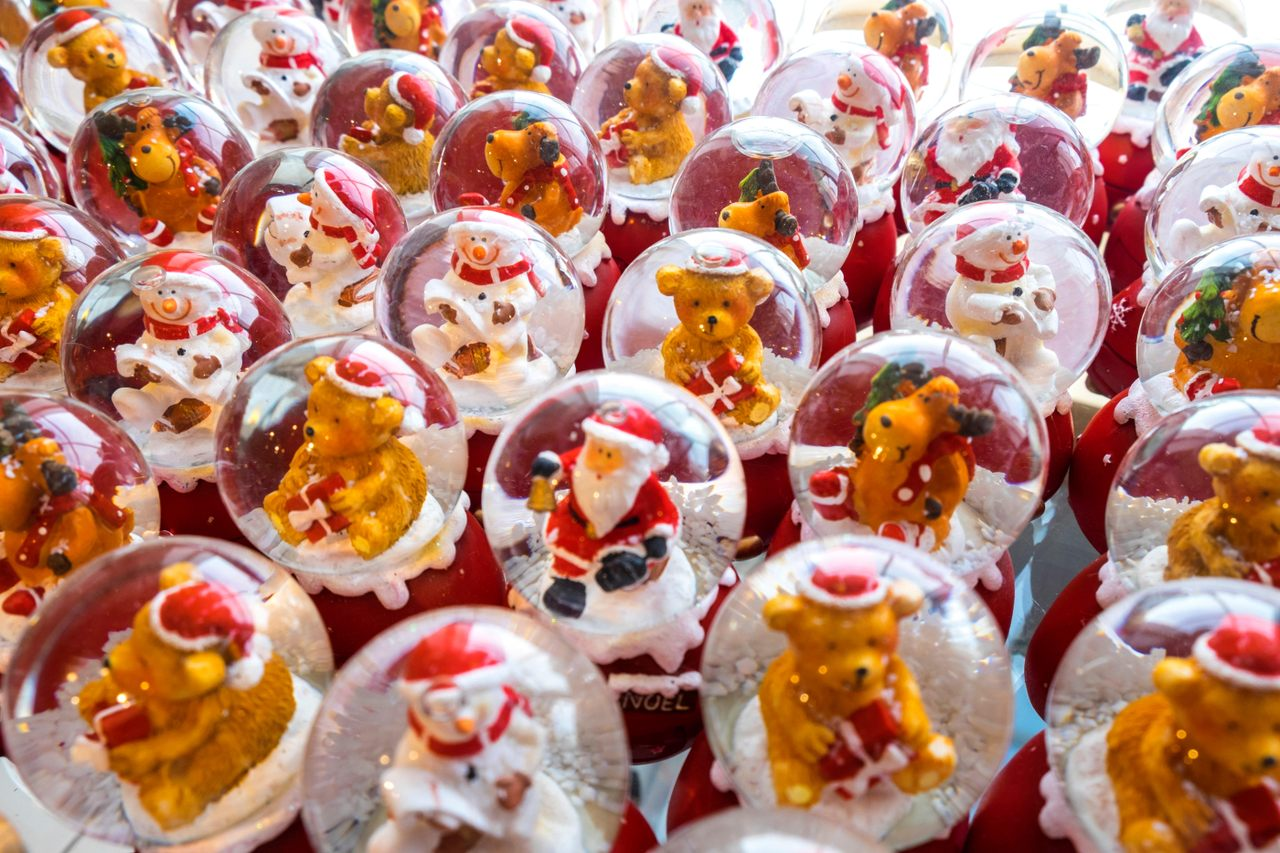
The story begins around 1900 when Erwin Perzy, a surgical instrument maker in Vienna, received a request from a doctor for a lightbulb that produced the bright illumination needed for surgery. At first, Perzy thought he could solve the problem with a shoemakers’ lamp, a glass globe filled with water that, when placed in front of the lightbulb, amplified and focused the light on the work area. While helpful, the light was too focused on one small spot and thus, not practical. Perzy continued to experiment with ways to both amplify and spread the light by inserting metal flakes into the globe, but they sank to the bottom. Perzy thought they looked a bit like falling snow. He tried filling the globe with semolina and, when he shook the globe, he saw the beauty of winter in Vienna. The snow globe — and Original Snow Globe Factory — was born. The connection with Christmas came during World War II. (via Atlas Obscura)
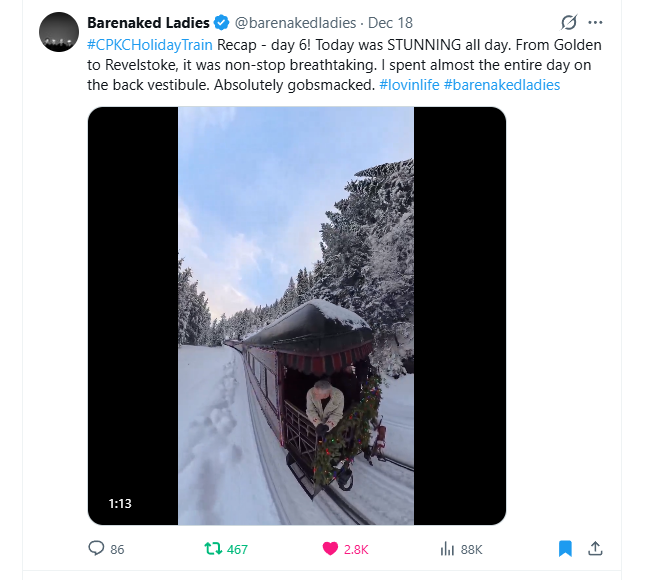
What it's like to ride on CN's Holiday Train by the band The Barenaked Ladies
Acknowledgements: I find a lot of these links myself, but I also get some from other places that I rely on as "serendipity engines," such as The Morning News from Rosecrans Baldwin and Andrew Womack, Jodi Ettenberg's Curious About Everything, Dan Lewis's Now I Know, Robert Cottrell and Caroline Crampton's The Browser, Clive Thompson's Linkfest and Why Is This Interesting by Noah Brier and Colin Nagy. If you come across something you think should be included here, feel free to email me at mathew @ mathewingram dot com