There are thousands of secret tunnels throughout Europe

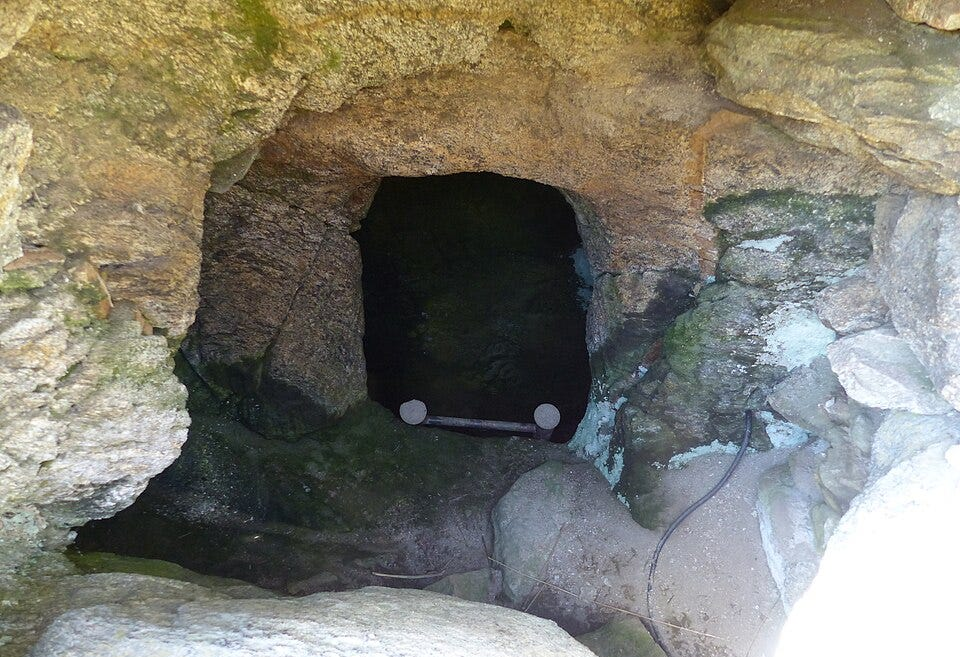
Around 2,000 strange tunnels have been found around central Europe. These aren’t like the well-known catacombs of Paris or Rome. Known as the erdstall, these passages are extremely narrow, never more than two feet wide nor high enough for an adult to walk in, and sometimes the passages become seemingly impossibly narrow, with some as small as 16 inches in diameter. Determining their age and purpose is made difficult by the fact that almost no archaeological evidence has been found inside any of them. A ploughshare was found in one, millstones in a couple others, but apart from that the erdstall are eerily empty. Carbon analyses of coal and pottery fragments found within point to construction dates of around 900 to 1200 AD, but no written records from the Middle Ages mention the erdstall’s existence. (via Weird Medieval Guys)
A Great Dane was awarded a medal in World War II for peeing on an explosive device
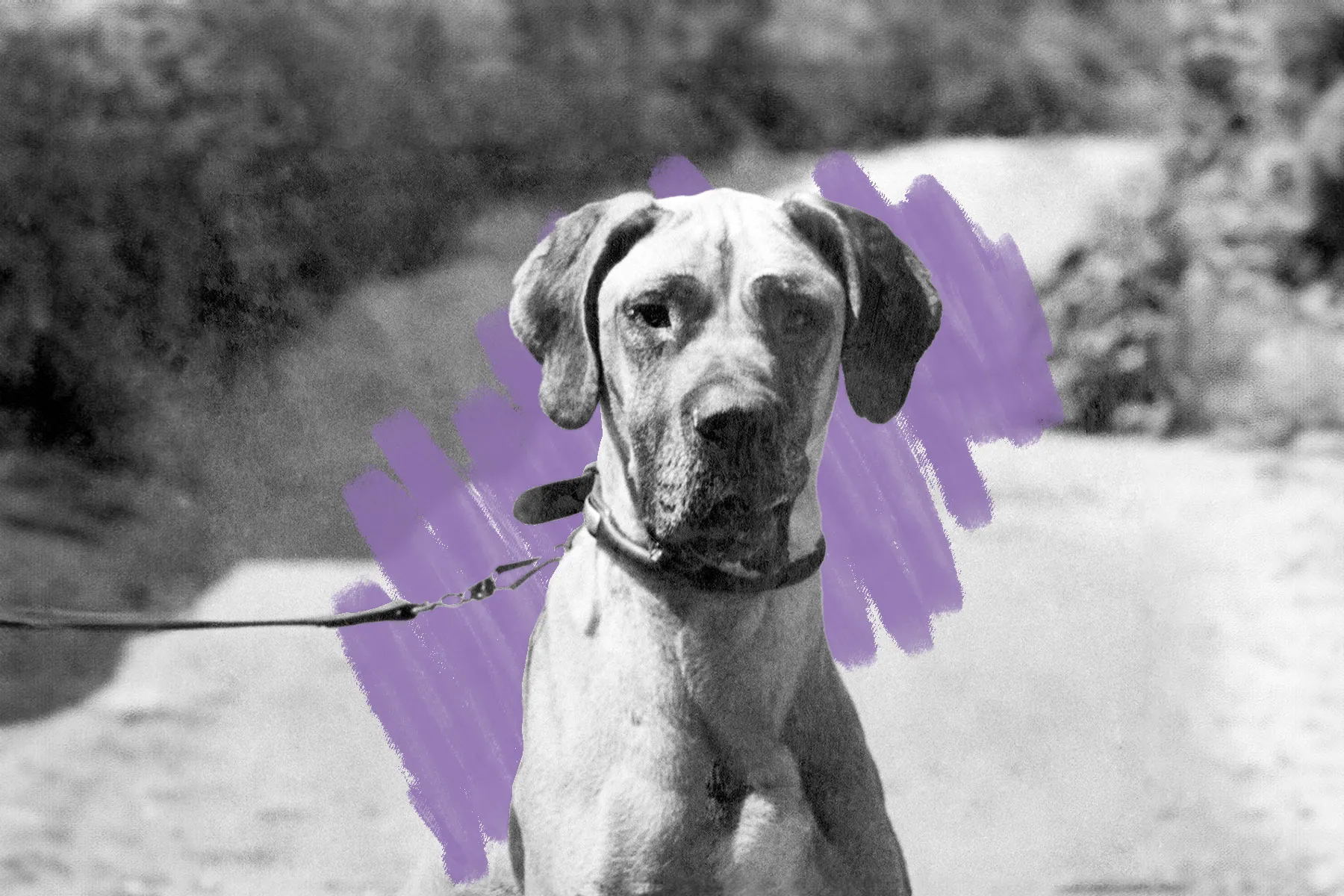
Animals have played pivotal roles on the front lines of many battles. Horses, elephants, and even dolphins have been employed for their strength, intelligence, and adaptability. During World War II, one brave animal stood out as a hero for using an unlikely defense tactic against the enemy: her urine. Juliana was the name of a Great Dane who had even greater instincts. In April 1941, amid the ongoing German bombing campaign known as the Blitz, explosives rained down across the U.K. When a bomb fell through the roof of the house where Juliana lived with her owner, the fast-acting pooch made her way over to the incendiary device and extinguished its flame by urinating on it. Juliana’s bravery earned her a medal from the Blue Cross. (via History Facts)
She used a megaphone to insult her neighbors every night for two years

Imagine sleeping peacefully in your bed and being jolted into consciousness by loud swearing in the middle of the night. This was the nightmare endured by dozens of residents of Kaohsiung, Taiwan, who had to put up with the antics of a crazed neighbor. Taiwanese court of law recently ruled against a woman surnamed Chen who reportedly installed sound-amplifying equipment on the balcony of her home in Kaohsiung and used it to insult her neighbors at odd hours of the night, at least three times per week, for nearly two years. In May 2023, Chen began using a megaphone to insult several neighbors with whom she had disputes, but the sound coming from her balcony was so loud that it affected the peace of several other households in her neighborhood. She always “broadcast” at maximum volume, with each session lasting a few dozen minutes. (via Oddity Central)
Hi everyone! Mathew Ingram here. I am able to continue writing this newsletter in part because of your financial help and support, which you can do either through my Patreon or by upgrading your subscription to a monthly contribution. I enjoy gathering all of these links and sharing them with you, but it does take time, and your support makes it possible for me to do that. I also write a weekly newsletter of technology analysis called The Torment Nexus.
Scientists have reproduced the hallucinogenic drink used in secret Greek ceremonies
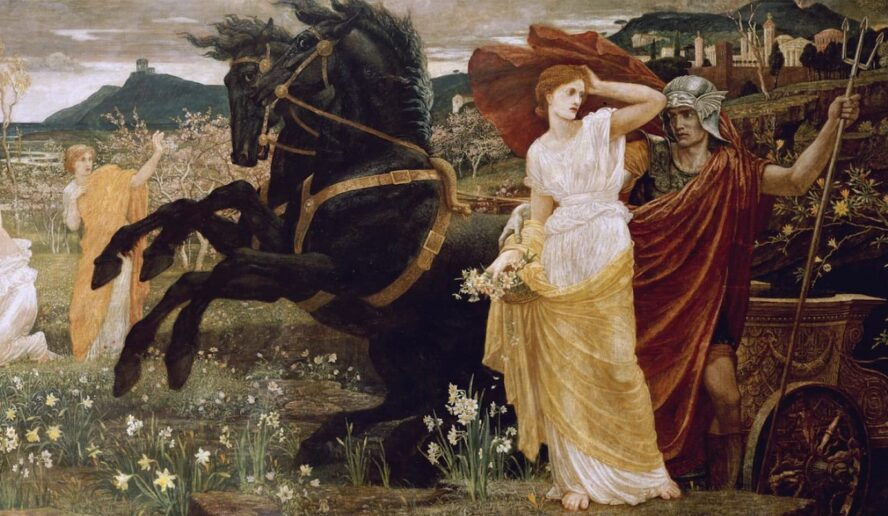
For nearly two millennia, every autumn, a procession of devotees traveled the 20 kilometers from Athens to Eleusis, carrying with them not only offerings, but also the hope of glimpsing the afterlife. There, inside the Telesterion, the great initiation hall, pilgrims took part in the Eleusinian Mysteries, the most important esoteric rite of classical Antiquity. Attendees swore to keep secret what they experienced, under penalty of death. However, the clues left by poets and philosophers of the time pointed to a transformative experience: an event that made it possible to know the end of life and its beginning granted by Zeus. Now, a study by a consortium of chemists, mycologists, and archaeologists has taken a giant step toward solving this millennia-old enigma. The researchers have demonstrated that it is possible, using methods available to the priestesses of Eleusis 3,000 years ago, to convert a parasitic and deadly fungus into a psychedelic drink, the mythical substance called kykeon. (via La Brujula Verde)
He proved that a bacteria causes stomach ulcers by experimenting on himself
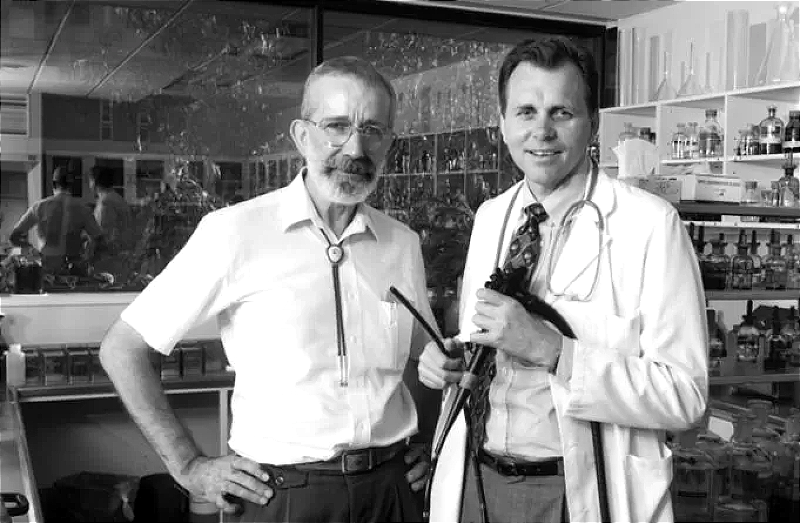
In the summer of 1984, the Australian scientist Neil Noakes took some bacteria from a petri dish, mixed them with lukewarm beef extract – the normal nutrient solution for bacteria in the lab – and filled a little more than one cup into a beaker. Then he handed this mix to his colleague, the gastroenterologist Barry Marshall, who downed it without complaining. Three days later, Marshall felt nauseated and his mother told him he had bad breath. Next he started vomiting. But he still waited a few days before taking the antibiotics that were supposed to kill the bacteria in his stomach. A gastroscopy not only clarified his diagnosis, but ultimately resulted in his winning the Nobel Prize in Physiology and Medicine about twenty years later. He had asked neither an ethics commission nor his wife for permission to conduct this experiment. His colleagues thought him completely insane to take a risk like that. (via Scientific American)
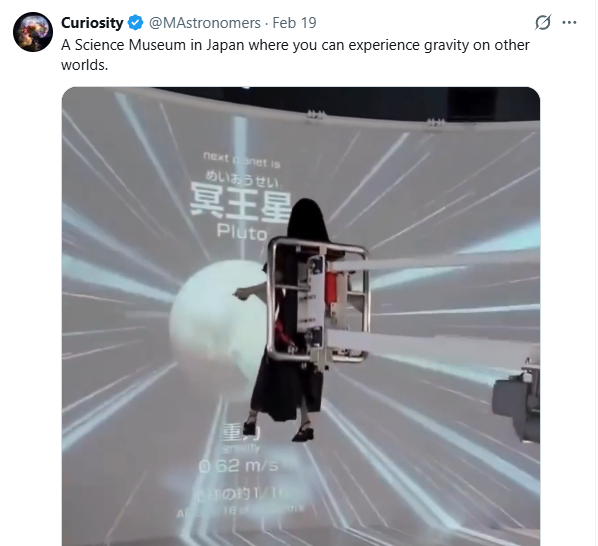
A science exhibit in Japan lets you experience gravity on other planets
Acknowledgements: I find a lot of these links myself, but I also get some from other places that I rely on as "serendipity engines," such as The Morning News from Rosecrans Baldwin and Andrew Womack, Jodi Ettenberg's Curious About Everything, Dan Lewis's Now I Know, Robert Cottrell and Caroline Crampton's The Browser, Clive Thompson's Linkfest and Why Is This Interesting by Noah Brier and Colin Nagy. If you come across something you think should be included here, feel free to email me at mathew @ mathewingram dot com