The inventor of Coca-Cola tried to market cocaine-infused wine

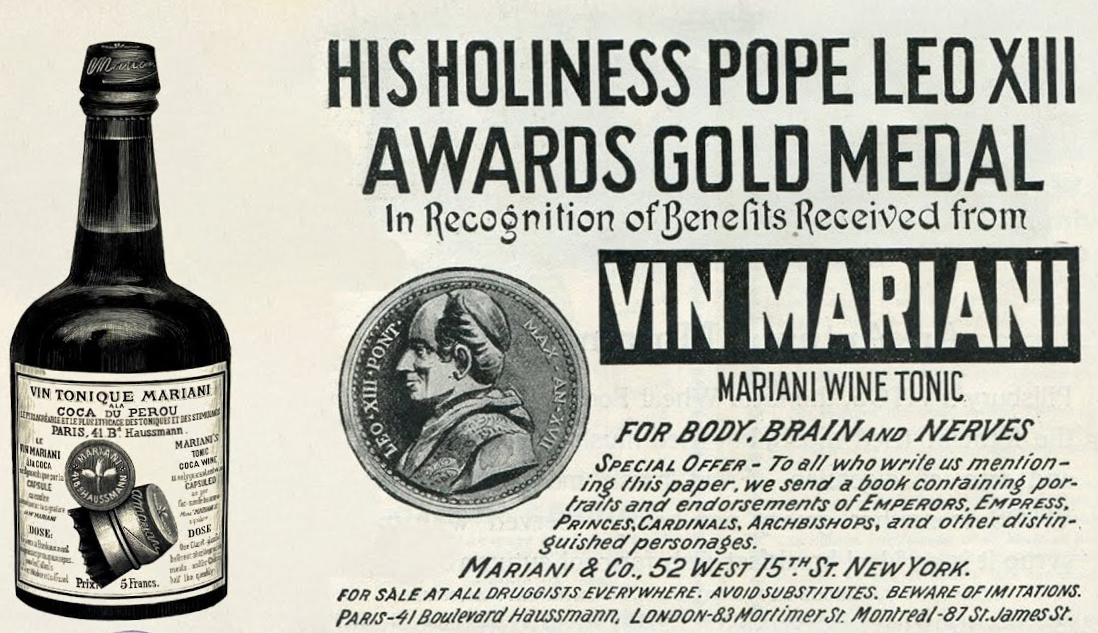
In 1863, Angelo Mariani marketed a patent medicine called Vin Tonique Mariani à la Coca de Perou. Based on Bordeaux wine infused with three varietals of coca leaves in the bottle, le Vin Tonique Mariani was immediately applauded as a an ideal stomach stimulant, an analgesic on the air passages and vocal chords, appetite suppressant, anti-depressant, and treatment against anemia. In 1884, pharmacist John S Pemberton launched Pemberton’s French Coca Wine in Atlanta, Georgia. Another overnight success would have been in the making, if it hadn’t contained wine. The Klu Klux Klan forcefully lobbied for prohibition in Atlanta. The law was enacted in 1885. Pemberton was pressed to reformulate his product, replacing wine with cola extract and soda. Coca-Cola was born. The high cocaine content of Pemberton’s product forced Mariani to increase his dosage to 7.2 mg per ounce for US export. (via the EUVS)
The Pilgrims came to North America to harvest pine trees for the masts of British ships
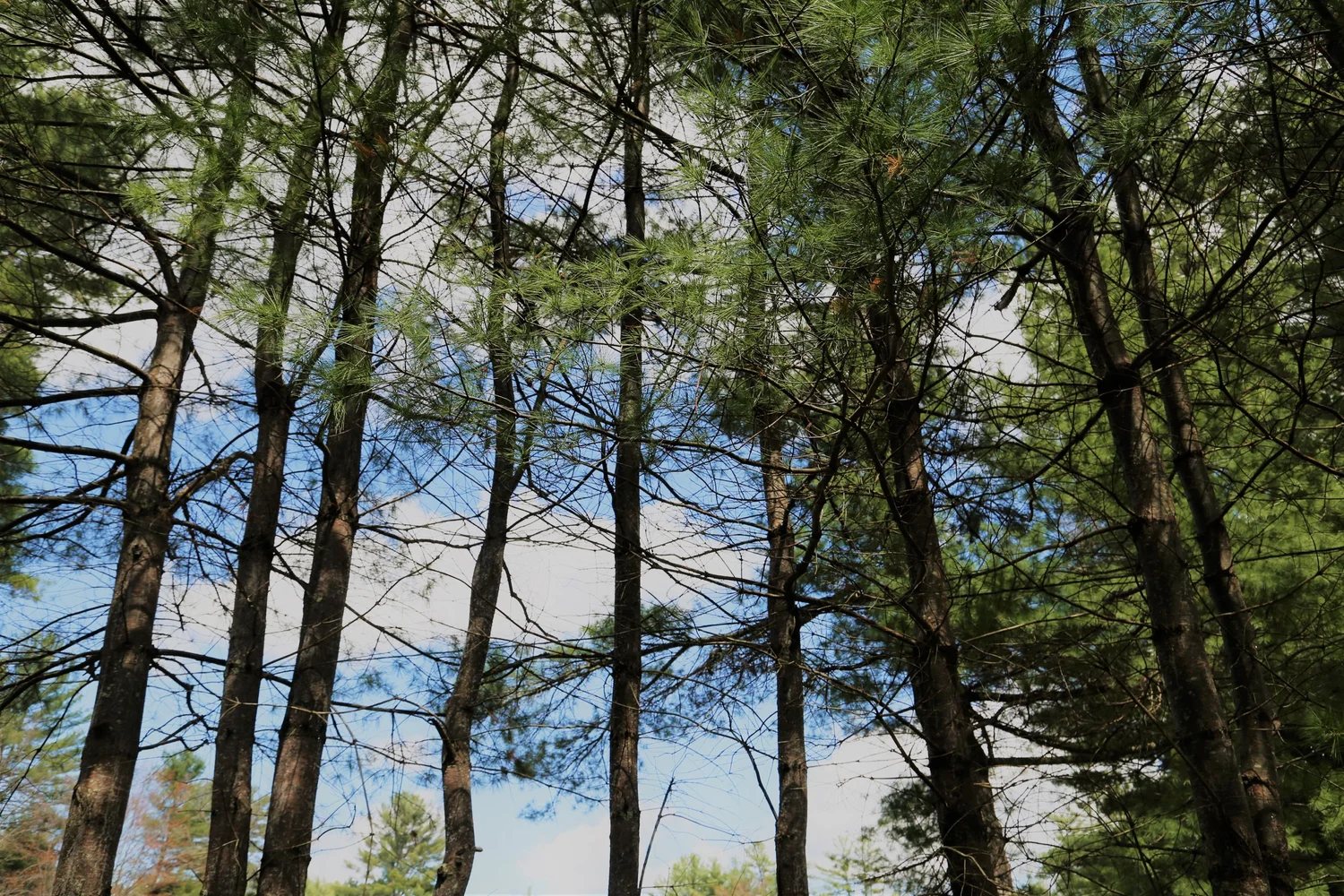
Great Britain first came to America because it ran out of trees. The British needed big, thick, strong pines to make the masts for the Royal Navy, and they couldn’t get those from forests in Europe, so they sent Pilgrims to America basically to chop down trees to send back to Britain. The common mythology is that the Pilgrims were religious separatists, but they were really lumber merchants sent here to find timber for the Crown. But the colonists rebelled, and they lashed a king’s forest surveyor in a tavern in Weare, N.H. That became known as the Pine Tree Riot, which inspired the Boston Tea Party a year later. Flash forward to World War I, and the Allies desperately needed a pliable, tough, stringy wood to build airplanes. So the military mobilized a huge labor force of hundreds of thousands of military men who convened converged on the Oregon and Washington State coast to harvest Sitka spruce, which they called airplane spruce. And it turned the tide of the war, really. (via Scientific American)
It was illegal to collect gold coins in the US for more than 40 years
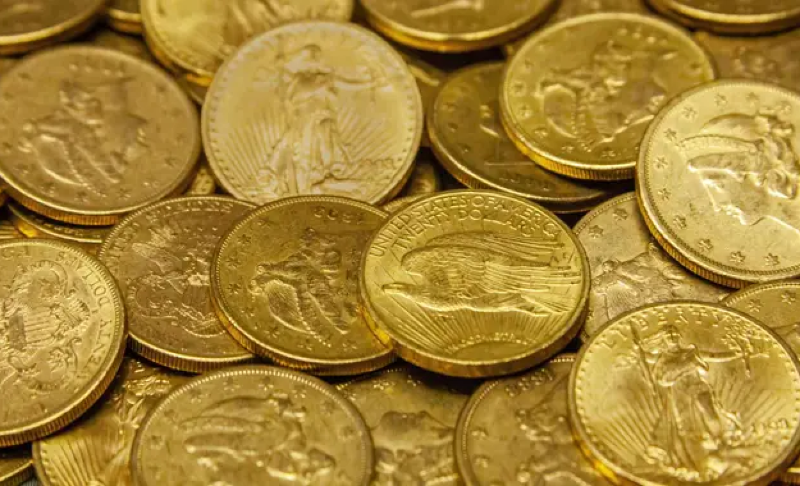
Executive Order 6102 was an executive order signed on April 5, 1933, by US President Franklin D. Roosevelt forbidding "the hoarding of gold coin, gold bullion, and gold certificates within the continental United States." The executive order was made under the authority of the Trading with the Enemy Act of 1917, as amended by the Emergency Banking Relief Act in March 1933. At the time and in the years that followed, this policy was highly controversial and faced criticism from those who asserted it was "completely immoral" and "a flagrant violation of the solemn promises made in the Gold Standard Act of 1900." The critics also claimed this executive order would lead to an inflation of supply of credit and currency, which would cause a fraudulent economic boom which would inevitably bust and result in a depression. The limitation on gold ownership in the United States was repealed after President Gerald Ford signed the International Development Association Appropriations Act of 1975. (via Wikipedia)
Hi everyone! Mathew Ingram here. I am able to continue writing this newsletter in part because of your financial help and support, which you can do either through my Patreon or by upgrading your subscription to a monthly contribution. I enjoy gathering all of these links and sharing them with you, but it does take time, and your support makes it possible for me to do that. I also write a weekly newsletter of technology analysis called The Torment Nexus.
This variety of Oriental hornet turns out to be solar powered
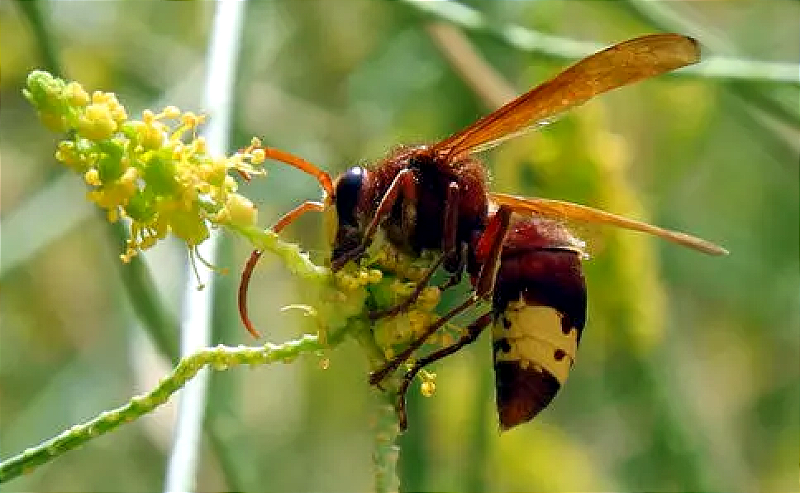
For the oriental hornet, the yellow and brown banded sections of its exoskeleton also play a role in providing energy for daily activities. Oriental hornets thrive in seasonal colonies in sunny and semi-arid regions from northeast Africa to southwest Asia. Unlike most wasps that are more active in the early morning, the oriental hornet is most active during the middle of the day. As it turns out, being hard at work when the sun is at its brightest can be useful if you’re harnessing solar energy, which is just what an oriental hornet does. That yellow-colored band on the hornet’s abdomen actually contains a pigment called xanthopterin that harvests sunlight. The brown areas on the abdomen are covered in grooves that act like a diffraction grating that helps to funnel the sun’s rays inward for better light absorption. Both the yellow and brown areas exhibit antireflection and light-trapping properties. (via National Geographic)
A father and daughter went scuba diving and discovered a 153-year-old shipwreck

Last year, a Wisconsin elementary school gathered its students together for a special ceremony honoring a discoverer: kindergartener Henley Wollak, who along with her dad, Tim, accidentally found the 153-year-old shipwreck of the George L. Newman. It all began in August 2022, when Henley and Tim visited their favorite fishing and swimming spot in Green Island, Wisconsin. While Tim’s fish finder showed what looked like a shipwreck nearby, then-5-year-old Henley told NBC 26 that she thought the image revealed the mythical “Green Bay Octopus.” Tim shared photos on Facebook groups, guessing their discovery might have been the known shipwreck of the Erie L. Hackley. But when Jordan Ciesielzyk, a maritime specialist with the Wisconsin Historical Society, saw Tim’s photos, he suspected the find was something they hadn’t seen before. (via Popular Mechanics)
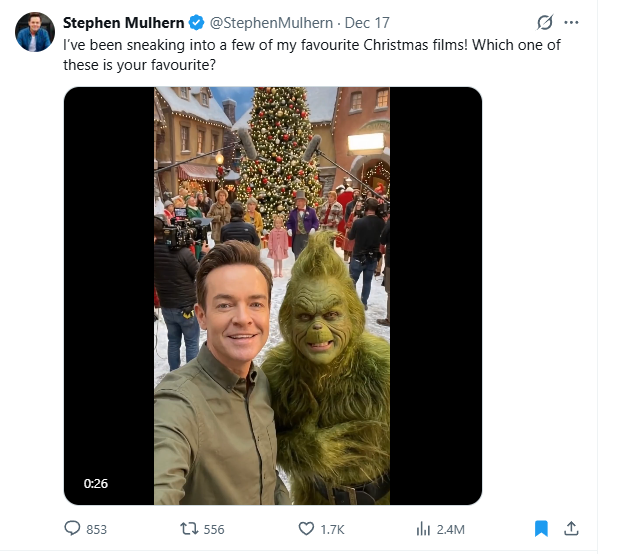
He used AI to put himself into all of the most popular Christmas movies
Acknowledgements: I find a lot of these links myself, but I also get some from other places that I rely on as "serendipity engines," such as The Morning News from Rosecrans Baldwin and Andrew Womack, Jodi Ettenberg's Curious About Everything, Dan Lewis's Now I Know, Robert Cottrell and Caroline Crampton's The Browser, Clive Thompson's Linkfest and Why Is This Interesting by Noah Brier and Colin Nagy. If you come across something you think should be included here, feel free to email me at mathew @ mathewingram dot com