The CIA lost a top-secret nuclear device at the top of the Himalayas


The mission demanded the utmost secrecy. A team of American climbers, handpicked by the C.I.A. for their mountaineering skills — and their willingness to keep their mouths shut — were fighting their way up one of the highest mountains in the Himalayas. Step by step, they trudged up the razor-toothed ridge, the wind slamming their faces, their crampons clinging precariously to the ice. One misplaced foot, one careless slip, and it was a 2,000-foot drop, straight down. Just below the peak, the Americans and their Indian comrades got everything ready: the antenna, the cables and, most crucially, the SNAP-19C, a portable generator designed in a top-secret lab and powered by radioactive fuel, similar to the ones used for deep sea and outer space exploration. It hasn’t been seen since. And that was 1965. (via the NYT)
A Swedish man survived for two months inside a snow-covered car

Peter Skyllberg, 44 years old at the time, became trapped in his car on December 19, 2011, near the city of Umeå . Temperatures outside dropped to around -30°C (-22°F) and heavy snow had almost totally encased the vehicle, seemingly preventing him from getting out. He was reportedly discovered on February 17, 2012 – 60 days after he went missing – when two people on snowmobiles passed the buried car, thinking it was abandoned. When they cleared the window and looked inside, they saw something moving. A local police officer said the man was in a sleeping bag and “could talk a little, but he was very bad.” He added that the man appeared to have survived by drinking handfuls of melted snow, but there was no evidence of any food. (via IFLScience)
North Korean zoo has a smoking chimp and a dog that uses an abacus
The Korea Central Zoo in Pyongyang offers visitors a unique blend of wildlife and ideology. Among its 5,000 animals across 650 species, you can find Azalea, a cigarette-smoking chimpanzee, basketball-playing monkeys, doves incorporated into a figure skating routine, and a dog trained to manipulate an abacus. There's also a parrot that can squawk "Long live the Great Leader, Comrade Kim Il Sung" in English. The zoo traces its lineage to 1959, when Ho Chi Minh gifted Kim Il Sung a "hero elephant." All elephants currently at the zoo are descended from that single diplomatic gift. The collection has grown through similar channels — over 400 animals came as gifts from foreign heads of state. A Swedish aquarium director named Jonas Wahlström donated so many creatures that they're now housed in their own Animal Museum, opened in 1985. (via Boing Boing)
Hi everyone! Mathew Ingram here. I am able to continue writing this newsletter in part because of your financial help and support, which you can do either through my Patreon or by upgrading your subscription to a monthly contribution. I enjoy gathering all of these links and sharing them with you, but it does take time, and your support makes it possible for me to do that. I also write a weekly newsletter of technology analysis called The Torment Nexus.
Scientists say hobbit-like humanoids died out due to climate change
The branches of the human family tree have grown a lot more convoluted over the past 20 years. But perhaps the most peculiar addition to our genus in the past two decades is Homo floresiensis—the diminutive “hobbits” of Indonesia. These mini hominins stood around 3 feet tall, wielded tiny stone tools, and hunted pygmy elephants on the island of Flores in Indonesia for over 100,000 years before going extinct. Like much of their lives, their disappearance around 50,000 years ago remains shrouded in mystery, but now new research is offering some clues. After analyzing stalagmites in Liang Bua, the cave where the hobbits were first discovered, an international team of scientists determined the area suffered severe drought conditions beginning 61,000 years ago and lasting for thousands of years. (via Nautilus)
Alaskan wolves started eating seals but the result was mercury poisoning
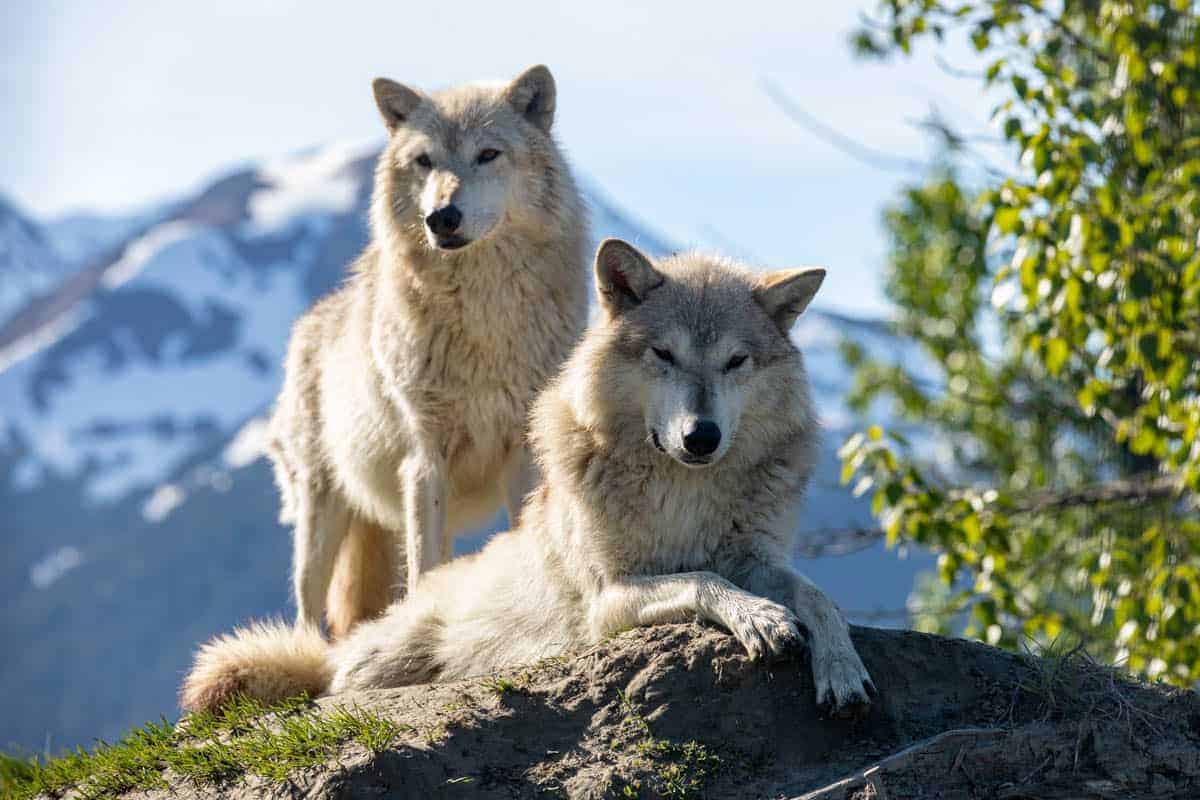
In the summer of 2013, two Alexander Archipelago wolves, a subspecies of gray wolf, swam across a narrow channel to reach Pleasant Island, a 50 square kilometer rock jutting out of the Gulf of Alaska. Within a few years, the wolves blossomed to a family of 13, and the deer, in turn, were entirely wiped out. As the deer declined, Gretchen Roffler wondered about the wolves’ fate. Would they abandon the island or would they stay and starve to death? As it turned out, they did neither. Instead, they started eating sea otters. In a rapidly changing world, predators adapting to new kinds of prey is, in many ways, a sign of adaptability and resilience. But unfortunately for Pleasant Island’s wolf population, something dangerous was lurking in their new otter-heavy diet. (via Biographic)

Acknowledgements: I find a lot of these links myself, but I also get some from other places that I rely on as "serendipity engines," such as The Morning News from Rosecrans Baldwin and Andrew Womack, Jodi Ettenberg's Curious About Everything, Dan Lewis's Now I Know, Robert Cottrell and Caroline Crampton's The Browser, Clive Thompson's Linkfest and Why Is This Interesting by Noah Brier and Colin Nagy. If you come across something you think should be included here, feel free to email me at mathew @ mathewingram dot com