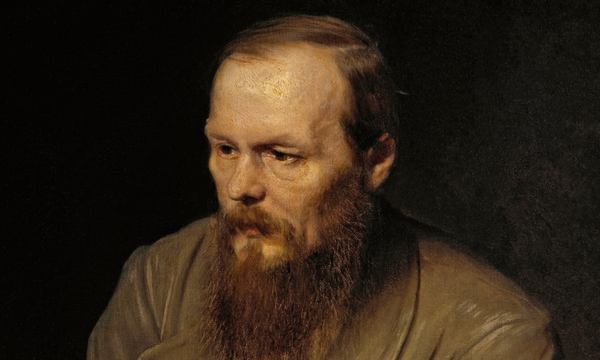
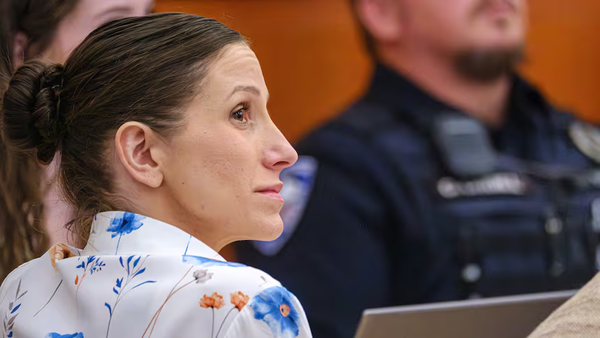
She froze to death. Is her boyfriend to blame for leaving?


A distant webcam captured the moments the couple’s hiking trip started to unravel.The pair, a boyfriend and girlfriend, were nearing the summit of Grossglockner, the tallest mountain in the Austrian Alps, when their lights appeared on its dark peak. Around midnight, the man said, his girlfriend was struck by sudden exhaustion and could not continue. He said the two made a contentious, if not uncommon, decision: He would leave her behind and continue alone to find help.Hours later, he was out of harm’s way, and the woman was dead. Rescuers found her frozen body later that morning not far from the summit, officials say.Now, nearly a year later, the authorities have accused the man of making a series of mistakes that led to his girlfriend’s death, charging him this month with gross negligent manslaughter. (via the NYT)
Paganini wasn't buried for 36 years because the Pope thought he made a deal with the devil
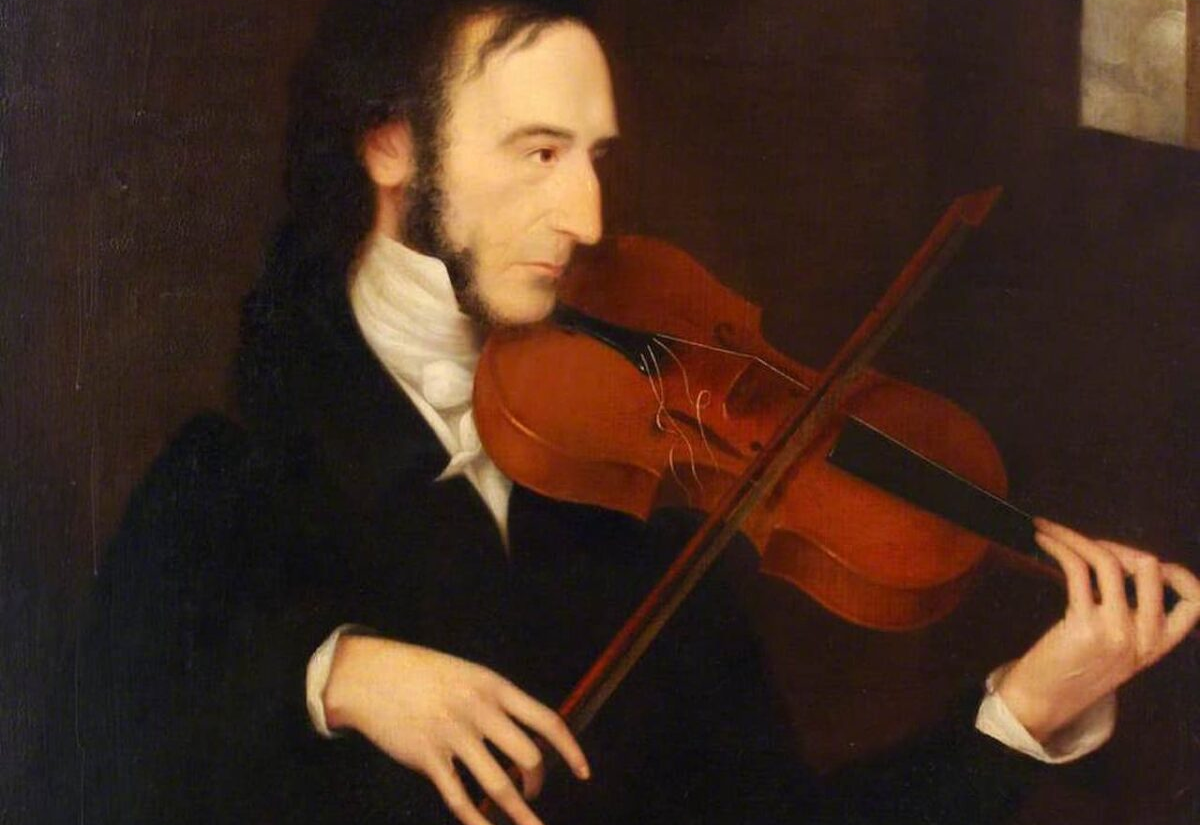
There is one musician who is regarded as the greatest violinist in History. One with an intense life, as befitted the Romantic period of his time; one who was sometimes compared to a serial killer and to a vampire; one who was said to be favored by having extraordinarily long fingers and by having made a pact with the devil to achieve his virtuosity: Niccolò Paganini. In May 1840, while at the home of the president of the Senate, he suffered an internal hemorrhage and died. He was fifty-seven years old. Death occurred so quickly that there was no time to call a priest, which, combined with his status as a Mason and the rumor of a diabolical pact, led the prelate to forbid his burial in the cemetery. His body was embalmed and kept in the basement of the same house in which he died. There it remained until 1853, when it could be buried in the Gaione cemetery (Parma). Finally, in 1876, the Pope authorized his burial. (via La Brujula Verde)
This legal case about cannibalism at sea continues to be taught at Harvard
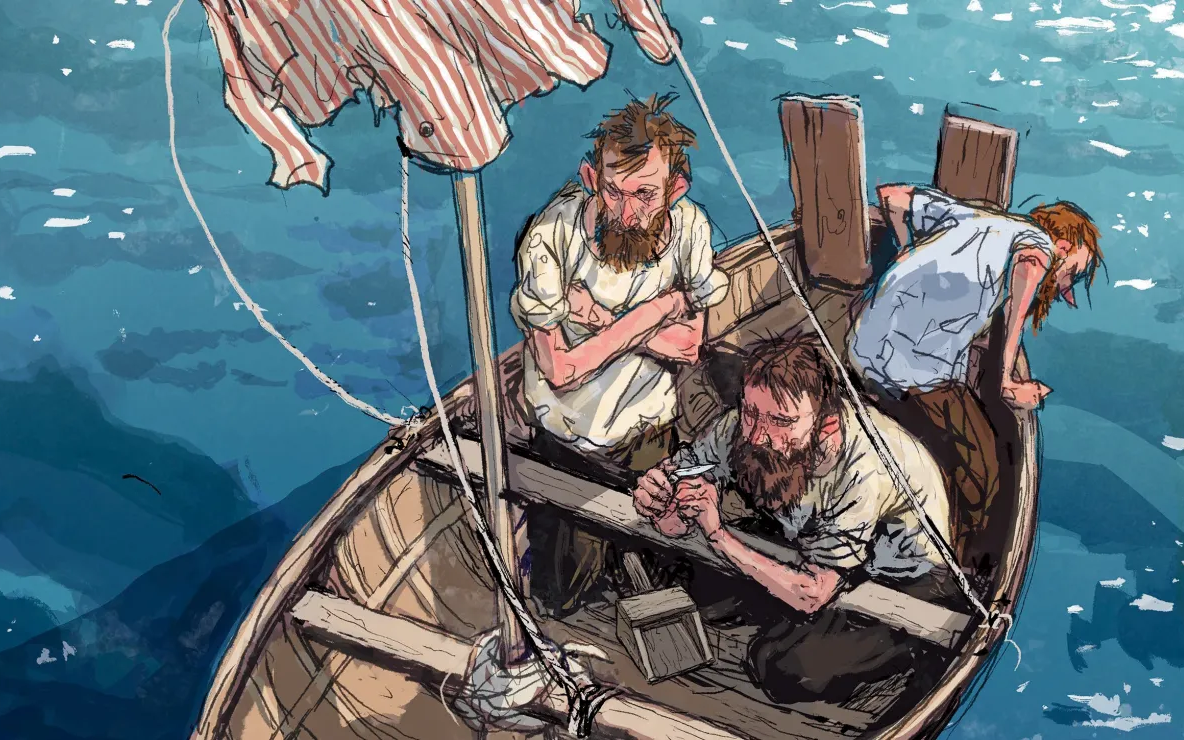
In the fall of my first year at Harvard Law School, my roommate and I threw a “come as your favorite case or legal doctrine” Halloween party. Among the partygoers was my roommate, Paul Engelmayer, who tied ketchup-covered raw chicken drumsticks around his neck. He had come as Thomas Dudley, an English captain who was put on trial for murder in 1884 because, after a shipwreck, he decided that the only way to survive was to kill and eat the cabin boy. Dudley and Stephens — one of the most famous cases in Anglo-American law — has long had a strong connection to the University. Many alumni will remember it from first-year criminal law, and Harvard College graduates might know it from “Justice,” one of the College’s most popular courses. The case has been dissected in the Harvard Law Review more than once, by some of America’s leading legal thinkers. Dudley and Stephens is, as I like to say, Harvard’s favorite cannibalism case. And it’s as relevant today as ever. (via Harvard Magazine)
Hi everyone! Mathew Ingram here. I am able to continue writing this newsletter in part because of your financial help and support, which you can do either through my Patreon or by upgrading your subscription to a monthly contribution. I enjoy gathering all of these links and sharing them with you, but it does take time, and your support makes it possible for me to do that. I also write a weekly newsletter of technology analysis called The Torment Nexus.
Scientist embedded genes from a firefly into cancer cells to make them easier to see
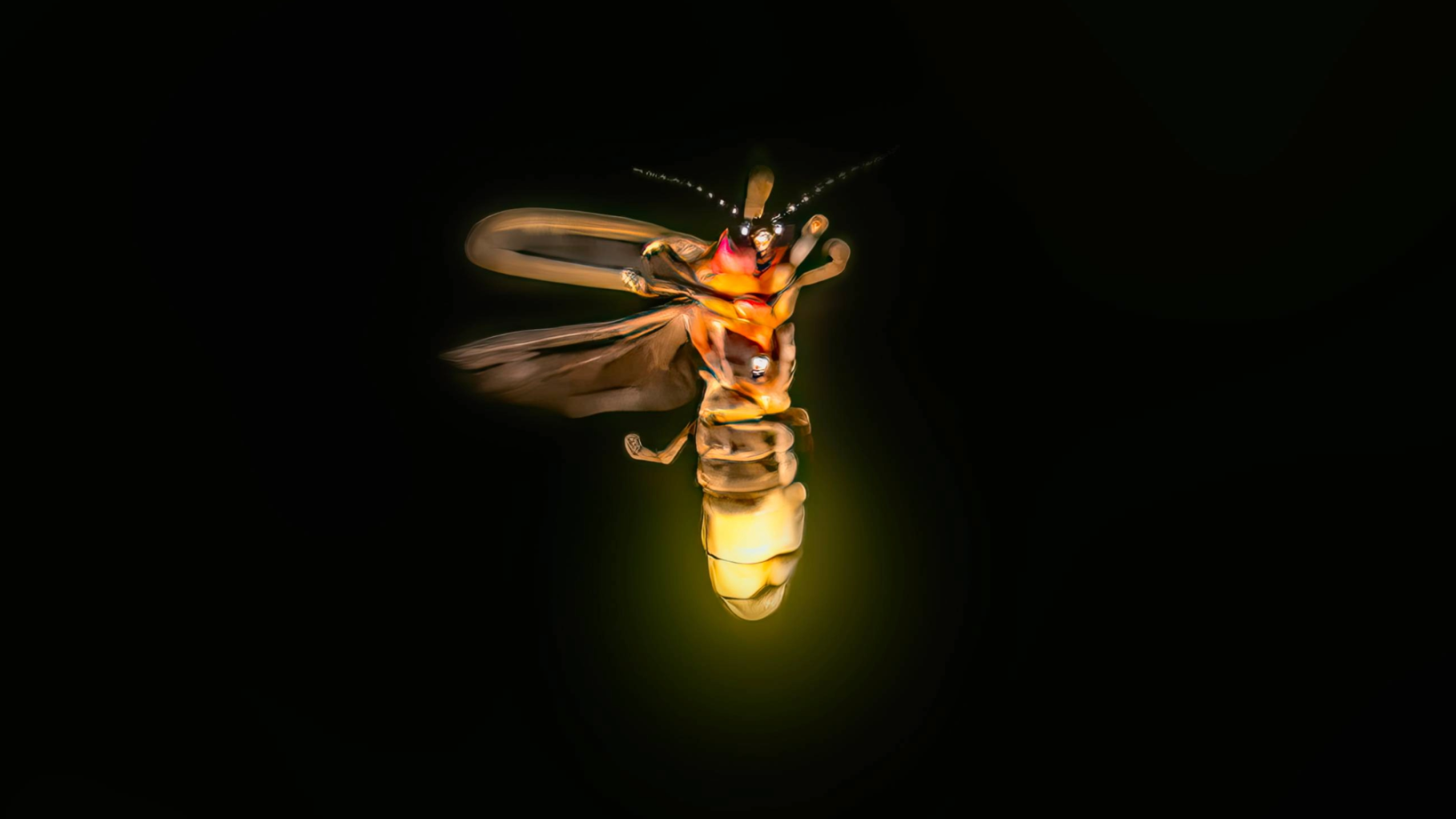
Diffuse midline glioma (DMG) is a cancer that is a death sentence for the vast majority of people who get it. DMG refers to cancerous tumors that grow on the thalamus, brainstem, or spinal cord. Surgery is out of the question, since these parts of the brain are dangerous to operate on, making it one of the most challenging cancers to treat. Primarily affecting children and young adults, DMG has an overall survival rate of only 1 percent. Patients are usually given nine to 12 months to live. One researcher began looking for a molecule that could trick tumors into self-destructing. In his research, he used the luciferase gene, the same gene that makes fireflies light up. The lab inserted the firefly gene into a TRAIL gene, which selectively triggers death in cancer cells. Whenever a cancer cell turned on the TRAIL gene, it also made luciferase, allowing scientists to detect the cells by their bioluminescent signal. (via Popular Science)
These two islands are only two miles apart but there's a 21-hour time difference between them
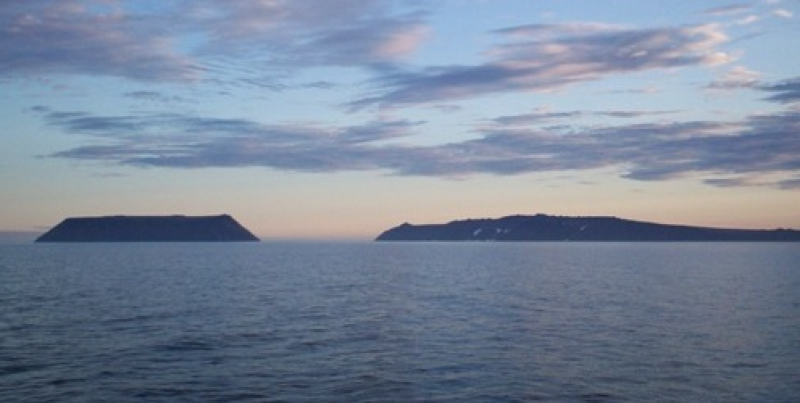
The Diomede Islands, also known in Russia as Gvozdev Islands, consist of two rocky, mesa-like islands. One is the Russian island of Big Diomede (part of Chukotka). The other is the U.S. island of Little Diomede (part of Alaska). The Diomede Islands are located in the middle of the Bering Strait between mainland Alaska and Siberia. At their closest points, the two islands are approximately 2.4 miles away from each other. Because they are separated by the International Date Line, Big Diomede is almost a day ahead of Little Diomede; due to locally defined time zones, Big Diomede is 21 hours ahead of Little Diomede (20 in summer). Because of this, the islands are sometimes called Tomorrow Island (Big Diomede) and Yesterday Island (Little Diomede). The islands are named for the Greek Saint Diomedes; Danish-born Russian navigator Vitus Bering sighted the Diomede Islands on 16 August 1728, the day on which the Russian Orthodox Church celebrates the memory of the saint. (via Wikipedia)
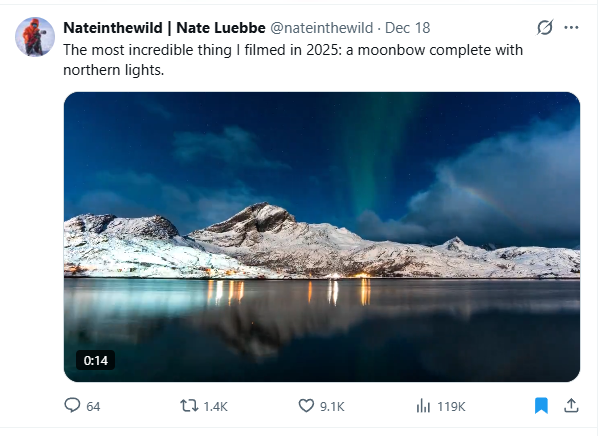
A rainbow in the moonlight followed by the Aurora Borealis
Acknowledgements: I find a lot of these links myself, but I also get some from other places that I rely on as "serendipity engines," such as The Morning News from Rosecrans Baldwin and Andrew Womack, Jodi Ettenberg's Curious About Everything, Dan Lewis's Now I Know, Robert Cottrell and Caroline Crampton's The Browser, Clive Thompson's Linkfest and Why Is This Interesting by Noah Brier and Colin Nagy. If you come across something you think should be included here, feel free to email me at mathew @ mathewingram dot com