She found out that her friend was actually her long-lost sister

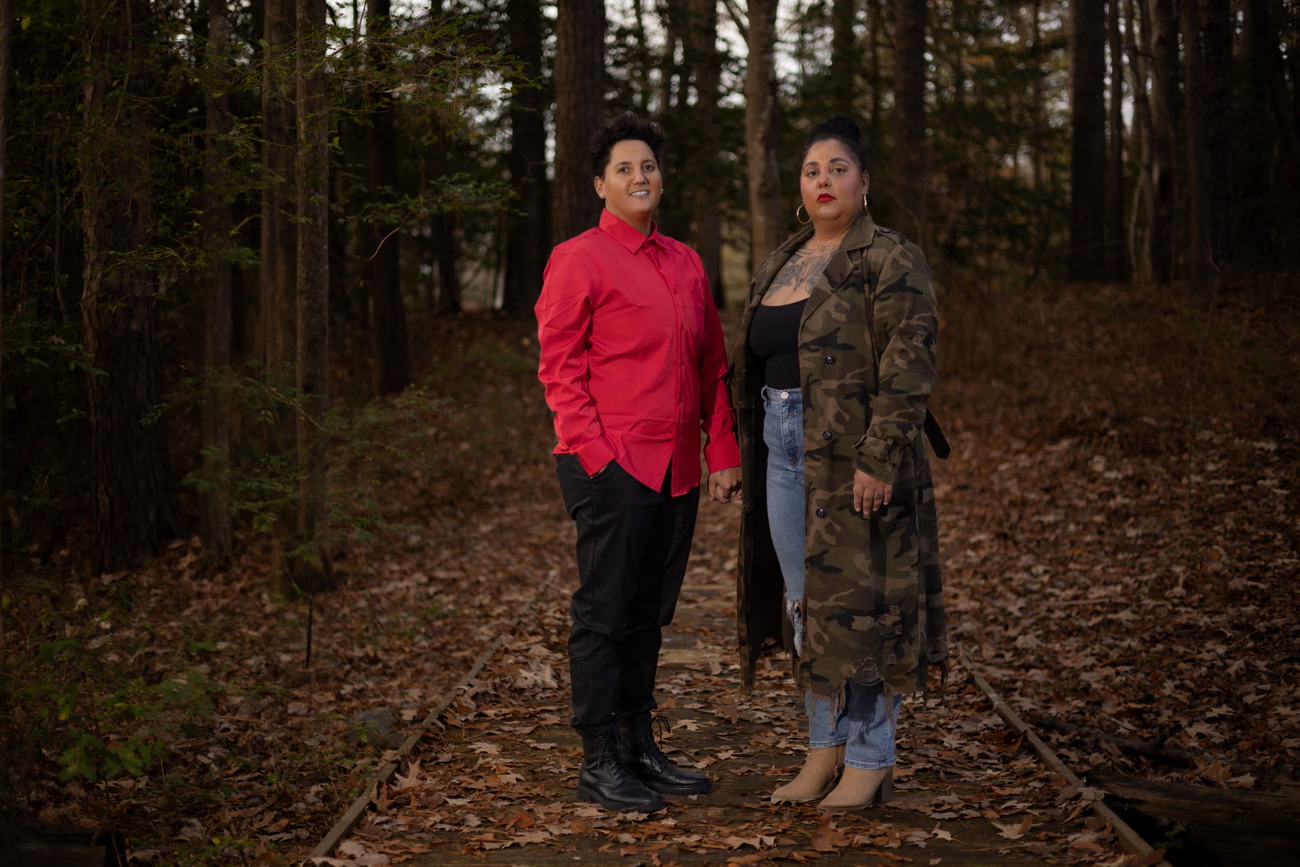
I grew up in a small town in Connecticut. I always knew I was adopted: my mum told me that, as well as her, I had my “tummy mummy”. I was adopted from the Dominican Republic. My mum there was called Julianna, and she and my dad gave me up for adoption because they were poor. Fast-forward to 2013, and I was 24 and working in a restaurant in New Haven. One day, one of my co‑ workers, Julia, noticed my Dominican Republic flag tattoo. She told me she was from there, too. I said I was adopted from there, and she said she was as well. Julia was 23 – we’re 17 months apart. We hit it off right away. People would always tell us we looked alike. We would joke and say: “That’s because we’re sisters.” We decided to compare our adoption paperwork, but our birth mother’s names were different, as was the place we were born. It was anticlimactic. After that, we let it go. We only worked together for about six months, but stayed in touch. In 2018, my mum got me a 23andMe kit for Christmas. (via The Guardian)
Three encrypted notes from the 1900s allegedly describe the location of hidden treasure
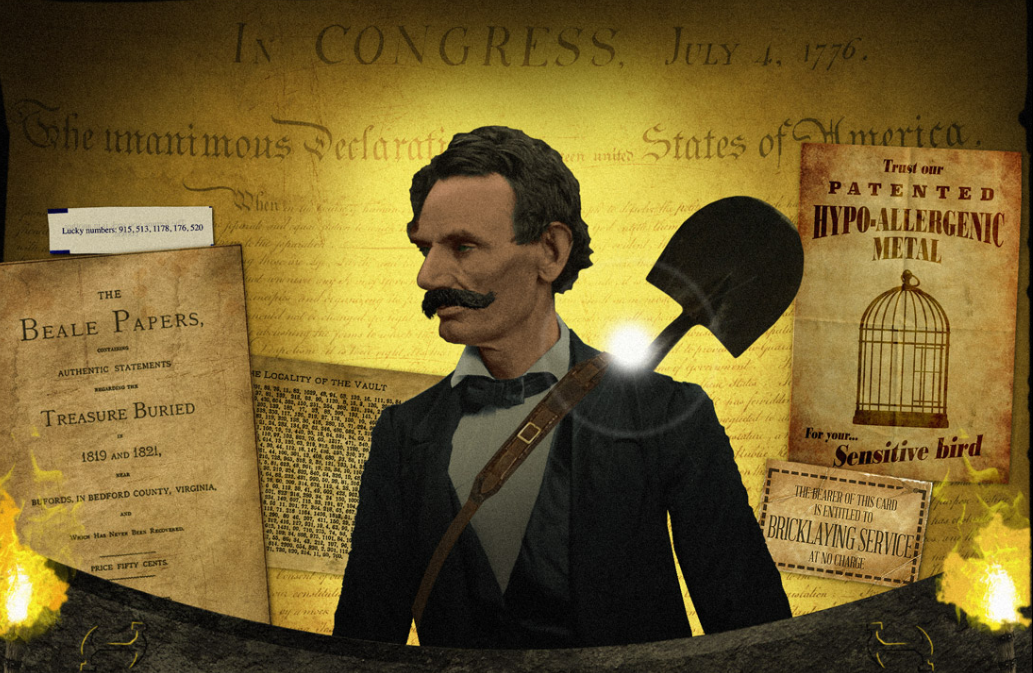
In 1885, an author named James B. Ward published a pamphlet telling of a long-lost treasure available to anyone clever enough to solve a puzzle. Ward reported that around 1817, a man named Thomas Jefferson Beale had been the leader of an expedition to the American Southwest primarily concerned with hunting buffalo and/or bears. Beale’s group had instead stumbled upon gold and silver deposits in what is now Colorado. Agreeing to keep it all a secret, Beale’s team had spent the better part of two years quietly mining, then had taken the metals to Virginia by wagon and buried them in a vault underground between 1819 and 1821. Beale had written three notes explaining where the treasure was and who had legal rights to shares in it, encrypting each of these using a different text. However, Beale had vanished after leaving the notes with a friend. Eventually, the second of the three texts was deciphered. It specified which county in Virginia the treasure was hidden in, and referred the reader to the first of the notes for details. But the first — and the third — notes remained stubbornly undeciphered. (via Damn Interesting)
The US Civil War both started and ended on the same man's farm
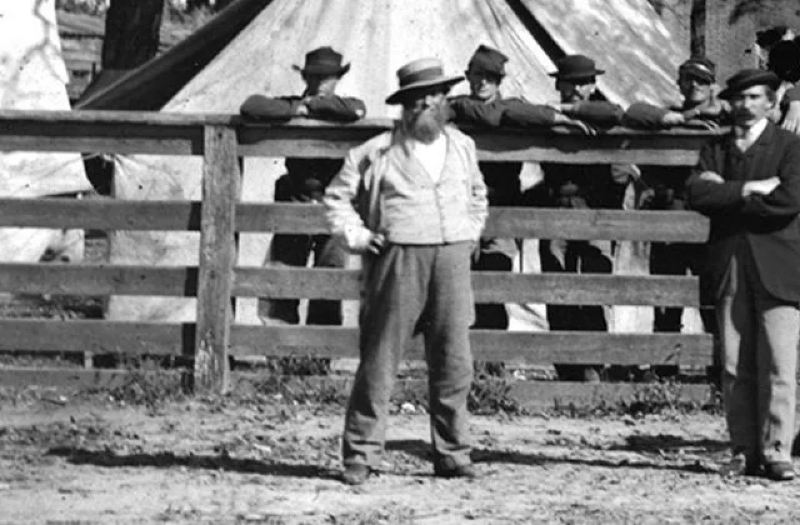
On July 18, 1861, Confederate General Beauregard had sat down for supper in the home of a Manassas local when a cannonball pierced through the house and landed in the kitchen fireplace. The house belonged to a man named Wilmer McLean, who had purchased the property in 1854. Beauregard had commandeered the property as his headquarters and, later, as a hospital for Confederate troops. But by the time the Second Battle of Bull Run had occurred on his doorstep and a pregnant wife, McLean had had enough and he decided to move south. In 1863, McLean settled on the property surrounding the Two Rein Tavern. For two years, his family lived in the relative quietude of southern Virginia until, on April 9, 1865, Charles Marshall — Gen. Robert E. Lee’s aide — approached him. Marshall asked McLean to show him a place that was suitable for Lee and another general to meet and McLean reluctantly offered up his own residence for the meeting. Marshall accepted. (via the National Archives)
Hi everyone! Mathew Ingram here. I am able to continue writing this newsletter in part because of your financial help and support, which you can do either through my Patreon or by upgrading your subscription to a monthly contribution. I enjoy gathering all of these links and sharing them with you, but it does take time, and your support makes it possible for me to do that. I also write a weekly newsletter of technology analysis called The Torment Nexus.
Judy Garland's stand-in for The Wizard of Oz is 106 and is the oldest surviving cast member
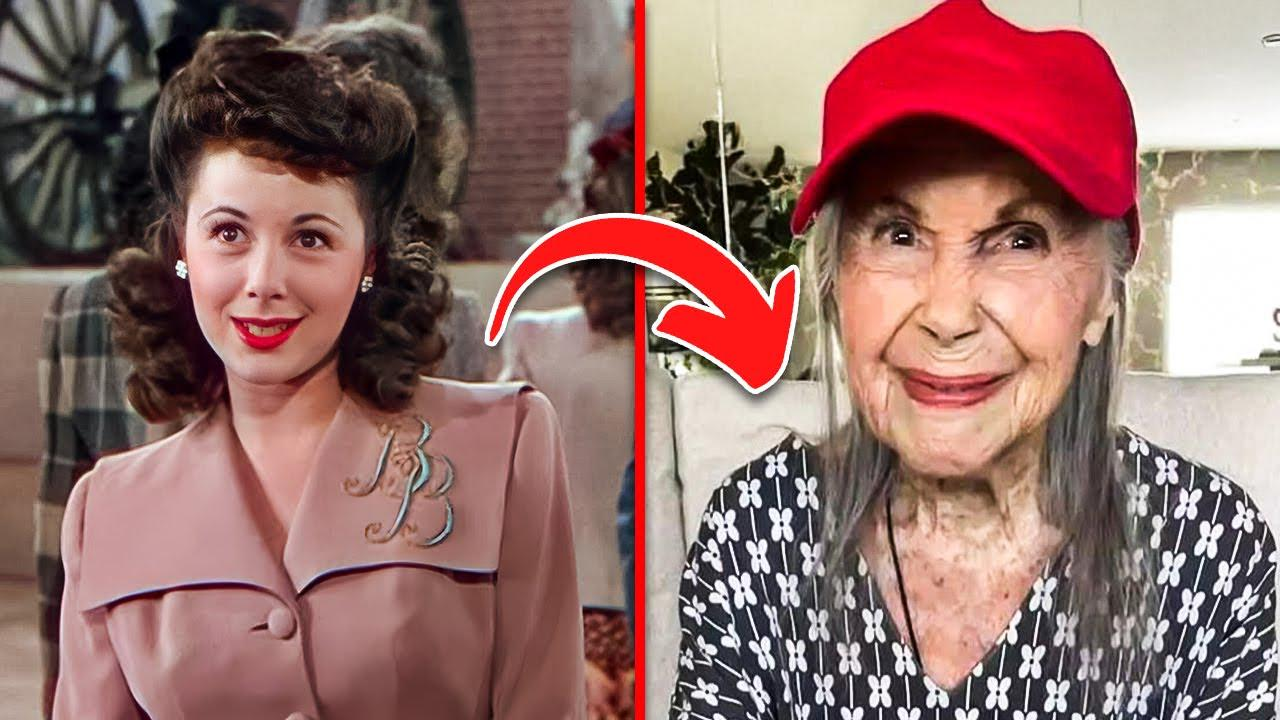
The Wizard of Oz first appeared on the silver screen in 1939 and went on to become the most influential film of all time. The beloved movie celebrates its 86th birthday this year, and while sadly the vast majority of the cast and crew are no longer around to raise a glass to the iconic film, Caren Marsh Doll is. Marsh Doll was Judy Garland’s stand-in and, at 105 years old, she’s one of the last surviving actresses from the Golden Age of Hollywood. Caren Marsh Doll (then known as Caren Marsh; Doll wasn’t added until her marriage to Bill Doll in 1950) got her start in Tinseltown as a dancer in the musical Rosalie (1937). She was cut during the audition, but she simply changed her clothes and tried again in the hope that the casting director wouldn’t recognize her. They didn’t, and she booked her first job. While dancing on another film, Caren was spotted by someone from MGM and hired to be Judy Garland’s stand-in for The Wizard of Oz. In her own words, she was the perfect pick: “with both of us at 4 feet, 11 inches tall, with dark hair and eyes, we could have been taken for twins.” (via Mental Floss)
She disappeared in Indonesia in 1976 and was presumed dead
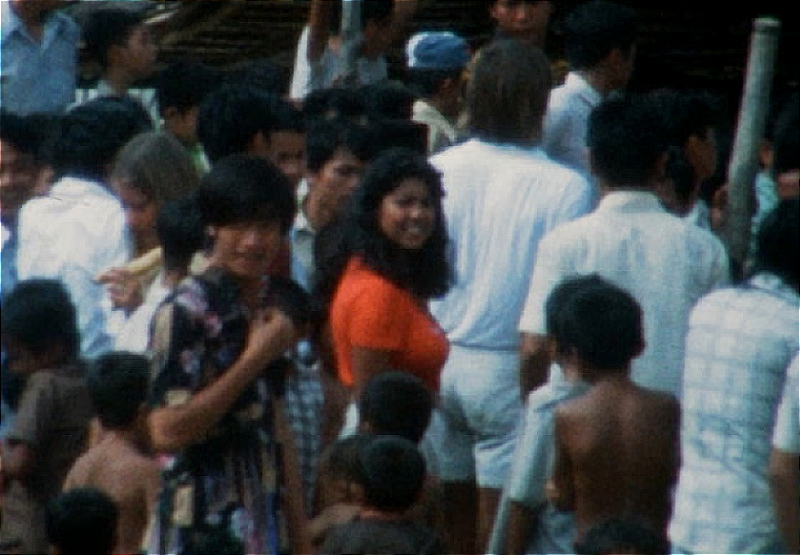
When Ingrid LeFebour woke up on a concrete slab, covered in a sheet in the morgue on the remote Indonesian island of Nias in 1976, she had no idea how she got there. Nor did anyone else know her fate – some believed she had died in bizarre circumstances. LeFebour’s disappearance features prominently in the film Point of Change, which chronicles the “discovery” of Nias by Australian surfers in the 1970s and the often dubious consequences for the local community. So when Point of Change had its first screening in Fremantle last month, there was one person no one expected to be among the audience – LeFebour herself. “It was a bit bizarre, actually, when I found out,” LeFebour says. “All of a sudden there’s people calling me; it was a bit overwhelming. After the screening, people came up to me and everybody wanted pictures with me, and they told me, ‘you’re a legend’, but that was all news to me.” (via The Guardian)
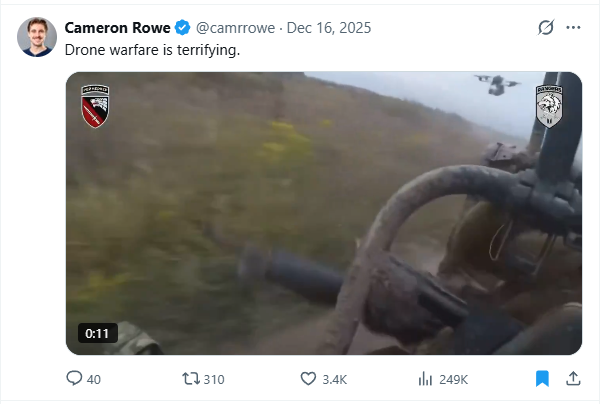
What drone warfare looks like up close
Acknowledgements: I find a lot of these links myself, but I also get some from other places that I rely on as "serendipity engines," such as The Morning News from Rosecrans Baldwin and Andrew Womack, Jodi Ettenberg's Curious About Everything, Dan Lewis's Now I Know, Robert Cottrell and Caroline Crampton's The Browser, Clive Thompson's Linkfest and Why Is This Interesting by Noah Brier and Colin Nagy. If you come across something you think should be included here, feel free to email me at mathew @ mathewingram dot com