Scientists are inventing mirror cells that could kill us all

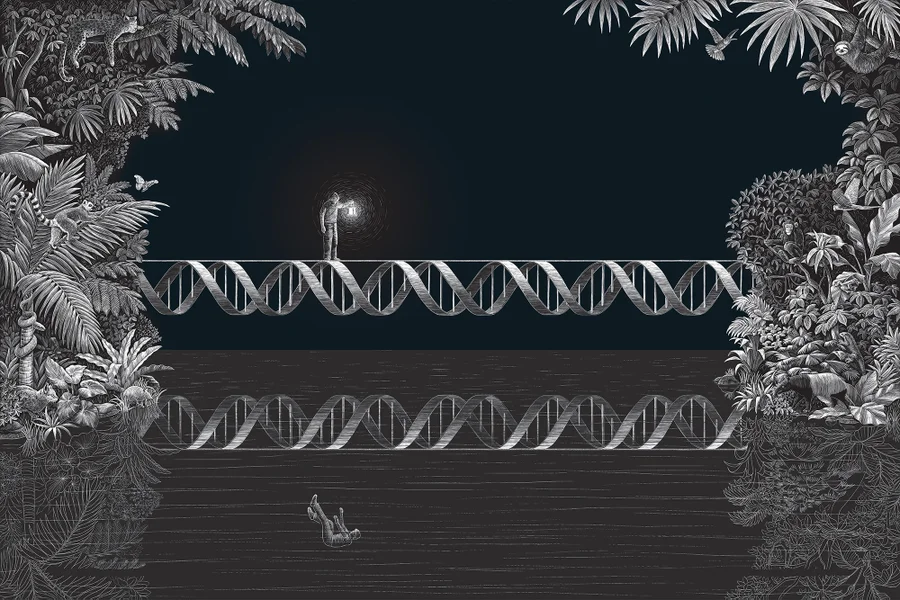
It’s 2036, and scientists are working on a new class of drugs. These medications are mirror-image versions of the molecules your body uses to fight disease. Their big advantage is that reverse compounds last longer because destructive enzymes don’t recognize them and rip them apart. The scientists experiment on a mirrored version of the common bacterium Escherichia coli. Unfortunately, a researcher with a small cut on her thumb from dry skin forgets to put on her gloves and touches a surface contaminated with just a few of these cells. Her immune cells, which usually kill off intruders, don’t recognize the mirror proteins on the novel bacteria. Three days later she dies. But while in her house, she had already spread the bacteria around. Her cat carries some into the garden, where they grow in the soil. Worms and insects become infected and transmit the mirror microbes throughout the neighborhood. Her children bring the bacteria to school. More and more people fall ill and begin to die. (via Scientific American)
Network of submerged stone structures rewrites early European prehistory
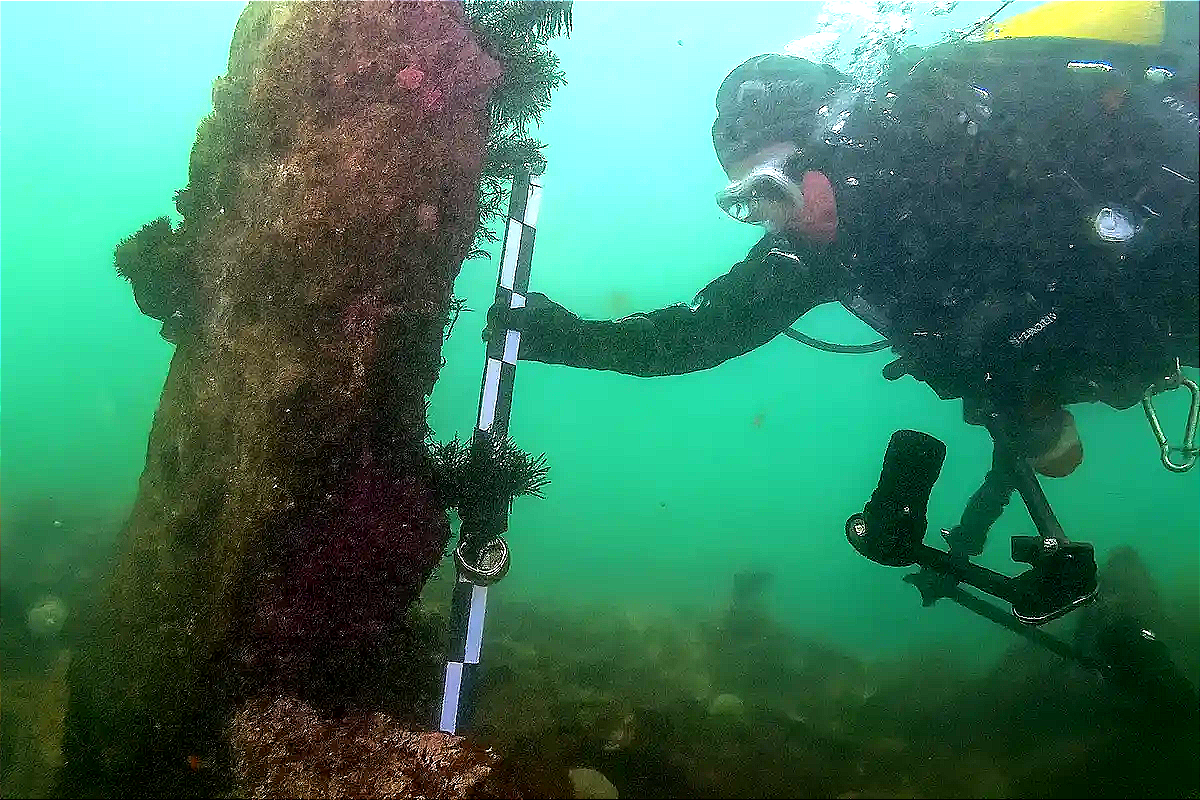
A new study, published in the International Journal of Nautical Archaeology, documents granite complex structures located at a depth of between seven and nine metres below today’s current sea level. Between 2022 and 2024, a LIDAR survey and numerous diving expeditions confirmed that the structures have a linear alignment and date from approximately 5800–5300 BC during the late Mesolithic period and Neolithic transition. In Brittany, local folklore has long spoken of a sunken city said to lie beneath the western reaches of the Bay of Douarnenez, just 10 kilometres east of Sein Island. The study authors suggest that the presence of human-made stone structures now raises questions about the potential prehistoric origin of the legend. “It is likely that the abandonment of a territory developed by a highly structured society has become deeply rooted in people’s memories.” (via Heritage Daily)
She invented the world's first at-home pregnancy test and got nothing in return
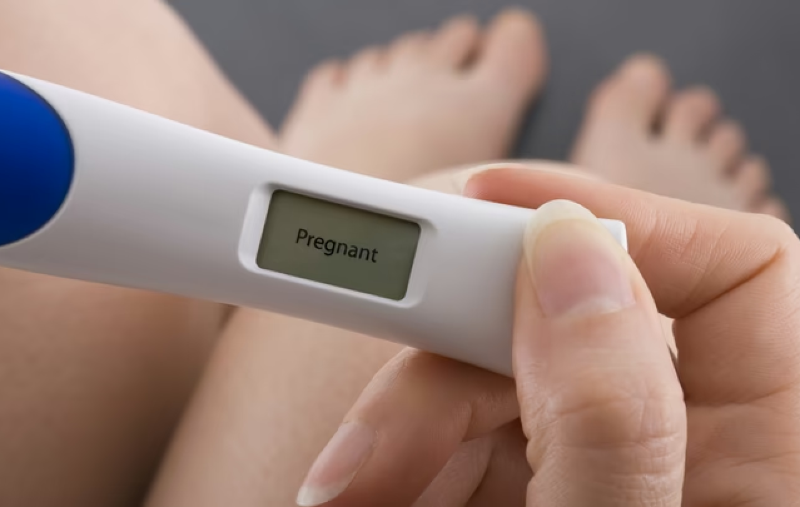
At age 26, Margaret Crane was hired by Organon in 1967 to work on a new cosmetic line for the company. One day as she was touring the laboratory of the company she noticed many test tubes. She asked and to her surprise they were pregnancy tests. Each individual test tube contained reagents that when mixed with a pregnant woman's urine would indicate pregnancy by displaying a red ring at the bottom of the test tube. Inspired by this, Crane saw the possibility of this as a home pregnancy test. Crane had no previous background in science; however, she saw that making the pregnancy test an at-home and private experience was important and necessary. This inspired her to create her first model for the test, similar to the tests she observed in her lab and it was sold across the nation in 1977. Although her name was on the patents, Organon licensed the product and Crane never received a penny for her design. (via Wikipedia)
Hi everyone! Mathew Ingram here. I am able to continue writing this newsletter in part because of your financial help and support, which you can do either through my Patreon or by upgrading your subscription to a monthly contribution. I enjoy gathering all of these links and sharing them with you, but it does take time, and your support makes it possible for me to do that. I also write a weekly newsletter of technology analysis called The Torment Nexus.
A Dutch man built his own personal planetarium into the ceiling of his house in the 1700s
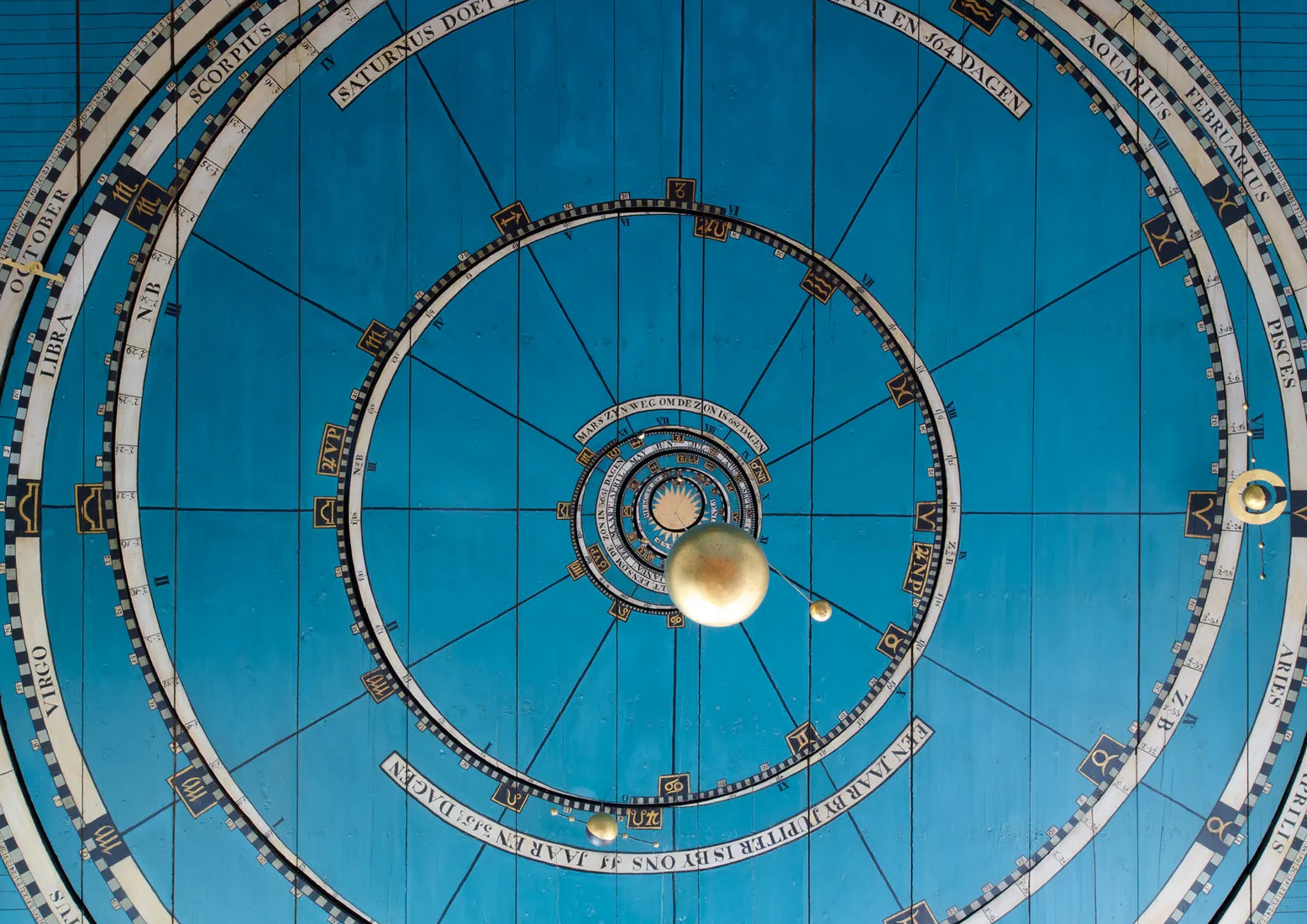
In 1774, Eise Eisinga, a Dutch wool carder, built a heliocentric planetarium in his house in Franeker, the last such orrery to display the sun at the centre of the universe. Nowadays, planetariums no longer follow this model and are based on a ‘decentralised’, expanding universe. Eisinga’s still works perfectly well, even so. Without needing to be adjusted daily, it accurately displays the year, month, day, time, signs of the zodiac, and so on. Eisinga was born in 1744 in a small village. During his leisure time, his father could be found building a boat one day, an organ the next, or delving into the world of astronomy. His son was a fixture by his side. He attended the local one-room school, where he excelled to such an extent that his father sent him to be tutored by Willem Wytzes, who had studied at the University of Franeker, René Descartes’s alma mater. It was he who convinced the young Eise to walk the seven kilometres into the city to learn all about Euclid, Newton, the stars and planets. (via World of Interiors)
Some people have two appendixes and they can get appendicitis in both of them at the same time
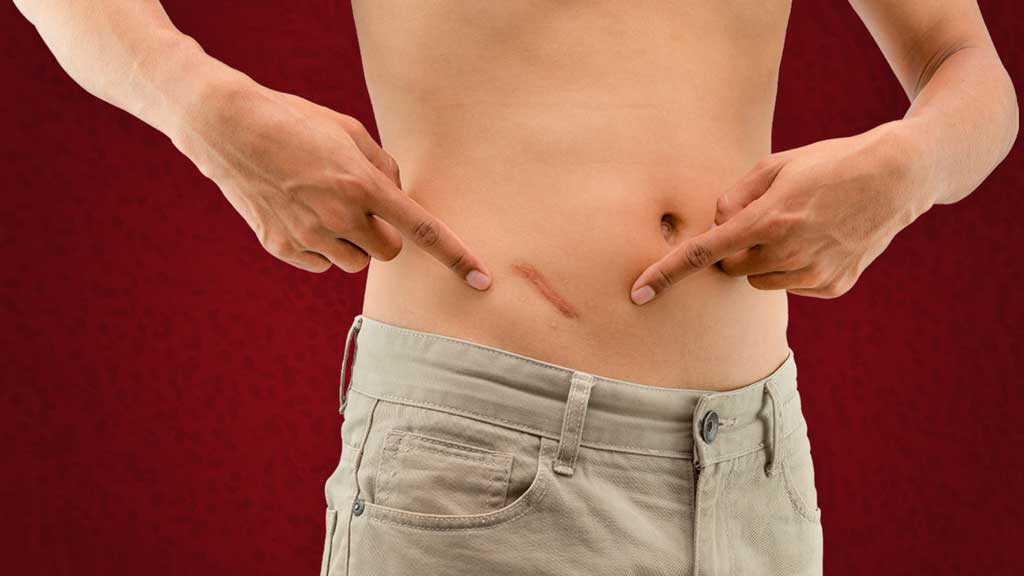
Anomalies of the appendix are rare, and one of the rarest is double appendixes. Most anomalies of the appendix are observed in adults and are discovered incidentally during surgery that does not primarily involve the appendix. There are many types of double appendixes, with some of the cases including duplication of other organs. It is usually missed unless a person undergoes a surgery that reveals it, often with life‐threatening consequences. A 30‐year‐old female patient having pain in the lower abdomen was admitted to the emergency department. The physical examination raised the suspicion of appendicitis since a positive McBurney's sign was found — right lower abdominal quadrant pain — and rebound tenderness. The first person to describe a case of double appendixes was Picoli in 1892. Its prevalence worldwide is 0.004% to 0.009% and it is found in 2 in 50,000 cases that have had surgery for appendicitis. (via PubMed)
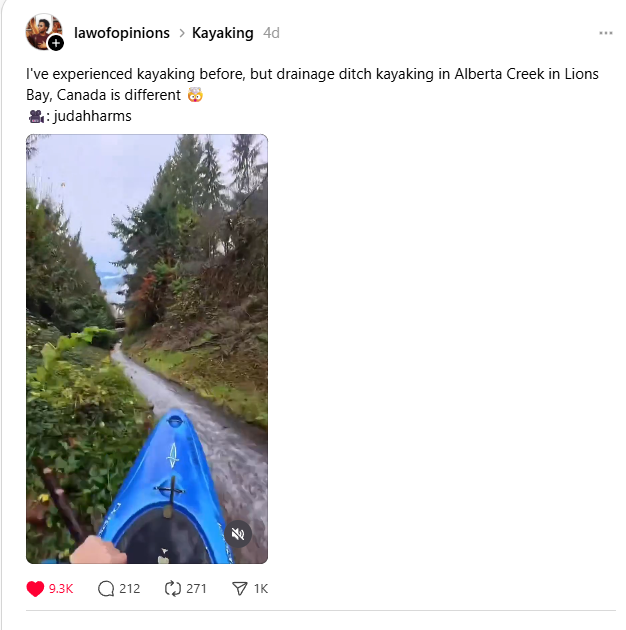
Kayaking down a drainage ditch in the spring is an extreme sport
Acknowledgements: I find a lot of these links myself, but I also get some from other places that I rely on as "serendipity engines," such as The Morning News from Rosecrans Baldwin and Andrew Womack, Jodi Ettenberg's Curious About Everything, Dan Lewis's Now I Know, Robert Cottrell and Caroline Crampton's The Browser, Clive Thompson's Linkfest and Why Is This Interesting by Noah Brier and Colin Nagy. If you come across something you think should be included here, feel free to email me at mathew @ mathewingram dot com