Police catch 12-year-old hitman after he shoots the wrong person


Dubbed the “Child Assassin” by Swedish media, the unnamed minor was reportedly paid 250,000 Swedish crowns ($27,000) to travel to the city of Malmö and kill a certain person, but ended up shooting a 21-year-old man who was hanging out with some friends. It is unclear who ordered the killing and why, but authorities have reasons to believe that this wasn’t the 12-year-old’s first hit job. Swedish newspaper Expressen reported that the young suspect was apprehended on Tuesday, December 16, following eyewitness reports of the shooting. The minor had run away from his grandmother’s house in another city, where he had lived since he was 7 years old, and is believed to have become involved with violent gangs. (via Oddity Central)
A doctor invented sugar cubes after his wife hurt her hand breaking sugar
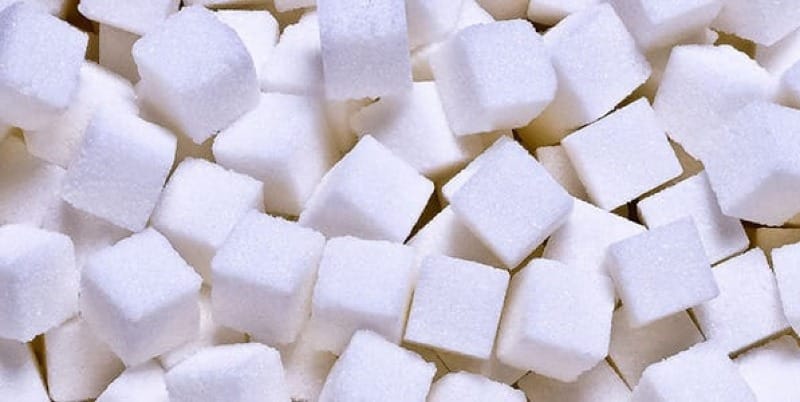
Jacob Christoph Rad invented sugar cubes in 1841. Until then, sugar could only be bought in the form of cones or cobs. These sugar cones were up to 1.50 metres high and hard as a rock. If you wanted to sweeten your coffee with them, you needed tools: a hammer, tongs and a sugar crusher. When Juliane Rad injured her hand (presumably for the umpteenth time) while breaking sugar, she demanded - so the story goes - that her husband finally do something to get sugar into a user-friendly form. Jacob Christoph Rad was just the man to do it, because he ran a sugar factory in the Moravian town of Datschitz. In his sugar factory, Rad experimented with a model resembling today's ice cube moulds into which he filled moistened sugar mass, pressed it and let it dry. (via the DPM)
Some near-death experiences involve people the victim didn't know were dead

Those who study near-death experiences are occasionally confronted with cases that resist straightforward interpretation. The broader phenomenon is well established: Millions of people worldwide have reported NDEs (1). What these experiences ultimately represent remains genuinely open. But within this already puzzling field, there exists a class of cases that complicates matters further. The literature calls them "Peak in Darien" experiences—a name borrowed from Keats's sonnet about the first European glimpse of the Pacific Ocean. The metaphor captures the element of surprise characteristic of these reports: During their NDE, the experiencer perceives someone they believed to be alive among the dead. (via Psychology Today)
Hi everyone! Mathew Ingram here. I am able to continue writing this newsletter in part because of your financial help and support, which you can do either through my Patreon or by upgrading your subscription to a monthly contribution. I enjoy gathering all of these links and sharing them with you, but it does take time, and your support makes it possible for me to do that. I also write a weekly newsletter of technology analysis called The Torment Nexus.
Fake movie snow was invented for the film It's A Wonderful Life
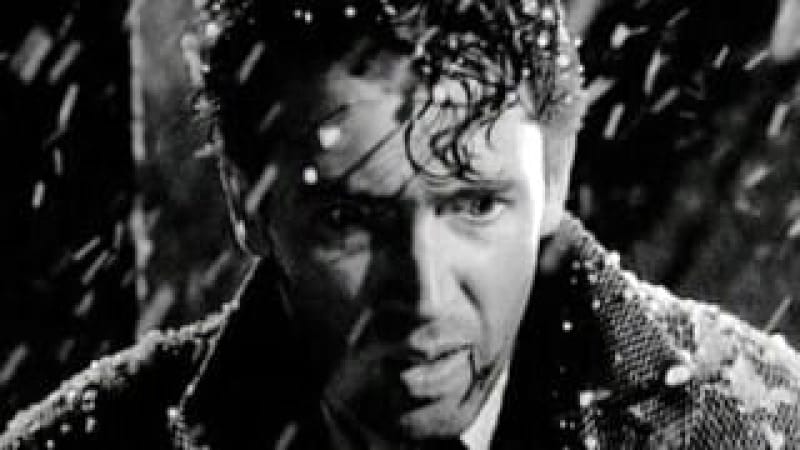
The holiday classic isn’t known for its special effects. But since It’s a Wonderful Life was shot in the sweltering heat of June and July of 1946, the filmmakers had to develop a new type of artificial snow. Frustrated with the noise made by the motion picture industry’s standard snow substitute – that is, cornflakes painted white, which crunched so loudly when stepped on that recording dialogue was impossible – Frank Capra, director of It's A Wonderful Life, teamed up with the head of special effects from the studio RKO Pictures to create a chemical simulation of snow. It was made of sugar, water, soap flakes, and foamite, also known as the stuff in fire extinguishers. (via Cracked)
Andrew Jackson's farewell party involved 1,400 pounds of cheddar
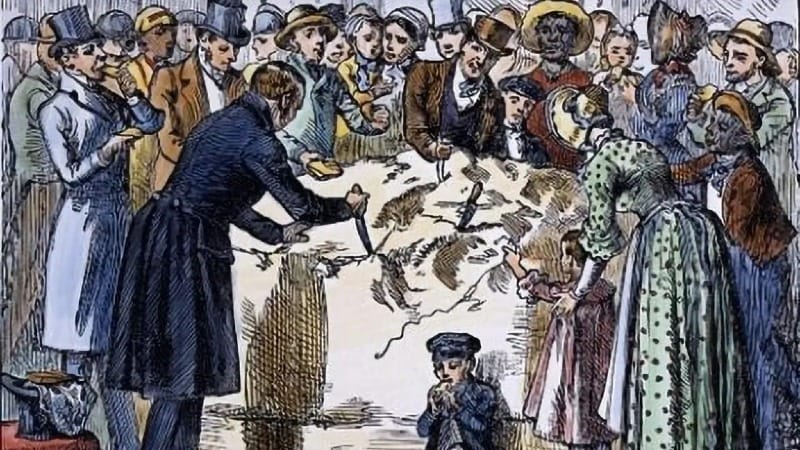
It’s February 1837, and the White House is about to bear witness to one of the greatest feeding frenzies in this nation’s proud history of competitive consumption. As night falls, the citizens of Washington, D.C., are going to make a 1,400-pound cheese disappear in a matter of minutes. And they’re going to do it at the behest of incumbent President Andrew Jackson. Curiously, the cheese devoured that night was not the first colossal cheddar to grace the White House during the 19th century. In fact, competitive caseiculture unites two presidents who had very little in common otherwise: Thomas Jefferson and Andrew Jackson. (via Popular Science)
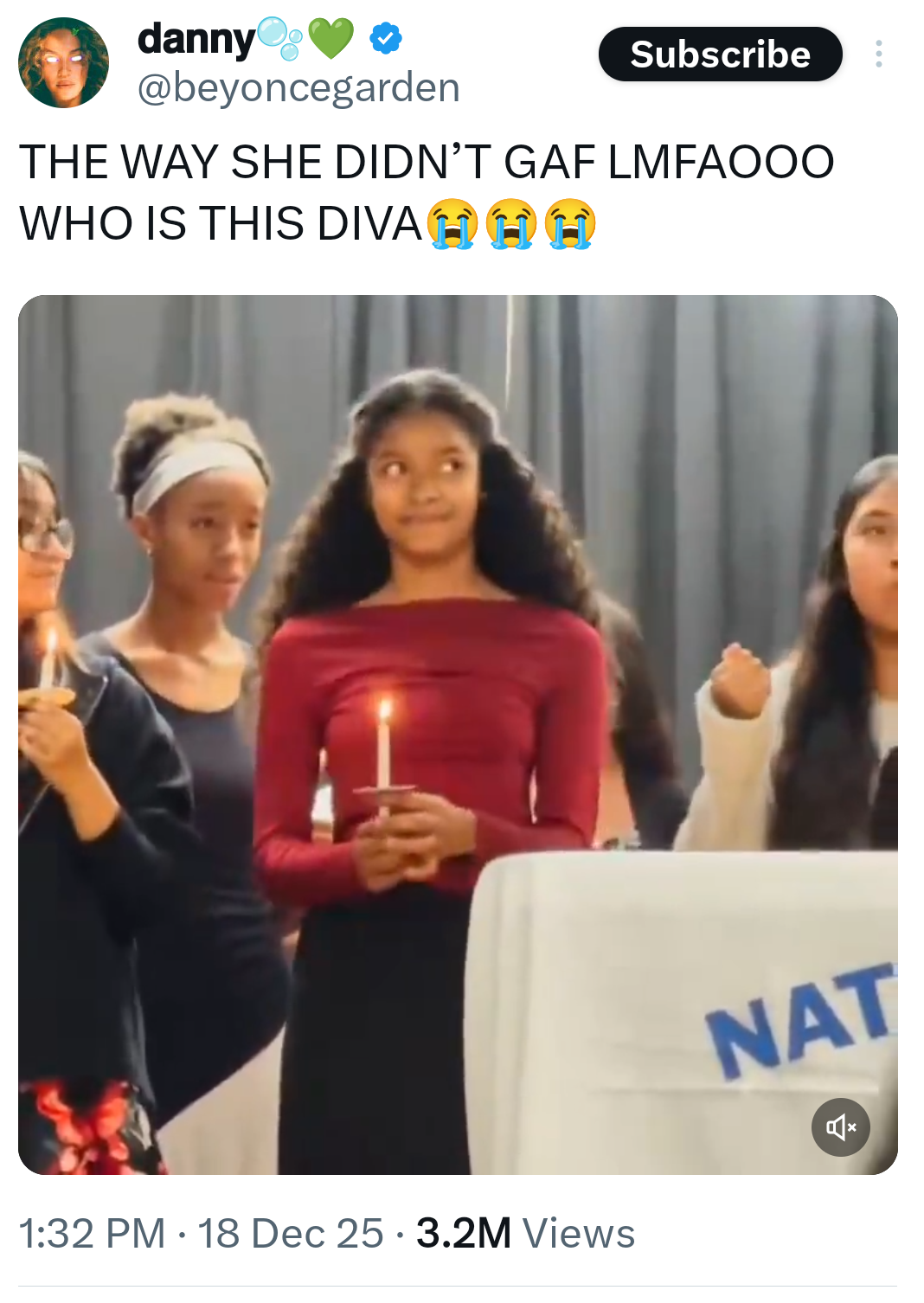
Her hair catches on fire while she's on stage but it doesn't faze her
Acknowledgements: I find a lot of these links myself, but I also get some from other places that I rely on as "serendipity engines," such as The Morning News from Rosecrans Baldwin and Andrew Womack, Jodi Ettenberg's Curious About Everything, Dan Lewis's Now I Know, Robert Cottrell and Caroline Crampton's The Browser, Clive Thompson's Linkfest and Why Is This Interesting by Noah Brier and Colin Nagy. If you come across something you think should be included here, feel free to email me at mathew @ mathewingram dot com