People who have Alzheimer's almost never get cancer

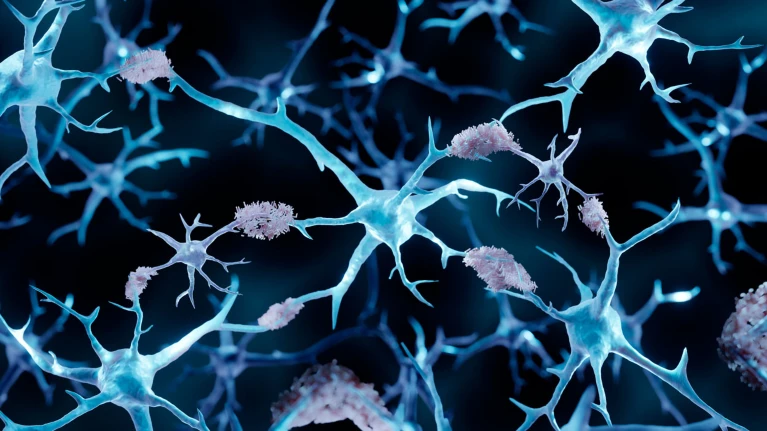
For decades, researchers have noted that cancer and Alzheimer’s disease are rarely found in the same person, fuelling speculation that one condition might offer some degree of protection from the other. Now, a study in mice provides a possible molecular solution to the medical mystery: a protein produced by cancer cells seems to infiltrate the brain, where it helps to break apart clumps of misfolded proteins that are often associated with Alzheimer’s disease. The study, which was 15 years in the making, was published on 22 January in Cell and could help researchers to design drugs to treat Alzheimer’s disease. Weaver has been interested in that puzzle ever since he began his medical training, when a senior pathologist made an offhand comment: “If you see someone with Alzheimer’s disease, they’ve never had cancer." (via Nature)
A security guard stole $400,000 he was guarding and still hasn't been found

It sounds like the plot of a movie: A long-time employee of a cash handling firm snatched nearly $400,000 from three banks whose money he was tasked to protect, then quit his job and disappeared. This appears to be what happened on Kauaʻi on July 19, 2023, according to previously unreported documents from civil and criminal cases filed in the 5th Circuit Court. In September 2025, Kauaʻi prosecutors filed criminal theft charges against Kody Corbett, a former employee of global cash handling firm Loomis. Earlier that year, Loomis also filed a lawsuit against Corbett, which lays out how the alleged crime occurred, largely based on an affidavit from David Bailey, Loomis’s corporate risk manager. Following the incident, Loomis reimbursed the three banks for the lost funds, but the money has not been discovered. Corbett’s whereabouts are also a mystery. A warrant was issued for his arrest this September. (via Civil Beat)
Surgical gloves were invented to protect this nurse's skin but then they caught on
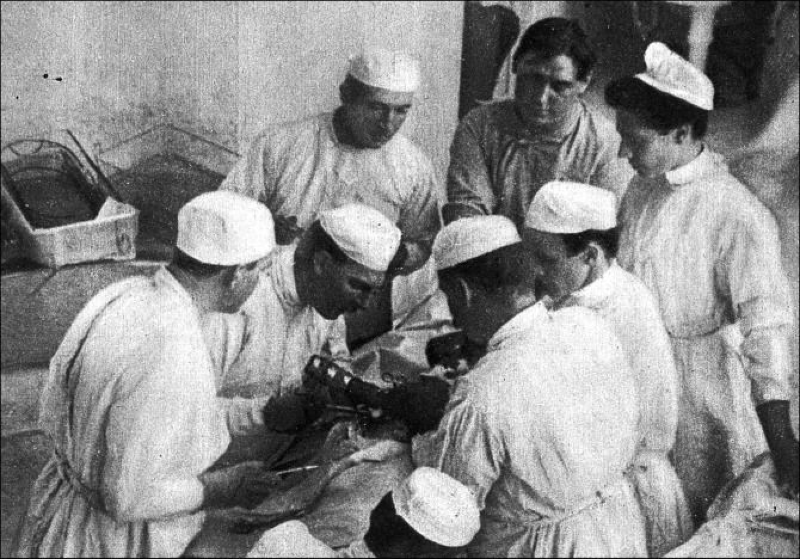
William Stewart Halsted was among the most influential surgeons of his era. At a time when many surgeons still treated cleanliness casually, he imposed an unusually strict regimen of hygiene. To reduce infection, he required everyone entering his operating theatre to scrub their hands meticulously: first with soap, then with a caustic solution of potassium permanganate. Even this was not enough. After the chemical scrubbing, hands had to be washed once more in a mercury-chloride solution. These chemicals proved brutal on Caroline’s sensitive skin, causing severe irritation and painful dermatitis. Faced with the prospect of losing his highly capable chief nurse, Halsted searched for a practical remedy. Halsted had plaster casts made of Caroline’s hands and commissioned the Goodyear Rubber Company of New York to produce two pairs of custom-fitted rubber gloves. (via Amusing Planet)
Hi everyone! Mathew Ingram here. I am able to continue writing this newsletter in part because of your financial help and support, which you can do either through my Patreon or by upgrading your subscription to a monthly contribution. I enjoy gathering all of these links and sharing them with you, but it does take time, and your support makes it possible for me to do that. I also write a weekly newsletter of technology analysis called The Torment Nexus.
An enslaved gardener helped transform the humble pecan into a cash crop
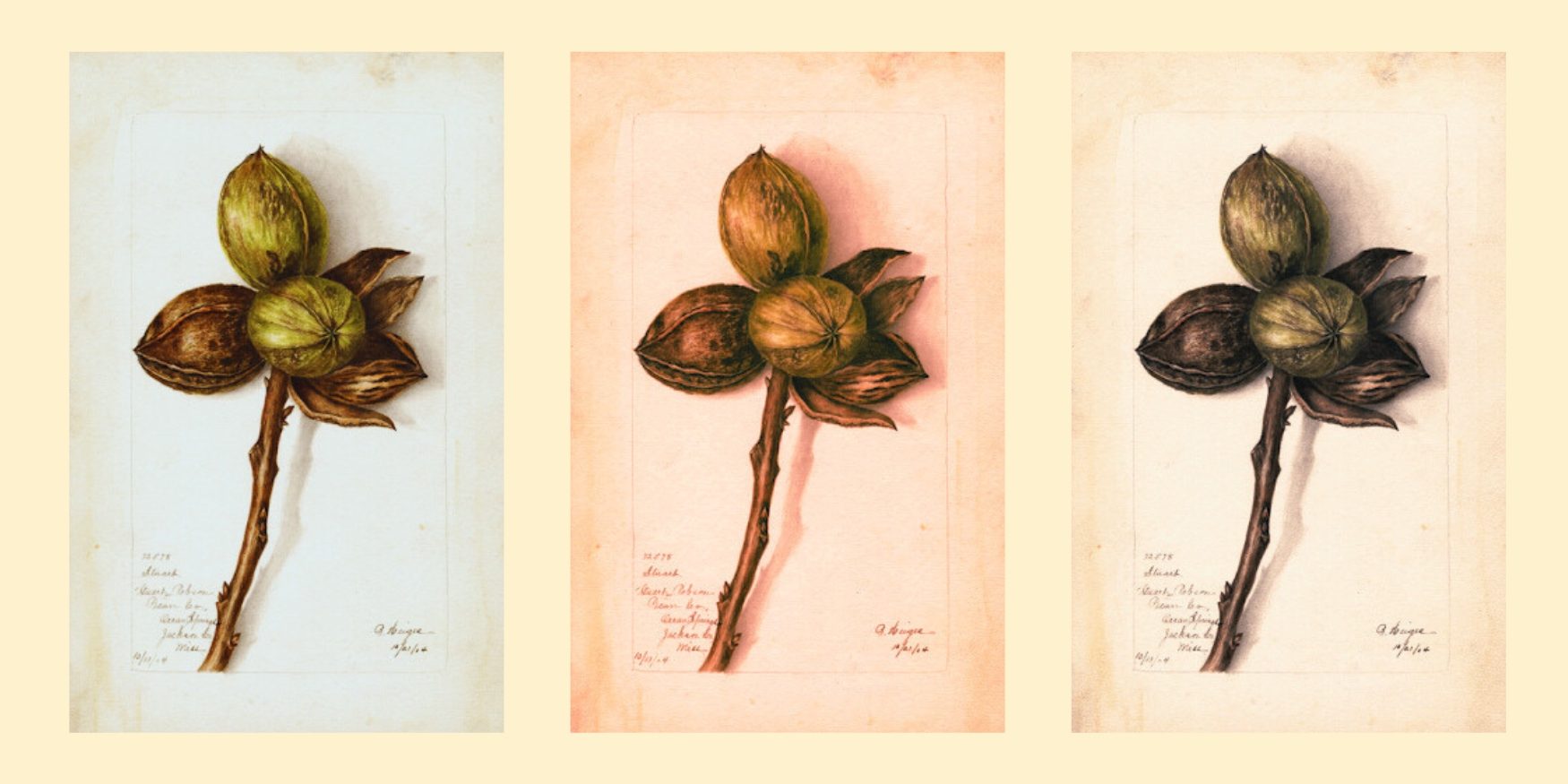
Pecan nuts were already a dietary staple for Native Americans in various parts of what is now the United States before an enslaved person in Louisiana named Antoine discovered how to reproduce them effectively and established the basis for a commercial pecan industry. The name of the nut is thought to be derived from the Algonquin word “pakani,” which translates to “a nut too hard to crack by hand.” It was Antoine’s plant grafting experiments with pecan trees during the nineteenth century that led to the development of a viable propagation method. This ability to increase propagation and growth was important, as these nuts were consumed by many Southerners in the areas where they grew and were indeed a prized nutrition source due to their fat content and ease of storage and transport. Earlier attempts to develop a commercial market for pecans based on growing trees from seeds had been unsuccessful. (via LitHub)
These giant fossilized structures are the remains of a form of life that no longer exists
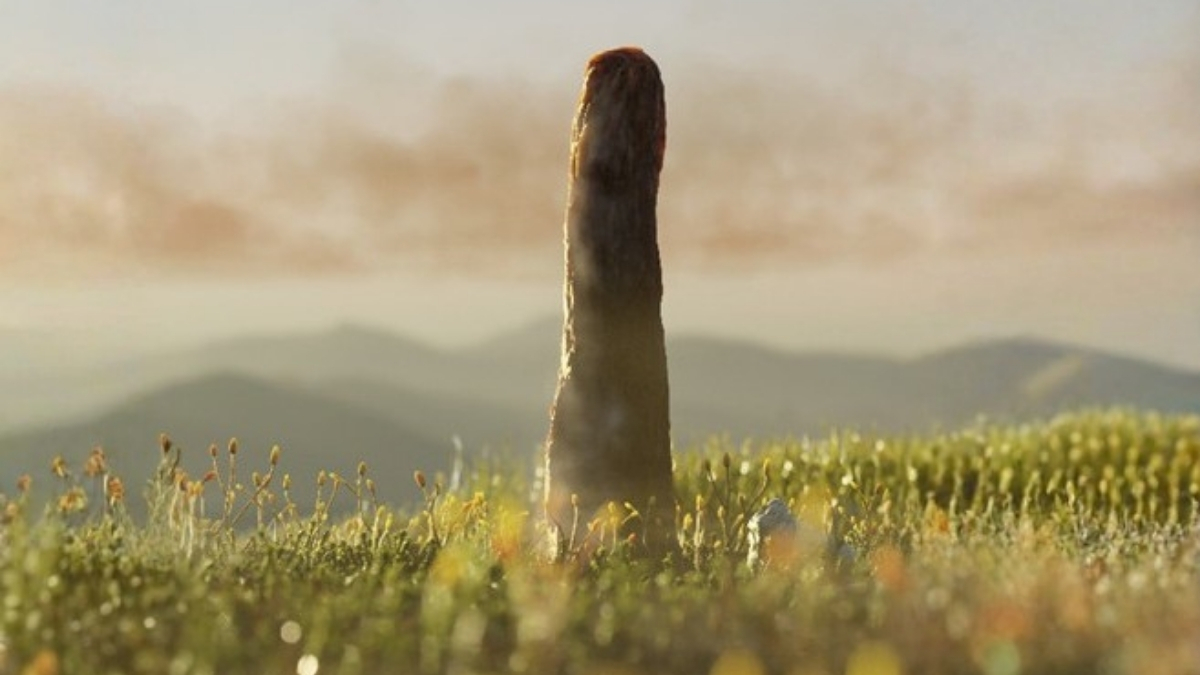
Ever since their discovery more than 165 years ago, massive fossilized structures left by an organism known as Prototaxites have proven impossible to categorize. Researchers in the UK have suggested in a recently published study that there's a very good reason these oddities don't fit neatly on the tree of life – they belong to a branch all of their own, with no modern equivalent. Some 400 million years ago, the swamps of the late Silurian period would have sprouted a mix of horsetails, ferns, and other prototype plants that look positively alien today. Among them stretched 8-meter (26-foot) tall towers that defy easy identification. Wide and branchless, these organisms may have been a form of algae or ancient conifer, researchers suspect, based on what little evidence remains. Fossils found on the shores of Gaspé Bay in Quebec, Canada, were initially considered by geologist John William Dawson to be the remains of rotting trees. (via Science Alert)
Snowboarding down the snowy sidewalk in downtown Montreal

Acknowledgements: I find a lot of these links myself, but I also get some from other places that I rely on as "serendipity engines," such as The Morning News from Rosecrans Baldwin and Andrew Womack, Jodi Ettenberg's Curious About Everything, Dan Lewis's Now I Know, Robert Cottrell and Caroline Crampton's The Browser, Clive Thompson's Linkfest and Why Is This Interesting by Noah Brier and Colin Nagy. If you come across something you think should be included here, feel free to email me at mathew @ mathewingram dot com