Only scientists and the military can visit this tiny Brazilian island

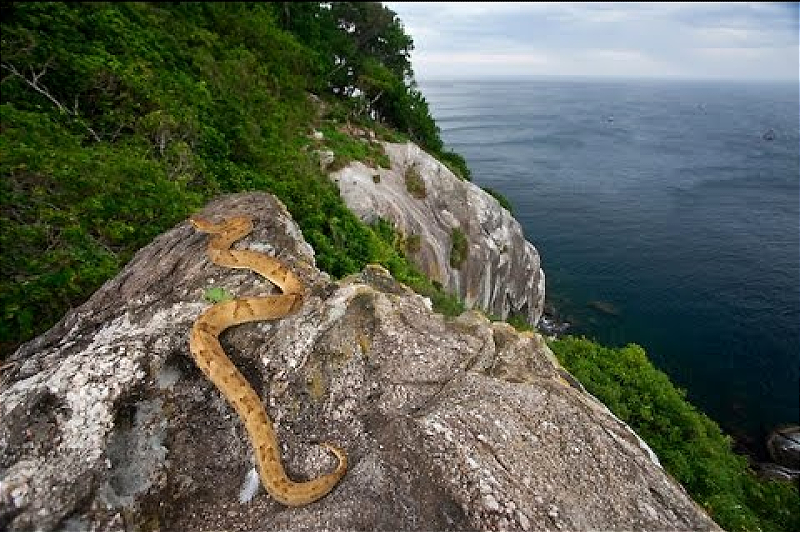
Ilha da Queimada Grande, to give it its Portuguese name, is a lump of rock sitting 33km off the Brazilian mainland. It has come to be known as Snake Island because of the thousands of venomous snakes that occupy its 43 hectares. The golden lancehead is a species of pit viper found nowhere else in the world. It has been evolving in isolation since rising sea levels cut it off from the mainland 11,000 years ago. At less than a metre in length, it is significantly smaller than its closest relatives, but has a reputation for being one of the most dangerous snakes on the planet. Stories abound about the potency of its venom, which is said to be fast-acting and lead to an agonising death. It is claimed there is one snake for every square metre of Ilha da Queimada Grande. Little surprise, perhaps, that only scientists and the military are permitted to visit. (via Discover Wildlife)
Can you survive inside a tornado? This scientist managed to do just that
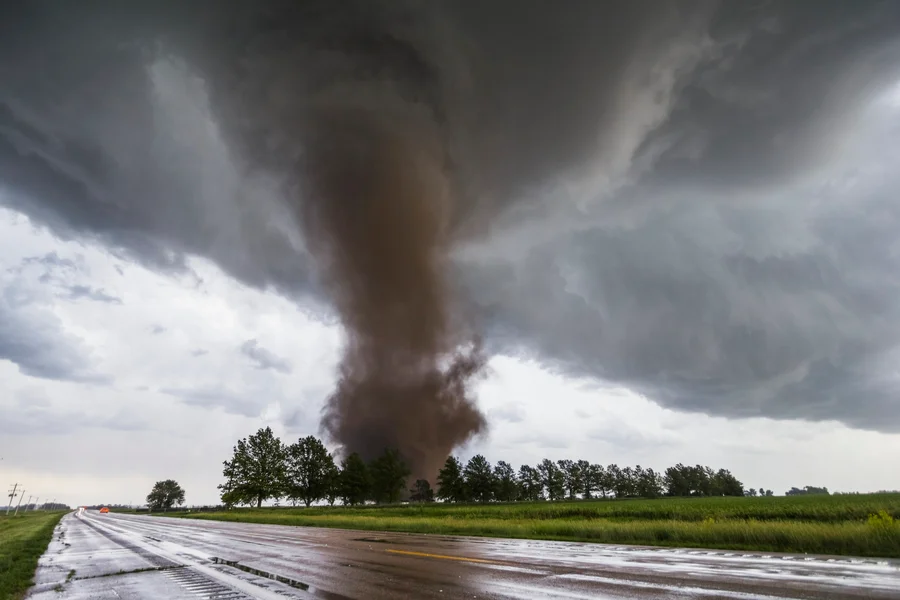
I have seen the center of a monster. Most people describe the sound of a tornado as like a freight train, but up close, it’s more like a thousand screaming jet engines. I am one of the few people on Earth who has driven into a tornado and lived to tell the tale.While it might sound like a scene from a Hollywood blockbuster involving a high-tech armored truck, my experience was much more dangerous and terrifying.I am an atmospheric scientist who studies tornadoes, but I am only alive today because of split-second decisions and a massive amount of dumb luck. It started in northwest Kansas, where I was studying supercell thunderstorms – the kind that produce tornadoes – with a team of students from the University of Michigan.We were positioned under a thunderstorm that was so dark, we had to turn on our vehicles’ headlights in the middle of the day. Suddenly, a tornado formed and began charging directly toward us.The students were in other vehicles and got away, but my car was quickly swallowed by a cloud of flying debris so thick that I couldn’t even see my own hood. (via Scientific American)
She invented the first modern natural gas furnace but we still know very little about her
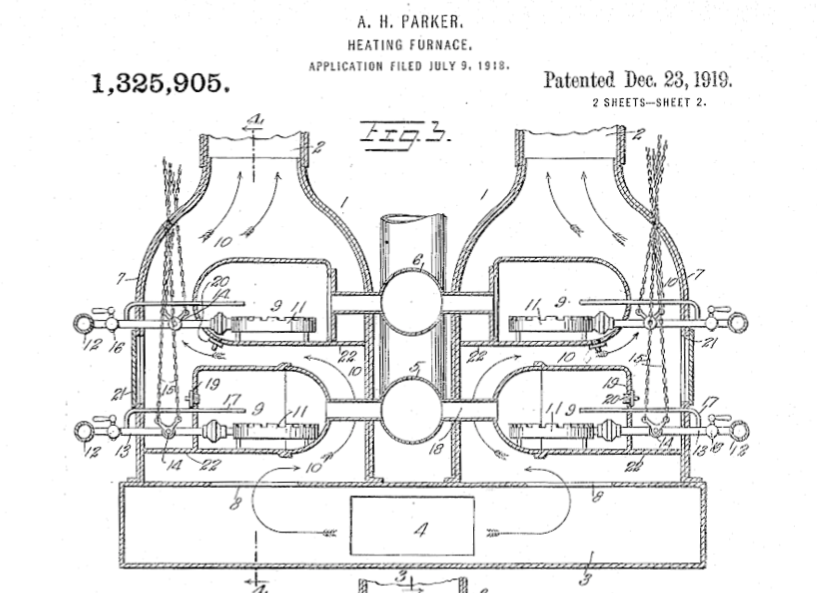
Alice H. Parker was a Black inventor in the early 20th-century, best known for patenting a central heating system that uses natural gas. Her invention played a key role in the development of the heating systems we have in our homes today. Little is known about Parker’s life or upbringing, most likely because women, especially women of color at the time, were not documented sufficiently. She was born in 1895 in Morristown, New Jersey, and later attended classes at Howard University in Washington, D.C. To receive a higher education as a Black woman at the time was an achievement in itself. Parker’s idea for a heating system came from being cold during New Jersey winters when fireplaces did not effectively heat an entire home. Most homeowners a hundred years ago were stocking up on wood or coal to heat their homes. Parker’s design was unique in that it used natural gas, which saved time from chopping wood, and increased safety measures without a fire burning all night. (via MIT)
Hi everyone! Mathew Ingram here. I am able to continue writing this newsletter in part because of your financial help and support, which you can do either through my Patreon or by upgrading your subscription to a monthly contribution. I enjoy gathering all of these links and sharing them with you, but it does take time, and your support makes it possible for me to do that. I also write a weekly newsletter of technology analysis called The Torment Nexus.
He went on a road trip with smugglers looking to purloin rare cactus plants
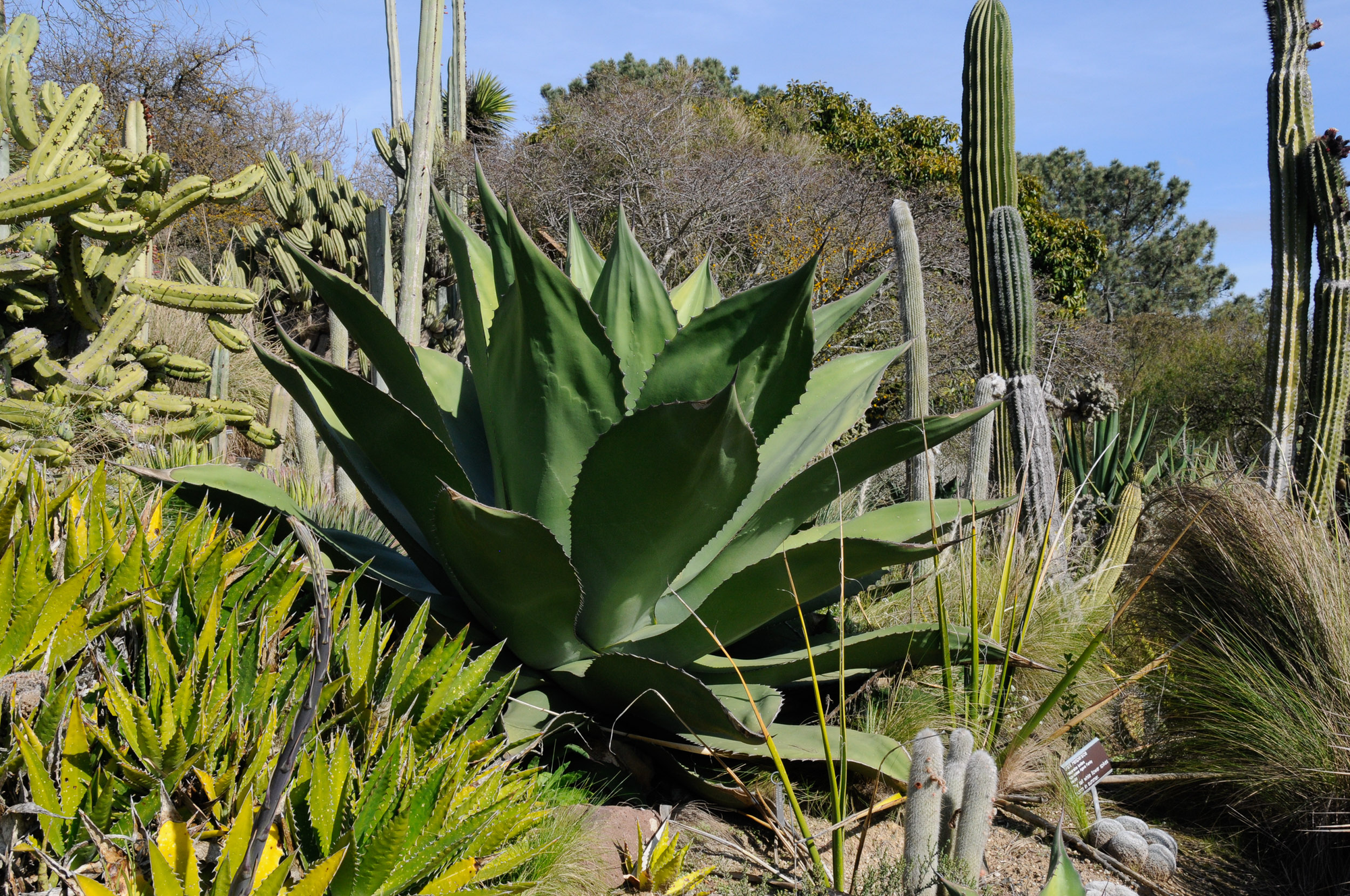
There are plants and then there are plants that make you sink to your knees and weep. Ran Fowler was on the hunt for the second kind — specifically a fine example of a rare succulent called Agave shawii. Fowler had first encountered the specimen in 2023 on a plant-hunting expedition to the Mexican desert. He was blown away by the beauty of its spines. Normally they are evenly spaced along the edge of the leaf, but on this plant they had fused, creating a ragged fringe that looked as if it had been dyed purple and pink. Fowler, who owns a succulent nursery in southern California, knew it was risky to take a cutting from the agave. Mexico restricts the export of many succulents and it is illegal to take plants into America without declaring them. But Fowler couldn’t help himself. The mother plant was surrounded by baby plants, known as offsets or pups. He wrested one from the ground and carried it back to his car. Two years later the cutting was thriving, but Fowler wanted more. In April 2025 he returned to Mexico, hoping to find the extraordinary agave once again. (via The Economist)
His tongue stuck to a metal pole in the winter so he studied the problem of "tundra tongue"
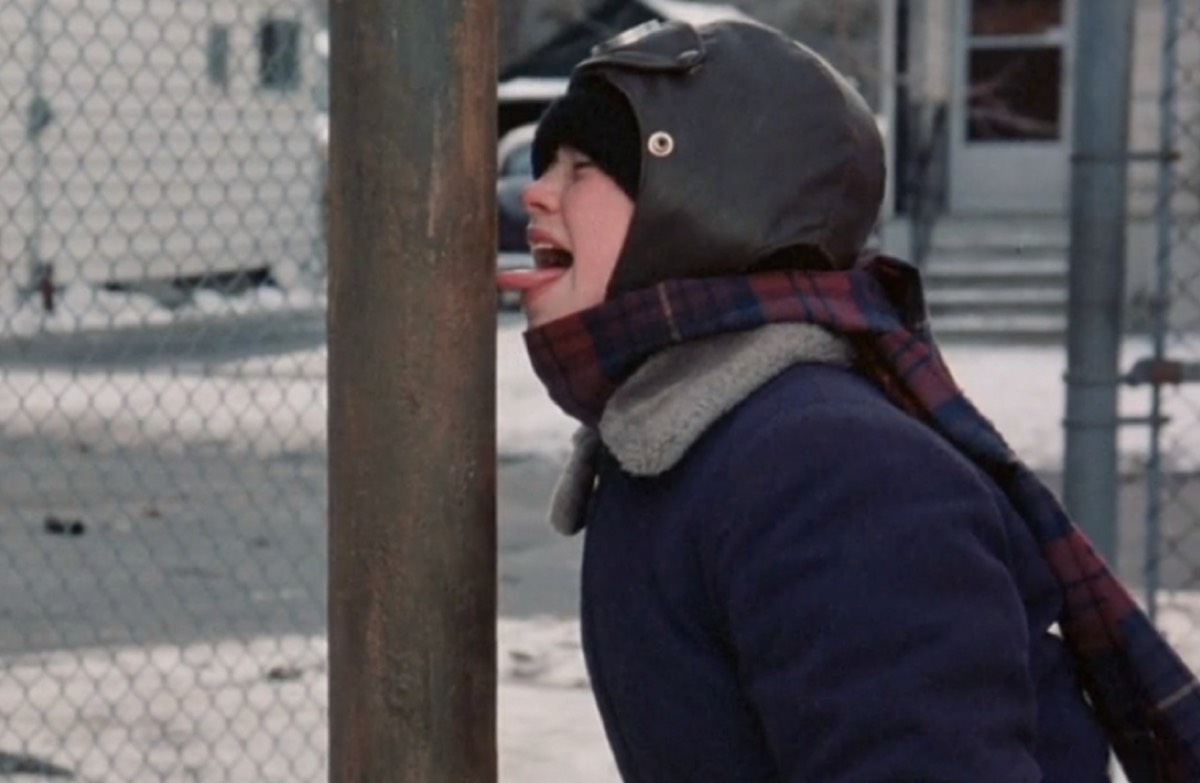
We all remember that infamous scene in the 1983 classic, A Christmas Story, where a boy licks a cold metal post on the playground and ends up getting his tongue stuck to the surface. It’s practically a childhood rite of passage. A 1996 case study coined the term “tundra tongue” to describe the phenomenon. But how dangerous is it, really? And what’s the best way to free one’s tongue with minimal damage? Anders Hagen Jarmund, a graduate student at the Norwegian University of Science and Technology (NTNU), experienced tundra tongue firsthand in his youth and had the same questions. So he decided to investigate the underlying science as part of his master’s thesis, recruiting several colleagues to the project. This turned into two separate papers: one published in the International Journal of Pediatric Otorhinolaryngology and the other in the journal Head & Face Medicine. Jarmund et al. identified 113 unique cases of tundra tongue in Norway, Sweden, and Denmark. The earliest case they found was in 1845, when a French schoolboy froze his tongue to a metal bridge. (via Ars Technica)
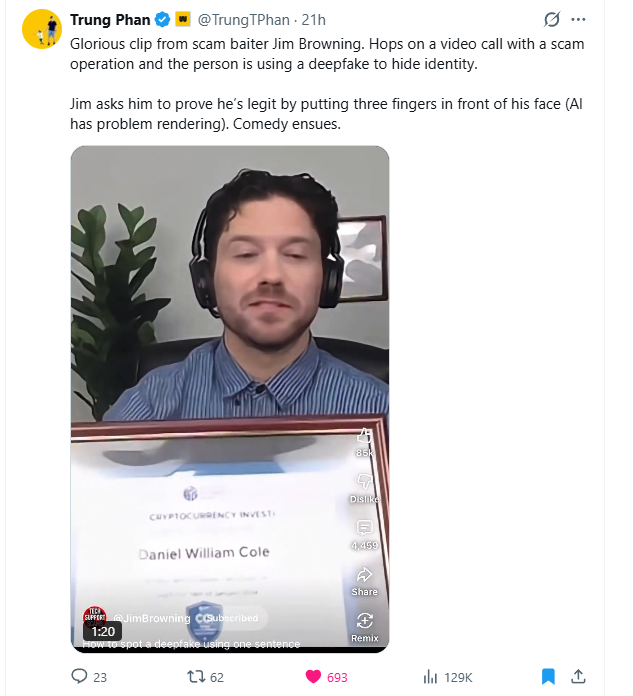
He exposed a deepfake scammer by asking him to hold up three fingers
Acknowledgements: I find a lot of these links myself, but I also get some from other places that I rely on as "serendipity engines," such as The Morning News from Rosecrans Baldwin and Andrew Womack, Jodi Ettenberg's Curious About Everything, Dan Lewis's Now I Know, Robert Cottrell and Caroline Crampton's The Browser, Clive Thompson's Linkfest and Why Is This Interesting by Noah Brier and Colin Nagy. If you come across something you think should be included here, feel free to email me at mathew @ mathewingram dot com