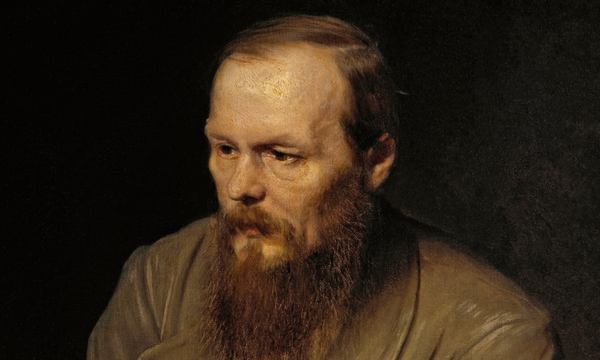
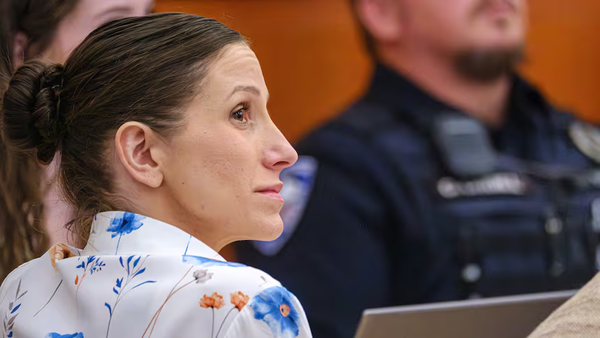
Lawyer representing Elon Musk is an actual working clown


Elon Musk and Sam Altman are engaged in a courtroom clash of the titans over the origins of OpenAI, now one of the most important artificial intelligence companies in the world. In San Francisco federal court, they are suing each other in a dizzying series of claims and counterclaims. In Altman's corner, there's an arsenal of elite firms — including Morrison & Foerster and Wachtell Lipton Rosen & Katz — with a long track record representing Silicon Valley royalty. Musk has turned to a pair of boutique litigation shops. And at one firm, one of Musk's lawyers is a clown. Jaymie Parkkinen has been in the trenches of the litigation, signing his name to some of the most contentious discovery disputes. In a July hearing, he singlehandedly faced down three lawyers representing OpenAI and Microsoft in the lawsuit. Outside of his work, he juggles clown performances and operates his own "Clown Cardio" business. (via Business Insider)
Study says living things emit a visible glow that fades in death
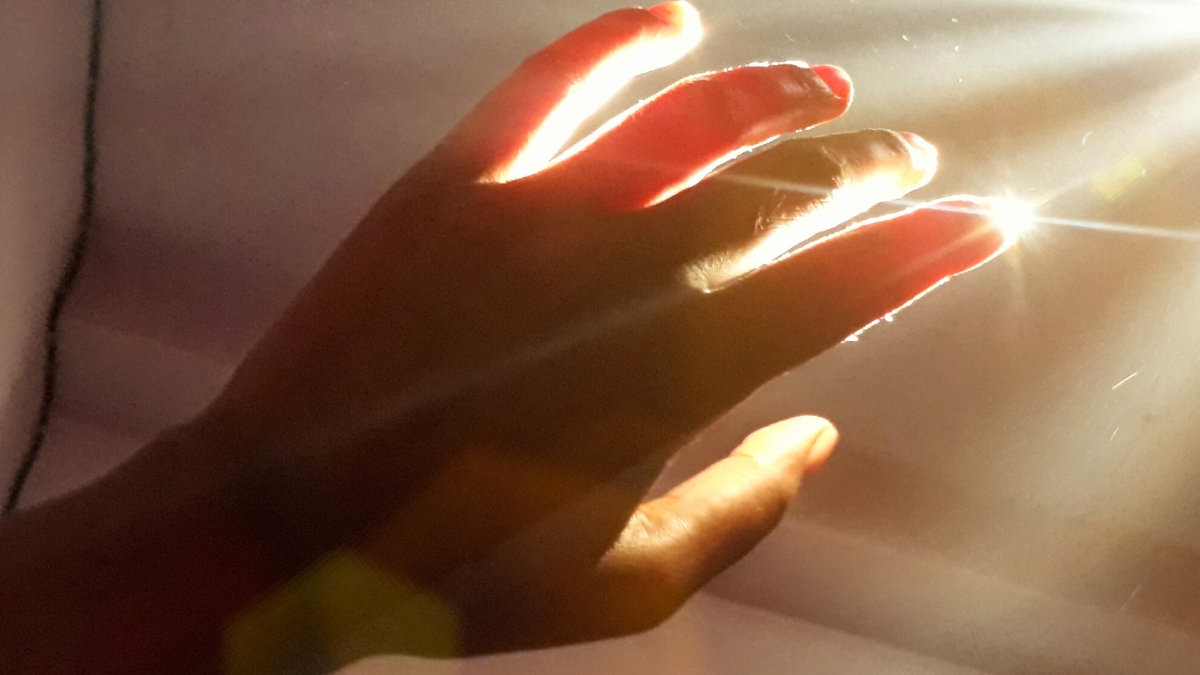
An extraordinary experiment on mice and leaves from two different plant species has uncovered direct physical evidence of an eerie 'biophoton' phenomenon ceasing on death, suggesting all living things – including humans – could literally glow with health, until we don't. The findings might seem a little fringe at first glance. It's hard not to associate scientific investigations into biological electromagnetic emissions with debunked and paranormal claims of auras and discharges surrounding living organisms. Visible wavelengths of light emitted by biological processes ought to be so faint that they're easily swamped by ambient electromagnetic waves in the environment. Still, University of Calgary physicist Vahid Salari and his team have claimed to observe just that – an ultraweak photon emission produced by several living animals in strong contrast with their non-living bodies, as well as in a handful of plant leaves. (via Science Alert)
How the gift of a begonia helped Emma Freud finally get to know her great-grandfather
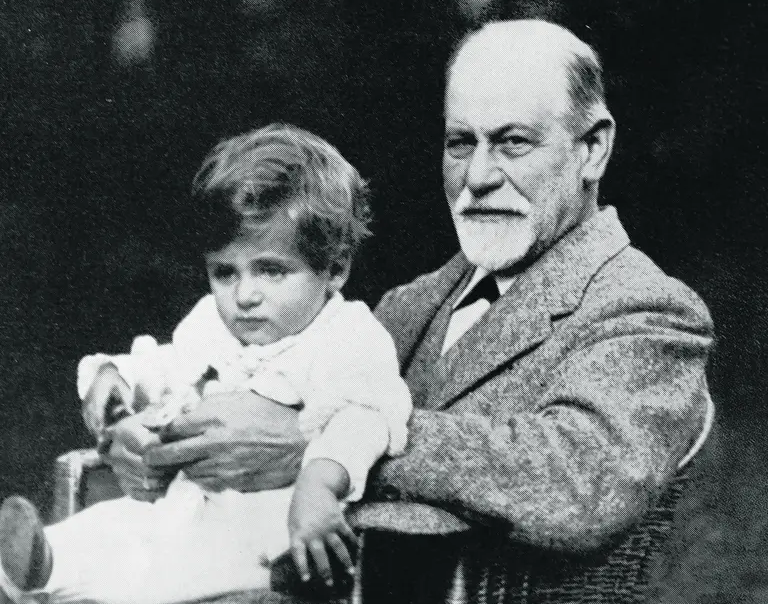
This story started in March. A friend sent me a link to a small British movie she’d worked on that hadn’t yet been released. A few weeks later, the co-writer and star of the film, Tom Basden, arrived with a thank-you gift: a plastic pot with a leafy stick in the middle. To be honest, I’d have preferred a scented candle, but I was touched that he’d brought it. Tom then told me the story of the plant. This scrubby little sprig was a cutting from his begonia, which had started life as a cutting given to him by his father-in-law, the writer Barry Walsh, who had been given his plant as a cutting by the casting director Corinne Rodriguez in 2017. Corinne’s begonia had grown from a cutting of a plant grown from one given to her by the actor Sally Miles in the 1970s. Sally’s had started life as a cutting she was given by the opera singer Kirsten Flagstad in the 50s. And Kirsten had been given her cutting in the 30s by her dear friend … Sigmund Freud. (via The Observer)
Hi everyone! Mathew Ingram here. I am able to continue writing this newsletter in part because of your financial help and support, which you can do either through my Patreon or by upgrading your subscription to a monthly contribution. I enjoy gathering all of these links and sharing them with you, but it does take time, and your support makes it possible for me to do that. I also write a weekly newsletter of technology analysis called The Torment Nexus.
He had a PhD and attended classes at UCLA but also appeared to be homeless
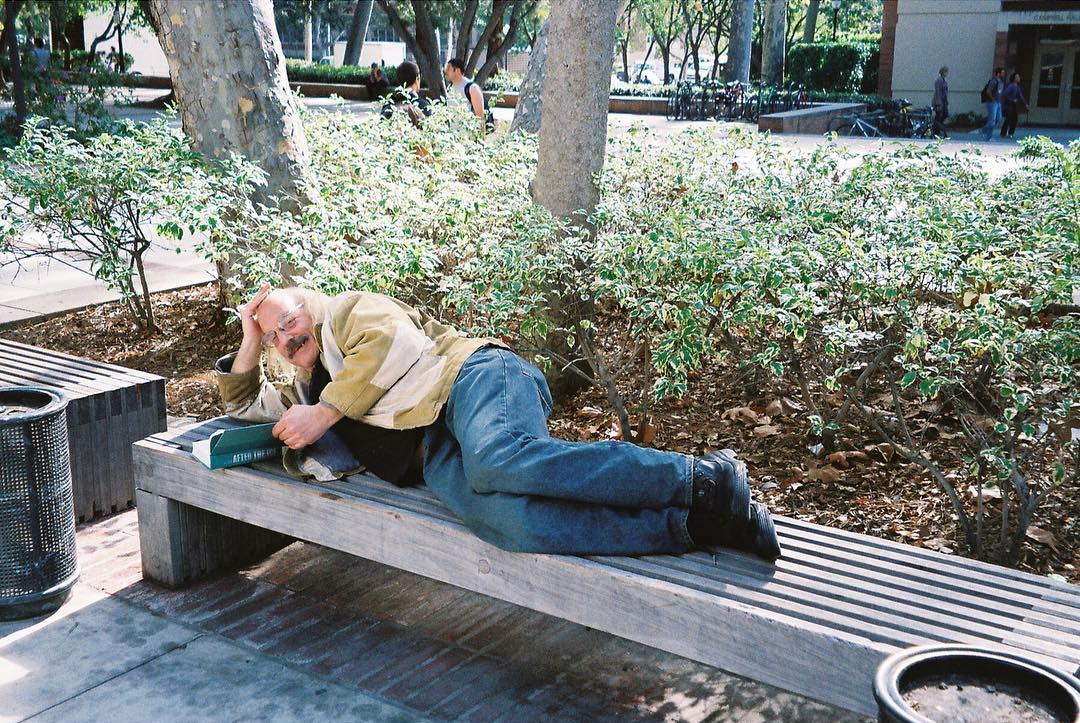
It was a warm Tuesday in January 2012 when I introduced myself to John. He was lying on his side along a semicircular concrete bench in the undercroft of Bunche Hall at UCLA, his head propped up on his right arm, looking every bit the Greek philosopher as he peered into Stefan Collini’s book Absent Minds: Intellectuals in Britain. He had a gray, turf-like mustache and tobacco-stained fingertips. One pouch of Bugler was stuffed in his pants and another poked out of his breast pocket. I approached cautiously. It was my first year of graduate studies in history, and I had noticed John hanging around the department. He was sparsely toothed, with stringy white hair and mismatched old clothes that hung off his body. John attended talks and could often be seen carrying a book while shuffling in untied boots between the North Campus sculpture garden. We rode the same bus and I wondered who he was. (via N+1 mag)
This mushroom can cause hallucinations in which victims see tiny people
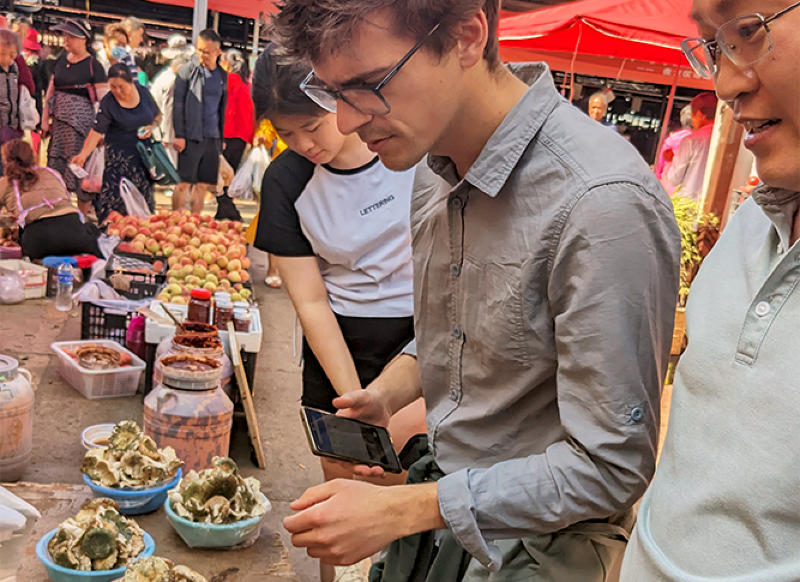
Picture this: You’re enjoying a delicious bowl of mushroom soup, when suddenly you notice hundreds of tiny people dressed in cartoonish clothing marching across your tablecloth, jumping into your bowl, swimming around, and clinging to your spoon as you lift it for another taste. You’re not dreaming—you’ve just experienced the effects of a mushroom known scientifically as Lanmaoa asiatica. It belongs to an entirely different class of fungi than the more commonly known “magic mushrooms” and remains far more mysterious. When outsiders first embarked into the Western Highlands of Papua New Guinea in 1934, they encountered a perplexing sight: after consuming a type of wild mushroom which they called “nonda,” the local people would appear to go temporarily insane. Specifically, it was reported that those affected would experience lilliputian hallucinations—a rare, clinically defined psychiatric syndrome characterized by the perception of numerous little people autonomously moving about. (via U of Utah)
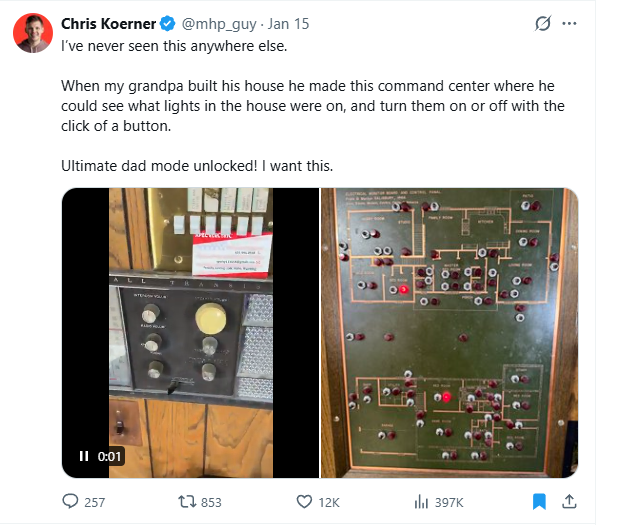
He built a command center in his house where he could turn off any light with a single click
Acknowledgements: I find a lot of these links myself, but I also get some from other places that I rely on as "serendipity engines," such as The Morning News from Rosecrans Baldwin and Andrew Womack, Jodi Ettenberg's Curious About Everything, Dan Lewis's Now I Know, Robert Cottrell and Caroline Crampton's The Browser, Clive Thompson's Linkfest and Why Is This Interesting by Noah Brier and Colin Nagy. If you come across something you think should be included here, feel free to email me at mathew @ mathewingram dot com