How a mafia boss helped the US invade Sicily in World War II

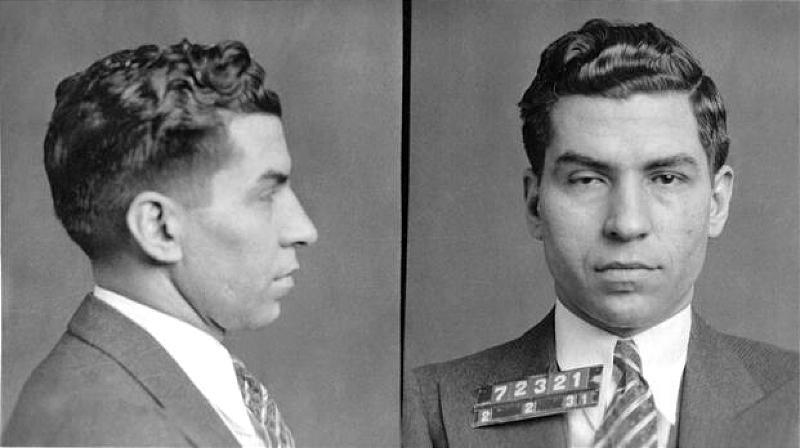
A luxury ocean liner burned and capsized in New York Harbor on Feb. 9, 1942. The SS Normandie, being converted into a troopship, caught fire during welding work and took 6,000 tons of water from firefighting efforts before rolling onto its side in the Hudson River. The Navy immediately suspected sabotage. German U-boats had sunk 120 American merchant ships in the first three months after Pearl Harbor, and fears of Axis agents operating along the waterfront ran high. Naval Intelligence started looking into local dock workers. Italian and German workers controlled by organized crime networks remained silent when federal investigators asked them questions. Commander Charles Haffenden of the Office of Naval Intelligence needed help investigating the incident and protecting the waterfront. He turned to the one man who could make dock workers talk, Charles Lucky Luciano, who was serving 30 to 50 years in prison. (via Military.com)
This Finnish inventor has more patents than Edison or Nikola Tesla

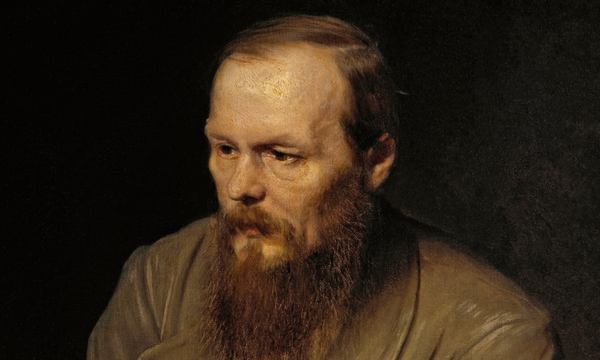
The legacy of the Finnish inventor and engineer Eric Magnus Campbell Tigerstedt (1887–1925) is not very widely known, even among the Finnish public. Nevertheless, Tigerstedt’s short yet prolific life touched and crossed several cultural and national boundaries: he was born to a Swedish-speaking aristocratic family in Russia’s Grand Duchy of Finland, but he studied in Germany, worked in Denmark and died in the United States at the age of 37. During his ill-fated career, Tigerstedt managed to create around 70 novel electrical devices and methods, which received over 100 patents from all over the world. Many of his inventions were aimed at creating a functioning and commercially viable sound film technology, including various amplifiers, loudspeakers and microphones. Even inventions such as the Cryptographone and an electronic hearing aid can be seen as side products of his ultimate dream of recording and reproducing synchronised sound with film image. (via Helsinki.fi)
Nabisco's famous Oreo cookies are a carbon copy of the Hydrox
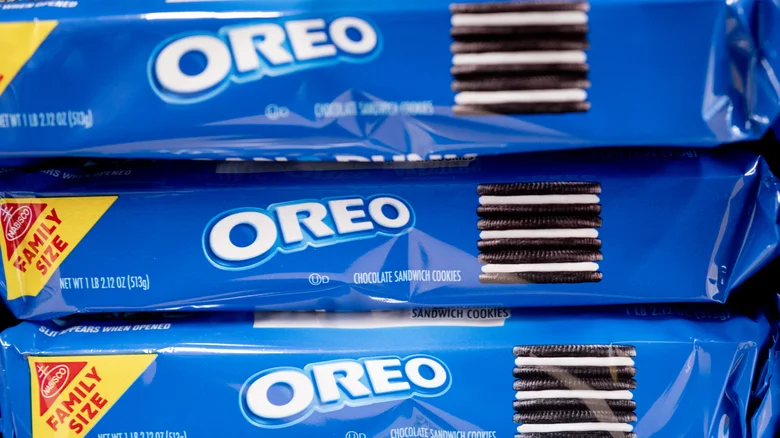
Nabisco markets its Oreo cookies as "America's favorite cookie." The simple construction of two chocolate discs held together by a thin dollop of sweet and chalky creme filling has sold well since their 1912 debut in a single store in Hoboken, New Jersey. Seen as an Oreo clone or slightly cheaper undercutter, Hydrox cookies actually predate Nabisco's flagship treat by many years. Its slogan, "America's Original", is a subtle yet true assertion that the creation of Oreo was an act of industrial thievery. In 1908, Sunshine Biscuits sent out the first batches of Hydrox, a chocolate sandwich cookie whose scientific-sounding name is a combo of "hydrogen" and "oxygen," or the component elements of water. It was supposed to suggest a cookie that was pure, clean, and wholesome. Instead, it may have reminded consumers of chemicals. Nabisco saw a good idea and improved on it, giving it a more marketable name and removing the slight bitterness from the Hydrox original recipe. (via the Takeout)
Hi everyone! Mathew Ingram here. I am able to continue writing this newsletter in part because of your financial help and support, which you can do either through my Patreon or by upgrading your subscription to a monthly contribution. I enjoy gathering all of these links and sharing them with you, but it does take time, and your support makes it possible for me to do that. I also write a weekly newsletter of technology analysis called The Torment Nexus.
The standard width of tagliatelle pasta is set by a solid gold piece
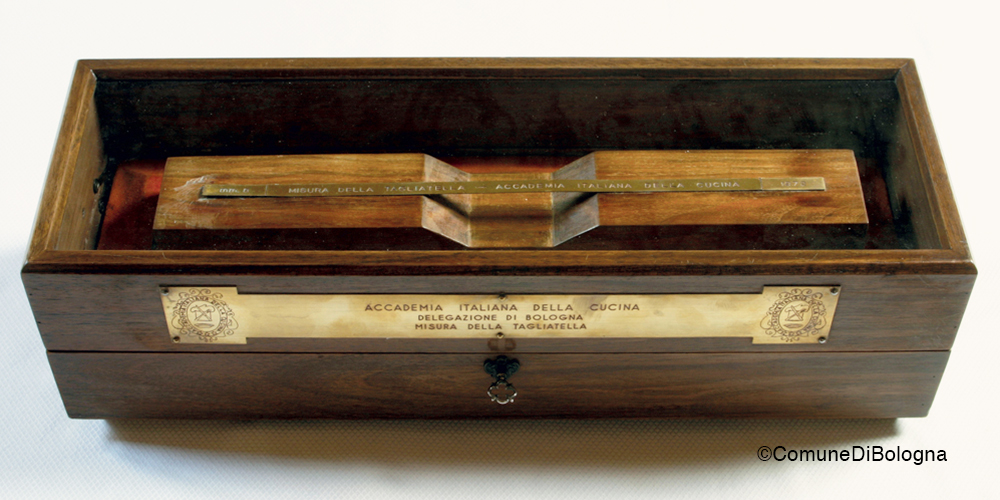
Have you ever looked down at your plate of tagliatelle bolognese and thought to yourself “The dimension of these noodles look slightly wrong?” No? Me neither. There is a very good reason for this, at least we naively believed. Foodie friends of mine told me about their trip to Bologna, which for primarily one thing, a viewing of the Golden Tagliatella. Turns out that deep in Bologna’s Chamber of Commerce is something that I guarantee is more interesting than what’s in your neighborhood Chamber of Commerce. What is there is the official measurement of a tagliatella (singular). It’s a noodle, in pure gold, housed in a wooden box. You need to make an appointment to see it, which judging by what my dogged friends went through, is quite difficult. One only can wonder about what crisis of tagliatelle prompted the need for this particular measurement, which was installed on April 6, 1972, by the Italian Academy of the Kitchen. “Any other size, would make it lose its inimitable character,” says the charter. (via Itch)
The airships of Clonmacnoise: What really happened over Ireland in the year 743
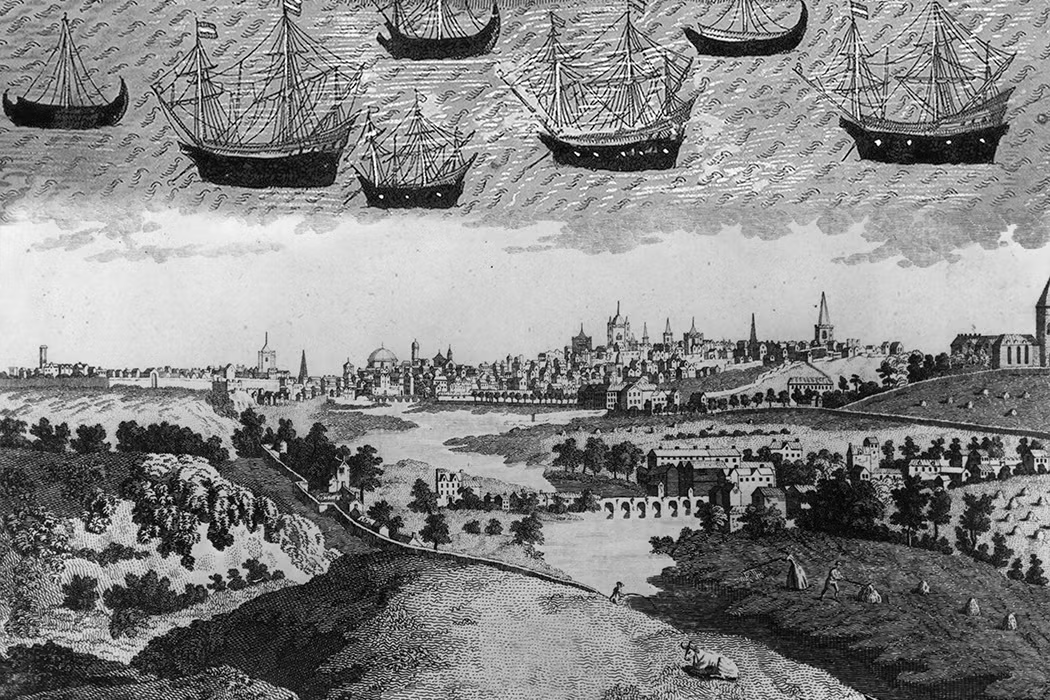
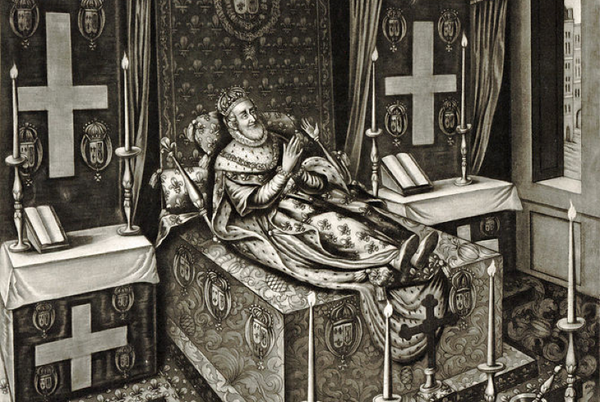
In the Clonmacnoise Annals for the year 743 something most unusual was recorded by the monks that lived at the site. Early on a bright Sunday morning, right when the parishioners from the nearby town were literally packed into the stone walled chapel on the grounds of the Clonmacnoise Monastery, a large object – or a fleet of objects – crossed the skies above the church and blotted out all of the sunlight that was coming in through the stained glass windows. Soon hundreds of townspeople and dozens of monks were gathered on the lawn outside the church and looking up at what they believed to be a fleet of flying sailing ships so dense in the sky above that it blotted out the sun. As the crowd looked skyward a giant, glowing “anchor attached to a long chain” fell from the ship. The glowing chain embedded itself in the ground of the church yard and was dragged along a great distance before it finally came to a stop after it embedded itself in the huge wooden door that marked the entrance to the church. (via Creative History)
Acknowledgements: I find a lot of these links myself, but I also get some from other places that I rely on as "serendipity engines," such as The Morning News from Rosecrans Baldwin and Andrew Womack, Jodi Ettenberg's Curious About Everything, Dan Lewis's Now I Know, Robert Cottrell and Caroline Crampton's The Browser, Clive Thompson's Linkfest and Why Is This Interesting by Noah Brier and Colin Nagy. If you come across something you think should be included here, feel free to email me at mathew @ mathewingram dot com