He's been running a DnD campaign for over 40 years


On 25 April 1982, two teenage boys in the small town of Borden, Saskatchewan, Canada began playing the relatively new fantasy role-playing game Dungeons & Dragons. Today, 43 years later and more than 2,000 km away, Robert Wardhaugh's D&D campaign is still going strong. The Dungeon Master, who is today also a history professor at the University of Western Ontario, is the proud holder of the GWR title for the longest running D&D campaign (homebrew). He estimates that around 500 player characters have passed through the ranks of the Party of the Pendant over the last four decades, which corresponds to over four centuries of in-game time. Characters have come and gone, empires have risen and fallen, magical items – taken from cursed tombs or dragon's hoards – have been handed down through generations of player characters. (via Guinness)
The Top Gun anthem might not have existed if not for Billy Idol

Electronic drums. A naval deck and the first hint of early morning sun. Synths, and the murmur of an F14. Then lift-off - cue Danger Zone. Harold Faltermeyer’s Top Gun Anthem is so synonymous with the film from which it takes its name that it’s hard to imagine it being used anywhere else, but it turns out that it almost ended up in a very different kind of movie. The anthem’s iconic melody was originally intended for a dream sequence in 1985 neo-noir comedy Fletch, in which Chevy Chase imagines that he’s starring for the LA Lakers basketball team. While Faltermeyer was working on the theme, it was overheard by Billy Idol, who was recording in the studio next door. “That’s great - you should use it for Top Gun,” the singer said. And the more Faltermeyer thought about it, the more he agreed with Idol. (via Music Radar)
He's the reason why operating rooms are blue-green and fire extinguishers are red

In 1945’s Selling with Color, Birren related best practices, like in hospitals, operating rooms should be blue-green, while private patient rooms should be decorated in warm, light tones. During World War II, as inexperienced workers replaced deployed soldiers in dangerous factories, he worked with the DuPont Company to codify the use of bright colors to mark workplace hazards—yellow for stumbling hazards; red for fire protection; orange for equipment that might “cut, crush, burn, or shock”; blue for caution; green for first aid. The system was also adopted by the US Army. For Birren this was truly color at work: intended not merely to decorate, but to catch the eye “with serious meaning.” (via U of Chicago)
Hi everyone! Mathew Ingram here. I am able to continue writing this newsletter in part because of your financial help and support, which you can do either through my Patreon or by upgrading your subscription to a monthly contribution. I enjoy gathering all of these links and sharing them with you, but it does take time, and your support makes it possible for me to do that. I also write a weekly newsletter of technology analysis called The Torment Nexus.
New research raises doubts about when the eruption of Vesuvius occurred
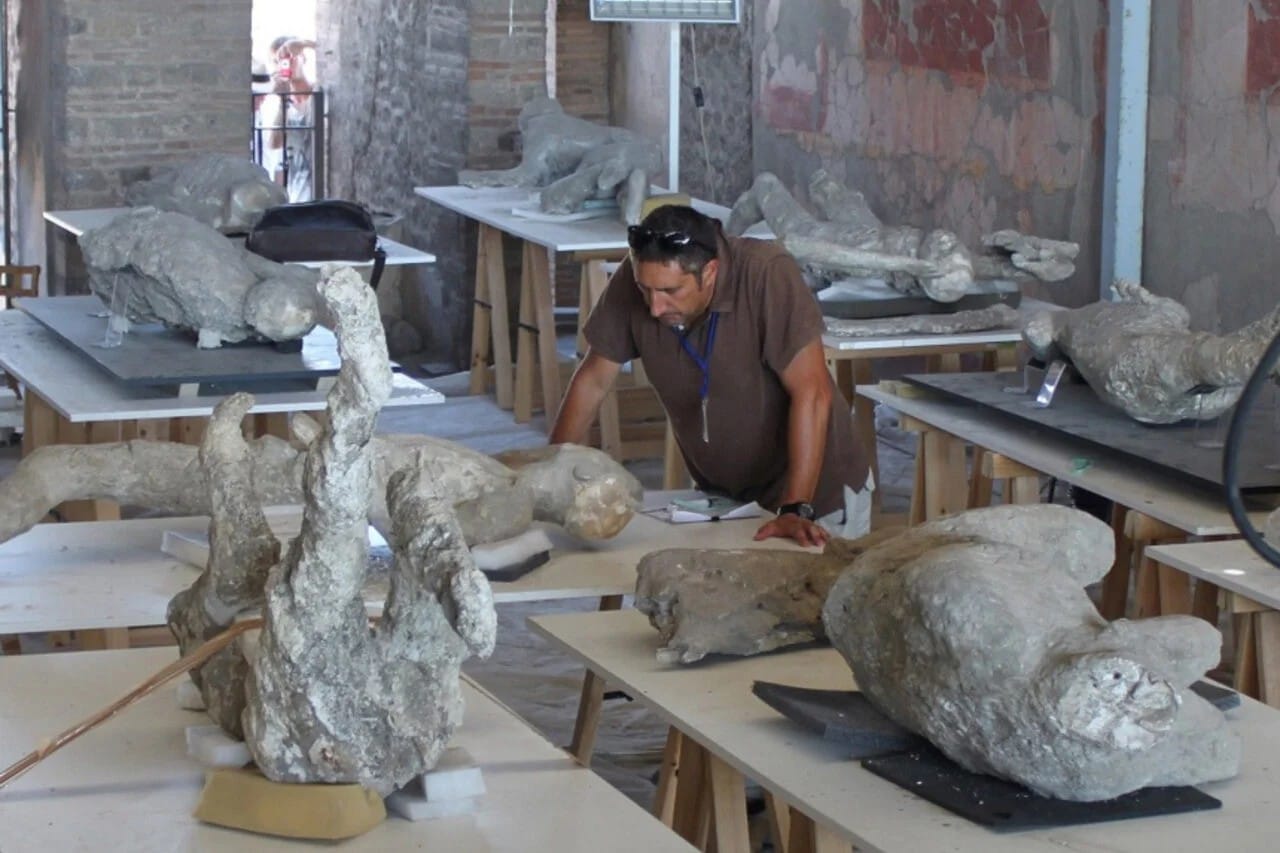
Many scholars agree that Mount Vesuvius exploded on August 24th, 79 CE, burying Pompeii and Herculaneum. So why were some unfortunate victims wearing heavy wool clothing on the day they perished? Such is the question posed by intriguing new research. The date of this well-known tragedy is actually a contentious topic among historians of Pompeii. The University of Valencia’s ÁTROPOS research group on the culture of death has joined the debate by analyzing victims’ clothing. After studying 14 casts from Pompeii, the interdisciplinary team determined that some victims were dressed in wool tunics and cloaks both indoors and outside—and the wool’s weaving suggests it was extremely heavy. (via Gizmodo)
People on the supersonic Concorde in 1973 saw an eclipse for 74 minutes
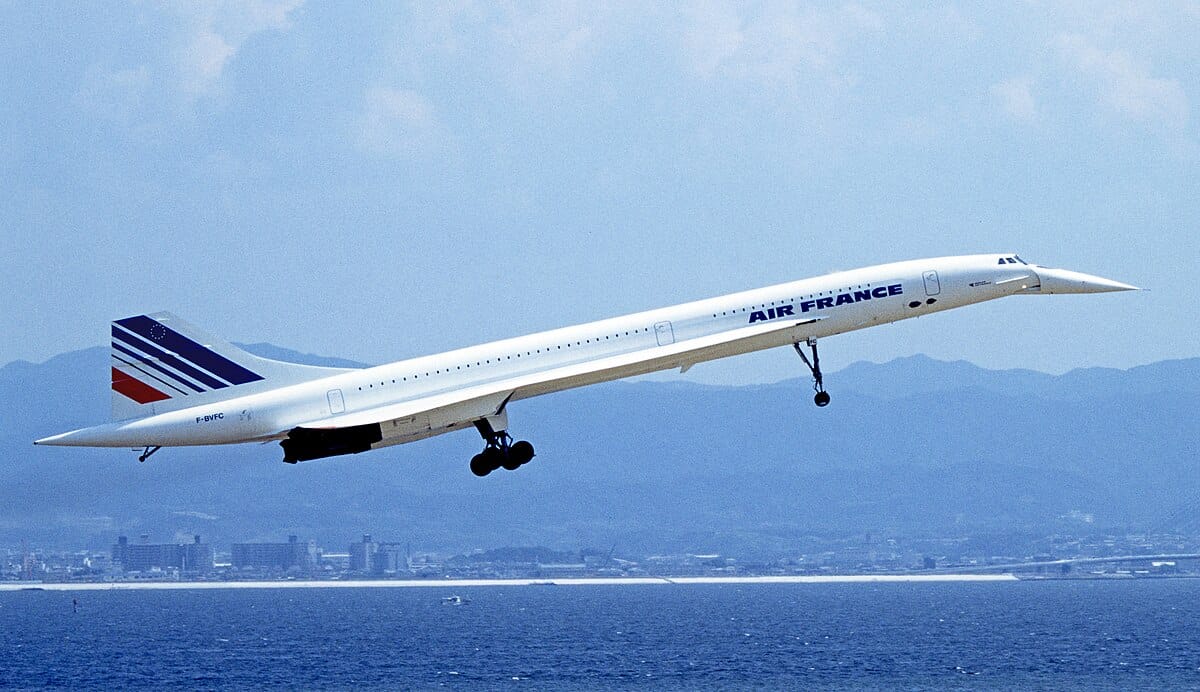
On 30 June 1973, the supersonic jet Concorde 001 intercepted the path of a total solar eclipse and followed the path of totality as it crossed Africa. This feat allowed the passengers to experience a total solar eclipse for 74 minutes, the longest-ever total eclipse observation. Five experiments were carried out during the flight, but they have had limited scientific impact. The plane intercepted the path of totality over Mauritania within one second of the planned rendezvous and flew at an altitude of 58,000 feet at Mach 2. Mauritania closed its airspace to commercial air traffic to ensure the success of the Concorde's flight. The aircraft flew in the lunar shadow over the Sahara including Mali, Nigeria and Niger, before landing in Fort-Lamy (present-day N'Djamena), in Chad. (via Wikipedia)
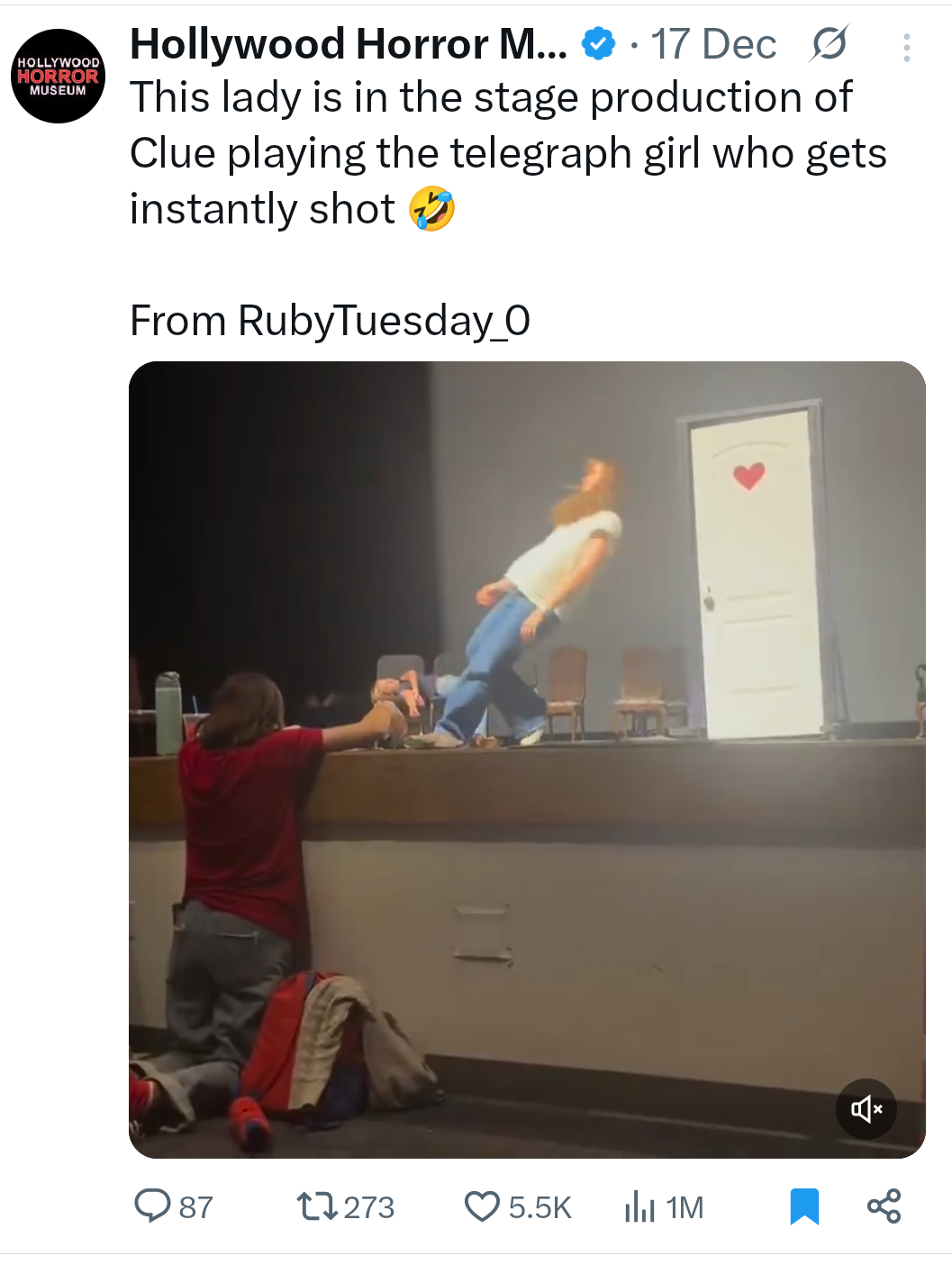
Her job is to fall down
Acknowledgements: I find a lot of these links myself, but I also get some from other places that I rely on as "serendipity engines," such as The Morning News from Rosecrans Baldwin and Andrew Womack, Jodi Ettenberg's Curious About Everything, Dan Lewis's Now I Know, Robert Cottrell and Caroline Crampton's The Browser, Clive Thompson's Linkfest and Why Is This Interesting by Noah Brier and Colin Nagy. If you come across something you think should be included here, feel free to email me at mathew @ mathewingram dot com