He turned office blocks into snail farms as a tax dodge

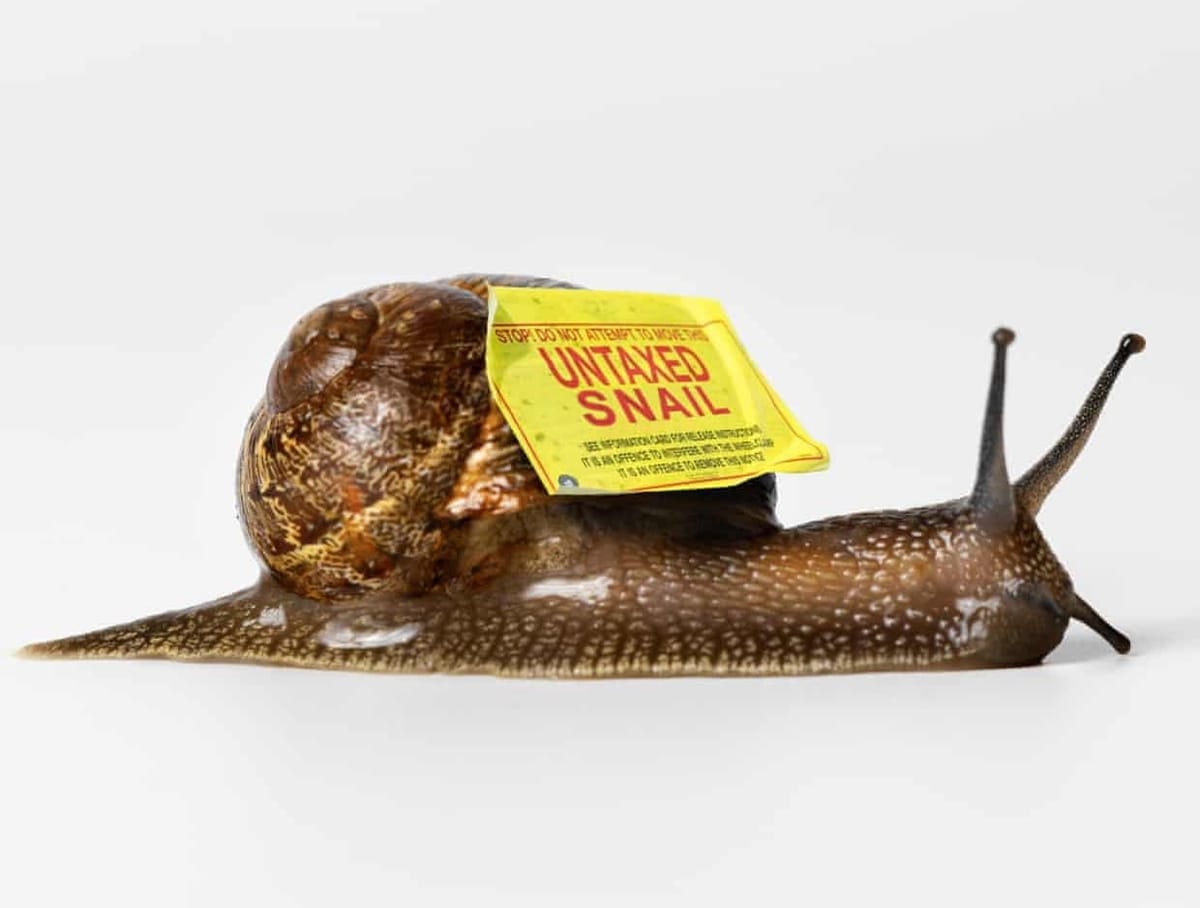
It is a drizzly October afternoon and I am sitting in a rural Lancashire pub drinking pints of Moretti with London’s leading snail farmer and a convicted member of the Naples mafia. We’re discussing the best way to stop a mollusc orgy. The farmer, a 79-year-old former shoe salesman called Terry Ball who has made and lost multiple fortunes, has been cheerfully telling me in great detail for several hours about how he was inspired by former Conservative minister Michael Gove to use snails to cheat local councils out of tens of millions of pounds in taxes. His method is simple. First, he sets up shell companies that breed snails in empty office blocks. Then he claims that the office block is legally, against all indications to the contrary, a farm, and therefore exempt from paying taxes. “They’re sexy things,” chuckles Ball in a broad Blackburn accent, describing the speed with which two snails can incestuously multiply into dozens of specimens. Snails love group sex and cannibalism, he warns. (via The Guardian)
Researchers detect magic forms of quantum entanglement at the Large Hadron Collider
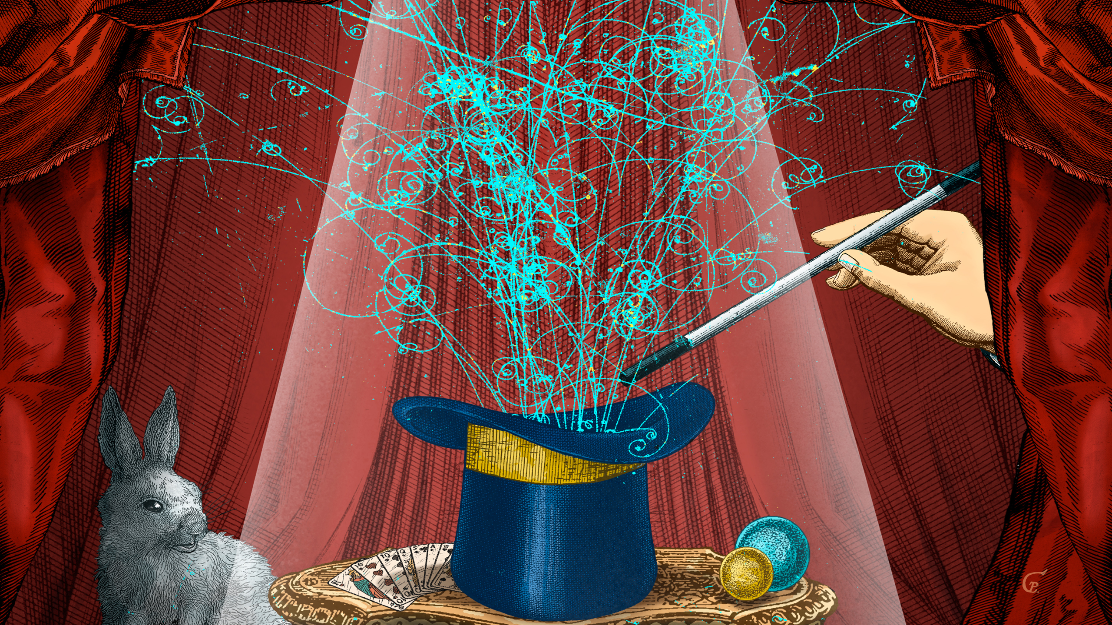
Seventeen years after the machine switched on, particle physicists are realizing that they can use the collider to explore how information flows through quantum systems — a question at the foundations of quantum computing. The two possible spins of the quarks correspond to the 0 and 1 states of a qubit, a unit of quantum information. One buzzy result came this spring, when the CMS experiment measured the “magic” of a pair of top quarks. In quantum information theory, magic is a property of entangled qubits that makes their state difficult to simulate on a classical computer. For quantum computers to run algorithms faster than classical computers, they must be fed a supply of magic states. Quantum computers can run certain algorithms exponentially faster than regular computers. This speedup is possible because of entanglement, which links the 0 and 1 states of different qubits, creating a network of possibilities. The quantum computer can manipulate all the possible states at once. (via Quanta magazine)
Some mammals including marsupials glow in the dark but scientists aren’t sure why
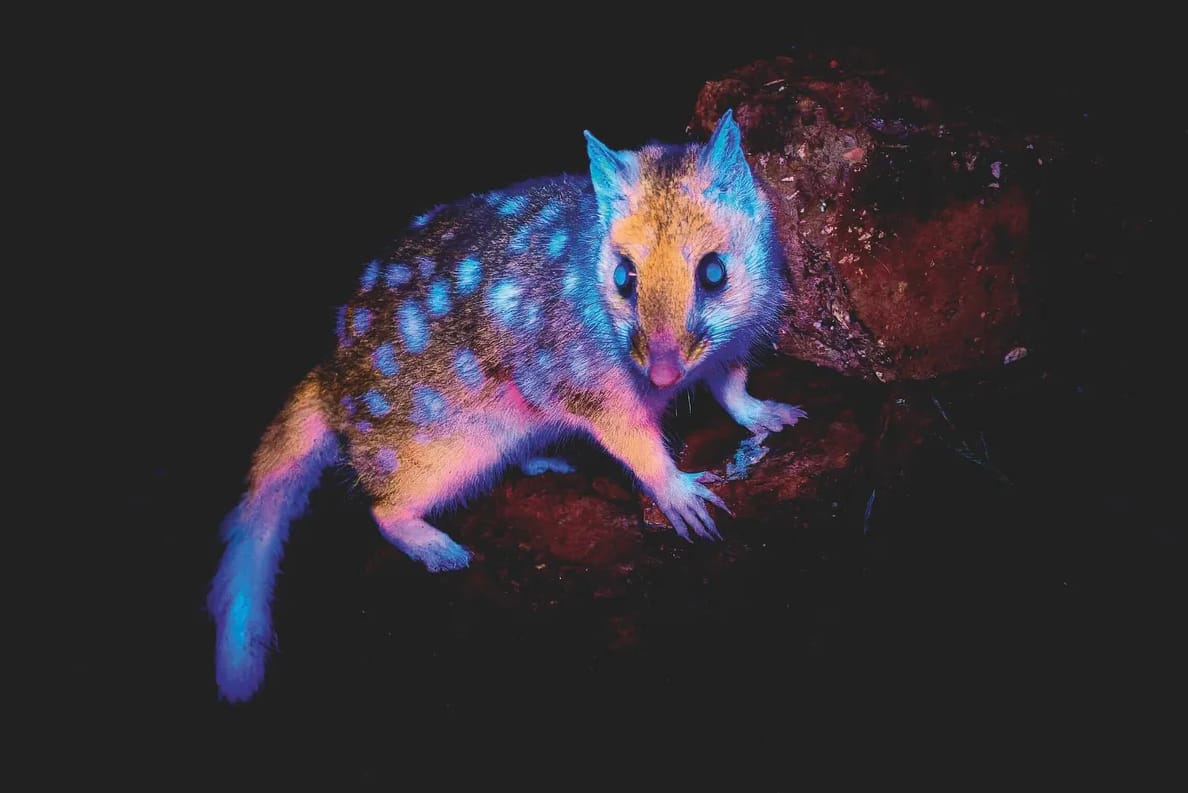
Bioluminescent creatures, such as glowworms, fireflies and oceanic algae that light up like underwater stars, produce their own light. This dazzling ability has evolved independently at least 100 times across the tree of life. Within vertebrates, bioluminescence is unique to fish. Perhaps most famous is the anglerfish, a deep-sea fish that uses its bioluminescent lure to attract prey. While there are technically no bioluminescent mammals, there are some that ‘glow in the dark’. Rather than producing their own light, these mammals absorb shorter wavelength light and then emit it as longer wavelength light that is a different colour – usually reds, oranges and greens. This is called biofluorescence and it tends to be visible to the human eye under UV light. Biofluorescence is most common in marsupials like opossums, platypuses and wombats. Why exactly biofluorescence has evolved in these species is unclear. (via Discover Wildlife)
Hi everyone! Mathew Ingram here. I am able to continue writing this newsletter in part because of your financial help and support, which you can do either through my Patreon or by upgrading your subscription to a monthly contribution. I enjoy gathering all of these links and sharing them with you, but it does take time, and your support makes it possible for me to do that. I also write a weekly newsletter of technology analysis called The Torment Nexus.
Carrying more than 50kgs of potatoes was against the law in Australia as recently as 2021
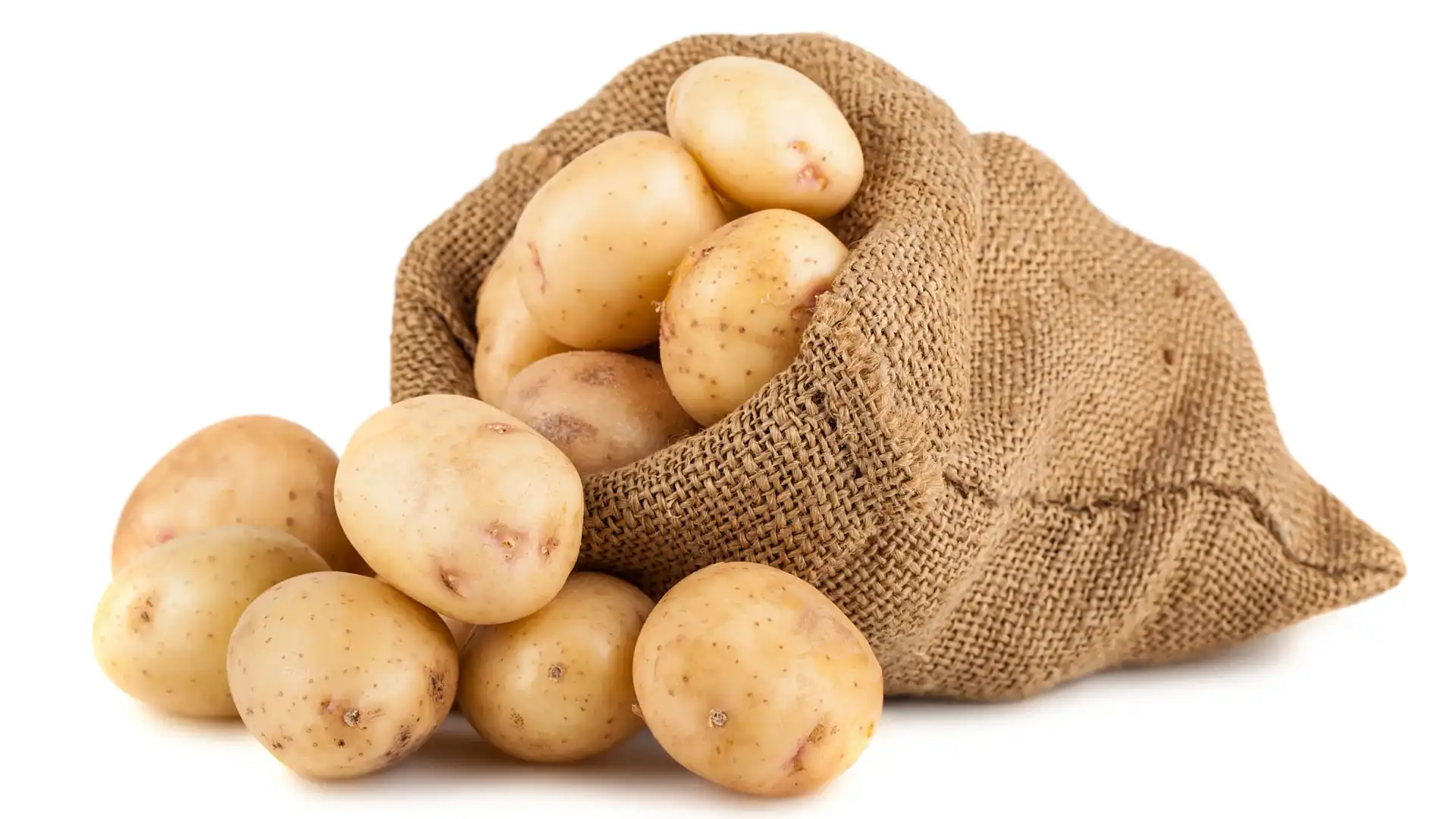
Under the Marketing of Potatoes Act 1946, it was illegal for anyone to sell, purchase, take delivery of and deliver more than 50kg of everybody’s favourite tuber. Those provisions included carrying that amount in your vehicle unless you were a member of the Potato Corporation or an authorised agent of said Corporation. Offenders suspected of carrying more than 50kg of spuds could be stopped, have their vehicles searched and be issued with fines ranging from $2000 for a first offence up to $5000 for subsequent offences with the added kicker of an additional penalty up to twice the value of the amount of the spud contraband being carried. This sounds like an archaic law – and it is – but it applied to all states and Territories of Australia. It was gradually repealed but Western Australia didn’t end it until 2021. (via Drive.au)
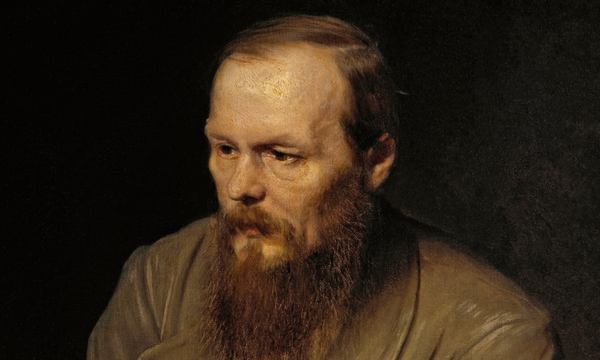
He was a tiny Frenchman but he became famous for eating as much as ten men
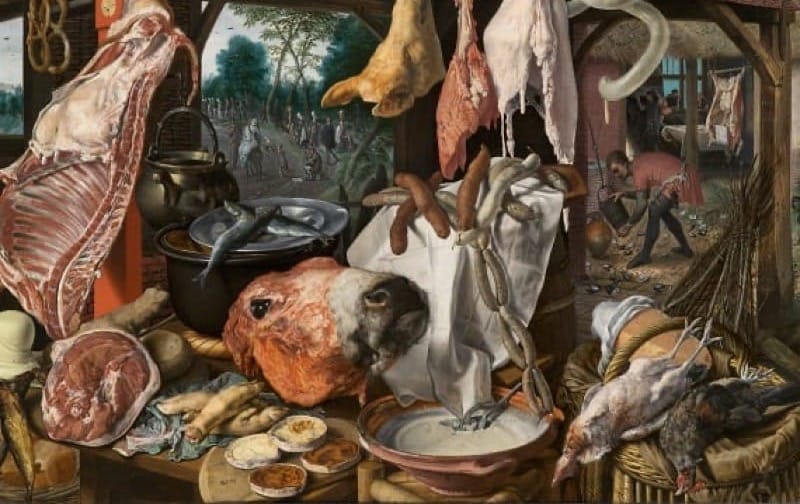
Tarrare was born in 1772. By the time he was a teen, he could devour a quarter of a cow in one day, enough that his family ran him out onto the streets. Still, he only weighed about 100 pounds. When he had not eaten, his skin would hang so loosely that he could wrap the fold of skin from his abdomen around his waist. When full, his abdomen would distend “like a huge balloon”. The skin of his cheeks was wrinkled and hung loosely, and when stretched out, he could hold twelve eggs or apples in his mouth. Tarrare joined the French Revolutionary Army in 1792. Unfortunately, he quickly found that standard rations were far from enough to satisfy him. He quickly fell victim to exhaustion and was admitted to hospital, where even quadrupling the normal ration was not enough. French officials decided that they should keep in the hospital for further study, where he ate food intended for fifteen people in one sitting. On other occasions, he ate a live cat, snakes, lizards, puppies, and an entire eel. (via Wikimedia)
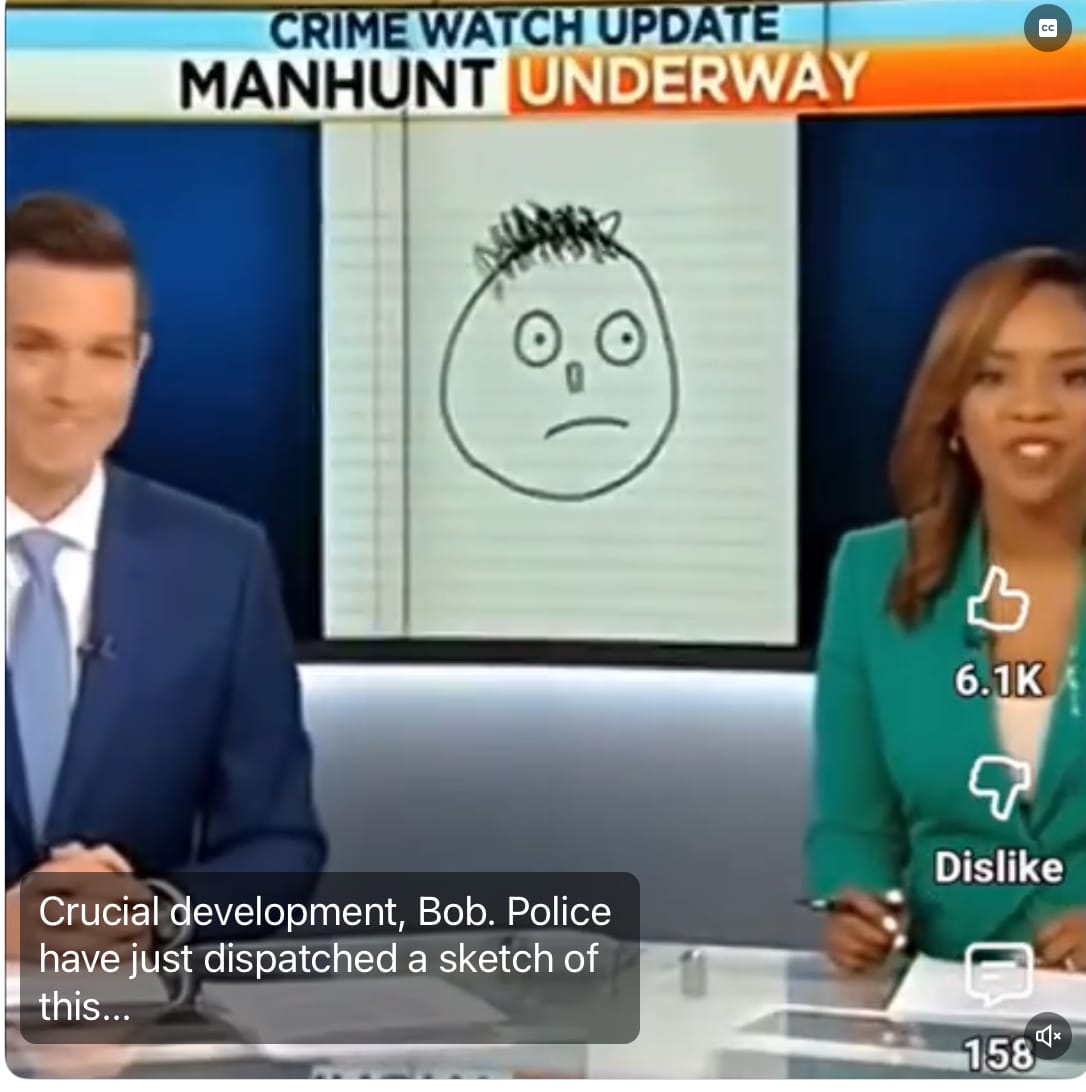
News anchors can’t keep a straight face after a photo of the suspect appears
Acknowledgements: I find a lot of these links myself, but I also get some from other places that I rely on as "serendipity engines," such as The Morning News from Rosecrans Baldwin and Andrew Womack, Jodi Ettenberg's Curious About Everything, Dan Lewis's Now I Know, Robert Cottrell and Caroline Crampton's The Browser, Clive Thompson's Linkfest and Why Is This Interesting by Noah Brier and Colin Nagy. If you come across something you think should be included here, feel free to email me at mathew @ mathewingram dot com