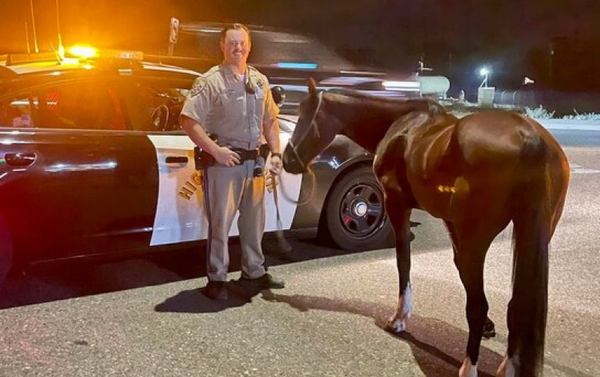
He said he was kidnapped and forced to play football for his life


Mauricio Morales was leading a group of migrants he had found at a bus station through Mexico City’s San Rafael neighborhood. They had just crossed a busy boulevard and were making their way down a side street when the five large utility vans lurched to a stop in front of them. Men with machine guns, wearing tactical gear, spilled out and started barking orders and threats. Were they police? Military? Mau couldn’t tell. Within seconds, the migrants were being shoved into the vans. When Mau tried to resist, something hard hit him on the head, and he fell to the ground. As he was loaded into the back of one of the vans, he heard gunshots. After some research, they discovered that they had inadvertently kidnapped a world-class athlete—an Olympic runner who’d competed in Beijing, London, and Rio de Janeiro. This was serendipitous, Don Paco explained, because he happened to be in the market for athletes. (via The Atlantic)
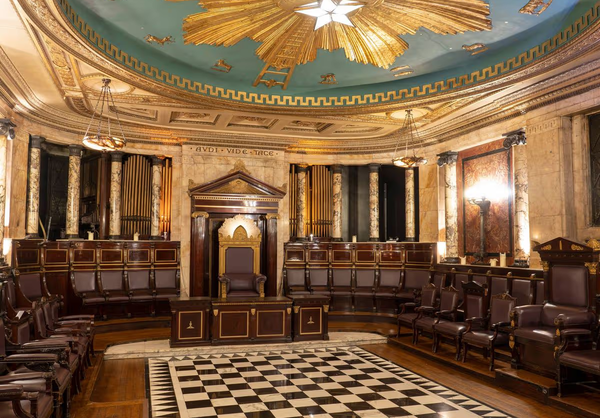
This American high roller lost a staggering $200 million gambling in Las Vegas

Terrance Watanabe inherited Oriental Trading Company, a company selling party supplies, arts and crafts, toys, novelties, and school supplies founded by his father Harry Watanabe. After selling his company, Watanabe became known for his lavish gambling habits. In 2007, he was reported to have lost $127 million at Caesars Palace and The Rio in Las Vegas after having gambled a total of $825 million. He was banned from Wynn Las Vegas for compulsive gambling. Watanabe is estimated to have lost approximately $204 million. Caesars Entertainment was fined $225,000 by the New Jersey Gaming Commission for allowing Watanabe to continue gambling in a highly intoxicated state. Caesars Rewards created a special tier for him known as Chairman" which ranks above Seven Stars. Watanabe received tickets to the Rolling Stones, $12,500 a month for airfare, and $500,000 in credit at the gift stores. Harrah's also offered 15% cash back on table losses greater than $500,000 and other incentives. (via Wikipedia)
A mysterious cache of books drew a couple into an 18-year quest to prove their authenticity
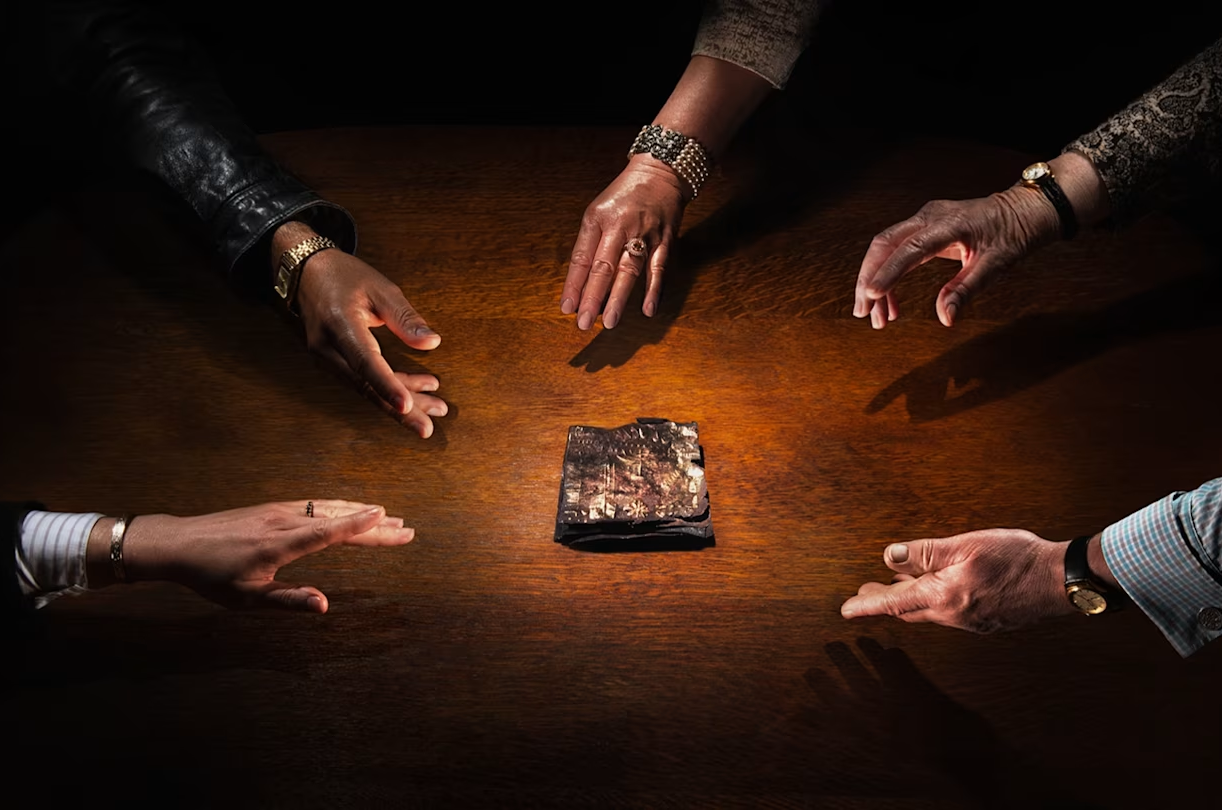
The little Toyota bounced down a dirt track in Oxfordshire. Behind the wheel, David Elkington was asking questions at his usual rapid-fire clip: Are the artefacts elaborate fakes? From the passenger’s seat, Jennifer Solignac glanced back at David’s friend who’d been helping with his documentary, and smiled. Soon they were parked in front of a country house, being greeted by their host, Nick Fielding. After a recent dinner, Fielding had taken them into his office and shown them photos of several archaic books, or codices, each bound by metal rings. They were inscribed with iconography and letter-forms. Strangely, they were made of lead. Fielding said the photos were taken by a friend who knew the codices’ owner. He believed they had been found somewhere in northern Israel. David said he thought the codices might be contemporary to the Dead Sea Scrolls, the most significant discovery in the history of biblical studies. (via the FT)
Hi everyone! Mathew Ingram here. I am able to continue writing this newsletter in part because of your financial help and support, which you can do either through my Patreon or by upgrading your subscription to a monthly contribution. I enjoy gathering all of these links and sharing them with you, but it does take time, and your support makes it possible for me to do that. I also write a weekly newsletter of technology analysis called The Torment Nexus.
The first movie to feature a woman was only 21 seconds long but it was banned for obscenity
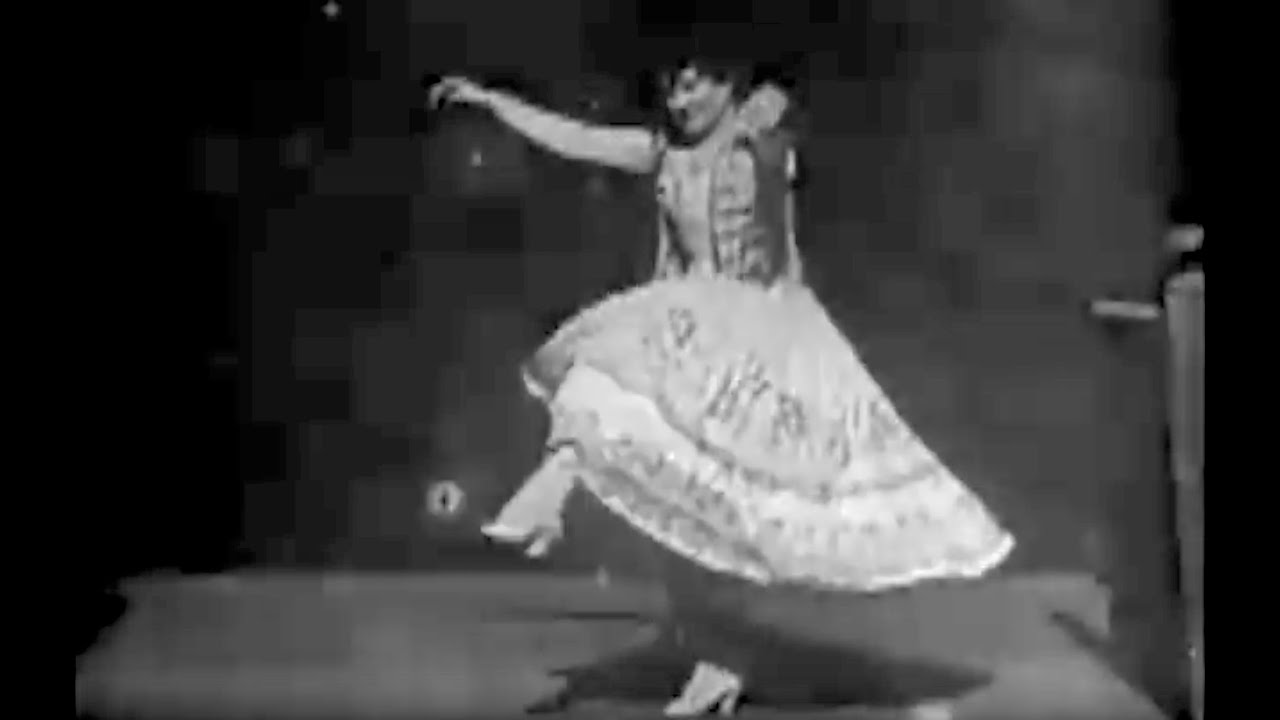
Carmen Dauset Moreno, better known by the stage name “Carmencita,” was a native of Andalusia, Spain. During the early 1890s, she rose to fame across the United States performing traditional folk dances of her home region, a style known as flamenco. Thomas Edison was looking for film subjects. The kinetoscope was about to become a business, but to attract customers it would need something for them to watch. And that’s how Carmencita ended up in the Black Maria studio in mid-March of 1894, dancing the flamenco for Edison’s kinetograph. In doing so, she likely became the first woman to appear in a film in the United States. Carmencita also became the first film ever to be censored (that we know of). In mid-July, James A. Bradley, a New Jersey state senator, devout Methodist, and prominent citizen of Asbury Park, was appalled to find that motion pictures revealing a woman’s ankles, along with perhaps some hints of her underthings, was being shown publicly in his hometown. (via Moviegoings)
We have Admiral Horatio Nelson to thank for the phrase "to turn a blind eye"
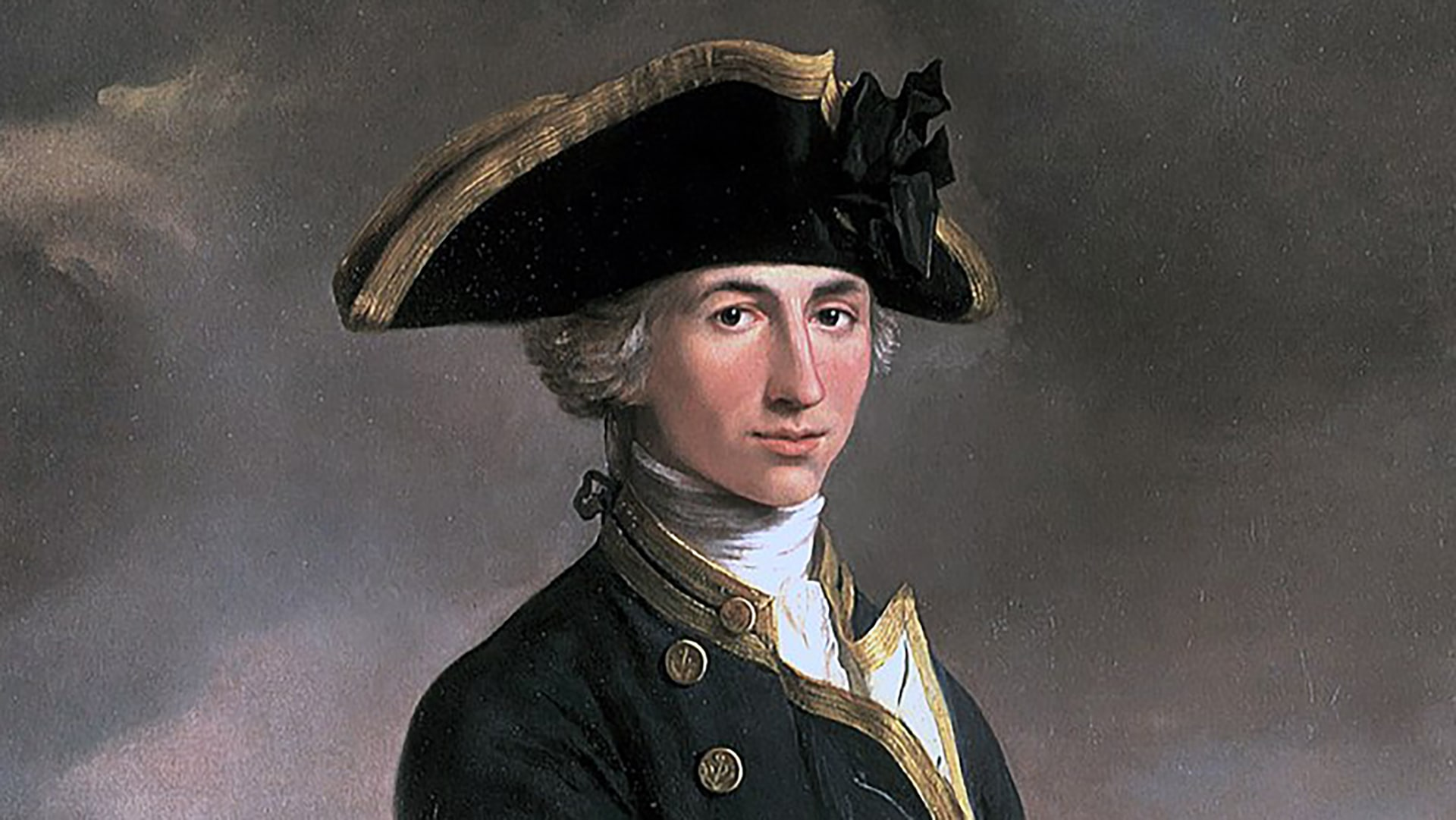
In English, a “blind eye” is rarely about eyesight. If you turn one, you’re ignoring something obvious — the mess in the kitchen, your kids’ misbehavior. It has nothing to do with actual vision. But originally, it did. In 1801, Britain was concerned that Denmark was about to ally with France, so the Royal Navy began a blockade of Copenhagen. Vice Admiral Horatio Nelson was at the helm of one of the ships. Then up went the flags signaling that Nelson and the rest of the fleet should disengage. Nelson believed victory was still within reach and that withdrawing would squander the opportunity. He wanted to ignore Parker’s order. But the signal flags were plainly visible in the distance. How do you ignore an order everyone can see? Years before his most famous exploits, Nelson had lost sight in his right eye after being wounded in 1794. lifted his telescope to his sightless eye and looked through it, then said “I really do not see the signal,” and, instead, continued pressing the Danish Navy. (via Now I Know)
A colony of ants try to solve a geometry problem

Acknowledgements: I find a lot of these links myself, but I also get some from other places that I rely on as "serendipity engines," such as The Morning News from Rosecrans Baldwin and Andrew Womack, Jodi Ettenberg's Curious About Everything, Dan Lewis's Now I Know, Robert Cottrell and Caroline Crampton's The Browser, Clive Thompson's Linkfest and Why Is This Interesting by Noah Brier and Colin Nagy. If you come across something you think should be included here, feel free to email me at mathew @ mathewingram dot com