Dostoevsky wrote a book in a month to pay off gambling debts

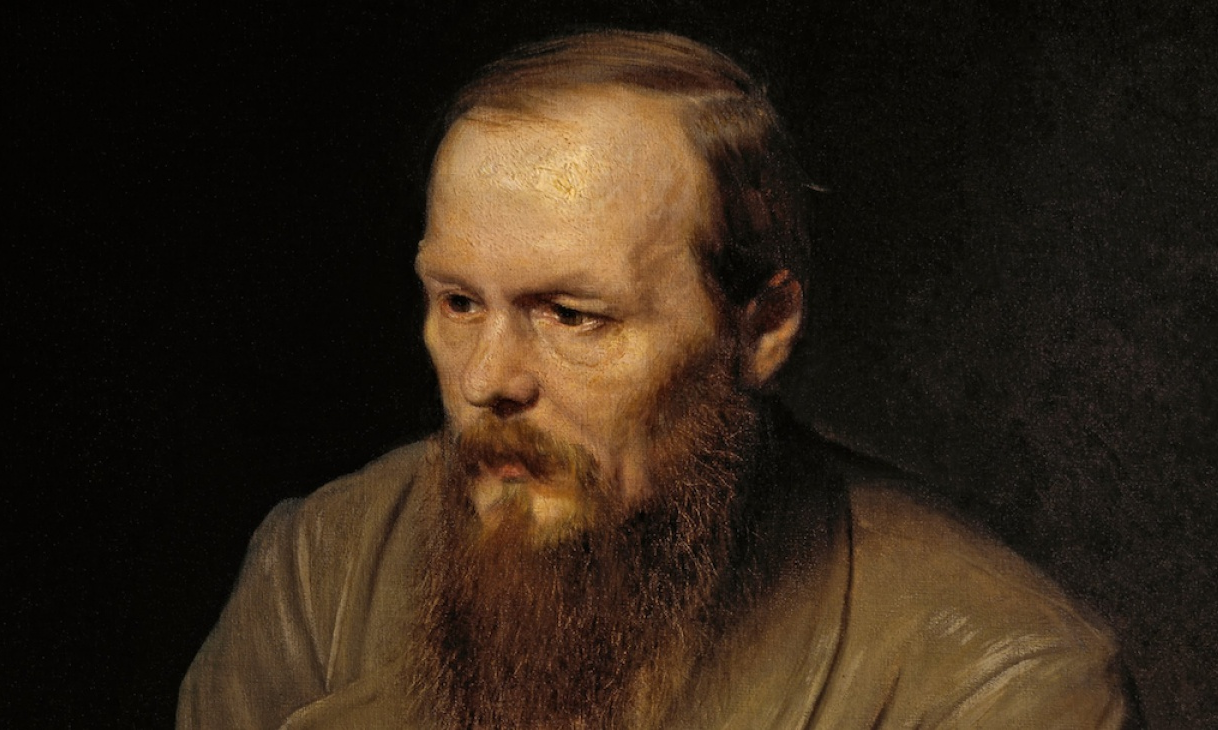
At the age of 39, Dostoevsky starts publishing a literary magazine called Time with his brother. The following year the magazine is forced to close, due to a misunderstanding with the government about an article they published concerning Russia. Dostoevsky travels to Europe and experiences his first loss at the roulette wheel. He is reduced to pawning his possessions to survive. In April 1864, his first wife dies, and two months later, so does his brother. He invests all of the money he has in a new magazine, and also unwisely assumes all his brother’s debts, which means his financial freedom is tied to the success of the magazine. The magazine collapses a year later due to lack of funds. Dostoevsky signs a merciless contract with a publisher that requires him to deliver a book within a year, or he will lose the rights to anything he writes for the next nine years. He returns to Europe and loses all the money he has. (via Roulette Star)
He's planning to sail a boat that is four feet wide and less than five feet long across the Atlantic
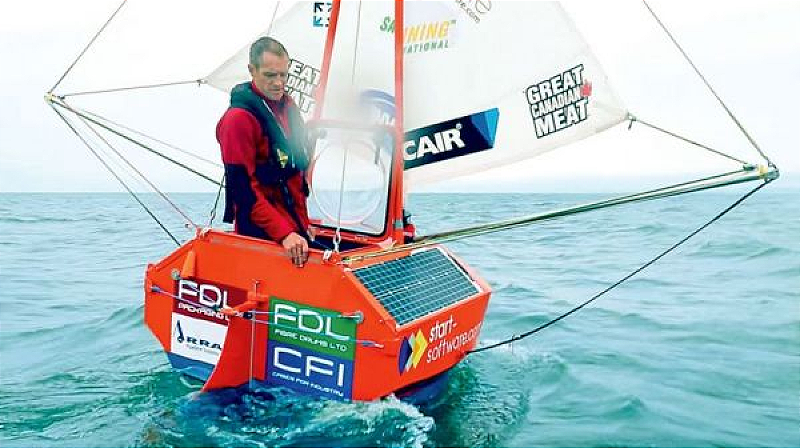
There's a long history of people sailing across an ocean by themselves, or attempting to. Usually they are in small boats, which are easier to handle, which gives us the term "microyacht." As the boats got smaller, the competitive nature of the sport went from the accomplishment of making it across the ocean to racing other solo sailors to seeing who can make the smallest boat to get there in. Andrew Bedwell is no novice in solo sailing, or even microyachting. His newest boat is the smallest yet, and will set a new world record if he makes it across the Atlantic in May. The microyacht, called the Big C V2, is only 4.5 feet wide. How long is it? He won't reveal that, but it is shorter than the current record holder, which was 5 feet, 4 inches long (1.63 meters). It is made of aluminum and carries solar panels, a power system, food and water, sails, and even has room for Bedwell to stretch his legs out when sitting inside. (via Neatorama)
In 1942 Los Angeles fired 1,400 rounds from its anti-aircraft guns but no one knows why
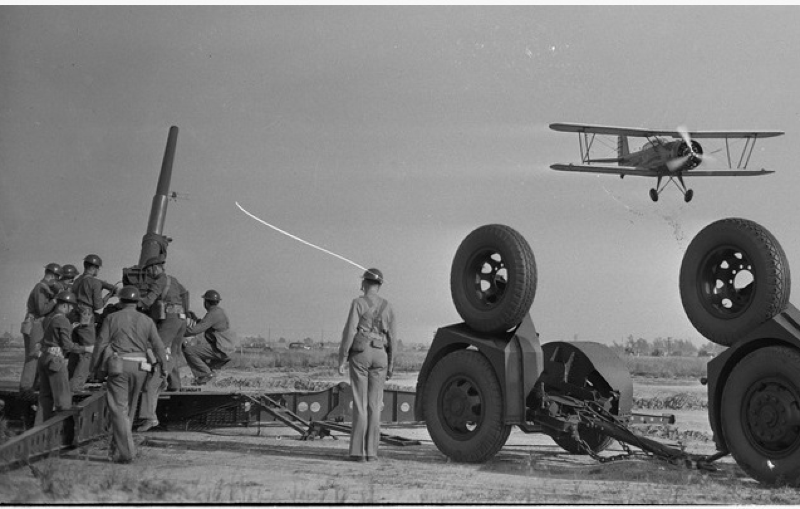
On the evening of February 24, 1942, an anti-aircraft barrage of more than 1,440 rounds is launched at what is initially thought to be a Japanese aerial attack on the City of Angels. Five civilians die – three from traffic accidents spawned by the chaos and two from heart attacks. What, if anything, is being fired upon remains a mystery. Theories include weather balloons, UFOs, birds, or just jitters by Angelenos with Pearl Harbor still a fresh memory and, even fresher, a Japanese submarine torpedoing a Santa Barbara oil field on February 23. Regardless of cause, air raid sirens first blare at 7:18 p.m. Thousands of air raid wardens go to their posts throughout Los Angeles County. That alert is lifted at 10:23 p.m. Tensions ease. Then, after midnight, all hell breaks loose. According to the Los Angeles Herald Examiner a witness puts the number of planes at 50. Three are shot down over the ocean. (via Celebrate California)
Hi everyone! Mathew Ingram here. I am able to continue writing this newsletter in part because of your financial help and support, which you can do either through my Patreon or by upgrading your subscription to a monthly contribution. I enjoy gathering all of these links and sharing them with you, but it does take time, and your support makes it possible for me to do that. I also write a weekly newsletter of technology analysis called The Torment Nexus.
A museum in Virginia has a preserved ham on display that is over 125 years old
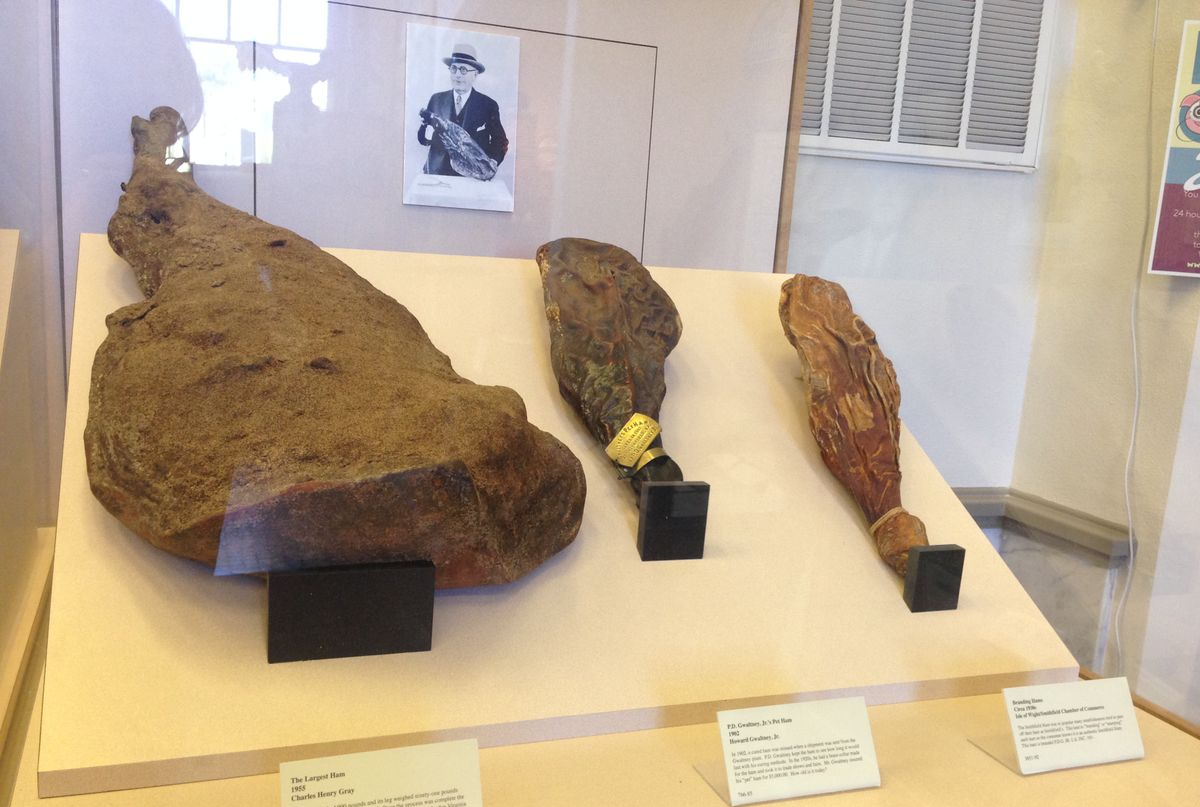
In 1931, P. D. Gwaltney Jr. entered a hotel in Washington, D.C. with a suitcase in his hand and a question on his mind: Could he stow a piece of luggage in the hotel’s vault? The clerk looked at the suitcase and asked what was inside that was so important. Gwaltney’s answer was, in effect, “Oh, just my pet ham.” Gwaltney wasn’t joking. He was a ham man, the owner of one of the most successful pork-processing companies in Virginia, and he promoted his business by lugging around a 30-year-old smoked “pet ham,” which he showed off at county fairs, food shows, and even military ships. Much like a dog, it had its own personalized brass collar. Nor was Gwaltney joking about having the hotel safeguard it. An insurance company valued it at $5000—or $77,000 in today’s money. It was all part of a clever marketing ploy that had helped cement Gwaltney’s hometown of Smithfield as the Ham Capital of the World. (via Mental Floss)
He sold over 27,000 fake letters from more than 600 famous historical figures
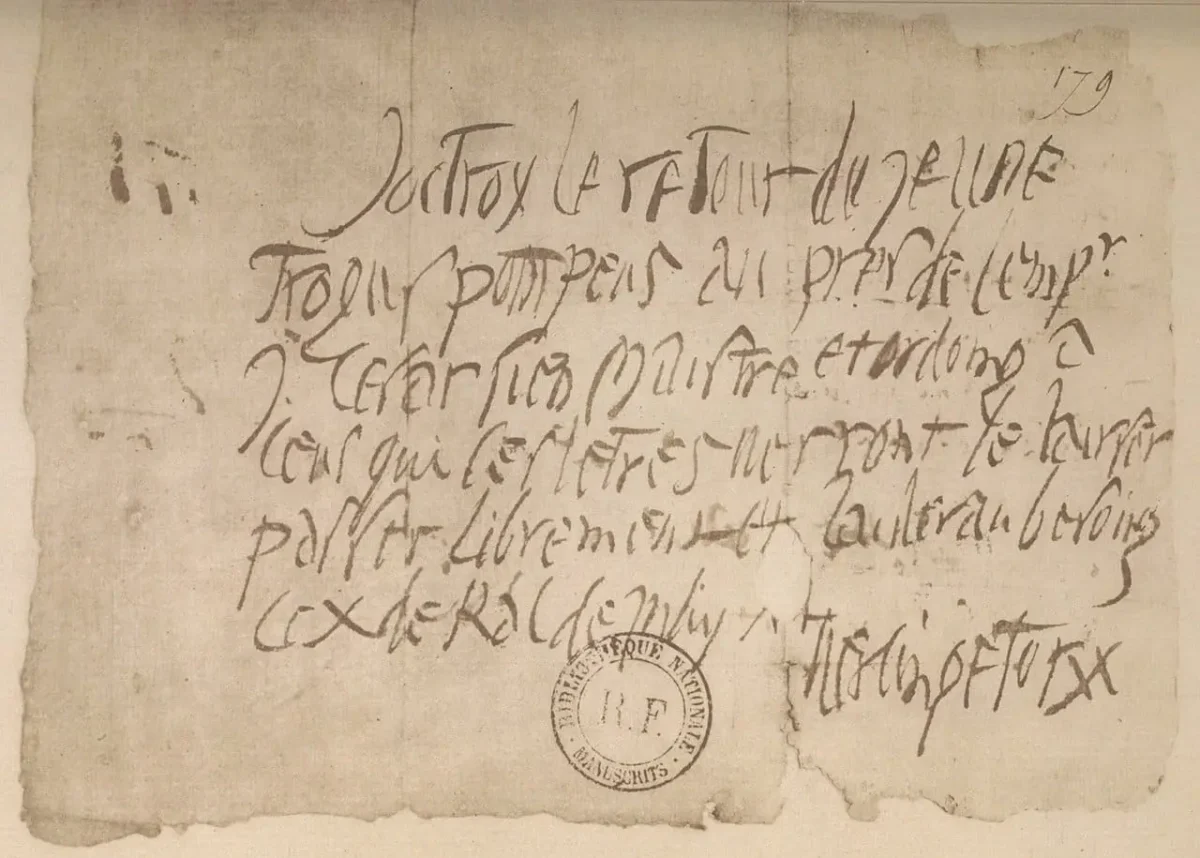
Imagine discovering a letter revealing that Blaise Pascal formulated the Law of Universal Gravitation before Newton? Or another written by Vercingetorix to the Roman historian Pompeius Trogus in his own hand? Not to mention one from Mary Magdalene to Lazarus, the man Jesus resurrected. In the second half of the 19th century, a clerk sold these and many more to a gullible collector who, to make matters worse, was a mathematician and professor at the Sorbonne, initially applauded by the Institut de France. The clerk in question was named Denis Vrain-Lucas, who went down in history as one of the boldest forgers ever. Most of Denis Vrain-Lucas’s life was quite ordinary, even dull. He was born in Lanneray on December 1, 1816, the son of a modest day laborer and a mother who worked as a maid. It was after he got a job as a clerk at a law firm that he took his first steps in forgery, creating family trees, letters, and documents for wealthy bourgeois clients who wanted to invent a history of nobility. (via La Brujula Verde)
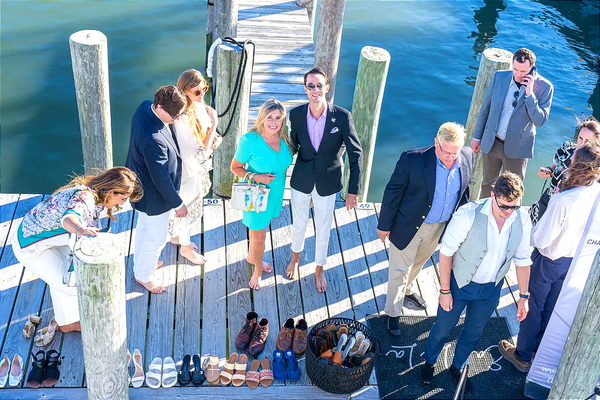
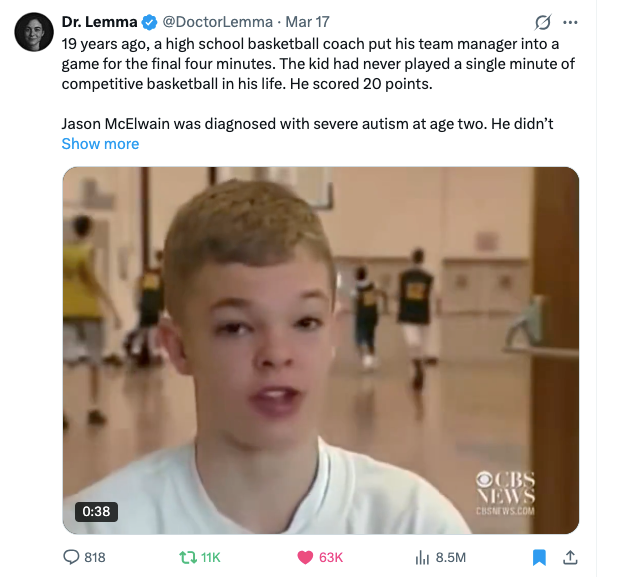
A high-school coach put this autistic boy in near the end of a game and the result was amazing
Acknowledgements: I find a lot of these links myself, but I also get some from other places that I rely on as "serendipity engines," such as The Morning News from Rosecrans Baldwin and Andrew Womack, Jodi Ettenberg's Curious About Everything, Dan Lewis's Now I Know, Robert Cottrell and Caroline Crampton's The Browser, Clive Thompson's Linkfest and Why Is This Interesting by Noah Brier and Colin Nagy. If you come across something you think should be included here, feel free to email me at mathew @ mathewingram dot com