Bobby Brown fried chicken in cocaine when he was 10

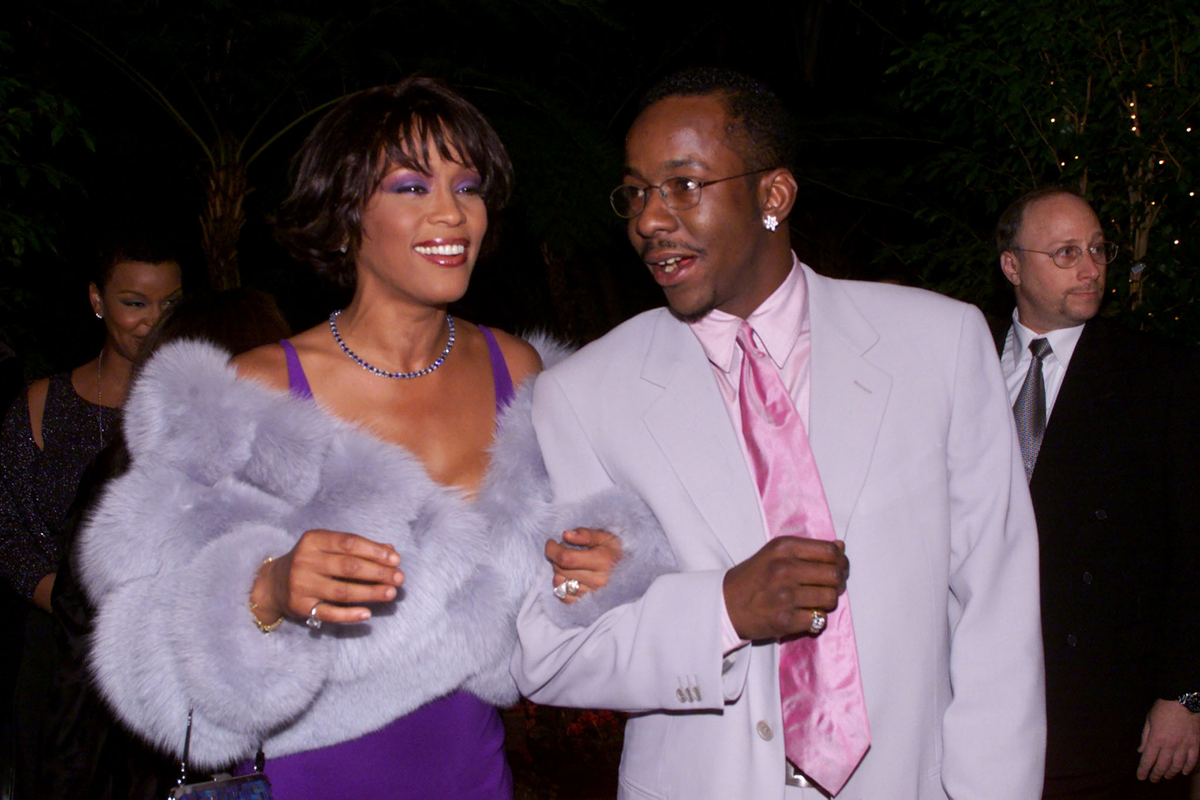
Brown says he was unaware his mother sold cocaine to support the family and while away, he decided to fry chicken, a meal his mother taught him to cook. He grabbed a bag of what he believed was flour to coat the chicken. His mother would later return, elated he took initiative to cook dinner, but soon realized he mistook the bag of cocaine for flour. “I was 10. So I didn’t recognize the strange smell emanating from the pan,” Brown writes. “After I had taken a few bites and feeling weirder with each bite, my mother walked in. With horror she realized what I had done,” he wrote. “I fried chicken in her cocaine — a radical new addition to the family’s culinary offerings. Cocaine chicken.” Brown says his mother never explained to him what he did, but months later he figured it out. (via Vibe)
Dancer with motor neuron disease performs again through a digital avatar
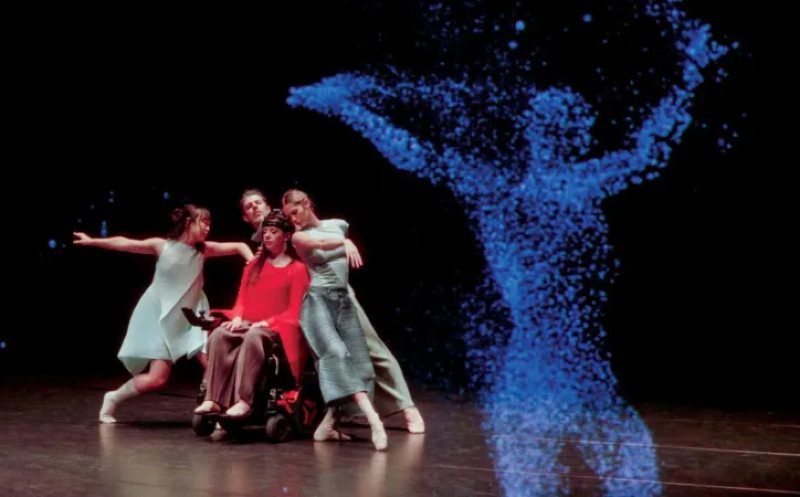
A ballerina with Amyotrophic Lateral Sclerosis (ALS) says she was able to dance again after her brainwaves were used to power an avatar live on-stage in Amsterdam. Breanna Olson, a mother of three, found out two and a half years ago she had ALS, the most common form of motor neurone disease (MND) and which, with no known cure, weakens muscles and over time affects speech, swallowing and breathing. However, using sensors to measure the electrical activity transmitted from her brain, her motor signals could be converted into an digital avatar. Breanna used an electroencephalogram (or EEG) headset to capture her brain activity and specific motor signals associated with imagining certain dance movements. A brainwave interface translating these signals into computer instructions then allowed her to convey which of these movements she wanted her mixed-reality avatar to dance in real-time. (via the BBC)
Scientists discovered that the white-throated sparrow effectively has four sexes
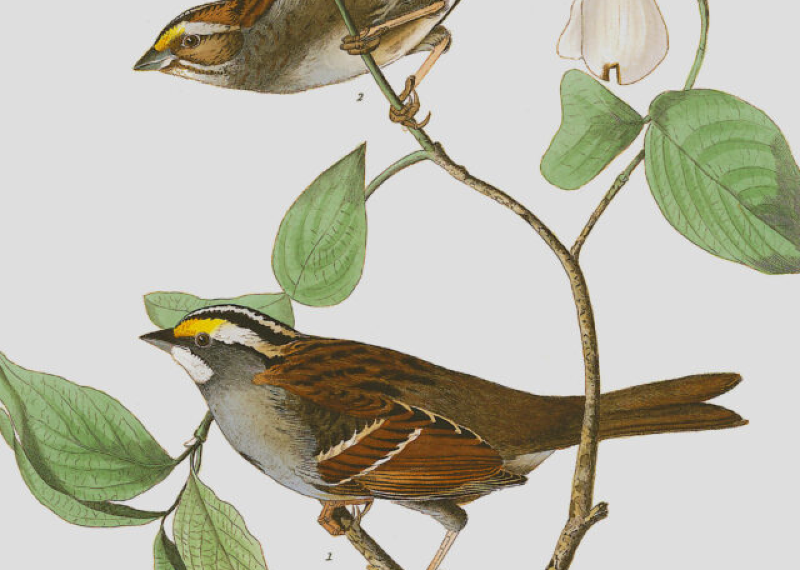
The bird in question is the white-throated sparrow. Some of these sparrows have dull tan stripes on their head, while some have more flamboyant white stripes. And when biologists looked closer, they noticed something strange: The mating among the birds was very particular. In over 99 percent of cases, tan-striped birds would mate only with white-striped ones. You almost never have tan-tan or white-white couplings. Opposites attract. Now, there’s no perfect definition of biological sex, but one definition involves what proportion of the population a typical individual can and will reproduce with. In white-throated sparrows, there are tan-headed males, tan-headed females, white-headed males, and white-headed females. And each group reproduces with only ¼ of the population, or one over four. In other words, there are four separate sexes. (via Science History)
Hi everyone! Mathew Ingram here. I am able to continue writing this newsletter in part because of your financial help and support, which you can do either through my Patreon or by upgrading your subscription to a monthly contribution. I enjoy gathering all of these links and sharing them with you, but it does take time, and your support makes it possible for me to do that. I also write a weekly newsletter of technology analysis called The Torment Nexus.
This famous thief asked that his confession be printed and bound using his own skin
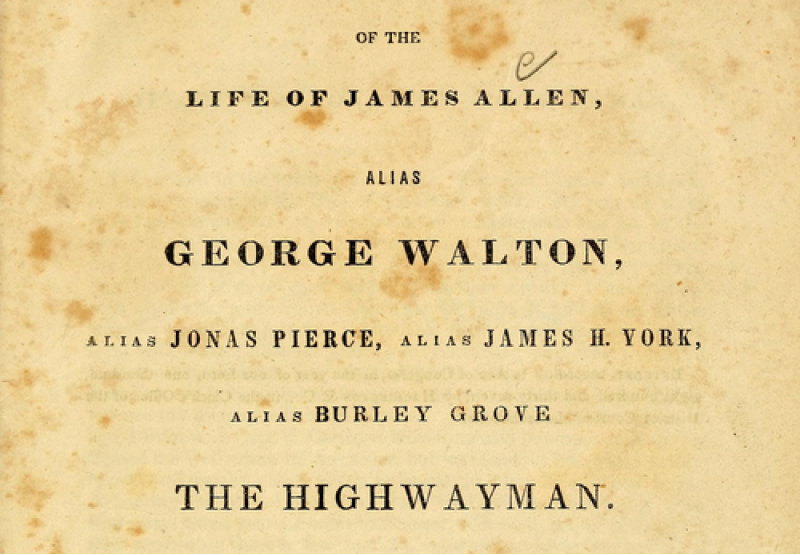
"The Narrative of the Life of James Allen, alias George Walton, alias Jonas Pierce, alias James H. York, alias Burley Grove, the Highwayman, Being His Death-bed Confession to the Warden of the Massachusetts State Prison" is an autobiographical work published in Boston by Harrington and Co. in 1837. While many copies of the book are extant, the book is most often associated with the copy in the collection of the Boston Athenaeum. This copy was bound in the author's own skin, tradition holding that Allen requested that a copy of his confession be bound in his skin and given to John A. Fenno Jr., who had earlier resisted Allen's attempt to rob him. The binding has been scientifically confirmed to be human skin, according to the Anthropodermic Book Project, which seeks to confirm or deny cases of books allegedly bound in the material. (via Wikipedia)
When push-button switches were brand new people were not happy about them
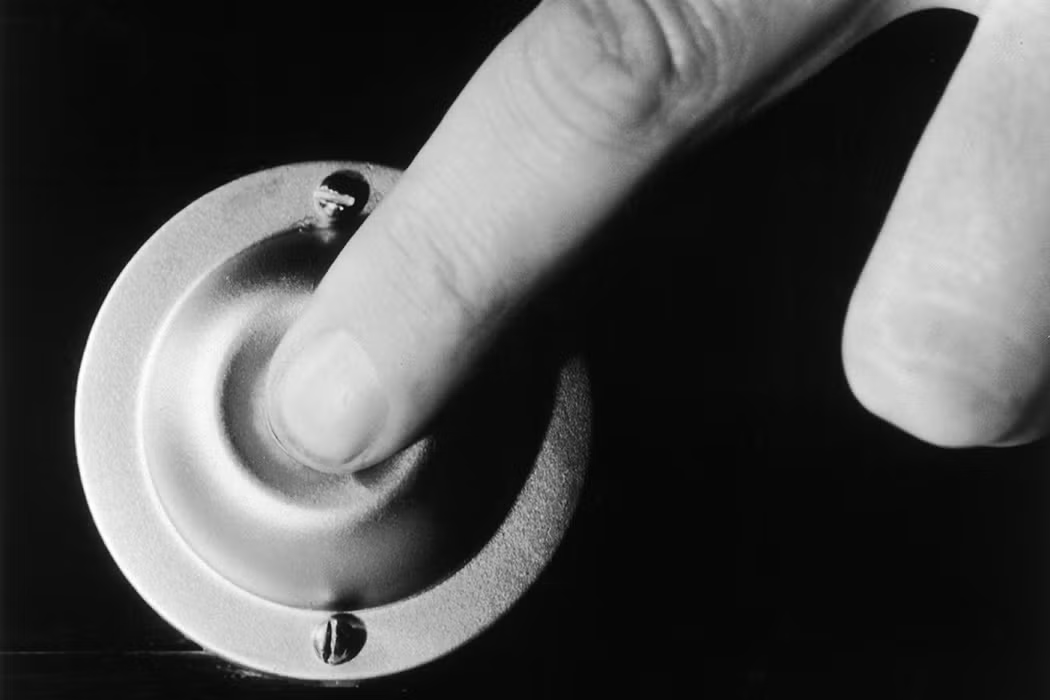
The doorbell. The intercom. The elevator. Once upon a time, beginning in the late nineteenth century, pushing the button that activated such devices was a strange new experience. The electric push button, the now mundane-seeming interface, was originally a spark for wonder, anxiety, and social transformation. Some people worried that the electric push button would make human skills atrophy. They wondered if such devices would seal off the wonders of technology into a black box: “effortless, opaque, and therefore unquestioned by consumers.” Some believed that users should creatively interrogate these objects and learn how they worked as part of a broader electrical education,” Plotnick explains. “Others…suggested that pushing buttons could help users to avoid complicated and laborious technological experiences.”(via JSTOR Daily)
What the re-entry of the Artemis I spacecraft looked like sped up 20 times

Acknowledgements: I find a lot of these links myself, but I also get some from other places that I rely on as "serendipity engines," such as The Morning News from Rosecrans Baldwin and Andrew Womack, Jodi Ettenberg's Curious About Everything, Dan Lewis's Now I Know, Robert Cottrell and Caroline Crampton's The Browser, Clive Thompson's Linkfest and Why Is This Interesting by Noah Brier and Colin Nagy. If you come across something you think should be included here, feel free to email me at mathew @ mathewingram dot com