An ancient law is behind the hay bale hanging from a UK bridge

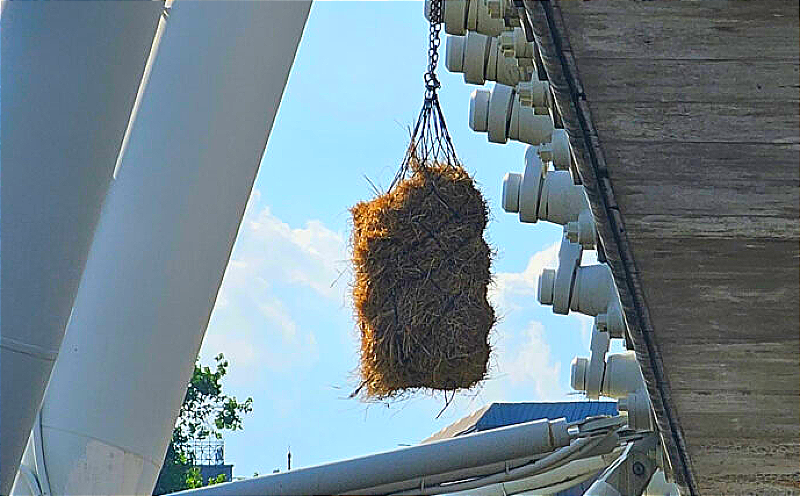
The scaffolding surrounding the Charing Cross railway bridge has received an addition – two bales of hay/straw – because an ancient British law requires it. The law requires that a bale of straw be hung from a bridge as a warning to mariners whenever the height between the river and the bridge’s arches is reduced, as it is at Charing Cross at the moment (due to construction). According to the Port of London Thames Byelaws, Clause 36.2, a bale of straw has to be placed under London bridges “when the headroom of an arch or span of a bridge is reduced from its usual limits”. At night, the bale of straw is harder to see, so some warning lights are also switched on. Quite why a bale of straw is needed has long since been lost to time, but regardless of its origins, whenever the river bylaws are updated, they keep the medieval law intact. (via IanVisits)
If your eye gets injured it can cause your body's immune system to attack your other eye
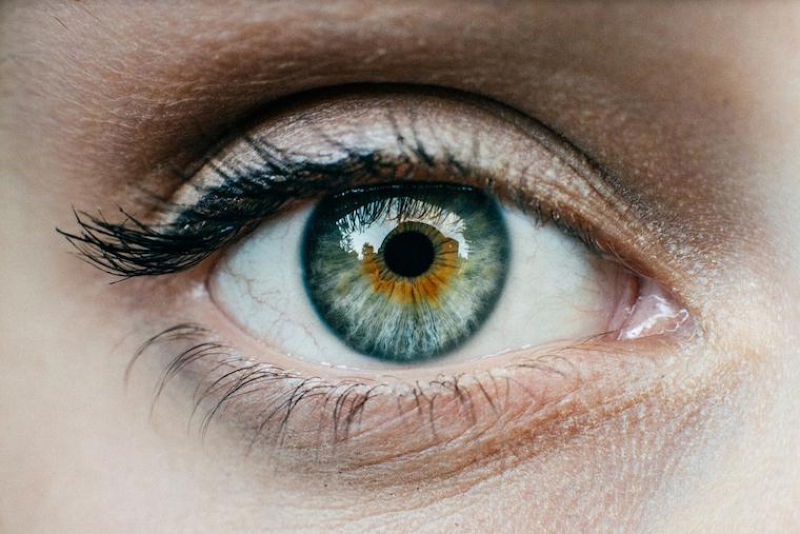
Certain organs and tissues of our body, including the eye, are referred to as immune-privileged organs and tissues, which means under normal conditions the body's immune cells cannot attack them. However, in some pathological conditions, those proteins are exposed to the immune cells and the disease occurs. The disease known as sympathetic ophthalmia is a rare, bilateral, and vision-threatening condition that occurs due to trauma (or rarely surgery) in one eye. During the injury, previously unexposed proteins of the eye are exposed to the immune cells. In some rare instances, the immune system reacts as it would to any foreign body and attacks the non-traumatized eye. Louise Braille, the inventor of the Braille writing system for the visually impaired is believed to have lost his vision due to sympathetic ophthalmia. (via Amblyoplay)
An art project bought a beef cow and sold shares to members who will decide its fate
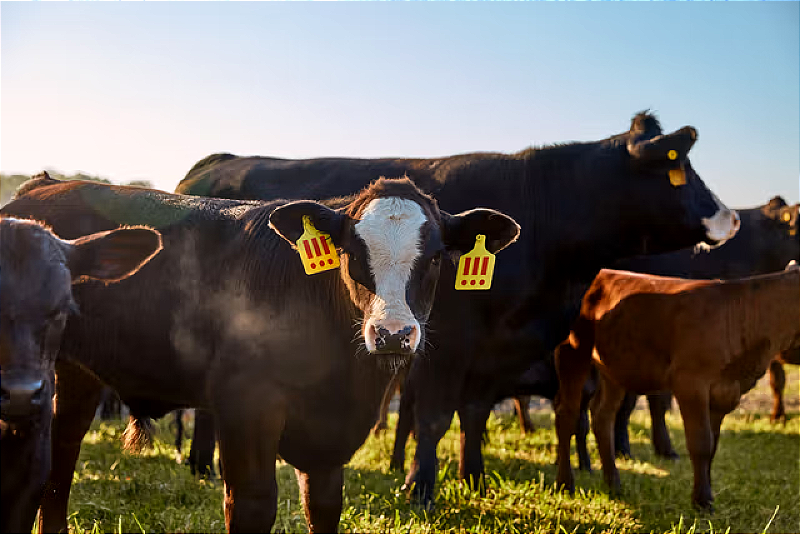
In August 2024, the art collective MSCHF launched its latest provocation: it had purchased a young beef cow it has named Angus. The calf, MSCHF explained, would be presold as 1,200 hamburgers and four leather handbags dubbed Angus Tokens to be produced once the animal reached slaughtering age. The catch? If over half of the buyers cancel their purchases by 13 March 2026 via an online “remorse portal”, Angus will be saved and live the rest of his life in an animal sanctuary. With just over two months left, the cow’s fate appears bleak as currently less than a third of buyers (31.8% as of this writing) have opted to save Angus. Our Cow Angus, as the project is called, aims to draw attention to the realities of the food industry. On Angus’s website, MSCHF notes the impact of meat consumption on climate change. (via The Art Newspaper)
Hi everyone! Mathew Ingram here. I am able to continue writing this newsletter in part because of your financial help and support, which you can do either through my Patreon or by upgrading your subscription to a monthly contribution. I enjoy gathering all of these links and sharing them with you, but it does take time, and your support makes it possible for me to do that. I also write a weekly newsletter of technology analysis called The Torment Nexus.
Twin brothers say they've solved the 100-year-old mystery of a disappearing meteorite
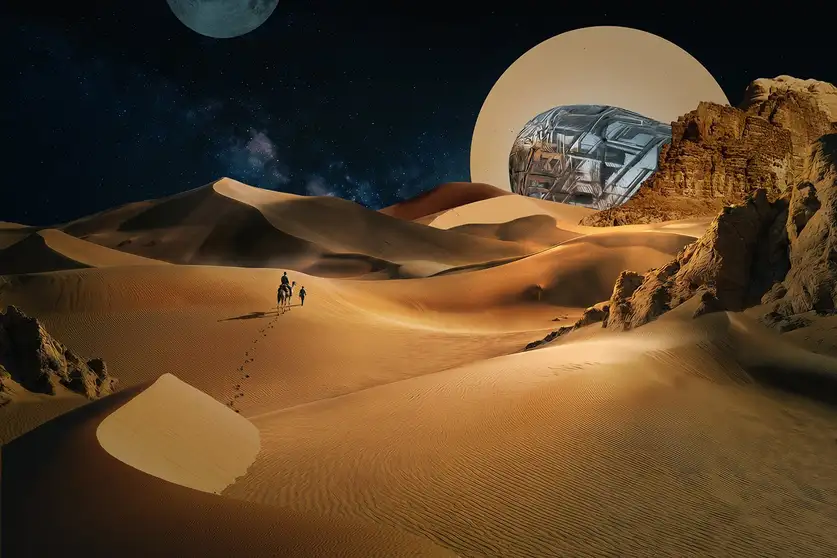
It all started with an overheard conversation between some camel herders. The year was 1916, and Gaston Ripert, a French army captain, had been injured and sent to recover in the small town of Chinguetti in Mauritania. So when Ripert heard local people talk of a colossal block of iron out in the undulating expanse of dunes, he was intrigued. He persuaded one man to guide him to this fabled iron and what followed has passed into legend. After an overnight camel ride, Ripert arrived at what appeared to be an enormous metal edifice – some 100 metres wide – partly buried in the dunes, its side polished to a mirror finish. Ripert brought back a piece of rock and it was found to be genuine meteorite. That caused a sensation and prompted meteoriticists the world over to wonder if the iron of God itself could also be from space. If so, it would be an astonishing find, a meteorite far more massive than any found before. (via New Scientist)
A stalker says he tracked an online influencer by enhancing the reflections in her eyes
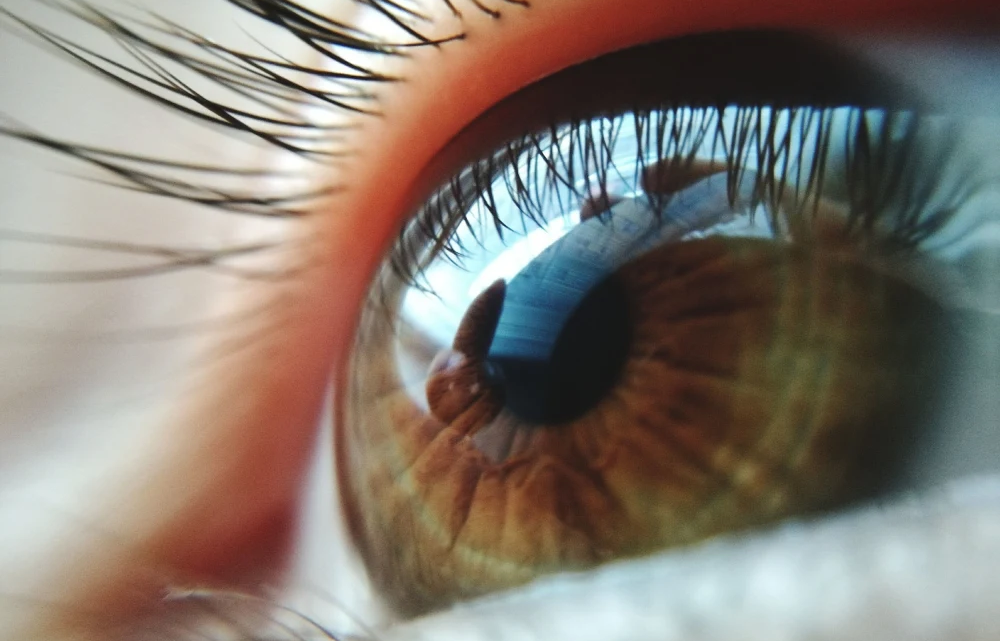
A man was arrested on suspicion of stalking a female pop idol by studying reflections of her pupils in photos she shared on social media and using Google Street View to find where she lived. A Tokyo police official declined comment on the specifics of the investigation. But the official confirmed that 26-year-old Hibiki Sato was arrested on suspicion of indecent behavior in connection with stalking and causing injuries to the 20-year-old woman. Japanese media reports said the woman, whose identity was not disclosed, is a pop idol. Police said Sato was an avid fan. The police official spoke on condition of anonymity as is often policy at Japanese bureaucracies. The official said the case was related to those reports. Public broadcaster NHK and other Japanese media reported this week that Sato allegedly used the high-resolution images of the woman's pupils to figure out which train station the woman frequented. (via NBC News)
Acknowledgements: I find a lot of these links myself, but I also get some from other places that I rely on as "serendipity engines," such as The Morning News from Rosecrans Baldwin and Andrew Womack, Jodi Ettenberg's Curious About Everything, Dan Lewis's Now I Know, Robert Cottrell and Caroline Crampton's The Browser, Clive Thompson's Linkfest and Why Is This Interesting by Noah Brier and Colin Nagy. If you come across something you think should be included here, feel free to email me at mathew @ mathewingram dot com