A volcanic eruption may have led to the spread of the Black Death


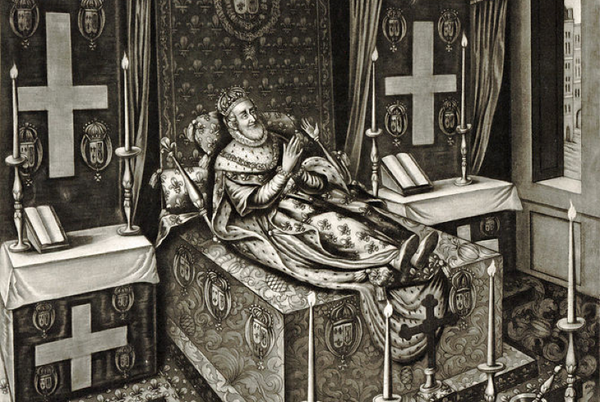
The infamous Black Death — a pandemic that killed as many as one third to one half of Europeans within just a few years — may have been aided in its devastation by an unknown volcanic eruption. That’s the hypothesis presented in research published December 4 in Communications Earth & Environment, which argues that the eruption triggered several seasons of climate instability and crop failures. That instability, in turn, forced several Italian states to import grain stores from new sources—specifically, from regions surrounding the Black Sea. Riding along on those grain stores, the researchers posit, were fleas infected with Yersinia pestis, the bacterium that causes the plague. (via Scientific American)
Research shows cold pizza might be better for you than hot pizza

Your first thought on hearing this is probably "Why? Why is leftover pizza healthier for me?" And the answer has to do with what happens when you cool the delicious crust. When you cool a pizza to below 40 degrees Fahrenheit, some of the starches in the dough will start to mingle together to form these long chains called resistant starches. They resist digestion, and another word for a carbohydrate that resists digestion is fiber! And even if you reheat the pizza, the chains stay intact, so your body doesn’t break them down to sugar. They mostly pass through. This could help reduce blood sugar spikes for people with diabetes or people who just need more fiber for a healthier gut. And this seems to work for a lot of starches, like rice, pasta, potatoes—even beans and lentils. Heating then cooling the starch changes its properties. It’s like tempering chocolate or forging a stronger steel. (via Scientific American)
Scientists discover microbes that eat and breathe electricity
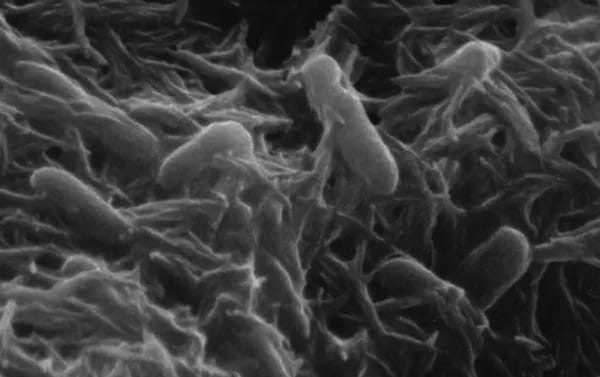
In New York State, Oneida Lake starts collecting manganese. Combined with oxygen from the air, it makes manganese oxide which sinks into the lake bed. But scientists didn’t find the compound at levels they’d expect, and the mystery of the missing manganese oxide set Kenneth Nealson, a microbiologist, searching for a microbe that seemed like it shouldn’t exist. It took him a few years, but he found it—Shewanella oneidensis, a bacterium that lives off of a poisonous heavy metal, manganese. The bacterium grows special wires out of its membrane that transport electrons from inside the cell and deposit them on the heavy metal. Other discoveries revealed bacteria that are doing the reverse—they scavenge electrons from metal and minerals. The electron exchange completes that circuit. The result is life that eats and breathes electricity. (via the Smithsonian)
Hi everyone! Mathew Ingram here. I am able to continue writing this newsletter in part because of your financial help and support, which you can do either through my Patreon or by upgrading your subscription to a monthly contribution. I enjoy gathering all of these links and sharing them with you, but it does take time, and your support makes it possible for me to do that. I also write a weekly newsletter of technology analysis called The Torment Nexus.
Actor Christopher Lee released multiple heavy metal Christmas albums

Let’s be honest, most Christmas traditions – spending inordinate amounts of time with family, sprouts, and stupid flammable paper hats – can be a bore. Yet there are a few festive habits – moderate yet socially acceptable pre-12pm drunkenness and eating cheese until you pass out in front of Doctor Who – which are genuinely worth looking forward to. A recent addition to the latter list is Lord of the Rings, Wicker Man and Hammer horror legend Christopher Lee’s fondness for releasing heavy metal Christmas singles. Yes you read that right. In 2012, Lee released A Heavy Metal Christmas, made up of interpretations of The Little Drummer Boy and Silent Night, while last year’s follow-up, A Heavy Metal Christmas Too, featured the single Jingle Hell (“Darkness is a bone/ Death embrace the night!”) (via The Guardian)
One of Oklahoma's oldest liquor stores used to have a gun turret on the roof
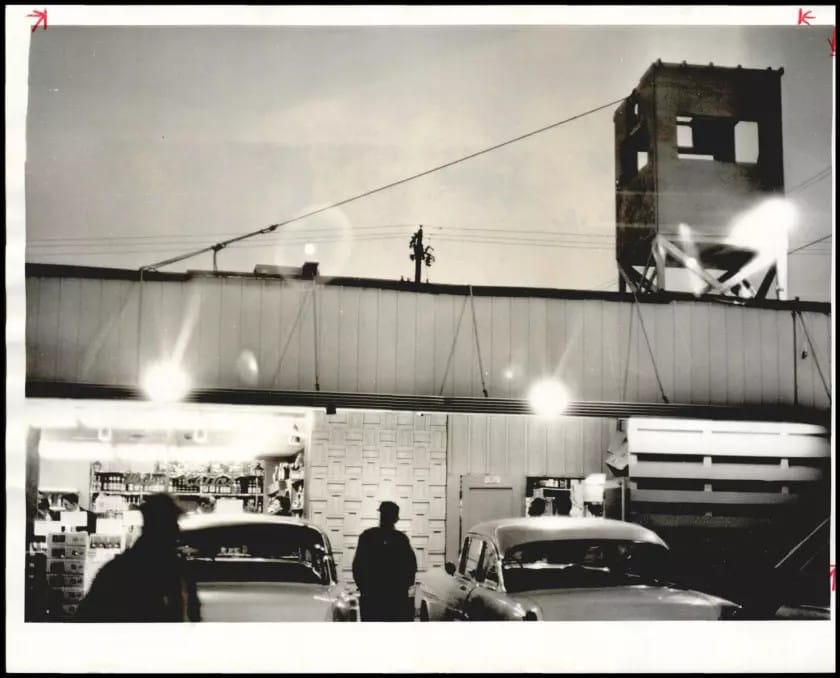
Byron’s Liquor Warehouse is one of the largest liquor stores in Oklahoma. The state entered the union dry in 1907 and stayed dry for more than two decades. In April 1959, Oklahomans voted to repeal prohibition, or “go wet,” and Byron Gambulos was involved in helping leaders prepare for the legal sale of alcohol. Other people in the liquor business were not happy with the competition. Someone threw a homemade bomb into Byron’s Liquor Warehouse, damaging a small section for the building. When the store was bombed again a short while later, Gambulos decided he needed protection. He built a rectangular, reinforced wooden structure with windows cut out on each side and put it on the business’ roof. Gambulos and his friends manned the tower at night, armed with pistols, shotguns or any available weapons. (via KGOU)
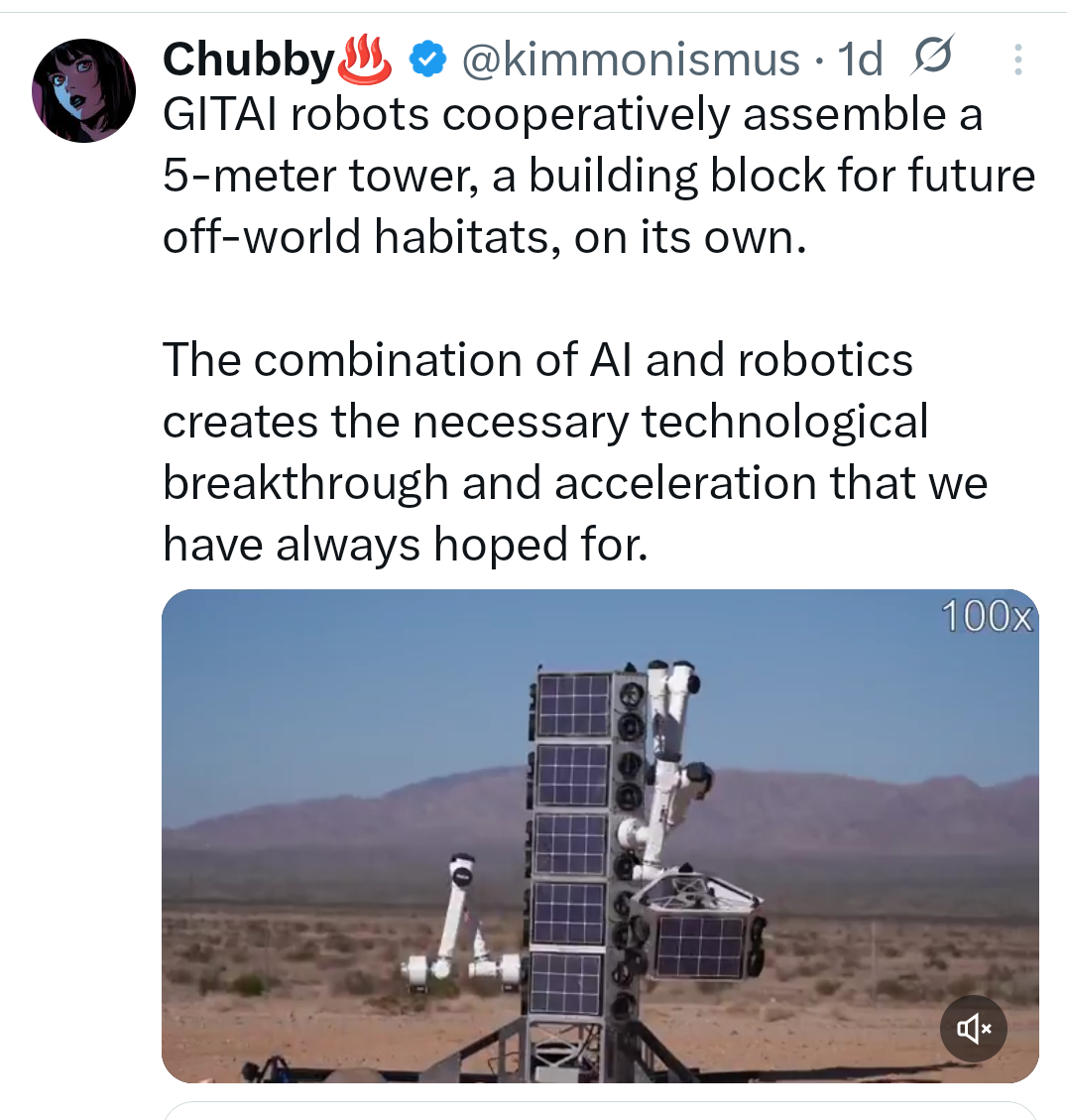
Robots co-operatively assemble a five-meter tower
Acknowledgements: I find a lot of these links myself, but I also get some from other places that I rely on as "serendipity engines," such as The Morning News from Rosecrans Baldwin and Andrew Womack, Jodi Ettenberg's Curious About Everything, Dan Lewis's Now I Know, Robert Cottrell and Caroline Crampton's The Browser, Clive Thompson's Linkfest and Why Is This Interesting by Noah Brier and Colin Nagy. If you come across something you think should be included here, feel free to email me at mathew @ mathewingram dot com