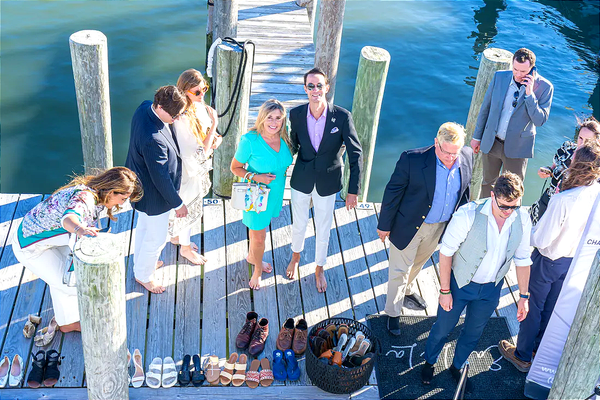
A Masonic lodge in France harbored a mafia hit squad

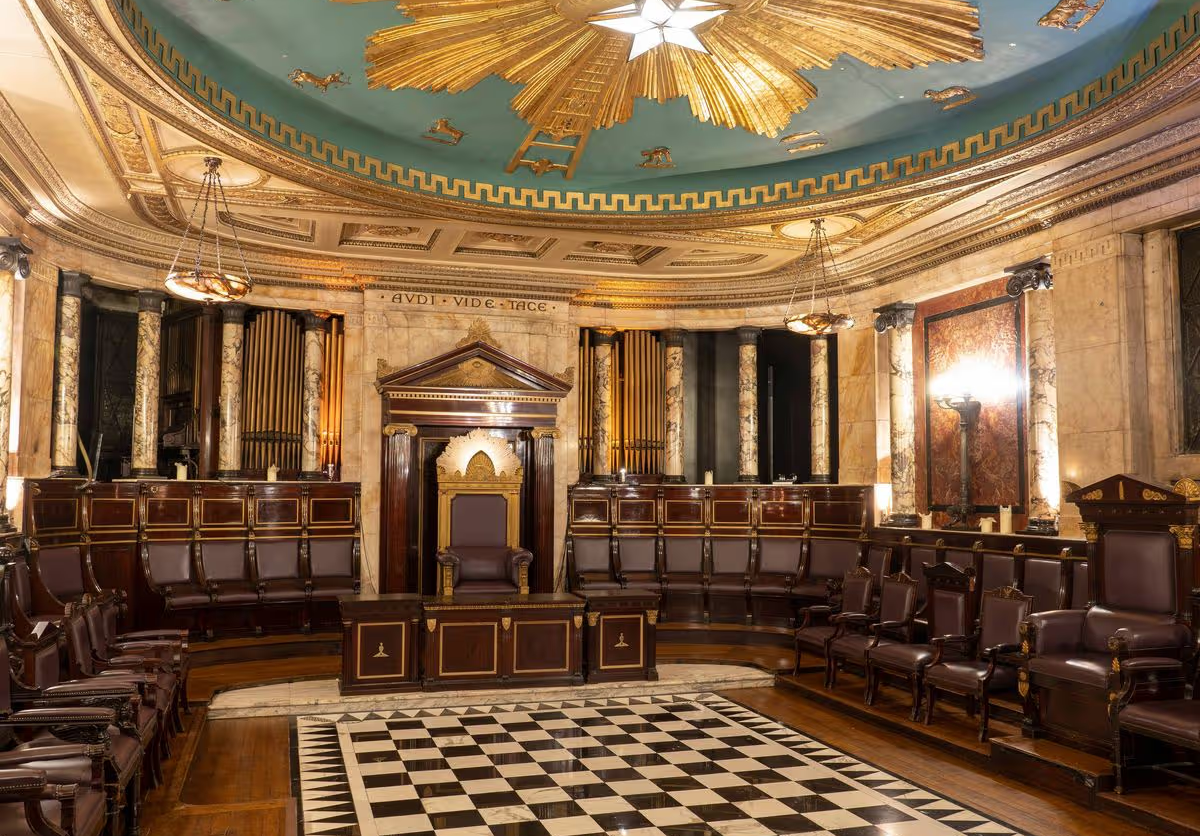
Twenty-two people went on trial in France on Monday on charges of murder and other serious crimes centred on members of a Masonic lodge accused of running hit squads. Thirteen of the defendants face life imprisonment. Those in the dock include four military personnel from France's foreign intelligence service (DGSE), two police officers, a retired domestic intelligence officer, a security guard and two business executives. They are accused of the murder of a racing driver, the attempted murders of a business coach and a trade unionist, aggravated assault and criminal conspiracy – all on behalf of a mafia network inside the former Athanor Masonic Lodge in the Paris suburb of Puteaux. Several freemasons from the 20 or so members of the lodge are in the dock. Most of the accused, aged between 30 and 73, have no previous criminal records. (via France24)
He joined Apple as a teenager in 1976 and he is still working there 50 years later

In 1976, Chris Espinosa rode his moped a mile and a half every Wednesday afternoon, parked it and went to work. Just 14 years old, he still had to go to school and didn’t have a driver’s license. But his employer, Apple Computer, had customers who wanted to try its earliest computer, and Espinosa was responsible for demonstrating it. Espinosa’s job has changed many times in the 50 years since. But he still works for Apple. At 64 he is one among an increasingly rare breed in today’s economy: people who have spent all of their lives working for one company. When Steve Jobs and Steve Wozniak signed the documents to start Apple in 1976, Silicon Valley’s fruit orchards hadn’t yet been taken over by office parks. Espinosa became employee No. 8 at the scrappy start-up that assembled computers by hand in Mr. Jobs’s home. (via the New York Times)
His screwdriver slipped and he instantly knew that he was going to die very soon
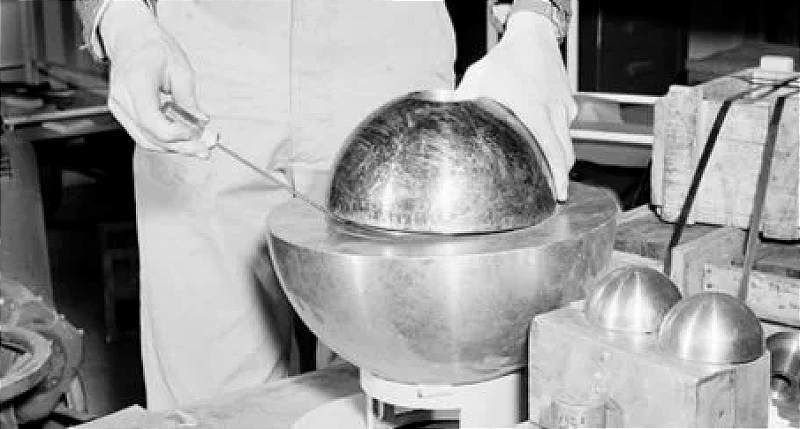
The demonstration began on the afternoon of May 21, 1946, at a secret laboratory tucked into a canyon some three miles from Los Alamos, New Mexico. Louis Slotin, a Canadian physicist, was showing his colleagues how to bring the exposed core of a nuclear weapon nearly to the point of criticality, a tricky operation known as “tickling the dragon’s tail.” At that time, Slotin was perhaps the world’s foremost expert on handling dangerous quantities of plutonium. He had helped assemble the first atomic weapon, barely a year earlier. He would lower a half-shell of beryllium over the core, stopping just before it was snugly seated. Slotin held the tamper in his left hand. In his right hand, he held a long screwdriver, which he planned to wedge between the two components, keeping them apart. As he began, one of his colleagues heard a sound: Slotin’s screwdriver had slipped, and the tamper had dropped onto the core. There was a flash of blue light and the man felt a wave of heat on his face. (via the New Yorker)
Hi everyone! Mathew Ingram here. I am able to continue writing this newsletter in part because of your financial help and support, which you can do either through my Patreon or by upgrading your subscription to a monthly contribution. I enjoy gathering all of these links and sharing them with you, but it does take time, and your support makes it possible for me to do that. I also write a weekly newsletter of technology analysis called The Torment Nexus.
This tiny town in Venezuela has produced more than sixty professional baseball players
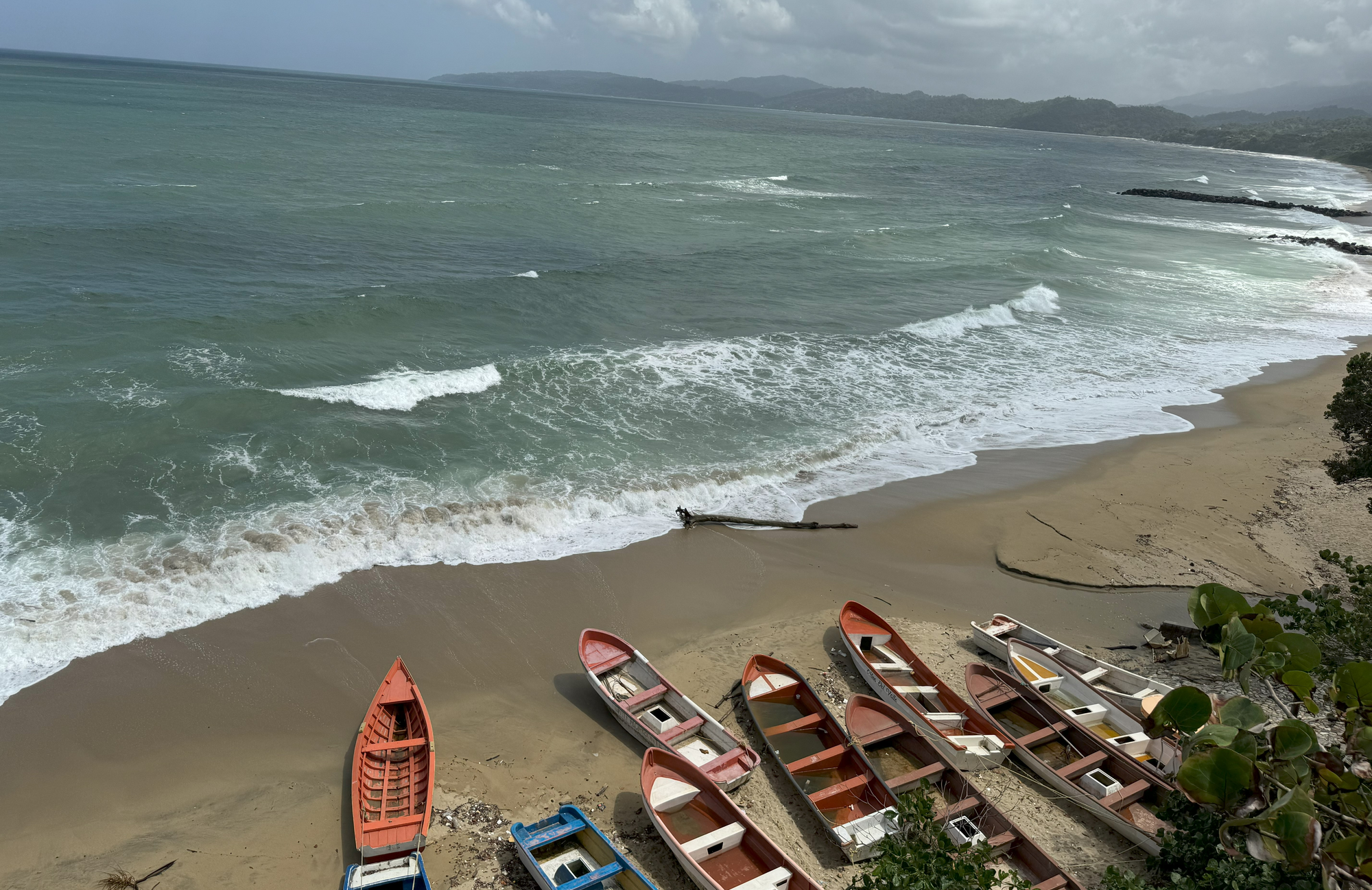
You've likely heard of some of baseball's biggest family ties. The sport has a long tradition of them. The Boones, the Alous, the Guerreros – the last, a seemingly endless gene pool of players seen blasting dingers across Dominican sandlots year after year. But there's one group of relatives that outranks them all. One mixture of five families, from one tiny, baseball-obsessed, way-out-of-the-way town in Venezuela that has so many pro players, even most members have lost count. "It's amazing how many people in the family have signed professional contracts," former pitcher Kelvim Escobar told me in a phone call. "Eight Major Leaguers, and I don't know how many more have signed pro contracts." The tale of baseball's largest family begins in a small fishing town. La Sabana. The 3,000-person village sits on the north central coast of Venezuela. The closest big city is about an hour and a half away, and mountains surround it. (via MLB.com)
The holy grail of shipwrecks is still underwater along with its $17 billion worth of treasure
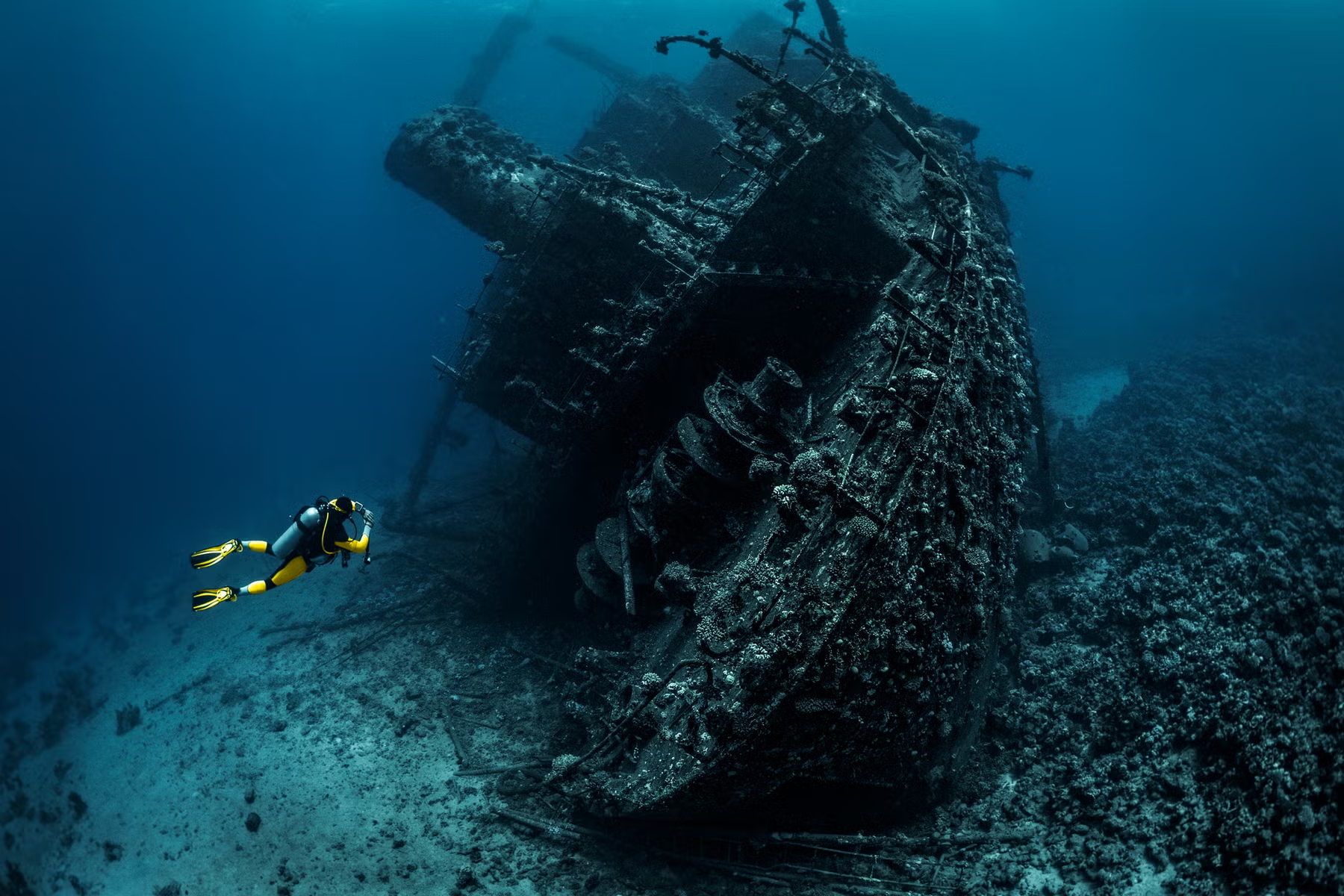
Exploration of the San Jose shipwreck and the precious metal coins it scattered about 1,970 feet below the ocean’s surface off the coast of Colombia confirmed it really was the richest shipwreck in the world. Considered the Holy Grail of all shipwrecks, the Spanish galleon San Jose blew up and sank in 1708 at the hands of British cannons, and it took with it what experts have estimated to be $17 billion in modern-day wealth, largely in the form of coins from 10 years of taxes saved up from the Americas. The shipwreck was first located in 2015. A 2025 study published in the journal Antiquity showed how using remotely operated vehicles allowed researchers to get close to the underwater coins and confirm that the wreck found in 2015—which launched a custody battle between Colombia and Spain—really is the long-sought San Jose with an untold number of coins still on the seafloor. (via Popular Mechanics)
Japanese pen contains a live parasitic worm living inside a chamber of herbal oil

Acknowledgements: I find a lot of these links myself, but I also get some from other places that I rely on as "serendipity engines," such as The Morning News from Rosecrans Baldwin and Andrew Womack, Jodi Ettenberg's Curious About Everything, Dan Lewis's Now I Know, Robert Cottrell and Caroline Crampton's The Browser, Clive Thompson's Linkfest and Why Is This Interesting by Noah Brier and Colin Nagy. If you come across something you think should be included here, feel free to email me at mathew @ mathewingram dot com