A hockey dad ran a $12 million fraud against his friends


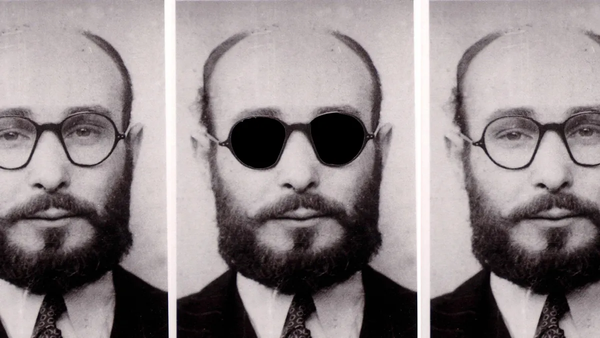
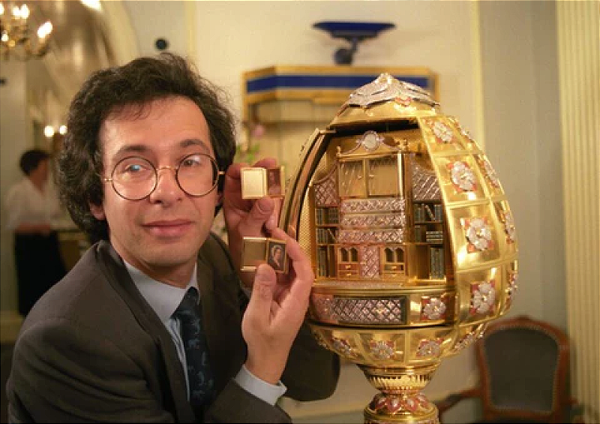
As Perardi approached the terrace, he saw that his friend, Kota Youngblood, sat at one of the tables. Youngblood was tall and imposing, with a paunch and black hair that framed pale skin. He was dressed in black, with military tattoos on his arms, and the white athletic tape that always seemed to cover his fingers. They found Eventine, Youngblood said. He was dead. Youngblood’s oldest son had been found dead on a beach in Baja California, Mexico. The cartel had cut his throat and dismembered him. In a shaky voice, Youngblood claimed that the cartel had only gone after Eventine because he’d been trying to save Perardi and his family. Youngblood had used all of his military and government contacts to stop Perardi from being killed, and now his own son was dead. The only thing that could save them was if Perardi mustered $70,000. (via Rolling Stone)
Why are there giant arrows made of concrete spread across the United States?
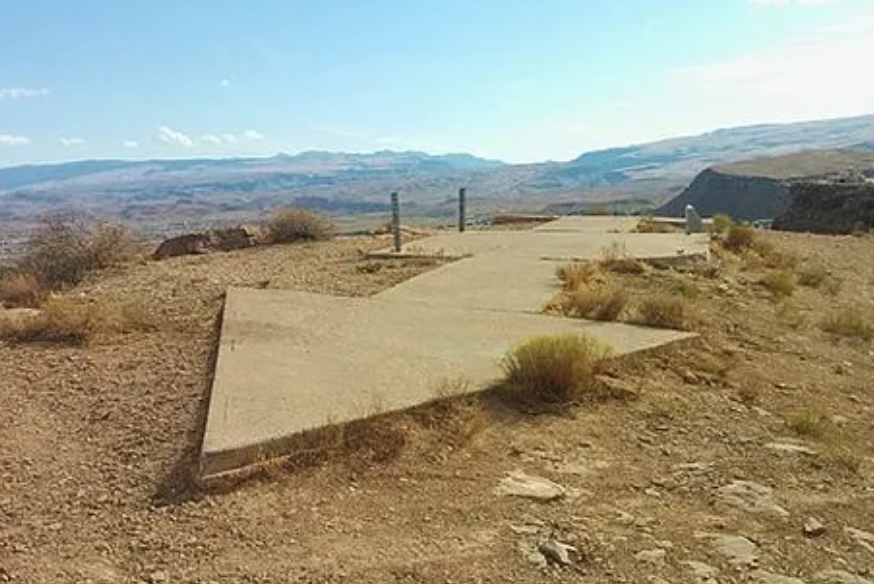
From 1918 until about 1926/1927, the Post Office Department operated the nation’s airmail service. This was the early days of air travel, and the department needed a way for pilots to get from point A to point B safely and reliably, especially during nighttime flights or in bad weather. The solution? The department installed a system of 50-foot lighted beacon towers across the country, spaced several miles apart from each other. Eventually, the Post Office Department turned airmail delivery over to private contractors. In 1927, the Department of Commerce took over responsibility for the airways, and they continued to build additional flyways and expand existing ones. And it was around then that they installed the 70-foot-long concrete directional arrows at the beacons. It was an easy enough system: The beacon towers were each assigned a number. The arrows would point to the beacon with the next highest number. (via Saving Places)
That time Colonel Sanders gave his own Kentucky Fried Chicken outlet a bad review
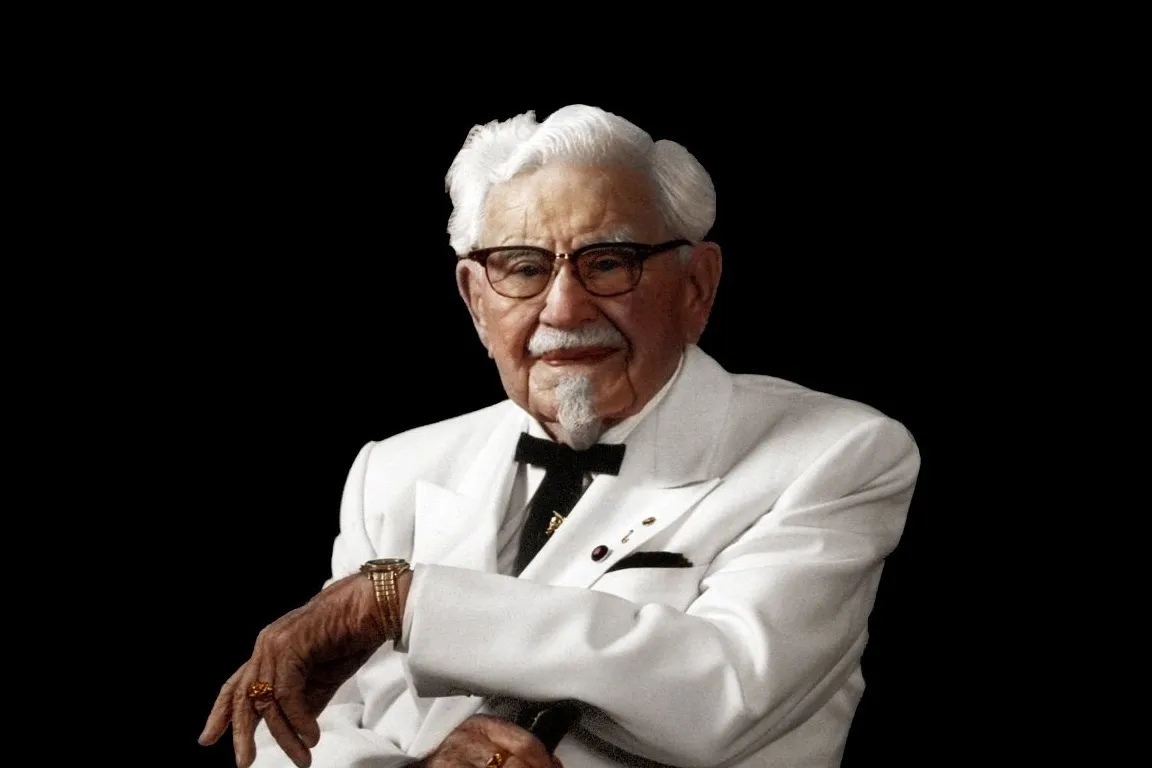
Autographing buckets and boxes filled with the product he created, Colonel Harland Sanders entered the kitchen without a by‐your‐leave. The manager of this company‐owned unit, Thaddeus Singleton, looked up and, without batting an eye, said, “Come right in, colonel, you're always welcome here,” little suspecting what was about to happen. When Mr. Singleton explained that he first mixed boiling water into the instant powdered potatoes, the colonel interrupted. “And then you have wallpaper paste,” he said. “Next suppose you add some of this brown gravy stuff and then you have sludge.” “There's no way anyone can get me to swallow those potatoes,” he said after tasting some. “And this cole slaw. This cole slaw! They just won't listen to me. It should he chopped, not shredded, and it should be made with Miracle Whip. Anything else turns gray. And there should be nothing in it but cabbage. No carrots!” (via the NYT)
Hi everyone! Mathew Ingram here. I am able to continue writing this newsletter in part because of your financial help and support, which you can do either through my Patreon or by upgrading your subscription to a monthly contribution. I enjoy gathering all of these links and sharing them with you, but it does take time, and your support makes it possible for me to do that. I also write a weekly newsletter of technology analysis called The Torment Nexus.
This Texas cactus only blooms once in an entire year and it does so at night

It’s not so much astounding that she still exists somewhere out there, blooming only once a year, for one night only. What’s most amazing to me about the night-blooming cereus, or “queen of the night,” is how extraordinarily white the blossom is in total darkness. Almost phosphorescent. Amazing, too, is the enormity of her blossom — that pent-up desire, the yearning for beauty. Her brief intoxicating fragrance, which rivals magnolia and gardenia, suggests vanilla and the sassy power of citrus. She is worth dreaming about, even searching for and seeing if you know where to look. Some years, the meteorological conditions are terrible, and yet she appears; other years, everything seems just right, and yet she stays hidden, dormant, waiting for a better year, finicky. It’s an extreme and flamboyant Hail Mary way of life that occurs in deserts and subtropics around the world. In Chinese folklore, night-blooming cereus blossoms represent unfulfilled love. Others believe the blossoms bring good fortune and grant wishes. (via Texas Highways)
Ancient coin suggests that Viking explorers may have reached Maine in their travels
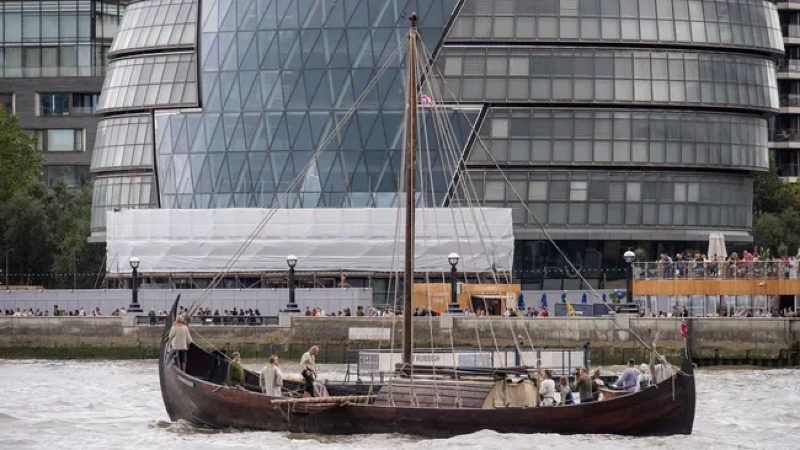
In 1957, an amateur archaeologist working at a Native American site in Maine discovered a perplexing treasure: a 900-year-old silver Norse coin that dated to the late Viking Age (A.D. 793 to 1066). The artifact, sometimes called the "Maine Penny," is now in the Maine State Museum. Its discovery has raised a number of questions — mainly, how did it get there, and does its presence in Maine mean the Viking reached the Pine Tree State? The Vikings were expert seafarers with outposts from Ukraine to Canada, so it's conceivable that they could have reached Maine. The Vikings and their descendants had colonies in Greenland that existed from the late 10th century to the 15th century. The coin, which researchers generally agree is authentic, was minted during the reign of Olaf III, who was king of Norway from about 1066 to 1093. The coin was found in the coastal town of Brooklin at what is now known as the Goddard site (via Live Science)
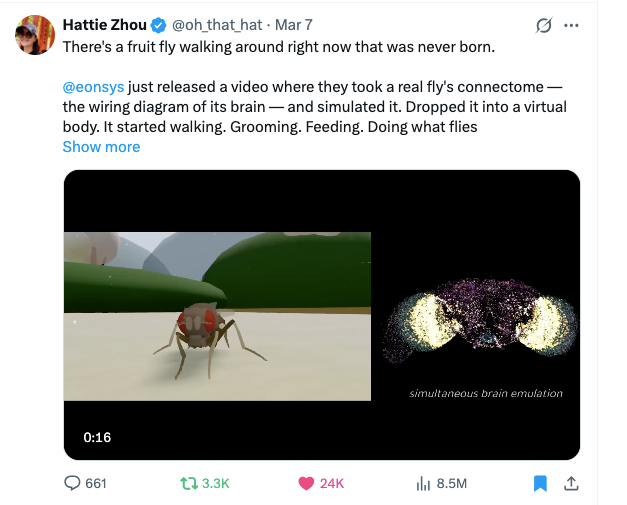
Scientists recreated the wiring diagram of a housefly's brain and it behaves like a fly
Acknowledgements: I find a lot of these links myself, but I also get some from other places that I rely on as "serendipity engines," such as The Morning News from Rosecrans Baldwin and Andrew Womack, Jodi Ettenberg's Curious About Everything, Dan Lewis's Now I Know, Robert Cottrell and Caroline Crampton's The Browser, Clive Thompson's Linkfest and Why Is This Interesting by Noah Brier and Colin Nagy. If you come across something you think should be included here, feel free to email me at mathew @ mathewingram dot com